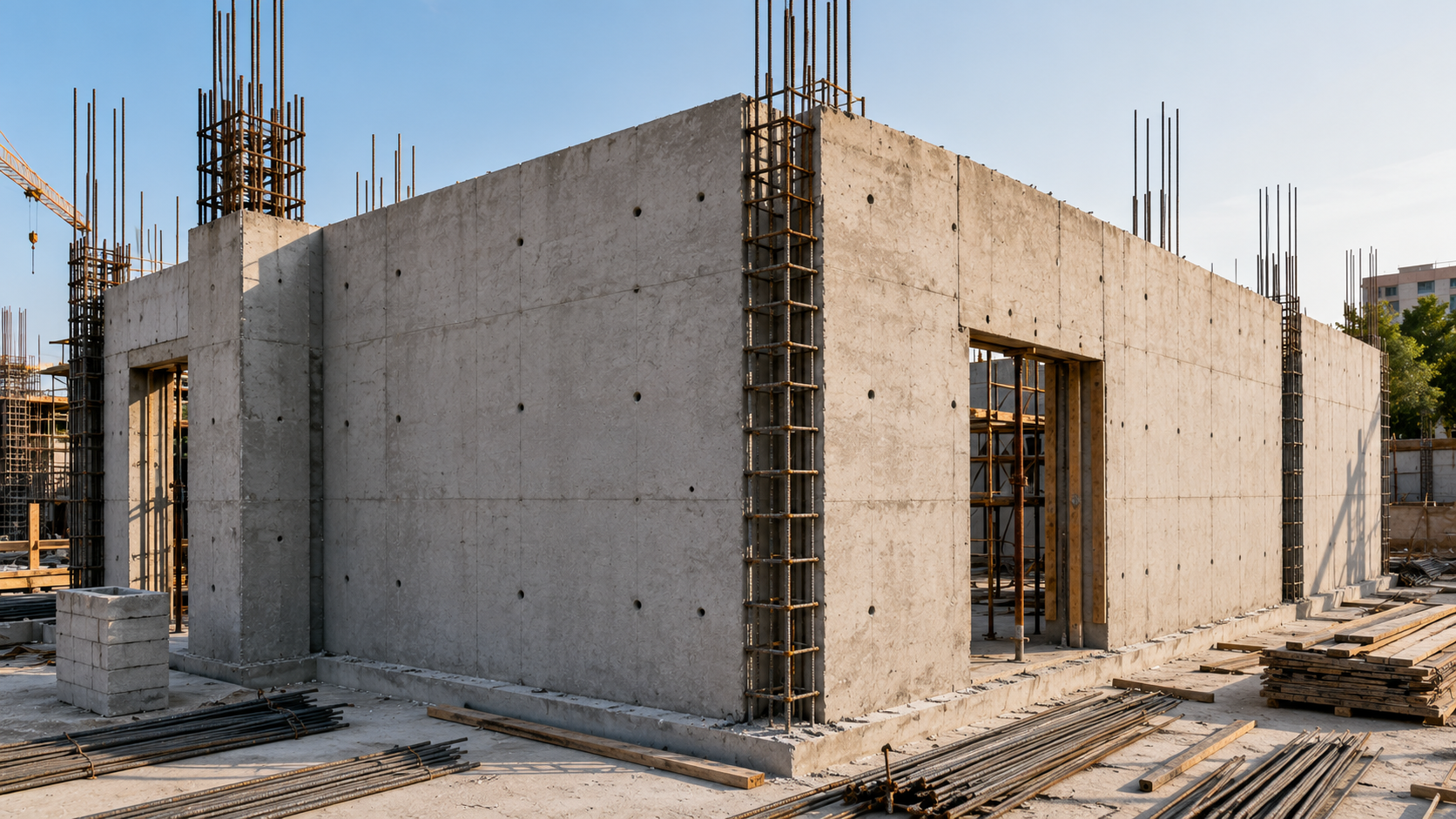
Search "sustainable building materials India" and you get lists: bamboo, fly ash bricks, rammed earth, GFRC, recycled steel. Useful reading, but a list does not tell you which of these belongs in your project. A material that is the right choice for a coastal bungalow in Kerala can be the wrong choice for a Delhi apartment block, and a material that earns points toward a green rating can still cost more over its lifetime than a conventional alternative. Choosing sustainable materials is a sequence of decisions, not a shopping list. This piece walks through that sequence: climate, certification targets, embodied carbon versus lifecycle cost, local sourcing, and when to bring in a professional.
If you want the fuller catalogue of what is available, AECORD has already covered the range of options in 10 Sustainable Materials Reshaping Commercial Architecture in India and the market context in Green Building Materials India: Eco Construction 2026. This article assumes you have already seen those lists and are trying to work out which entries on them actually apply to your plot.
Start with your climate zone, not a materials list
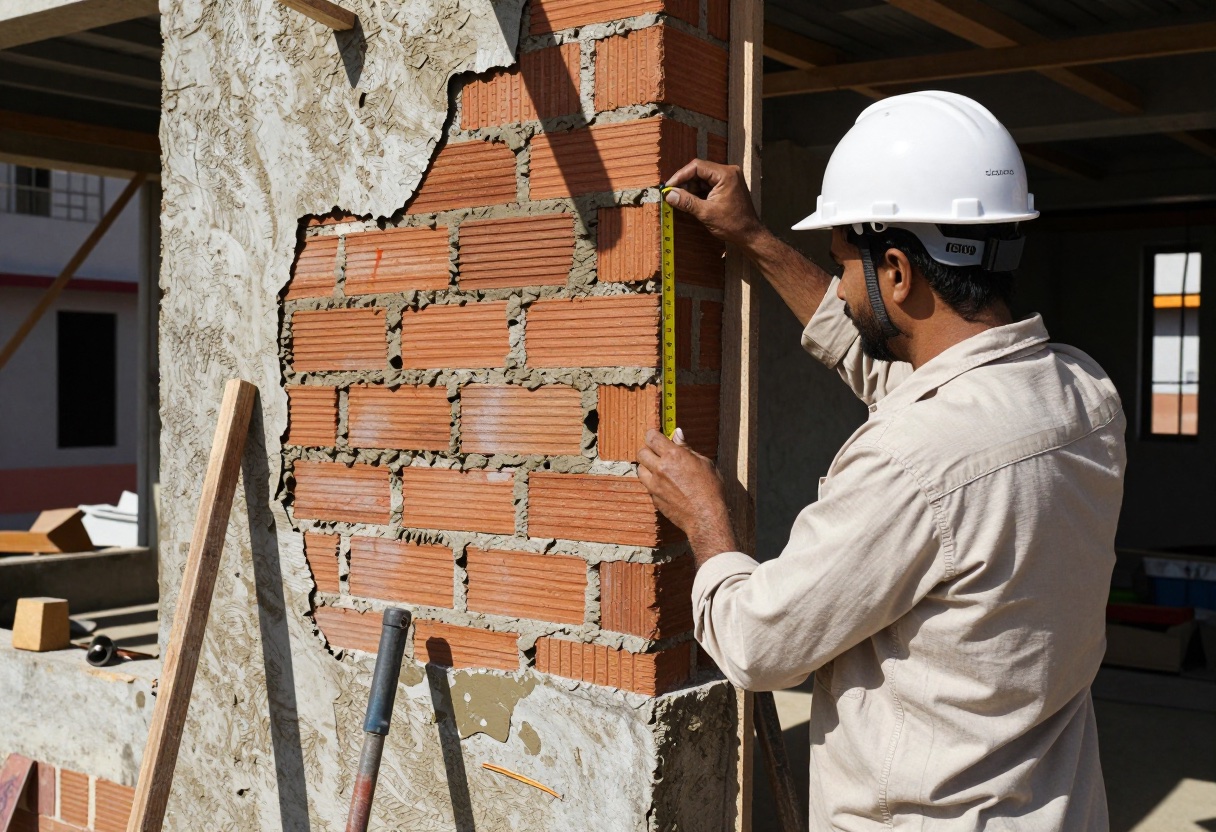
The National Building Code of India 2016, published by the Bureau of Indian Standards, splits the country into five broad climate zones: hot-dry, warm-humid, temperate, cold, and composite. A material's sustainability credentials are climate-specific. Rammed earth and compressed stabilised earth blocks perform well in hot-dry zones like Rajasthan and Gujarat because their thermal mass smooths out the swing between a scorching afternoon and a cold desert night. The same wall assembly in Mumbai's warm-humid climate can trap moisture and encourage mould, because the humidity never drops enough for the wall to release what it absorbed.
Bamboo, clay, and other moisture-responsive materials behave differently again: they absorb humidity when the air is wet and release it as the air dries, which is why they suit monsoon-heavy regions better than materials that simply resist water. AECORD's piece on how hygromorphic materials are transforming Indian construction goes into this mechanism in more detail if you are building somewhere with a pronounced wet-dry cycle.
Before you shortlist a single material, write down your climate zone and your city's specific rainfall, humidity, and temperature range. A material chosen for its sustainability story but wrong for the climate ends up needing extra insulation, waterproofing, or mechanical cooling to work at all, which erodes the environmental case you were trying to make.
Build cost · Bengaluru, May 2026
Decide whether you are targeting a green rating
Two national rating systems dominate Indian green building certification: GRIHA (Green Rating for Integrated Habitat Assessment), developed with the Ministry of New and Renewable Energy, and IGBC (Indian Green Building Council), affiliated with the Confederation of Indian Industry. Some commercial developers also pursue LEED India. Each system scores a building across categories, and materials selection is only one of them, alongside energy performance, water use, site planning, and indoor air quality.
This matters for material choice because a rating system rewards documented, verifiable attributes, not general "eco-friendliness." Recycled content percentage, distance from source, and third-party embodied-carbon data score points; a material that is sustainable in principle but has no supplier documentation may not count toward your rating even if it is the better physical choice. If certification is a project goal, decide that early, because it changes which suppliers you can work with and what paperwork you need to collect as you build, not just what you specify on a drawing.
If certification is not a goal, you have more freedom to choose on performance and cost alone, and vernacular materials that a rating system might undervalue, such as reused brick from a demolished structure nearby, can be a genuinely stronger environmental choice than a certified but manufactured alternative.
Weigh embodied carbon against lifecycle cost
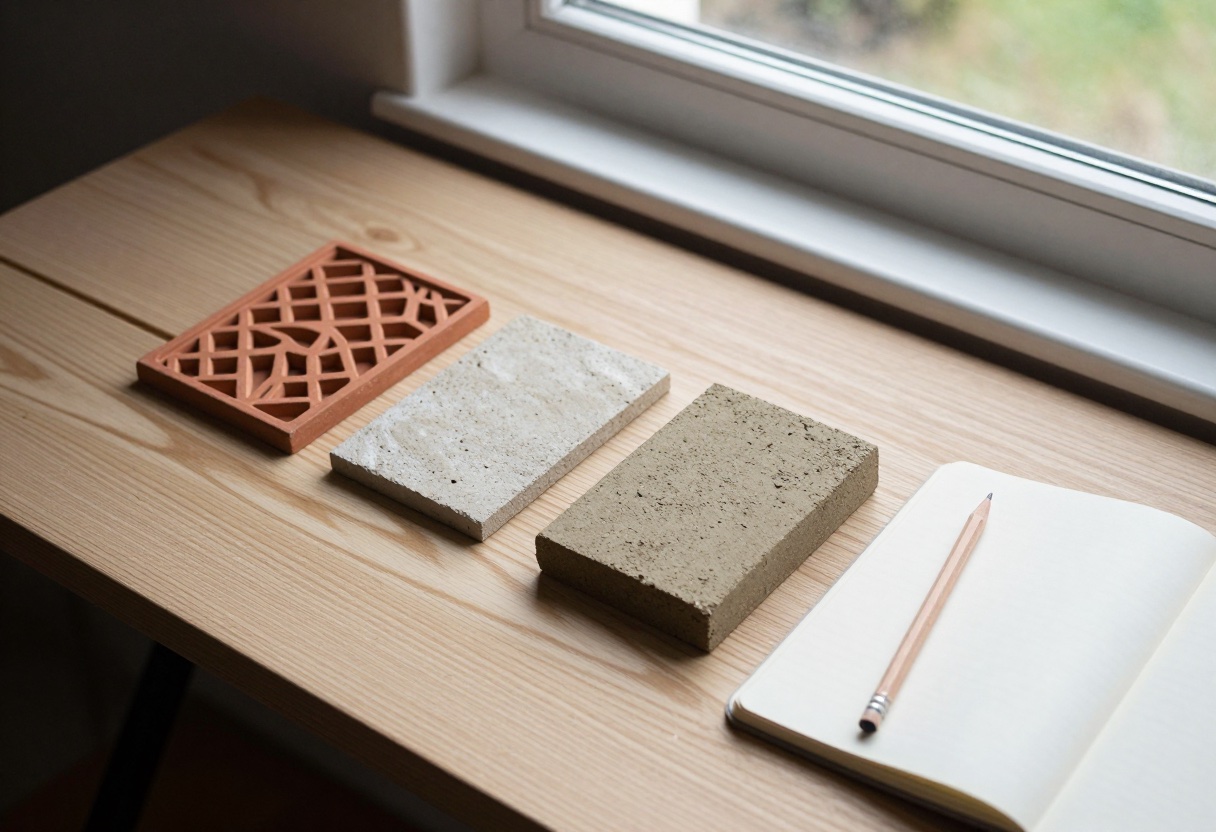
Embodied carbon is the carbon emitted in extracting, manufacturing, and transporting a material before it is ever installed. It is a useful lens because it exposes trade-offs a price list hides. Fired clay bricks require kiln firing, which is carbon- and energy-intensive; fly ash bricks reuse a thermal power plant byproduct that would otherwise go to a landfill, cutting embodied carbon while also addressing an industrial waste stream. Steel has a high embodied carbon per tonne but a long service life and high recyclability, which changes the calculation if you compare it over a fifty-year building life rather than at the point of construction.
The figures below are assumptions chosen to show the method, not real market rates; get current quotes from your supplier and architect before budgeting a real project.
Assume a 100 square metre load-bearing wall built in fired clay brick costs ₹4,50,000 in material and labour, with an estimated embodied carbon of 18 tonnes CO₂e.
The same wall in fly ash brick, sourced from a plant within 50 kilometres, costs ₹3,80,000 with an estimated embodied carbon of 9 tonnes CO₂e.
A compressed stabilised earth block wall costs ₹5,20,000, reflecting higher labour skill needs, with an estimated embodied carbon of 5 tonnes CO₂e.
On these assumed numbers, the earth block wall costs more upfront but roughly halves embodied carbon again against fly ash brick. Whether that trade-off is worth it depends on your budget ceiling, whether local masons are trained to build with compressed earth block, and how much weight your project places on carbon versus capital cost. There is no universally correct answer; there is only the answer that fits your project's constraints, which is why this has to be a step in your process rather than a single "greenest material" lookup.
Check local sourcing and supply chains before you specify anything
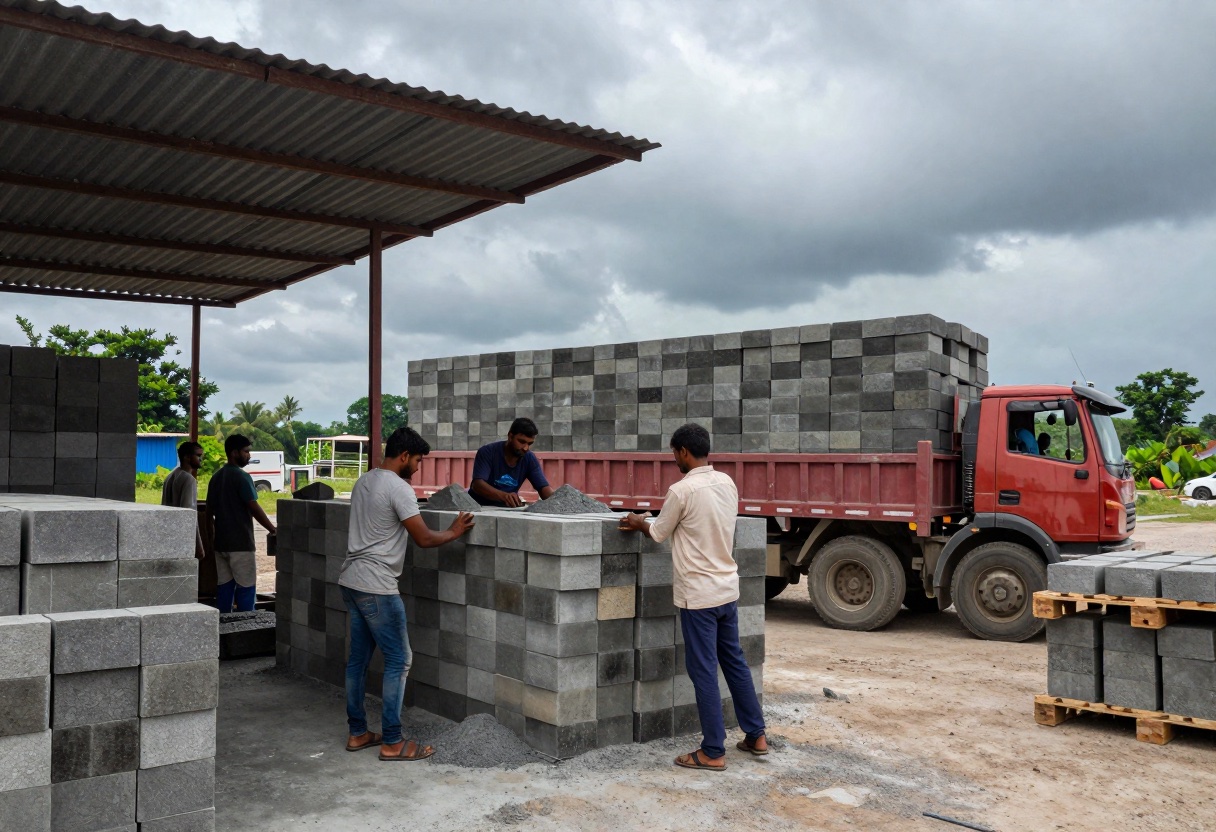
A material's sustainability case depends partly on how far it travelled to reach your site. Transport adds embodied carbon and cost, and it adds risk: a facade system sourced from a single distant manufacturer can stall a project for weeks if that one supplier has a production delay. Glass fibre reinforced concrete, for instance, is a strong facade choice for its weight and design flexibility, as covered in AECORD's piece on GFRC panels as lightweight facade systems, but it is manufactured by a smaller number of specialist fabricators than a material like brick, so lead times and freight distance deserve a direct question to the supplier before you commit it to a drawing.
By contrast, materials like local stone, fired brick, bamboo, and fly ash brick usually have producers within your state, sometimes within your district. Ask any material supplier for their plant location, not just their office address, and get a written lead time before you finalise a bill of quantities. AECORD's construction cost calculator can help you sanity-check a materials budget once you have real quotes in hand, and the construction cost index is a useful reference point for how regional material prices are trending.
Frequently asked
Bring in a professional early, not after the concept is fixed
Most of the decisions above, climate response, certification strategy, embodied carbon trade-offs, and sourcing logistics, are easier to get right at the concept stage than to retrofit once a design is drawn. An architect or structural engineer who has already built with a material in your region knows which local masons or contractors have the skill for it, which suppliers actually deliver on time, and where a material looks good on paper but fails in your specific soil or climate conditions.
If you do not already have a professional on the project, AECORD's professional search lets you filter by location and specialisation, and the near-me architects pages are a starting point if you want someone local enough to visit your site. For firms with a track record on sustainable or vernacular construction specifically, the firms directory lists practices alongside their project history, and you can review a firm's built work through project listings before you reach out. Once you have a shortlist, AECORD's enquiry flow lets you send project details to more than one professional at once, so you are comparing real proposals rather than guessing.
Frequently asked questions
Is bamboo actually strong enough for a permanent structure, or only for temporary work?
Treated structural bamboo is used for permanent construction in parts of Northeast India and increasingly elsewhere, but it needs proper species selection, chemical or smoke treatment against insects, and a design that accounts for its different strength profile compared with timber or steel. It is not a drop-in replacement; it needs a designer who has specified it before.
Do sustainable materials always cost more than conventional ones?
Not always. Fly ash brick, for example, is frequently cheaper than fired clay brick because it reuses an industrial byproduct rather than requiring kiln fuel. Others, like compressed stabilised earth block or GFRC, can cost more upfront due to labour skill or fabrication complexity, even though they may cost less over the building's life. Get quotes for your specific project rather than assuming either direction.
Can I mix vernacular materials like mud construction with modern materials like concrete or steel?
Yes, and many contemporary Indian projects do exactly this, using concrete or steel for structural elements like foundations and slabs while using mud, brick, or bamboo for walls and infill. AECORD's piece on climate-responsive mud houses shows several examples of this kind of hybrid approach. The key is getting a structural engineer to confirm how the two systems interact at their junctions.
How do I know if a supplier's "sustainable" or "eco-friendly" claim is accurate?
Ask for documentation: recycled content percentage, a third-party test certificate, or GRIHA or IGBC pre-approval if you are pursuing certification. A supplier who cannot produce paperwork beyond a marketing claim is a reason to ask more questions, not necessarily a reason to walk away, but it does mean you should verify independently before counting the material toward any formal rating.
Does choosing sustainable materials mean I cannot use concrete at all?
No. Concrete remains structurally necessary for most mid-rise and high-rise construction in India, and the material itself has moved toward lower-carbon mixes and more efficient use, as covered in AECORD's overview of concrete in modern architecture. Sustainable material choice is usually about which parts of a building can shift to a lower-impact alternative, not about eliminating concrete altogether.
Where do I start if I only have a plot and no design yet?
Confirm your climate zone and any local building bye-law restrictions first, decide whether you want to pursue a green rating, and then bring in an architect before you fix a concept design. Specifying materials after a design is finalised removes most of the flexibility that makes climate-appropriate and locally sourced choices possible in the first place.
Frequently Asked Questions
What is the best sustainable building material for construction in India?
There is no single best material—the right choice depends on your climate zone, project type, and certification goals. A material like rammed earth works excellently in hot-dry regions like Rajasthan but can trap moisture and encourage mold in warm-humid climates like Mumbai. Always start by identifying your climate zone and specific local conditions before selecting materials.
How do I choose sustainable materials for my climate in India?
The National Building Code of India 2016 divides the country into five climate zones: hot-dry, warm-humid, temperate, cold, and composite. Document your city's rainfall, humidity, and temperature range, then select materials suited to those conditions—for example, hygromorphic materials like bamboo and clay work better in monsoon-heavy regions because they absorb and release humidity naturally.
Should I choose sustainable materials based on green building ratings?
Yes, if you're pursuing certification like GRIHA or IGBC, material selection should align with those systems' documented requirements. Rating systems reward verifiable, certified attributes rather than general eco-friendliness, so choosing materials that earn points toward your target certification ensures both environmental and economic value.
What is embodied carbon and how does it affect material choice?
Embodied carbon is the environmental cost of producing and transporting a material. A sustainable material may have high embodied carbon if shipped long distances, which can outweigh its benefits over the building's lifetime. Prioritizing locally sourced materials reduces embodied carbon and often lowers lifecycle costs compared to conventional alternatives.
When should I hire a professional to help choose sustainable building materials?
Consider consulting a professional when your project is complex, you're targeting a green rating, or you're unsure how climate conditions affect material performance. A specialist ensures material choices align with your climate zone, certification goals, and budget while avoiding costly mistakes like selecting materials that require extra insulation or waterproofing to function properly.