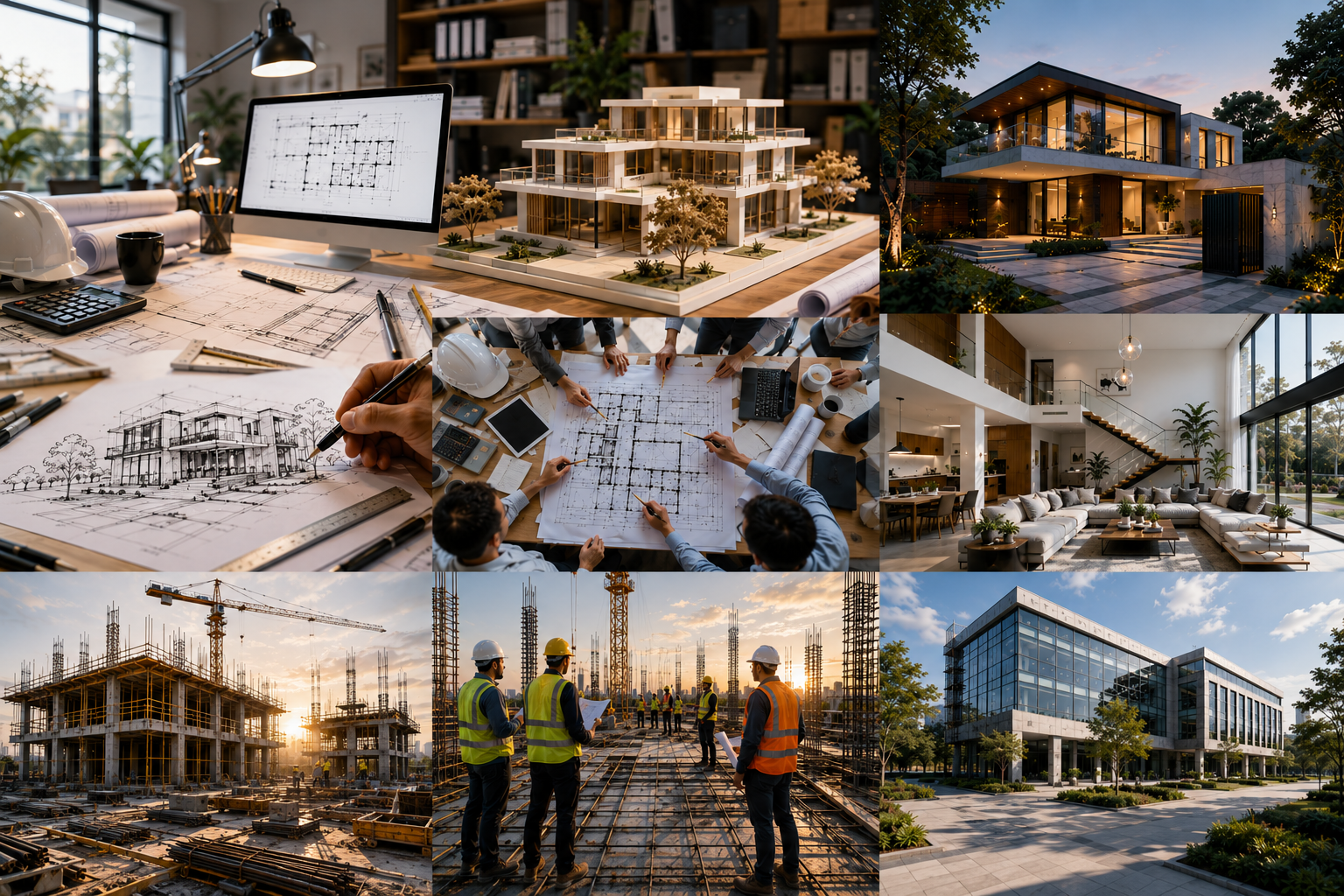


The commercial architecture landscape in India is undergoing a significant transformation. Architects, engineers, and construction professionals are increasingly turning to sustainable materials that reduce environmental impact while meeting modern building codes and client expectations. This shift isn't just about environmental responsibility—it's becoming a business imperative as green buildings command premium valuations and attract quality tenants./blog/how-to-make-sustainability-a-selling-point-not-a-compromise
India's construction industry generates approximately 540 million tonnes of construction and demolition waste annually. By adopting sustainable materials, professionals can significantly reduce this footprint while creating healthier, more efficient workspaces. Let's explore the ten sustainable materials that are reshaping commercial architecture across India right now.
1. Recycled Steel and Structural Steel
Steel remains one of India's most sustainable building materials, particularly when sourced from recycled content. Unlike concrete, steel can be recycled indefinitely without losing its properties. Indian cities like Bangalore, Mumbai, and Delhi are seeing increased adoption of recycled steel in commercial projects.
Why it matters: Recycled steel reduces embodied carbon by up to 50% compared to virgin steel. It's also 100% recyclable at end-of-life, making it a circular economy champion. The material is ideal for structural frames, facades, and interior partitions in commercial buildings.
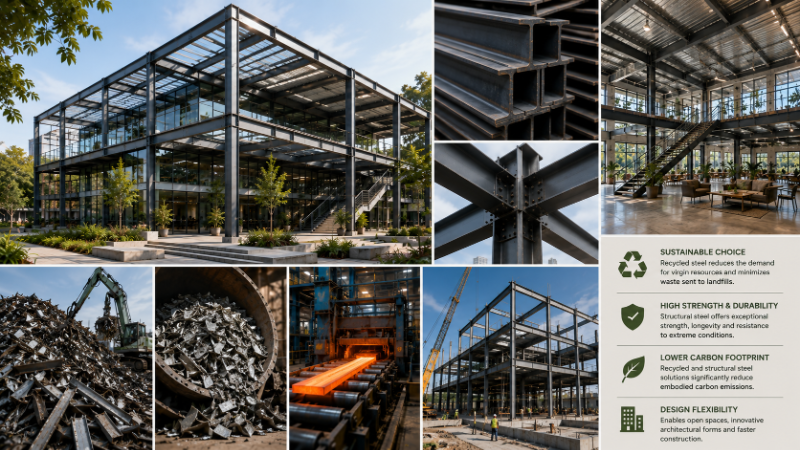
Cost considerations: Recycled steel typically costs between ₹45,000 to ₹55,000 per tonne in India, comparable to virgin steel but with significantly lower environmental impact. Premium green certifications often justify the investment through energy efficiency gains.
When sourcing materials for your commercial project, platforms like AECORD connect you with verified suppliers of sustainable steel who understand local market conditions and building regulations across major Indian cities.
Build cost · Bengaluru, May 2026
2. Cross-Laminated Timber (CLT)
Cross-laminated timber is emerging as a game-changer for mid-rise commercial buildings in India. This engineered wood product uses sustainably harvested timber in a cross-grain pattern, creating a material that's stronger than concrete in compression and significantly lighter.
Key advantages:
Sequesters carbon throughout the building's lifecycle
Faster construction timelines (30-40% reduction compared to concrete)
Excellent thermal properties reducing HVAC requirements
Aesthetic appeal for premium commercial spaces
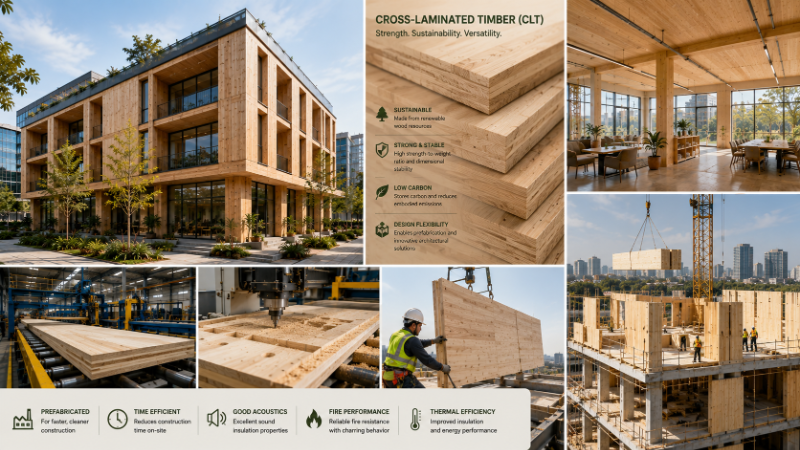
Indian applications: Progressive firms in Bangalore and Hyderabad are experimenting with CLT for office buildings and co-working spaces. While not yet mainstream, the material is gaining traction as architects seek alternatives to concrete-heavy construction.
Cost: CLT costs approximately ₹1,20,000 to ₹1,60,000 per cubic meter, higher than conventional materials but offset by reduced construction time and operational efficiencies.
3. Recycled Concrete Aggregates (RCA)
Instead of sending concrete waste to landfills, recycled concrete aggregates are being crushed and reused in new concrete mixes. This practice is gaining momentum across Indian construction sites, particularly in metro cities managing significant demolition waste.
Environmental impact: Using RCA reduces the demand for virgin aggregates, conserving natural resources and reducing transportation emissions. Concrete with 30-50% recycled aggregates performs comparably to conventional concrete while reducing embodied carbon by 20-30%.
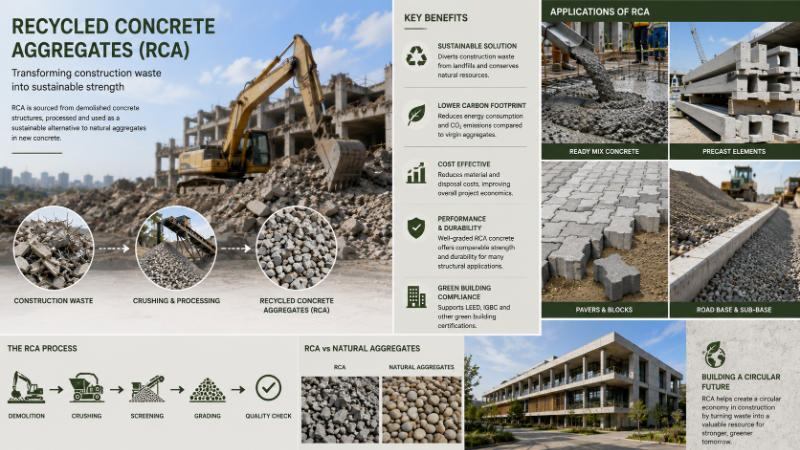
Regulatory support: The Indian Green Building Council (IGBC) and LEED certification programs actively encourage RCA usage. Many state governments now mandate recycled content percentages in public construction projects.
Performance: When properly sourced and processed, recycled concrete aggregates meet IS 383 standards. They're suitable for non-structural elements, pavements, and lower-grade concrete applications.
4. Hempcrete and Bio-Based Composites
Hempcrete—a mixture of hemp fibers, lime binder, and aggregate—is a lightweight, breathable material gaining attention in India's sustainable architecture community. It's particularly valuable for non-load-bearing walls and interior partitions.
Unique properties:
Negative carbon footprint (absorbs more CO2 than produced)
Excellent moisture regulation for interior comfort
Natural fire resistance properties
Supports local agricultural economies
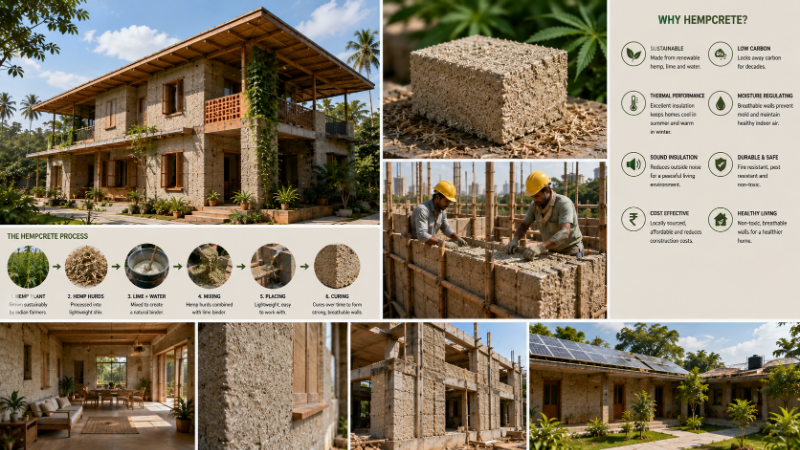
Current limitations: Hempcrete remains relatively expensive in India at ₹800-1,200 per square meter for walls, and finding skilled installers is challenging. However, pioneering projects in cities like Pune and Goa are establishing best practices.
For commercial projects exploring bio-based materials, AECORD's network includes specialists who can advise on feasibility, sourcing, and local regulatory compliance.
Frequently asked
5. Low-Carbon Concrete and Geopolymer Concrete
Conventional Portland cement production accounts for approximately 8% of global CO2 emissions. Low-carbon concrete alternatives using supplementary cementitious materials (SCMs) like fly ash and slag are transforming commercial construction in India.
Geopolymer advantages:
Reduces CO2 emissions by 50-80% compared to OPC concrete
Superior durability in harsh environments
Utilizes industrial waste streams (fly ash from thermal power plants)
Comparable or superior strength characteristics
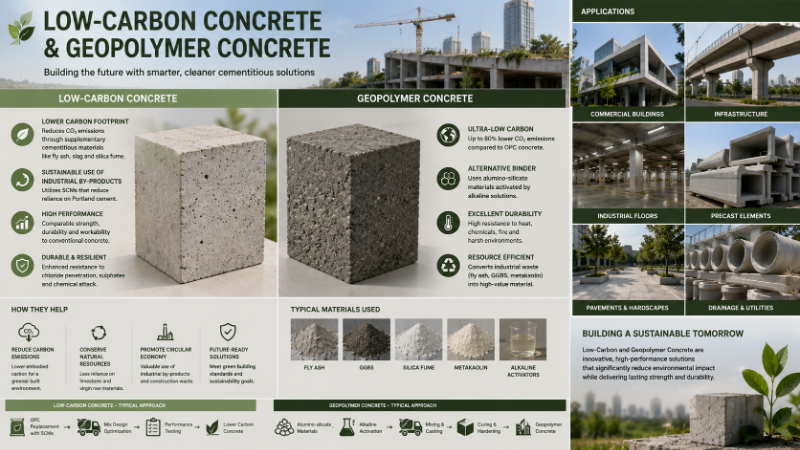
Indian adoption: Large commercial projects in Delhi, Bangalore, and Mumbai are incorporating geopolymer concrete in structural elements. The material is particularly suitable for commercial buildings in coastal areas where durability is critical.
Cost: Geopolymer concrete costs approximately 10-20% more than conventional concrete but delivers long-term savings through reduced maintenance and extended service life.
6. Recycled Plastic Lumber and Composites
India generates over 5 million tonnes of plastic waste annually. Recycled plastic lumber (RPL) transforms this waste into durable decking, cladding, and interior elements for commercial buildings.
Applications in commercial architecture:
Exterior decking and outdoor furniture
Interior wall cladding and partitions
Acoustic panels and soundproofing elements
Landscape edging and bollards
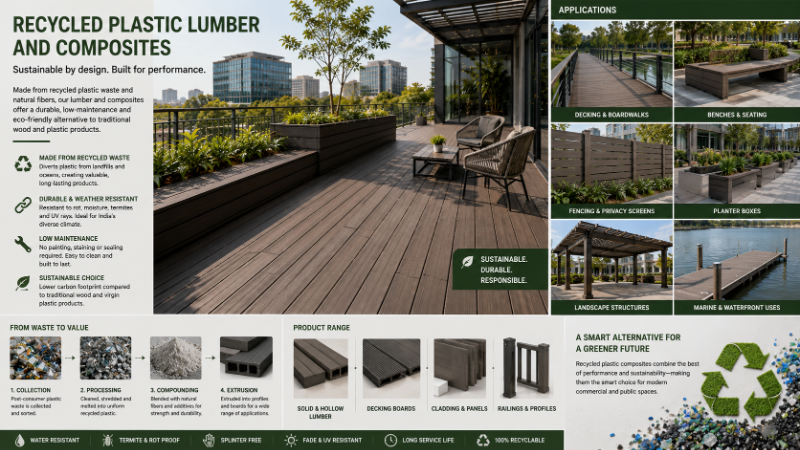
Performance characteristics: RPL doesn't rot, splinter, or require painting. It's resistant to termites and fungal growth—critical advantages in India's tropical climate. The material is fully recyclable at end-of-life.
Cost: Recycled plastic lumber costs ₹400-800 per linear meter, comparable to premium wood products but with significantly lower maintenance requirements.
7. Cork and Renewable Flooring Materials
Cork harvested from cork oak bark is a renewable, biodegradable material gaining popularity for commercial interiors. Unlike hardwood, cork harvesting doesn't require tree felling—the bark regenerates every 9-12 years.
Commercial benefits:
Excellent acoustic properties (ideal for offices and meeting spaces)
Natural thermal insulation reducing HVAC loads
Anti-microbial properties supporting health and wellness standards
Comfortable underfoot, reducing fatigue in high-traffic areas
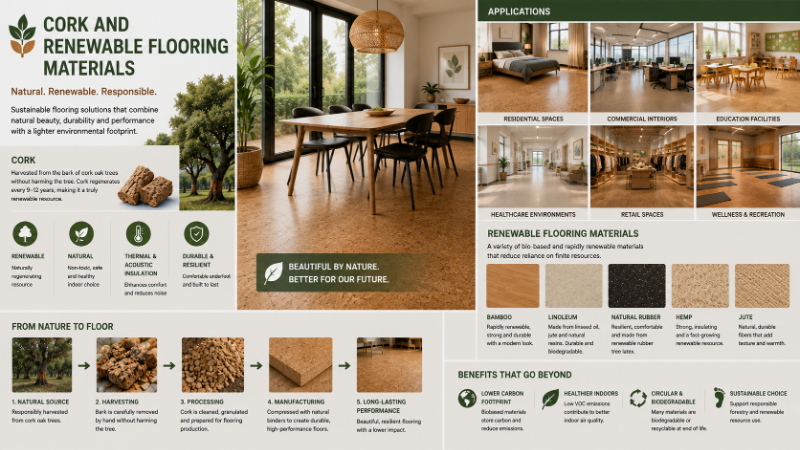
Indian market: Premium office spaces in Bangalore's tech corridor and Mumbai's financial district are increasingly specifying cork flooring. It's particularly valued in wellness-focused commercial projects.
Cost: Cork flooring ranges from ₹600-1,400 per square meter, positioning it as a mid-premium option for commercial interiors.
8. Recycled Glass and Glass Composites
Recycled glass is being transformed into stunning architectural elements and functional building materials. From aggregate in concrete to decorative cladding panels, recycled glass reduces landfill waste while creating visually striking commercial spaces.
Applications:
Terrazzo flooring with recycled glass aggregates
Glass brick and glass tiles for facades and interior walls
Glass-reinforced composites for lightweight structural elements
Decorative architectural panels
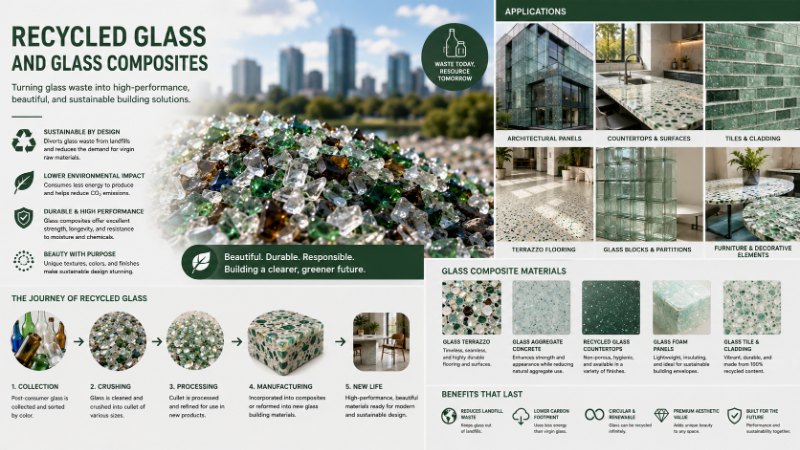
Aesthetic and environmental value: Recycled glass aggregates cost approximately ₹2,000-4,000 per tonne and create unique visual effects while diverting waste from landfills. Many architects in Hyderabad and Pune are using recycled glass in signature commercial projects.
9. Locally Sourced and Reclaimed Materials
India's architectural heritage offers a treasure trove of reclaimed materials. Salvaged brick, stone, wood, and terracotta from demolished buildings are being thoughtfully integrated into contemporary commercial architecture.
Why local sourcing matters:
Dramatically reduces transportation emissions (embodied carbon)
Supports local economies and craftspeople
Creates unique, contextual design narratives
Often more cost-effective than imported alternatives
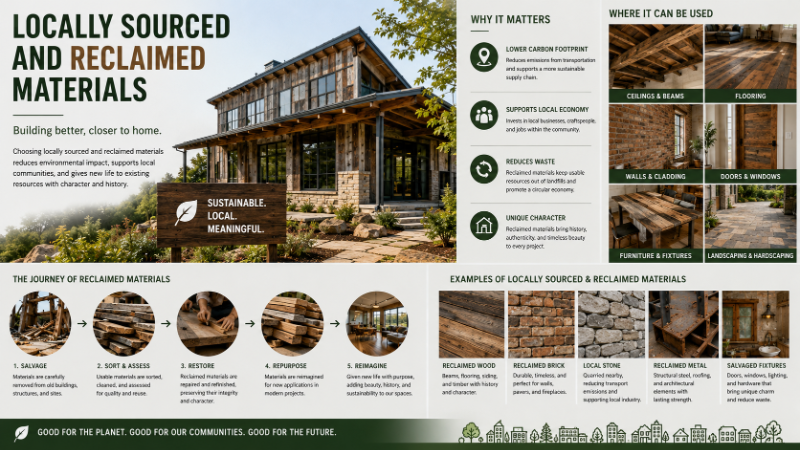
Regional examples: Commercial projects in Jaipur leverage local stone; Delhi projects incorporate reclaimed brick; Kolkata buildings feature salvaged terracotta. This approach honors regional building traditions while meeting modern sustainability standards.
Sourcing strategy: Finding quality reclaimed materials requires networks and expertise. Professional platforms like AECORD help architects and contractors connect with suppliers specializing in salvaged and locally sourced materials across different Indian regions.
10. Mycelium-Based Materials
At the cutting edge of sustainable innovation, mycelium-based materials—composites grown from fungal networks—are emerging as next-generation building materials. These materials are completely biodegradable, carbon-negative, and require minimal processing energy.
Current applications:
Acoustic and thermal insulation panels
Lightweight interior partitions
Decorative wall panels and cladding
Packaging and protective elements
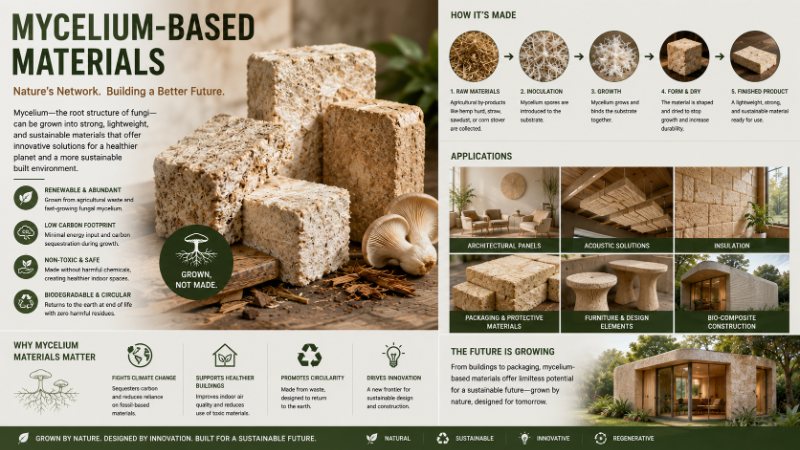
Market maturity: While still largely experimental in India, pioneering architects in Bangalore are incorporating mycelium panels in innovative commercial projects. As production scales, costs are expected to decrease significantly.
Sustainability profile: Mycelium materials require no toxic chemicals, grow in weeks rather than years, and completely biodegrade at end-of-life. They represent the future of truly circular architecture.
Implementation Strategies for Commercial Projects
Integrated Design Approach
Successful sustainable material adoption begins during the design phase. Architects should collaborate with structural engineers, environmental consultants, and contractors to evaluate material options holistically. Consider embodied carbon, operational efficiency, local availability, and long-term maintenance requirements.
Regulatory Compliance and Certifications
India's building codes are increasingly incorporating sustainability requirements. Projects targeting IGBC Platinum or LEED certifications must meet specific material standards. Understanding local regulations in your city—whether Bangalore's building bylaws, Mumbai's coastal regulations, or Delhi's pollution control measures—is essential.
Cost-Benefit Analysis
While sustainable materials sometimes cost more upfront, comprehensive lifecycle cost analysis typically shows long-term savings through reduced operational expenses, lower maintenance, and premium property valuations. Many commercial tenants willingly pay 10-15% premium for LEED-certified or green-certified spaces.
Supply Chain Development
India's sustainable materials supply chain is still developing. Building relationships with reliable suppliers, establishing quality standards, and creating consistent demand helps stabilize prices and improve availability. Connecting with industry peers through professional networks accelerates learning and best practice sharing.
Overcoming Implementation Challenges
Knowledge Gaps
Many architects and contractors lack experience with newer sustainable materials. This is changing rapidly as professional development programs, case studies, and industry conferences increasingly focus on green building practices. Engaging with specialists early in projects helps mitigate risks.
Supply Chain Constraints
Some sustainable materials remain difficult to source in certain Indian regions. Strategic planning, early supplier engagement, and willingness to work with alternatives ensures project timelines aren't compromised.
Cost Premiums
While sustainable materials sometimes cost more initially, demonstrating long-term value to clients through detailed lifecycle cost analysis helps justify investments. As demand increases and supply chains mature, costs continue to decrease.
The Future of Sustainable Materials in Indian Commercial Architecture
India's construction industry is at an inflection point. Increasing environmental awareness, stricter building codes, and client demand for sustainable spaces are driving rapid innovation and adoption of green materials. The next five years will likely see:
Significant cost reductions in emerging materials like CLT and mycelium composites
Improved local supply chains for recycled materials and low-carbon concrete
Regulatory mandates requiring minimum recycled content in public construction
Integration of circular economy principles in building design and operation
Commercial real estate developers and architects who embrace sustainable materials now will gain competitive advantages in attracting tenants, achieving premium valuations, and building lasting reputation for environmental stewardship.
Finding the Right Professionals for Your Project
Implementing sustainable materials successfully requires expertise across architecture, engineering, construction, and material sourcing. Whether you're designing a new commercial complex in Bangalore, retrofitting an office building in Mumbai, or planning a mixed-use development in Delhi, connecting with specialists who understand both sustainable materials and local market conditions is critical.
AECORD's B2B2C marketplace connects commercial developers, architects, and contractors with verified professionals specializing in sustainable construction practices. From material suppliers to structural engineers experienced with low-carbon concrete, from architects pioneering CLT construction to contractors managing recycled material supply chains—AECORD helps you build the right team for your project.
Ready to incorporate sustainable materials into your next commercial project? Explore AECORD's network of AECO professionals who specialize in green building practices, material sourcing, and sustainable construction across India. Connect with specialists in your city, compare expertise, and build projects that are both profitable and planet-positive.
Frequently Asked Questions
What are the most sustainable materials used in commercial architecture in India?
The top sustainable materials reshaping Indian commercial architecture include recycled steel, cross-laminated timber (CLT), recycled concrete aggregates, and other eco-friendly alternatives. These materials reduce embodied carbon, support circular economy principles, and help buildings achieve green certifications while meeting modern building codes.
How much can recycled steel reduce carbon emissions compared to virgin steel?
Recycled steel reduces embodied carbon by up to 50% compared to virgin steel while maintaining the same structural properties. It's also 100% recyclable at end-of-life, making it an ideal choice for sustainable commercial projects in India.
Is cross-laminated timber (CLT) suitable for commercial buildings in India?
Yes, CLT is emerging as a viable option for mid-rise commercial buildings in India, offering 30-40% faster construction timelines and excellent thermal properties. Progressive firms in Bangalore and Hyderabad are increasingly adopting CLT for office buildings and co-working spaces.
What is the cost difference between sustainable and conventional building materials in India?
Recycled steel costs ₹45,000-₹55,000 per tonne (comparable to virgin steel), while CLT costs ₹1,20,000-₹1,60,000 per cubic meter. Though higher upfront, these sustainable materials are offset by reduced construction time, energy efficiency gains, and premium valuations for green buildings.
How much construction and demolition waste does India generate annually?
India's construction industry generates approximately 540 million tonnes of construction and demolition waste annually. Adopting sustainable materials like recycled concrete aggregates and recycled steel significantly reduces this environmental footprint while creating healthier workspaces.