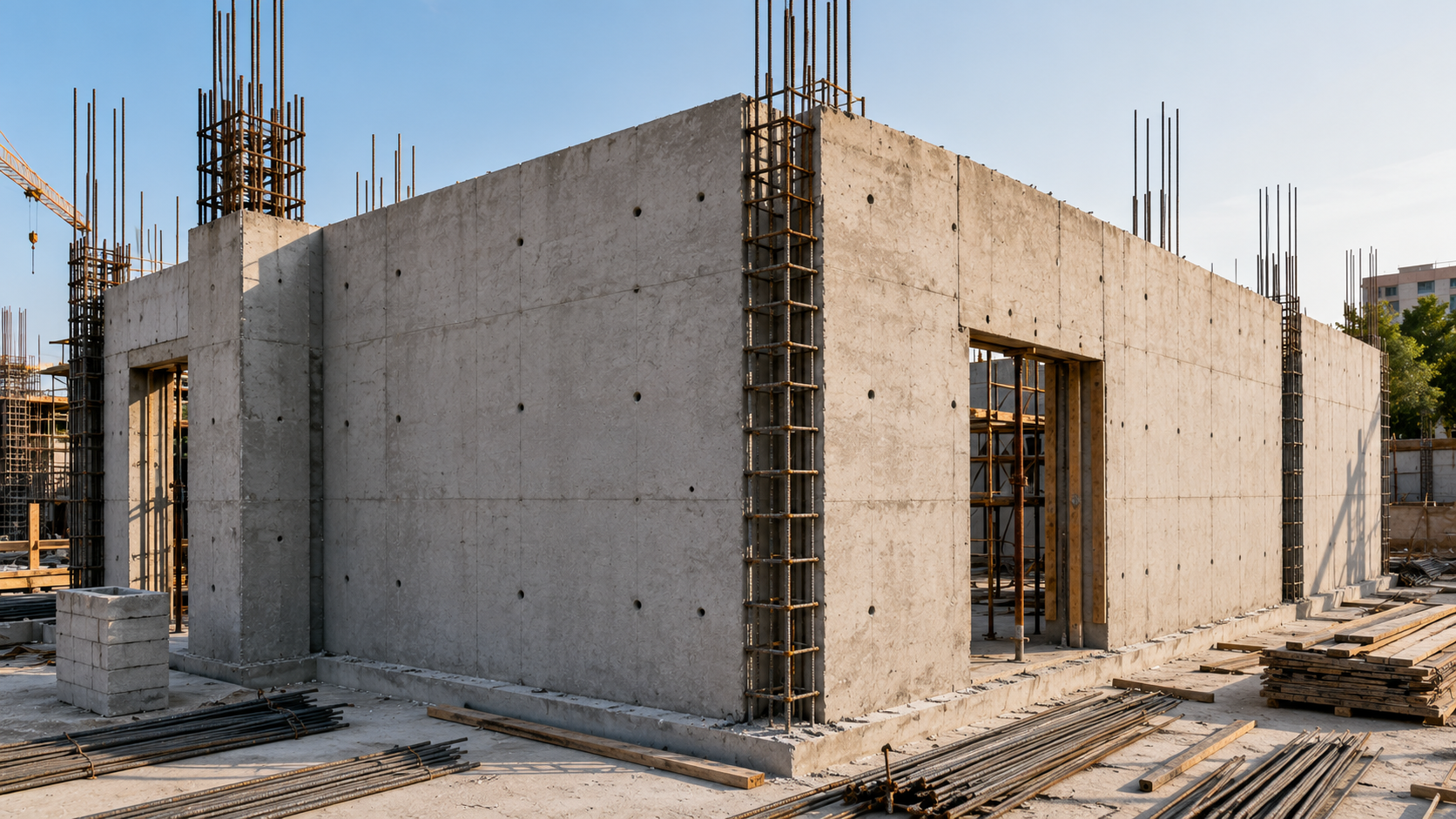


Understanding the Roles: Architect vs Civil Engineer
In the world of architecture, engineering, construction, and operations (AECO), two professions often come into the spotlight: architects and civil engineers. Both play critical roles in designing, planning, and building structures, but their expertise and responsibilities differ significantly. In this article, we will delve into the differences between architects and civil engineers in India, providing insights on their roles, educational requirements, regulations, costs, and the benefits of working with professionals in AECORD.
Build cost · Bengaluru, May 2026
Roles and Responsibilities
Architects
An architect is a professional who designs buildings and structures, focusing on aesthetics, functionality, and safety. They create detailed plans of buildings that adhere to local regulations and standards. In India, architects are registered with the Council of Architecture (CoA). They collaborate closely with clients, engineers, contractors, and other stakeholders to bring their vision to life.
Civil Engineers
A civil engineer designs, constructs, and maintains infrastructure like roads, bridges, buildings, and water supply systems. They are registered with the Indian Institute of Engineers (IIE). Unlike architects, civil engineers focus on the structural integrity and functionality of projects rather than aesthetics.
Frequently asked
Educational Requirements
Architects
To become an architect in India, one must complete a 5-year Bachelor of Architecture (B.Arch) degree. After graduation, architects need to pass the Architectural Examination conducted by the CoA and obtain a registration certificate.
Civil Engineers
Becoming a civil engineer requires completing a 4-year Bachelor of Technology (B.Tech) or Bachelor of Science (B.Sc.) degree in Civil Engineering. After graduation, civil engineers must pass the Professional Competence Examination (PCE) conducted by the IIE and obtain a registration certificate.
Regulations and Standards
Both architects and civil engineers must adhere to local building codes and regulations. In India, the National Building Code of India is a crucial reference document for both professions. Architects must ensure their designs comply with aesthetic standards, while civil engineers focus on structural safety and compliance with engineering regulations.
Costs in India
The cost of hiring an architect or a civil engineer varies based on the project scope, location in India, and complexity. In major cities like Mumbai, Chennai, and Bangalore, the cost can range from INR 50,000 to INR 200,000 per square meter for architectural services. Civil engineering projects typically cost between INR 1,500 to INR 3,000 per square meter.
Key Differences
Focus: Architects focus on aesthetics and interior design, while civil engineers focus on structural integrity and functionality.
Education: Architects typically have a 5-year B.Arch degree, while civil engineers have a 4-year B.Tech or B.Sc. in Civil Engineering.
Regulations: Both professions adhere to local building codes, but architects also ensure designs meet aesthetic standards.
Benefits of Working with AECORD Professionals
AECORD, India's B2B2C marketplace for architecture, engineering, construction, and operations professionals, connects clients with skilled architects and civil engineers. By using AECORD, you can:
Access a wide pool of experienced professionals.
Compare services and costs to make informed decisions.
Get personalized quotes and recommendations based on your project requirements.
Conclusion
While architects and civil engineers both play vital roles in the AECO industry, their expertise and responsibilities differ significantly. Architects focus on aesthetics and interior design, while civil engineers focus on structural integrity and functionality. Understanding these differences can help clients choose the right professional for their projects.
To find top-notch architects and civil engineers in India, visit AECORD today. Our platform connects you with experienced professionals who can bring your vision to life and ensure your projects meet the highest standards of quality and safety.
Find professionals on AECORD