

The Art of Courtyard Living: South Indian Architectural Heritage and Modern Design
South India's architectural landscape tells a story of centuries-old wisdom meeting contemporary living needs. From the bustling streets of Bangalore and Hyderabad to the serene backwaters of Kerala, courtyards have remained the beating heart of South Indian homes. These open-air spaces aren't merely aesthetic additions—they're functional elements that define how families live, work, and connect with their environment.
The resurgence of courtyard-centric design in modern South Indian architecture represents a fascinating blend of tradition and innovation. As urbanization accelerates and homeowners seek sustainable, climate-responsive solutions, architects across the region are rediscovering the principles that made these spaces essential for centuries.
Build cost · Bengaluru, May 2026
Understanding the South Indian Courtyard Tradition
Historical Significance and Cultural Roots
Courtyards have been integral to South Indian architecture since ancient times. In traditional Tamil, Telugu, Kannada, and Malayalam homes, the central courtyard—known locally as "angana" in Tamil or "suva" in Kannada—served multiple purposes. It provided natural ventilation, natural light, and a semi-private gathering space that connected the family while maintaining privacy from the street.
The traditional South Indian home, whether a sprawling mansion or modest dwelling, was designed with the courtyard as its organizing principle. This layout reflects deeper cultural values: the importance of family unity, respect for nature, and a holistic approach to living that considers climate, health, and social interaction simultaneously.
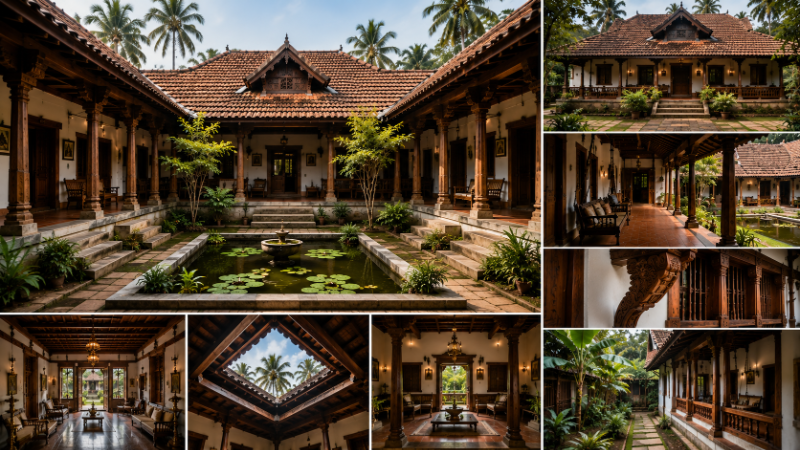
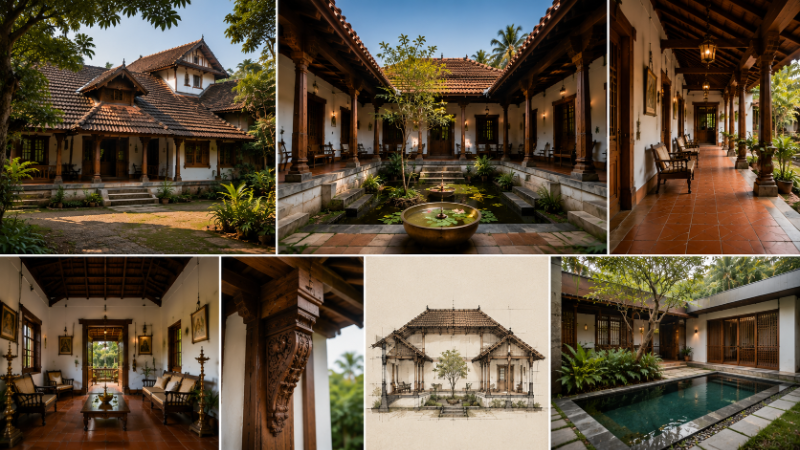
In cities like Chennai, Mysore, and Kochi, you can still find heritage homes with magnificent courtyards featuring intricate tile work, decorative pillars, and central water features. These spaces were particularly crucial in the pre-air conditioning era, as they enabled natural cross-ventilation and reduced indoor temperatures by 3-5 degrees Celsius compared to homes without courtyards.
Regional Variations Across South India
Each South Indian state has developed its own courtyard traditions based on local climate, available materials, and cultural practices:
Tamil Nadu: Features "nalukettu" style homes with multiple courtyards, often with decorated pillars and traditional kolam patterns adorning the courtyard floors
Kerala: The iconic "nalukettu" (four-part house) incorporates a central courtyard with sloping tiled roofs designed to handle heavy monsoon rainfall
Karnataka: Showcases homes with courtyards featuring traditional arches and jali work, particularly in heritage areas of Bangalore and Mysore
Telangana and Andhra Pradesh: Displays courtyards with distinctive architectural elements reflecting the region's historical trade connections and cultural synthesis
Frequently asked
Climate-Responsive Design: Why Courtyards Matter in South India
Natural Ventilation and Thermal Comfort
South India's tropical and subtropical climate presents specific challenges: high temperatures, significant humidity, and intense solar radiation. Traditional courtyards were engineered solutions to these environmental conditions long before modern HVAC systems existed.
A well-designed courtyard creates what architects call the "stack effect"—hot air rises and exits through openings in the upper portions of surrounding walls, while cooler air is drawn in from ground-level openings. In cities like Hyderabad, where summer temperatures regularly exceed 40°C, this passive cooling mechanism can reduce the need for air conditioning by 30-40%, resulting in significant energy savings and lower electricity bills.
The courtyard also acts as a thermal buffer, absorbing heat during the day and releasing it slowly at night, moderating temperature fluctuations throughout the day. Strategic landscaping within the courtyard—with trees, water features, and vegetation—further enhances this cooling effect through evaporative cooling.
Natural Light and Reduced Energy Consumption
A central courtyard allows natural light to penetrate deep into the home, reducing dependence on artificial lighting during daylight hours. For a typical 3,000 sq ft South Indian home with a well-proportioned courtyard, this can reduce daytime electricity consumption by 40-50%.
The psychological benefits are equally important. Homes with access to natural light and views of greenery report higher occupant satisfaction and better mental health outcomes—factors that modern homeowners increasingly value.
Modern South Indian Homes: Reinterpreting the Courtyard
Contemporary Design Principles
Today's South Indian architects are reimagining courtyards for modern living while respecting traditional principles. Contemporary courtyard designs in Bangalore, Pune, and Chennai incorporate:
Multi-functional spaces: Courtyards designed for yoga, meditation, children's play, and entertaining guests
Water management: Integrated rainwater harvesting systems that channel monsoon water into underground tanks or decorative water features
Flexible boundaries: Retractable glass walls or sliding doors that allow the courtyard to function as an extension of interior spaces during pleasant weather
Sustainable landscaping: Native plant species that require minimal water and maintenance
Smart technology integration: Automated irrigation systems, weather-responsive shading, and integrated lighting
A notable example is the growing trend of "pocket courtyards" in urban apartments across Bangalore and Hyderabad. These smaller versions of traditional courtyards—sometimes just 100-150 sq meters—serve apartment complexes, providing common areas that foster community connection while maintaining the cooling and lighting benefits of larger courtyards.
Facade Design and Visual Identity
The exterior facade of a South Indian home serves as its first statement. Modern interpretations maintain traditional elements while incorporating contemporary materials and techniques:
Jali work and perforated screens: Traditional lattice patterns are being reinterpreted using modern materials like metal and composite screens. These serve both aesthetic and functional purposes—allowing air circulation and filtered light while maintaining privacy. In Bangalore's upscale neighborhoods, contemporary homes feature laser-cut metal jalis that reference traditional patterns.
Material choices: While traditional homes used laterite, granite, and timber, modern South Indian homes blend these materials with glass, steel, and concrete. This creates facades that honor tradition while meeting contemporary durability and maintenance standards.
Color and texture: The warm ochres, terracottas, and earth tones traditional to South Indian architecture are experiencing a revival. These colors reflect heat better than darker alternatives, contributing to the home's thermal performance—a practical advantage that also delivers aesthetic appeal.
Tropical Escapes: Vacation Homes and Resort-Style Living
Courtyard Living in Coastal and Hill Stations
South India's tropical destinations—Kerala's backwaters, Goa's beaches, and the Western Ghats' hill stations—have inspired a new category of residential architecture: the tropical escape home.
These properties, often second homes or vacation retreats, embrace courtyard principles while adapting to their specific environments. In Kerala, homeowners are designing properties with courtyards that incorporate water features reflecting the region's aquatic landscape. Prices for such properties range from ₹50 lakhs for modest 1,000 sq ft homes to ₹5+ crores for luxury estates.
In Goa and Karnataka's coastal regions, courtyards are designed with open-to-sky roofs and minimal walls, creating spaces that blur the boundary between indoors and outdoors. These homes typically feature:
Elevated construction to handle flooding and moisture
Extensive use of natural materials like coconut wood and coir
Courtyards with native tropical plants and water features
Outdoor kitchens and dining areas within or adjacent to courtyards
Sustainability in Tropical Home Design
Tropical vacation homes increasingly incorporate sustainable features that reduce environmental impact while enhancing the experience:
Water conservation: Rainwater harvesting systems capture monsoon rainfall for use in irrigation and water features
Waste management: Composting systems for organic waste and recycling facilities for other materials
Energy generation: Solar panels integrated into roof designs or positioned to capture sunlight without compromising aesthetics
Native landscaping: Using local plant species that thrive without additional irrigation or chemical inputs
The cost of implementing these sustainable features typically adds 15-25% to the overall project cost but results in 40-60% reduction in operational expenses over the home's lifetime.
Practical Considerations for South Indian Courtyard Homes
Climate-Specific Design Strategies
Designing an effective courtyard requires understanding local climate patterns:
Monsoon management: South India's monsoon season (June-September in most regions) brings heavy rainfall. Courtyards must have proper drainage systems to prevent water accumulation. Sloped surfaces, underground drainage pipes, and sump pits are essential. Typical costs for comprehensive drainage systems range from ₹1-3 lakhs depending on courtyard size.
Wind patterns: Understanding prevailing wind directions helps position courtyard openings to maximize natural ventilation. In coastal areas, courtyards should be designed to catch sea breezes while protecting from salt spray.
Sun exposure: The sun's path varies throughout the year. Strategic placement of trees, pergolas, and shade structures can reduce peak summer heat while allowing winter sun to warm the home.
Maintenance and Long-term Care
Courtyards require regular maintenance to function effectively and remain attractive:
Drainage cleaning: Monthly inspection and cleaning of drainage systems, especially before monsoon season
Landscaping: Regular pruning, watering, and pest management for plants
Surface maintenance: Periodic cleaning and resealing of stone or tile surfaces
Water features: Regular cleaning and treatment of fountains or water pools to prevent algae growth and mosquito breeding
Budget approximately ₹5,000-15,000 monthly for professional courtyard maintenance, depending on size and complexity.
Finding the Right Professionals for Your South Indian Home
Expertise You Need
Creating a successful courtyard home requires collaboration among multiple professionals:
Architects: Specializing in South Indian vernacular architecture and climate-responsive design
Structural engineers: Understanding local soil conditions, seismic requirements, and rainfall patterns
Landscape designers: Familiar with native South Indian plants and tropical gardening
MEP engineers: Experienced in designing drainage, water management, and electrical systems for courtyard homes
Construction contractors: With proven experience building courtyard homes in your specific region
When searching for these professionals, prioritize those with a portfolio of completed courtyard projects in South India. Experience with local regulations, materials, and climate conditions is invaluable.
Budget Planning for Courtyard Homes
Construction costs for courtyard homes in South India vary significantly by location and specifications:
Bangalore/Hyderabad: ₹1,500-2,500 per sq ft for quality construction
Chennai/Kochi: ₹1,200-2,000 per sq ft
Tier-2 cities: ₹800-1,500 per sq ft
Courtyard homes typically cost 10-15% more than conventional layouts due to additional structural requirements and specialized design. However, long-term savings in energy consumption and maintenance often offset this premium within 5-7 years.
The Future of South Indian Residential Architecture
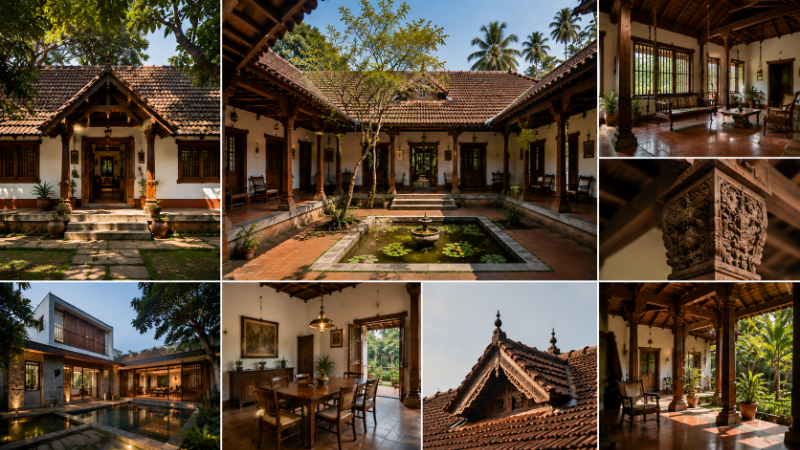
As climate change intensifies and energy costs rise, courtyard-based design is experiencing a renaissance across South India. Progressive architects in Bangalore, Hyderabad, and Chennai are pushing boundaries with innovative interpretations that honor tradition while embracing modernity.
The integration of smart home technology with traditional courtyard design represents the next frontier. Imagine automated shading systems that respond to temperature and sunlight, smart irrigation that adjusts to weather patterns, and climate monitoring systems that optimize ventilation—all while maintaining the timeless appeal of a traditional courtyard.
Urban renewal projects across South Indian cities are increasingly incorporating courtyard principles into multi-unit residential complexes, recognizing that these spaces enhance quality of life and reduce operational costs.
Conclusion: Bringing Tradition Home
The South Indian courtyard represents far more than an architectural feature—it's a philosophy of living that prioritizes family, sustainability, and harmony with nature. Whether you're designing a new home, renovating an existing property, or seeking a tropical escape, courtyard-centric design offers practical benefits alongside aesthetic and cultural value.
The professionals you choose will significantly impact your project's success. When building or renovating a courtyard home in South India, look for architects, engineers, and contractors who understand both the technical requirements and the cultural significance of these spaces. On AECORD, you can connect with experienced architects and builders across South India who specialize in courtyard and tropical home design. Browse portfolios, read reviews from previous clients, and find professionals who share your vision for creating a home that honors tradition while meeting contemporary needs.
Your South Indian home deserves more than generic design—it deserves professionals who understand the region's unique climate, culture, and architectural heritage. Start your search on AECORD today and discover the architects and builders creating tomorrow's courtyard homes while celebrating yesterday's wisdom. Whether you're in Bangalore, Chennai, Hyderabad, Kochi, or any other South Indian city, AECORD connects you with the right professionals to bring your architectural vision to life.
Frequently Asked Questions
What is a South Indian courtyard called and what was its original purpose?
South Indian courtyards are known as 'angana' in Tamil or 'suva' in Kannada. Originally, these central open-air spaces served multiple purposes including providing natural ventilation, natural light, and semi-private gathering areas for families while maintaining privacy from the street.
How much can a courtyard reduce cooling costs in South Indian homes?
A well-designed courtyard can reduce the need for air conditioning by 30-40% in South Indian cities with high temperatures like Hyderabad. Traditional courtyards also reduced indoor temperatures by 3-5 degrees Celsius compared to homes without courtyards, even before modern cooling systems existed.
What are the regional differences in South Indian courtyard design?
Each South Indian state has unique courtyard traditions: Tamil Nadu features decorated pillars and kolam patterns, Kerala's nalukettu homes have sloping roofs for monsoon handling, Karnataka showcases traditional arches and jali work, while Telangana and Andhra Pradesh display courtyard elements reflecting historical trade connections.
How do courtyards provide natural ventilation in South Indian homes?
Courtyards create a 'stack effect' where hot air rises and exits through upper wall openings while cooler air enters from ground-level openings. This passive cooling mechanism was an engineered solution to South India's tropical climate challenges long before modern HVAC systems were invented.
Why are architects reviving courtyard design in modern South Indian homes?
As urbanization increases and homeowners seek sustainable, climate-responsive solutions, architects are rediscovering courtyard principles that provide natural ventilation, thermal comfort, and family gathering spaces while reducing energy consumption and supporting environmental sustainability.