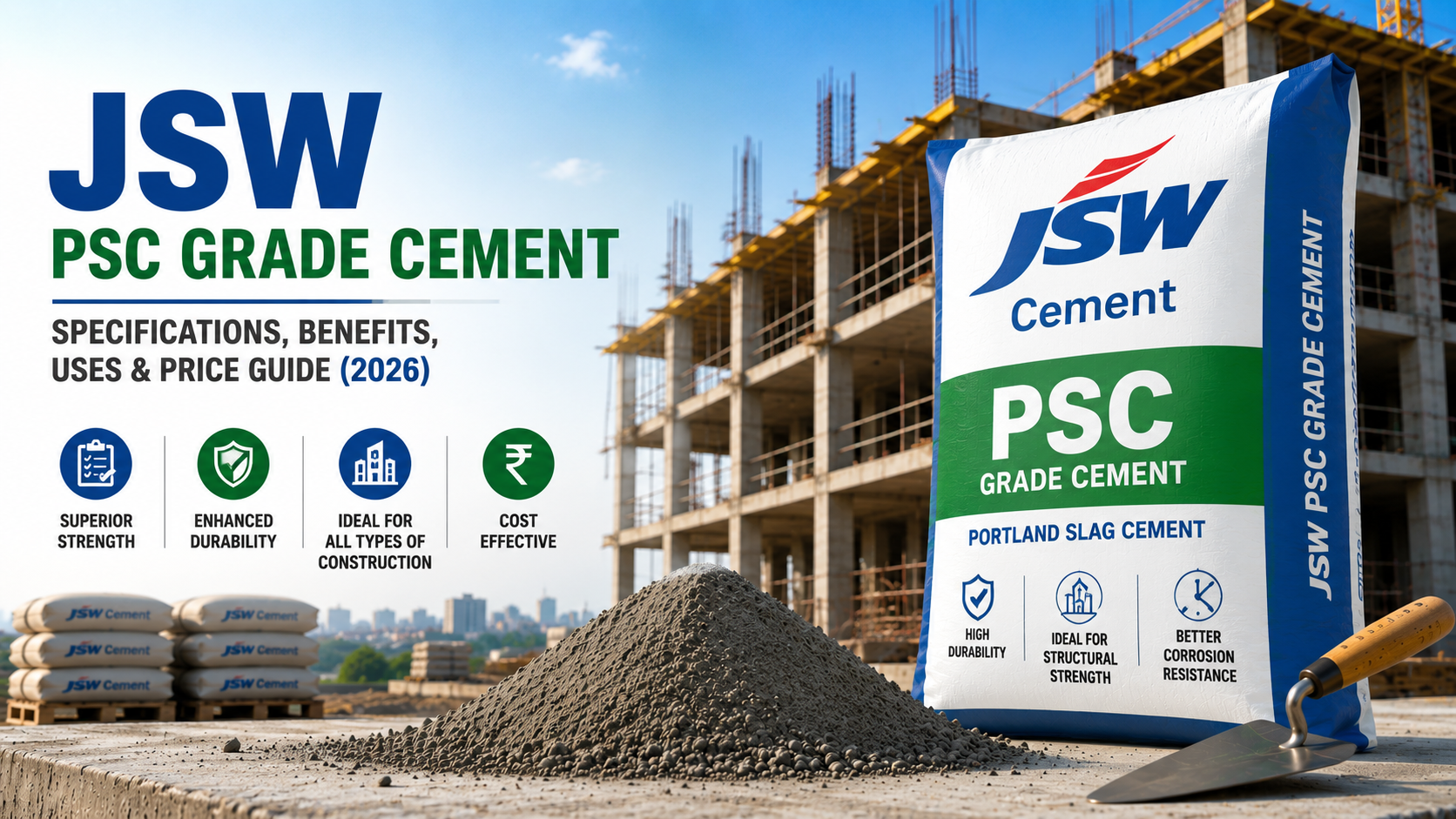


Ramco Supergrade PPC Grade Cement: A Complete Guide to Quality Construction Materials
When it comes to construction in India, the choice of cement is one of the most critical decisions that architects, engineers, and contractors must make. Among the various options available in the market, Ramco Supergrade PPC (Portland Pozzolana Cement) Grade cement in polythene bags has emerged as a trusted choice for professionals across the country. This comprehensive guide will help you understand everything about this cement variant, its applications, and why it matters for your construction projects./blog/ppc-vs-opc-cement-which-is-better-for-house-construction-in-india
Build cost · Bengaluru, May 2026
Understanding Ramco Supergrade PPC Cement
What is PPC Cement?
Portland Pozzolana Cement (PPC) is a blended cement that combines Portland cement clinker with pozzolanic materials like fly ash. Ramco Supergrade PPC is manufactured by Ramco Cements Limited, one of India's leading cement producers with plants across Tamil Nadu, Andhra Pradesh, and Karnataka. The addition of pozzolanic materials offers several advantages over ordinary Portland cement (OPC), including improved durability, better sulfate resistance, and reduced heat of hydration.
The PPC grade cement is particularly beneficial for construction projects in India where environmental conditions can be harsh. Whether you're working on residential buildings in Mumbai, commercial complexes in Bangalore, or infrastructure projects in Delhi, PPC cement provides reliable performance.
Key Characteristics of Ramco Supergrade PPC
Compressive Strength: Ramco Supergrade PPC offers excellent compressive strength, meeting IS 1489 standards. The cement develops strength gradually, which is ideal for large pours and massive structures.
Durability: The pozzolanic content enhances durability, making it suitable for structures exposed to water, chemicals, and varying weather conditions.
Heat of Hydration: Lower heat generation during hydration makes it perfect for mass concrete applications and thick sections.
Workability: PPC cement provides better workability and finishability compared to OPC, reducing water demand.
Environmental Benefits: By incorporating fly ash, PPC cement reduces carbon emissions and supports sustainable construction practices.
Frequently asked
Specifications and Standards
IS 1489-1991 Compliance
Ramco Supergrade PPC Grade cement complies with Indian Standard IS 1489-1991 (Revised 2015), which specifies the requirements for PPC. This certification ensures that the cement meets rigorous quality standards set by the Bureau of Indian Standards (BIS).
The cement is tested for various parameters including:
Fineness (specific surface area)
Soundness (Le Chatelier's expansion)
Setting time (initial and final)
Compressive strength at 3, 7, and 28 days
Chemical composition and loss on ignition
Polythene Bag Packaging
The reference to polythene bag indicates the specific packaging format of Ramco Supergrade PPC. The cement is typically available in 50 kg bags, which is the standard packaging size across India. The polythene bag packaging offers several advantages:
Moisture Protection: Polythene bags protect the cement from moisture absorption, which can reduce its binding properties.
Easy Handling: 50 kg bags are convenient for manual handling at construction sites across Indian cities.
Storage Convenience: Bags can be stacked efficiently in warehouses and on-site storage areas.
Quality Assurance: Each bag is marked with manufacturing date, batch number, and expiry information for traceability.
Applications of Ramco Supergrade PPC Cement
Residential Construction
For residential projects in urban centers like Pune, Hyderabad, and Chennai, Ramco Supergrade PPC is an excellent choice. It provides the durability and strength needed for multi-story apartment complexes while offering better workability for skilled and semi-skilled labor. The cement's lower heat of hydration is particularly beneficial for large concrete pours in building foundations.
Commercial and Industrial Projects
Commercial buildings, shopping malls, and industrial structures benefit from PPC cement's superior durability and resistance to chemical attack. In industrial areas around Ahmedabad and Surat, where exposure to chemical environments is common, Ramco Supergrade PPC provides enhanced protection against deterioration.
Infrastructure and Hydraulic Structures
For dams, bridges, water treatment plants, and other hydraulic structures, PPC cement is the preferred choice. Its resistance to sulfate attack and reduced heat generation make it ideal for massive concrete sections. Projects across the Deccan Plateau and coastal regions benefit significantly from these properties.
Repair and Rehabilitation
When repairing aging concrete structures in cities like Kolkata and Jaipur, PPC cement offers better compatibility with existing concrete and improved durability for long-term performance.

Cost Considerations in the Indian Market
Pricing Structure
As of 2024, Ramco Supergrade PPC cement is priced competitively in the Indian market. A 50 kg bag typically costs between ₹400 to ₹550, depending on your location and current market conditions. Prices vary across regions:
Northern India (Delhi, NCR): ₹480-550 per bag
Western India (Mumbai, Gujarat): ₹420-500 per bag
Southern India (Bangalore, Chennai): ₹400-480 per bag
Eastern India (Kolkata): ₹450-520 per bag
Bulk Purchase Benefits
For large construction projects, bulk purchases can result in better pricing. A typical residential project requiring 100 bags might see a 5-10% discount, while large infrastructure projects could negotiate even better rates. It's advisable to get quotes from multiple suppliers and compare prices before finalizing orders.
Quality Assurance and Testing
Manufacturing Process
Ramco Cements maintains strict quality control at every stage of manufacturing. The pozzolanic materials (primarily fly ash from thermal power plants) are carefully selected and processed to ensure consistent quality. The cement clinker is ground with these materials under controlled conditions to achieve the desired fineness and strength characteristics.
Third-Party Testing
Independent testing laboratories across India regularly test Ramco Supergrade PPC to verify compliance with IS standards. When purchasing cement for significant projects, it's recommended to request test certificates from the supplier. These certificates should include:
Compressive strength test results
Setting time measurements
Soundness test data
Chemical composition analysis
BIS certification details
Advantages Over Other Cement Types
PPC vs. OPC (Ordinary Portland Cement)
While OPC is stronger in the short term, PPC offers better long-term durability and is more suitable for most construction applications in India. PPC also produces less heat during hydration, making it better for large concrete sections. For projects in coastal areas like Goa or Kochi, PPC's superior resistance to chloride penetration is a significant advantage.
PPC vs. PSC (Portland Slag Cement)
Both PPC and PSC are blended cements with similar benefits. However, PPC uses fly ash as the pozzolanic material, while PSC uses blast furnace slag. In many parts of India where thermal power plants are prevalent, PPC is more readily available and often more economical.
Best Practices for Using Ramco Supergrade PPC Cement
Storage and Handling
Proper storage is crucial for maintaining cement quality:
Store bags in a dry location away from moisture and humidity
Keep bags off the ground using wooden pallets or platforms
Ensure good ventilation in storage areas to prevent moisture accumulation
Use bags in FIFO (First In, First Out) order based on manufacturing dates
Check bags for damage or tears before use
Avoid storing cement for more than 3 months; use fresh stock regularly
Mixing and Application
For optimal results with Ramco Supergrade PPC:
Water-Cement Ratio: Maintain proper W/C ratio (typically 0.45-0.55 for most applications) to achieve desired strength and workability
Mixing Time: Ensure adequate mixing time (3-5 minutes in mechanical mixers) for uniform distribution
Curing: Cure concrete for at least 7 days with water sprinkling, especially in hot and dry climates
Temperature: Avoid using cement in extremely cold conditions (below 5°C) as it slows hydration
Environmental and Sustainability Aspects
Ramco Supergrade PPC cement aligns with India's sustainability goals. By incorporating fly ash from thermal power plants, it reduces the demand for raw limestone and clay, thereby minimizing environmental impact. The manufacturing process also produces lower CO2 emissions compared to OPC production.
For architects and engineers committed to green building practices, using PPC cement helps achieve LEED or IGBC (Indian Green Building Council) certifications. Many projects in Bangalore, Pune, and Hyderabad that target green building standards specifically require the use of blended cements like PPC.
Finding Quality Suppliers on AECORD
When sourcing Ramco Supergrade PPC cement for your construction projects, it's essential to connect with reliable suppliers and distributors. AECORD, India's premier B2B2C marketplace for AECO professionals, provides a platform where you can find verified cement suppliers, distributors, and contractors across the country.
Through AECORD, you can:
Connect with authorized Ramco Cements dealers in your region
Compare prices and specifications from multiple suppliers
Verify supplier credentials and past project experience
Access detailed product information and technical specifications
Get competitive quotes for bulk orders
Build long-term relationships with reliable suppliers
Whether you're managing a small residential project in Nashik or a large commercial development in Pune, finding the right cement supplier is crucial. AECORD connects you with verified professionals who understand the specific requirements of different construction types and can provide consistent quality materials.

Troubleshooting Common Issues
Poor Strength Development
If concrete made with Ramco Supergrade PPC shows slower strength development than expected, check:
Water-cement ratio (should not exceed recommended values)
Curing practices (ensure adequate moisture and temperature)
Cement age (use fresh cement, not stored for extended periods)
Aggregate quality and gradation
Excessive Cracking
While PPC produces less heat than OPC, improper curing in hot climates can still cause cracking. Ensure proper wet curing, especially during the first 7-14 days after concrete placement.
Conclusion
Ramco Supergrade PPC Grade cement in polythene bags represents a reliable choice for construction professionals across India. Its compliance with IS 1489 standards, excellent durability, superior workability, and environmental benefits make it suitable for diverse applications—from residential buildings in metro cities to infrastructure projects in rural areas.
Understanding the specifications, applications, and best practices for using this cement ensures that your construction projects achieve desired strength, durability, and longevity. Whether you're an architect specifying materials, an engineer designing structures, or a contractor executing projects, Ramco Supergrade PPC offers consistent quality and performance.
For sourcing cement and connecting with other construction professionals in your area, explore AECORD's marketplace to find verified suppliers, contractors, and consultants who can help you select the right materials and execute your projects successfully. Start your search today and build better structures with quality materials and trusted professionals.
Frequently Asked Questions
What is the difference between PPC cement and OPC cement?
PPC (Portland Pozzolana Cement) contains pozzolanic materials like fly ash blended with Portland cement clinker, offering better durability, sulfate resistance, and lower heat of hydration compared to OPC. PPC also provides improved workability and reduced water demand, making it ideal for large pours and structures exposed to harsh environmental conditions.
Is Ramco Supergrade PPC cement suitable for mass concrete applications?
Yes, Ramco Supergrade PPC is excellent for mass concrete applications due to its lower heat of hydration during the curing process. This characteristic makes it particularly suitable for thick sections and large pours where heat buildup could otherwise cause cracking.
What does IS 1489-1991 compliance mean for cement quality?
IS 1489-1991 compliance means the cement meets rigorous quality standards set by the Bureau of Indian Standards and has been tested for fineness, soundness, setting time, compressive strength at multiple intervals, and chemical composition. This certification guarantees the cement's reliability and performance in construction projects.
Why is polythene bag packaging important for cement storage?
Polythene bag packaging protects cement from moisture absorption, which can significantly reduce its binding properties and structural performance. The bags also enable efficient stacking, easy handling, and include batch numbers and expiry dates for quality traceability on construction sites.
What are the environmental benefits of using PPC cement?
PPC cement reduces carbon emissions by incorporating fly ash, a byproduct from thermal power plants, into its composition. This sustainable approach supports environmentally responsible construction practices while maintaining excellent structural performance and durability.