

The exterior of your home is the first impression guests and passersby have of your property. In India, where climate varies dramatically from the coastal regions of Goa and Kerala to the arid landscapes of Rajasthan, and from the humid plains to the cool hill stations, creating an exterior design that is both aesthetically pleasing and climatically appropriate is essential. Whether you're building a new home or renovating an existing one, thoughtful exterior design can significantly enhance your property's curb appeal, functionality, and value.
Understanding the Indian Climate and Regional Considerations
Before diving into design ideas, it's crucial to understand how India's diverse climate impacts exterior design choices. The country experiences monsoons, extreme heat, high humidity, and occasional cold winters depending on the location. Your exterior design must account for these factors while maintaining visual appeal.
Build cost · Bengaluru, May 2026
Regional Climate Factors
In cities like Mumbai, Bangalore, and Hyderabad, humidity is a significant concern, requiring materials that resist moisture and mold. In Delhi and North India, extreme temperature fluctuations demand materials that can withstand thermal stress. Coastal areas like Chennai and Kochi need corrosion-resistant materials due to salt air exposure. When planning your exterior design, consulting with local architects on AECORD who understand these regional nuances can help you make informed decisions.
The monsoon season, typically lasting from June to September, brings heavy rainfall that can damage poorly designed exteriors. Proper drainage systems, sloped roofs, and water-resistant materials become non-negotiable elements of your design.
Contemporary Exterior Design Trends for Indian Homes
Minimalist Facades with Clean Lines
Modern Indian homeowners are increasingly embracing minimalist exterior designs characterized by clean lines, geometric shapes, and uncluttered facades. This approach works particularly well in urban settings like Pune, Bangalore, and Gurgaon, where space is at a premium.
Key features of minimalist design include:
Flat or gently sloped roofs with minimal ornamentation
Large glass windows and sliding doors for natural light
Neutral color palettes (whites, grays, blacks, and earth tones)
Integrated outdoor spaces with defined boundaries
Hidden drainage and utility systems
The cost for a minimalist exterior renovation in major Indian cities typically ranges from ₹500 to ₹1,500 per square foot, depending on material choices and complexity.
Frequently asked
Biophilic Design: Bringing Nature to Your Exterior
Biophilic design, which incorporates natural elements into built environments, is gaining tremendous popularity among Indian homeowners. This approach includes living walls, vertical gardens, natural stone cladding, and abundant greenery.
Benefits of biophilic exterior design include:
Improved air quality and reduced urban heat island effect
Enhanced mental well-being and reduced stress
Better insulation and natural cooling
Increased biodiversity in urban areas
Aesthetic appeal that connects with nature
Consider incorporating native plants suitable for your region. In Delhi, opt for plants like neem, ashoka, and bougainvillea. In Bangalore, jacaranda, silk cotton, and flowering trees thrive. These choices are not only environmentally responsible but also require less maintenance and water.
Material Selection for Indian Exteriors
Weather-Resistant Cladding Options
The choice of exterior cladding material significantly impacts both durability and aesthetics. Several options work well in the Indian climate:
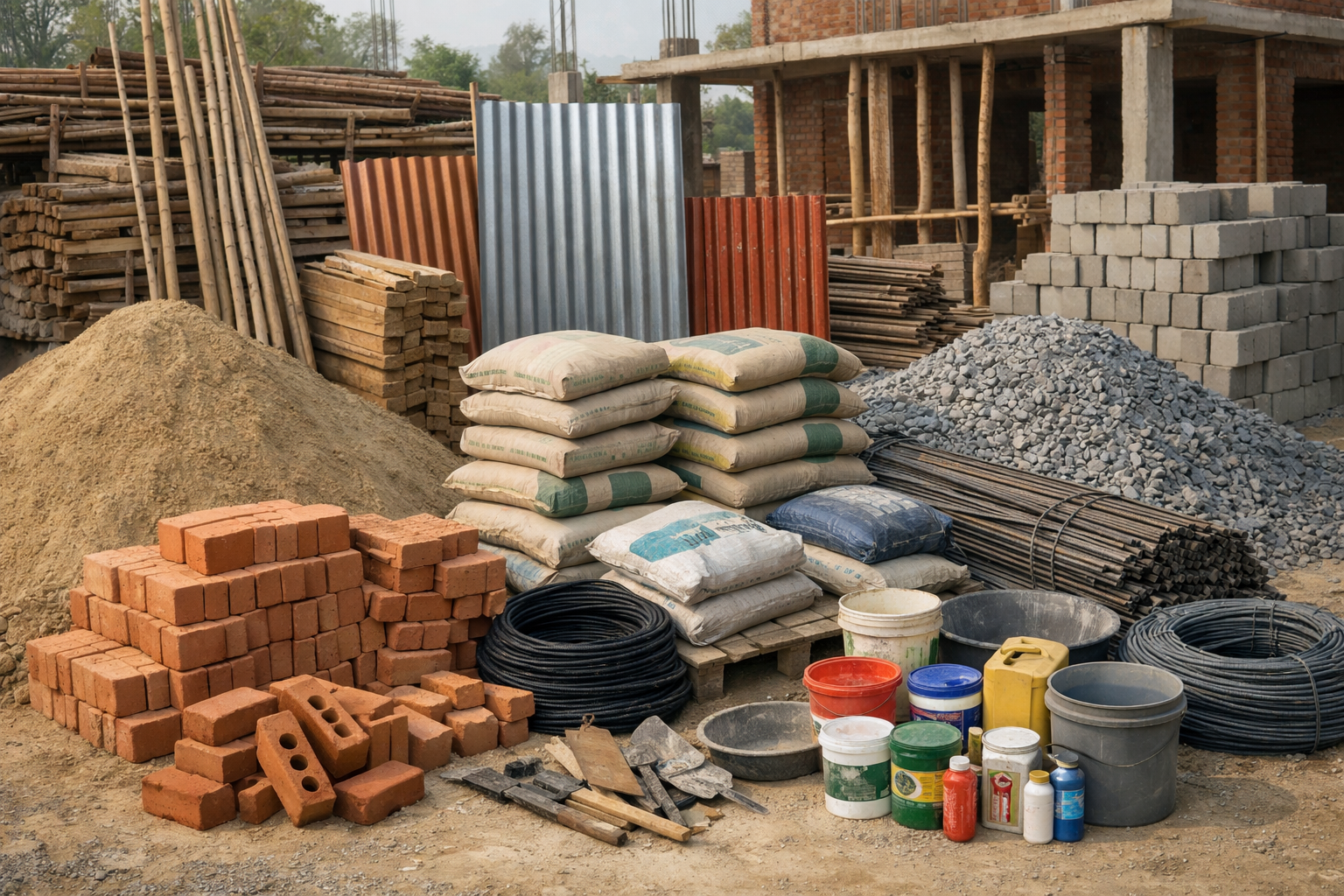
Fiber Cement Boards: Affordable and durable, these boards resist moisture, termites, and weather damage. They cost approximately ₹400-600 per square foot and are ideal for areas with high humidity.
Natural Stone: Granite, sandstone, and limestone are popular in India. While more expensive (₹800-2,000 per square foot), they offer excellent durability and timeless appeal. Sandstone works particularly well in Rajasthan and North India.
Brick and Exposed Masonry: Traditional yet contemporary, quality brick facades cost ₹300-800 per square foot. They provide excellent thermal mass, keeping homes cooler in summer and warmer in winter.
Aluminum Composite Panels: Modern and sleek, these panels offer design flexibility and cost ₹600-1,200 per square foot. They're increasingly popular in metropolitan areas like Mumbai and Bangalore.
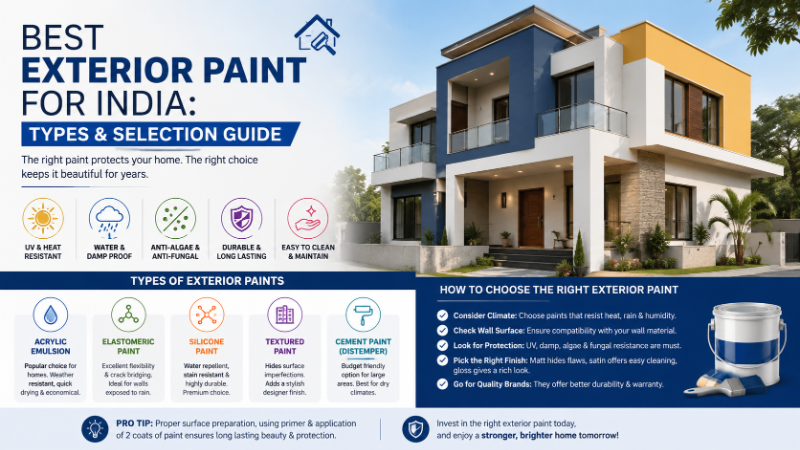
Textured Plaster and Paint: The most economical option (₹100-300 per square foot), quality exterior paint with weather-resistant properties can last 5-7 years in Indian climates.
Roofing Solutions
Your roof is your home's primary defense against weather. Consider these options:
Ceramic or Concrete Tiles: Durable and aesthetically pleasing, they cost ₹400-800 per square foot and last 30+ years
Metal Roofing: Lightweight and reflective, reducing heat absorption; costs ₹500-1,000 per square foot
Flat RCC Roofs with Waterproofing: Common in Indian homes, proper waterproofing treatment is essential, costing ₹150-300 per square foot
Green Roofs: Increasingly popular for sustainability; costs ₹1,500-3,000 per square foot but provides excellent insulation
Entrance and Portico Design
Creating a Welcoming Entry
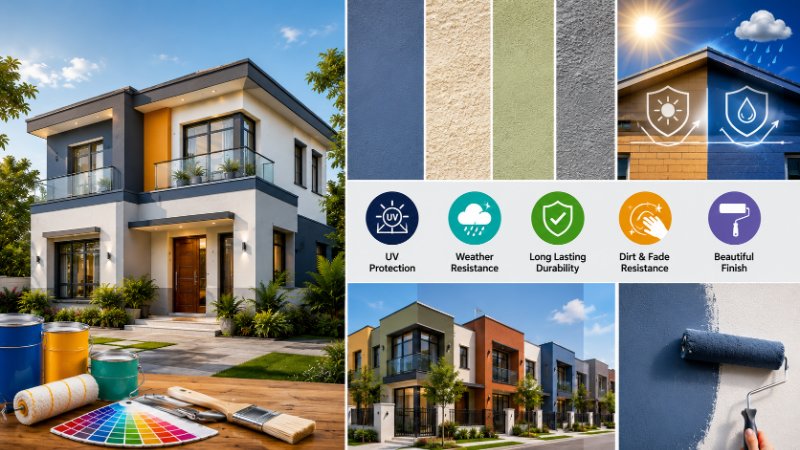
Your home's entrance sets the tone for the entire exterior. A well-designed portico or entrance area should be proportionate to your home's size and architectural style.
Consider these elements:
Adequate Overhang: A portico extending 1.5-2 meters protects the entrance from rain and sun
Clear Sightlines: Ensure the entrance is visible and accessible from the street
Lighting: Install warm LED lights (2700K color temperature) for evening visibility and ambiance
Quality Doors: Invest in weather-resistant doors made from solid wood, composite materials, or aluminum
Threshold Design: Incorporate a raised threshold with proper drainage to prevent water ingress
A well-executed entrance design costs between ₹50,000 to ₹3,00,000 depending on materials and complexity.
Outdoor Spaces and Landscaping
Garden and Landscape Design
Thoughtfully designed outdoor spaces enhance your home's exterior appeal and provide functional areas for relaxation and entertainment.
Front Garden Design: Create visual interest with layered planting—tall trees in the background, medium shrubs in the middle, and flowering plants in the foreground. This creates depth and draws the eye upward, making spaces appear larger.
Hardscaping Elements: Incorporate pathways, patios, and decking using materials like:
Pavers and tiles (₹200-600 per square foot)
Concrete with decorative finishes (₹150-400 per square foot)
Natural stone (₹400-1,500 per square foot)
Permeable materials for sustainable drainage
Water Features: A small fountain, pond, or water wall adds visual interest and creates a cooling effect. Budget ₹50,000-2,00,000 depending on complexity.
When selecting plants, work with local landscapers who understand your region's soil, water availability, and climate. On AECORD, you can connect with experienced landscaping professionals in your city who can recommend appropriate species and maintenance schedules.
Functional Exterior Elements
Drainage Systems
Proper drainage is absolutely critical in India, especially during monsoon season. Poor drainage leads to foundation damage, mold, and structural issues.
Essential drainage features include:
Gutters and downspouts directing water away from the foundation
Sloped ground (minimum 5% gradient) around the perimeter
French drains or underground drainage systems in high-rainfall areas
Permeable paving to allow water infiltration
Sump pits in areas prone to waterlogging
Investing ₹1,00,000-3,00,000 in a proper drainage system is far cheaper than repairing water damage later.
Ventilation and Air Circulation
In India's hot and humid climate, proper ventilation is essential for comfort and health. Design your exterior to facilitate air circulation:
Orient windows to capture prevailing breezes
Create covered outdoor spaces that allow air movement
Install vents and louvers strategically
Use pergolas and shade structures to reduce direct sunlight while allowing airflow
Parking and Vehicle Access
In Indian homes, adequate parking is crucial. Design parking areas that are:
Properly sloped for water drainage
Shaded with trees or structures to reduce heat
Paved with permeable materials where possible
Clearly defined with proper boundaries and landscaping
Colour Palettes for Indian Homes
Choosing Colors That Reflect Heat and Age Well
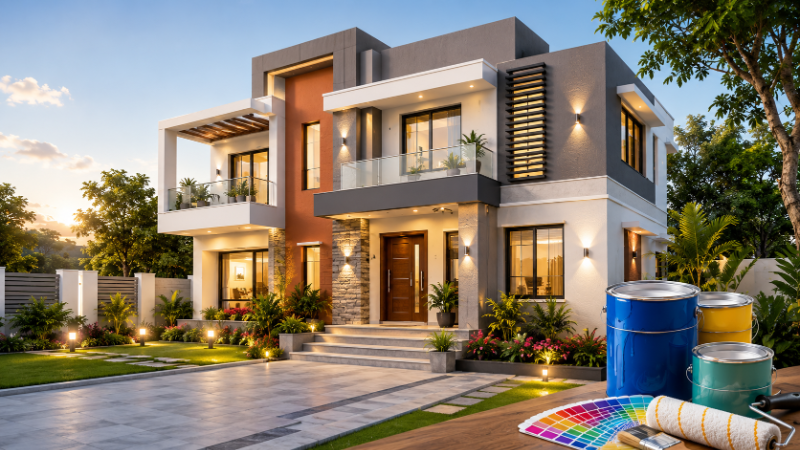
Color selection impacts both aesthetics and functionality. Light colors reflect sunlight, reducing heat absorption and keeping homes cooler. This is particularly important in hot climates like Rajasthan, Gujarat, and Telangana.
Popular color choices for Indian exteriors:
Whites and Creams: Classic, reflective, and timeless; work well with any architectural style
Warm Grays: Contemporary and sophisticated; hide dirt and age gracefully
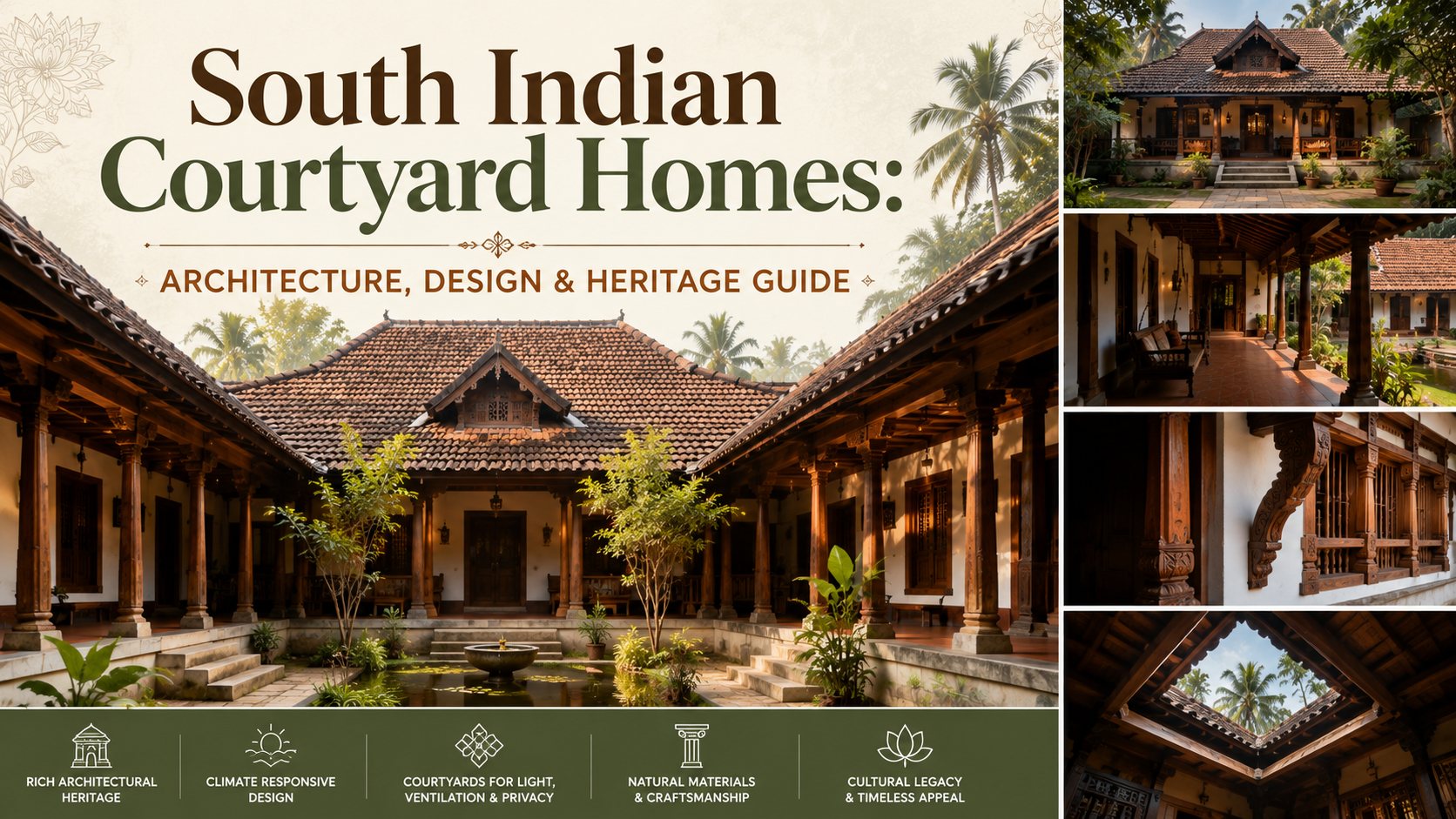
Terracotta and Earth Tones: Connect with traditional Indian architecture; work beautifully in heritage homes
Deep Blues and Greens: Add character; pair well with white or cream accents
Warm Beiges: Versatile and calming; complement natural stone and wood elements
Avoid overly bright or trendy colors that may look dated quickly. Consider how your chosencolourr complements neighboring homes and the natural landscape.
Outdoor Lighting Design
Illuminating Your Exterior
Strategic outdoor lighting enhances security, functionality, and aesthetics. A well-lit exterior creates a welcoming atmosphere and deters unwanted activity.
Lighting layers to consider:
Ambient Lighting: General illumination around the property; use wall sconces or overhead fixtures
Task Lighting: Focused light for specific areas like pathways, entrances, and parking; use spotlights or path lights
Accent Lighting: Highlights architectural features, plants, or water features; creates visual interest
Security Lighting: Motion-activated lights at entry points and dark corners
Switch to LED lighting for energy efficiency and durability. LEDs last 25,000-50,000 hours and consume 75% less energy than incandescent bulbs. Budget ₹2,00,000-5,00,000 for a comprehensive outdoor lighting system.
Sustainability and Green Exterior Design
Eco-Friendly Exterior Choices
Sustainable exterior design reduces environmental impact while lowering utility costs:
Recycled Materials: Use recycled plastic lumber, reclaimed wood, or recycled metal for decking and structures
Native Plants: Reduce water consumption and maintenance; support local ecosystems
Rainwater Harvesting: Collect roof runoff for garden irrigation; saves thousands of liters annually
Solar-Powered Elements: Use solar lights, solar water heaters, and solar panels integrated into your design
Permeable Surfaces: Reduce stormwater runoff and flooding with permeable paving
Maintenance Tips for Indian Exteriors
Regular maintenance extends the life of your exterior and keeps it looking fresh:
Clean gutters and downspouts monthly, especially before monsoon season
Inspect and repair roof damage promptly
Repaint or reseal exterior surfaces every 5-7 years
Trim vegetation regularly to prevent damage and maintain aesthetics
Check drainage systems quarterly
Inspect for termites and pest damage, particularly in wooden elements
Clean exterior surfaces with appropriate methods for your material type
Working with Professionals
Designing and executing a successful exterior renovation requires expertise. From architects who understand regional building codes to contractors experienced in local climate challenges, professional guidance is invaluable. AECORD connects you with vetted architects, designers, contractors, and landscapers across India who can transform your vision into reality.
Whether you're in Delhi, Mumbai, Bangalore, Hyderabad, or any other Indian city, finding the right professionals ensures your exterior design is not only beautiful but also durable, functional, and suited to your local climate.
Conclusion
Creating an exceptional exterior design for your Indian home involves balancing aesthetics, functionality, climate considerations, and budget. Whether you choose a minimalist modern approach, embrace biophilic design, or honor traditional architectural elements, the key is selecting materials and designs that withstand India's diverse climates while reflecting your personal style.
Take time to plan your exterior design carefully, consider regional factors, invest in quality materials, and don't hesitate to seek professional guidance. The result will be a home exterior that enhances curb appeal, increases property value, and provides a beautiful and functional space for years to come.
Ready to bring your exterior design ideas to life? Visit AECORD today to connect with experienced architects, designers, and contractors in your area. Whether you need help with a complete redesign or specific elements like landscaping or lighting, AECORD's network of AECO professionals is ready to help you create the perfect exterior for your Indian home.
Frequently Asked Questions
What exterior design materials work best for Indian homes with high humidity?
For humid regions like Mumbai, Bangalore, and Hyderabad, use moisture-resistant materials such as fiber cement boards, ceramic tiles, and corrosion-resistant metals. These materials prevent mold growth and degradation caused by high humidity and monsoon rains, ensuring your exterior maintains its integrity and appearance over time.
How can I incorporate nature into my home's exterior design in India?
Biophilic design is increasingly popular in Indian homes and includes living walls, vertical gardens, natural stone cladding, and abundant greenery using native plants. This approach improves air quality, provides natural cooling, and enhances aesthetics while being environmentally responsible and low-maintenance.
What are the key features of minimalist exterior design for Indian homes?
Minimalist exteriors feature clean lines, flat or gently sloped roofs, large glass windows, neutral color palettes (whites, grays, blacks), and hidden drainage systems. This design style is particularly popular in urban Indian cities and typically costs ₹500 to ₹1,500 per square foot for renovation.
How should I design my home's exterior to handle India's monsoon season?
Design your exterior with proper drainage systems, sloped roofs, and water-resistant materials to handle heavy rainfall from June to September. These elements are essential to prevent water damage and ensure your home's durability during the monsoon season.
Which plants should I use for exterior landscaping in different Indian cities?
Choose native plants suited to your region: in Delhi, use neem, ashoka, and bougainvillea; in Bangalore, opt for jacaranda, silk cotton, and flowering trees. Native plants require less maintenance and water while supporting local biodiversity and thriving in your specific climate.