The Complete Guide to Choosing the Right Building Materials for Indian Construction Projects
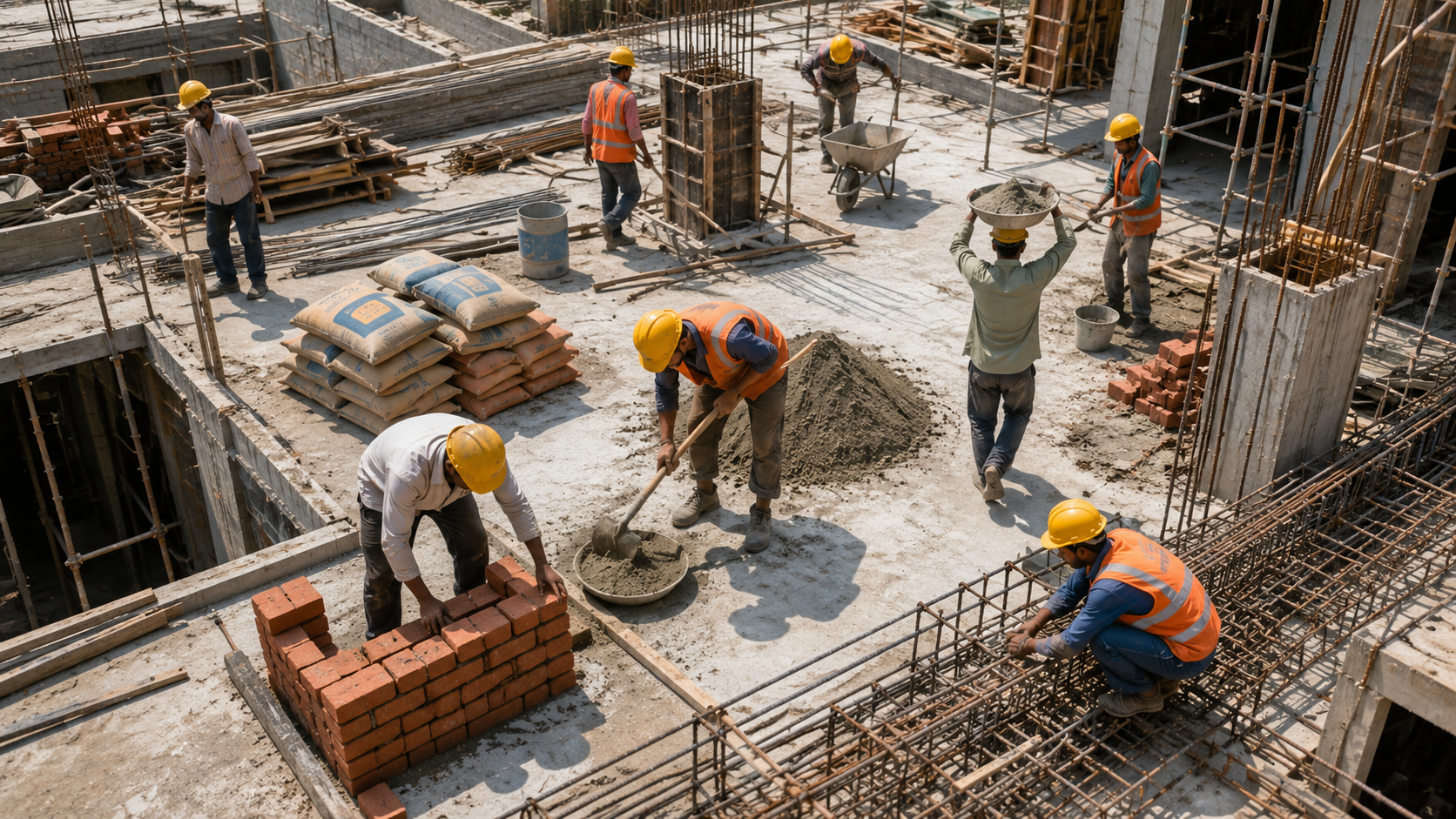
The foundation of any successful construction project lies in selecting the right building materials. Whether you're planning a residential complex in Bangalore, a commercial building in Mumbai, or an industrial facility in Delhi, the materials you choose will directly impact the project's durability, cost-effectiveness, and overall quality. In India's diverse climate and regulatory environment, understanding the nuances of material selection is crucial for architects, engineers, and construction professionals.
Build cost · Bengaluru, May 2026
Why Material Selection Matters in Indian Construction
India's construction industry is one of the fastest-growing sectors globally, projected to reach ₹3.5 trillion by 2025. However, the success of individual projects depends heavily on informed material choices. The Indian subcontinent experiences varied climatic conditions—from the monsoons of Kerala to the arid regions of Rajasthan, from the coastal humidity of Goa to the extreme cold of Himachal Pradesh. Each region demands specific material considerations.
Beyond climate, Indian construction professionals must navigate complex regulatory frameworks including the National Building Code (NBC), state-specific building bylaws, and environmental compliance standards. Selecting materials that meet these requirements while remaining within budget is a delicate balancing act that requires expertise and market knowledge.
Understanding the Indian Building Materials Market
Current Market Landscape and Pricing
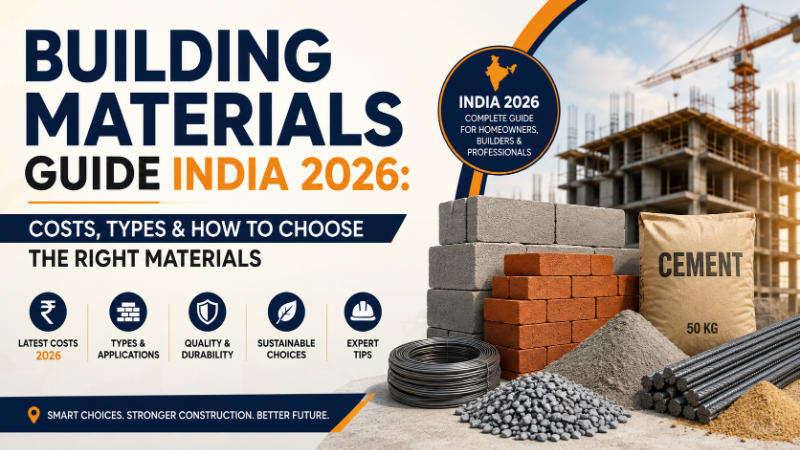
The Indian building materials market is highly fragmented, with prices varying significantly based on location, supplier, and material quality. As of 2024, typical material costs in major Indian cities are:
Cement: ₹350-400 per 50kg bag (varies by region and brand)
Steel reinforcement: ₹50-65 per kg (fluctuates with global steel prices)
Bricks: ₹4-8 per unit (clay bricks) to ₹15-25 (AAC blocks)
Sand: ₹30-80 per cubic meter (M-sand or river sand)
Concrete: ₹4,500-6,500 per cubic meter (ready-mix)
These prices fluctuate based on transportation costs, local availability, and market demand. Professionals using platforms like AECORD can access current local pricing and connect with verified suppliers across different regions of India.
Frequently asked
Regional Variations in Material Availability Regional Variations in Material Availability
Material availability varies dramatically across India. For instance, coastal regions like Chennai and Kochi have better access to marine-grade materials and specialized concrete additives, while northern states like Punjab and Haryana have abundant clay brick suppliers. Himalayan regions require materials suited to seismic activity and heavy snow loads, whereas southern states focus on materials resistant to high humidity and monsoon conditions./blog/boundary-wall-construction-cost-india-2026
Understanding these regional differences is essential for cost optimization. A material that's readily available and affordable in one city might be expensive or unavailable in another, making local expertise invaluable for project planning.
Key Building Materials and Their Applications
Concrete and Cement Products
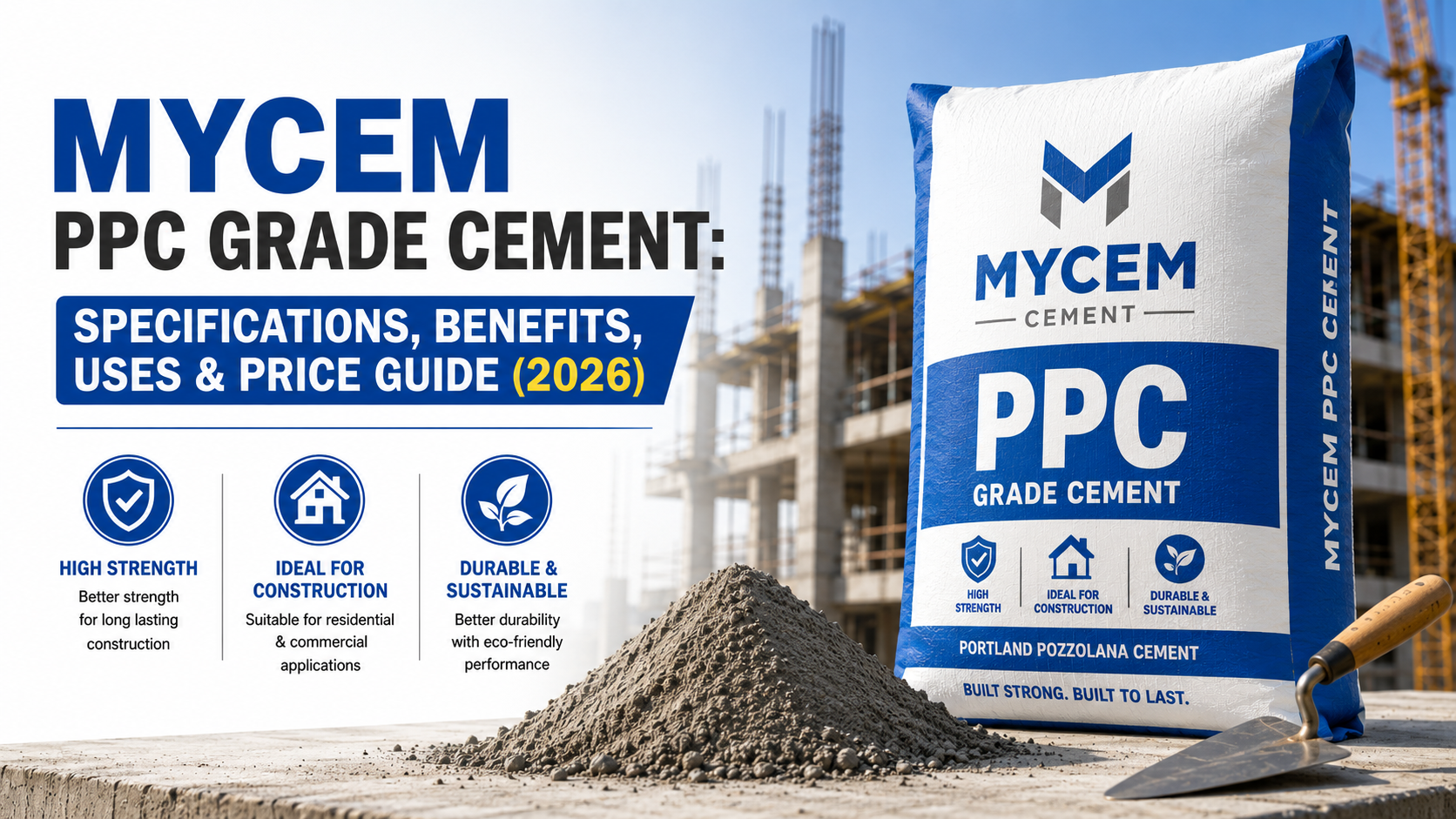
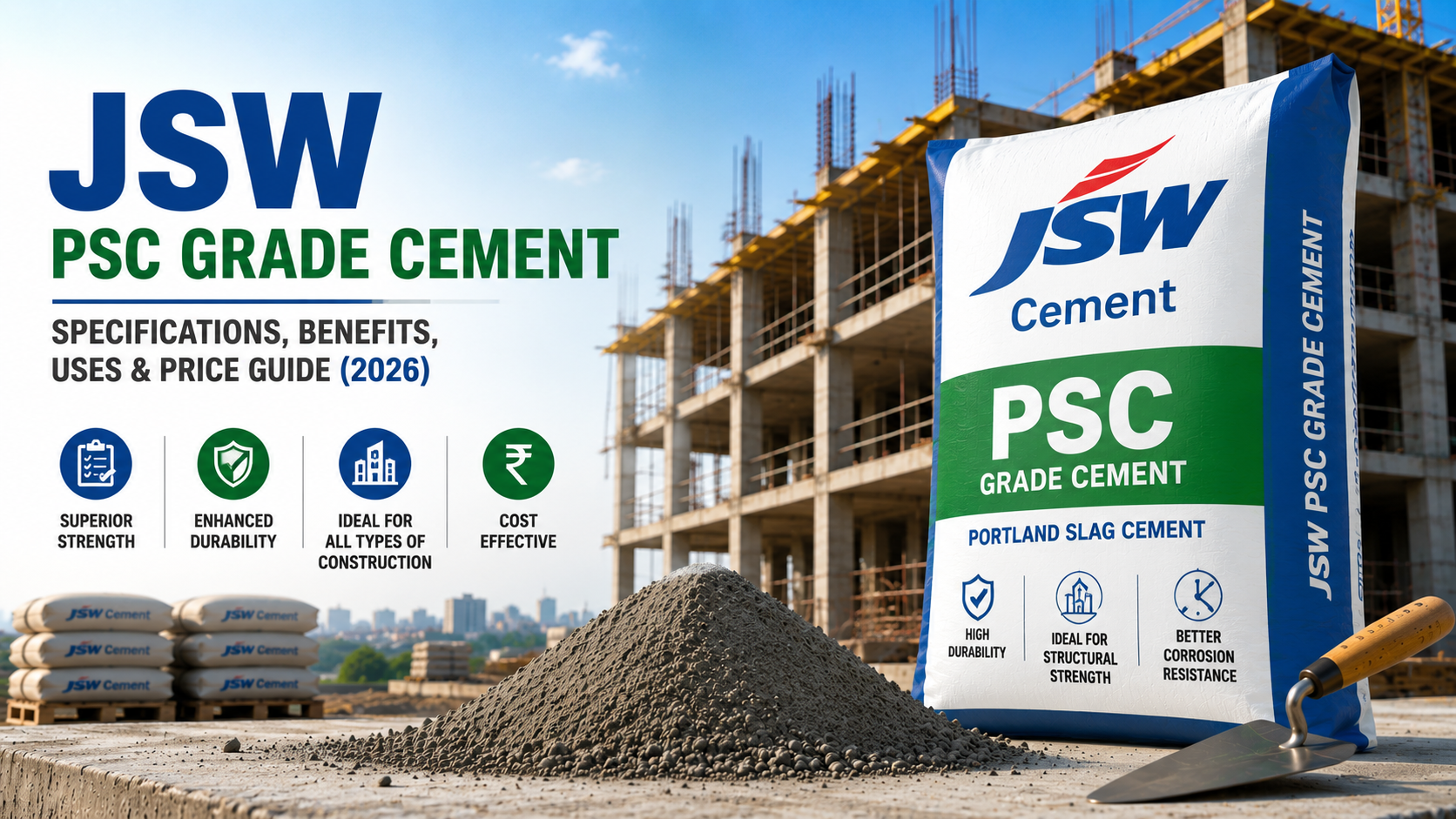
Concrete remains the backbone of Indian construction. Ordinary Portland Cement (OPC) is the most common type, but for specific applications, professionals increasingly use Portland Pozzolana Cement (PPC) and Portland Blast Furnace Slag Cement (PSC). These alternatives offer better durability and are more environmentally friendly.
For high-rise buildings in metropolitan areas like Bangalore and Hyderabad, high-strength concrete (M40-M50 grades) is standard. Coastal projects in Mumbai and Pune often require special concrete mixes with corrosion-resistant properties due to salt exposure. The choice of concrete grade, water-cement ratio, and admixtures significantly affects long-term durability and maintenance costs.
Steel and Reinforcement Materials
Steel reinforcement quality is critical for structural integrity. Indian construction typically uses Fe500 or Fe500D grade reinforcement bars. The choice between these grades depends on seismic zone classification—areas prone to earthquakes (like parts of Himachal Pradesh, Gujarat, and the Northeast) require higher-grade steel with better ductility.
Current market trends show increasing adoption of TMT (Thermo-Mechanically Treated) bars due to superior strength and flexibility. However, cost considerations are important; TMT bars cost approximately 10-15% more than conventional bars but offer better long-term value through reduced maintenance.
Masonry Materials
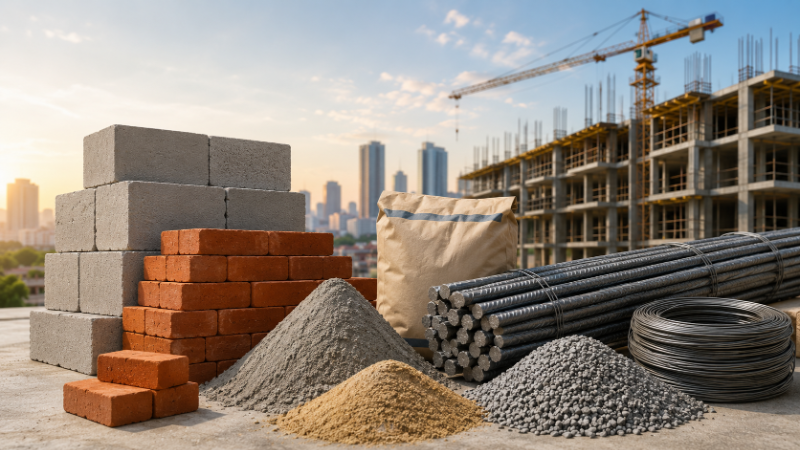
The choice between clay bricks, AAC (Autoclaved Aerated Concrete) blocks, and fly ash bricks depends on project requirements and regional practices. In Delhi and northern India, clay bricks dominate due to their thermal properties in cold climates. AAC blocks are increasingly popular in metropolitan areas like Bangalore and Pune due to their lightweight nature, better insulation, and faster construction timelines.
Fly ash bricks, made from industrial waste, are eco-friendly and cost-effective at ₹6-10 per unit. They're particularly popular in regions near thermal power plants like Chhattisgarh and Odisha, where they're readily available and inexpensive.
Finishing Materials
Finishing materials significantly impact both aesthetics and durability. Ceramic tiles, natural stone, and engineered materials each have distinct advantages. In humid regions like Kerala and Goa, materials resistant to moisture and mold are essential. Porcelain tiles (₹100-300 per square foot) offer better durability than ceramic tiles (₹40-150 per square foot) in these climates.
Natural stone like granite and marble remains popular for premium projects, with prices ranging from ₹150-500 per square foot depending on quality and origin. Engineered quartz and vitrified tiles offer cost-effective alternatives with excellent durability.
Climate-Specific Material Selection
Monsoon-Prone Regions
States like Maharashtra, Karnataka, and Kerala experience intense monsoons with heavy rainfall. In these regions, material selection must prioritize water resistance and drainage. This means:
Using water-resistant cement and concrete additives
Selecting materials with low water absorption rates
Implementing proper waterproofing membranes and sealants
Choosing drainage-friendly aggregates and sand
Investing in quality waterproofing materials (₹50-150 per square meter) upfront prevents costly repairs later. Many projects in Pune and Mumbai have faced structural damage due to inadequate waterproofing, leading to expensive remediation work.
Seismic Zones
Buildings in seismic zones (particularly Himachal Pradesh, parts of Gujarat, and the Northeast) require materials with high tensile strength and ductility. This necessitates:
Higher-grade steel reinforcement (Fe500D)
Higher concrete grades (minimum M30)
Proper detailing and spacing of reinforcement
Use of flexible materials for non-structural elements
While these materials cost 15-20% more, they're mandatory under NBC guidelines and essential for safety.
Extreme Temperature Regions
Desert regions like Rajasthan and parts of Gujarat experience extreme temperature variations. Materials must withstand thermal stress without cracking. Insulating materials and materials with lower thermal conductivity become important considerations. Light-colored materials reflect heat, reducing cooling loads and energy costs by 20-30%.
Sustainable and Eco-Friendly Materials
Growing Demand for Green Building Materials
Indian construction is increasingly adopting sustainable practices. The Green Building Council India has certified over 4,000 buildings, driving demand for eco-friendly materials. These include:
Recycled steel: Reduces carbon footprint by 50% compared to virgin steel
Fly ash concrete: Utilizes industrial waste, reducing cement content
Bamboo: Rapidly renewable, used for scaffolding and temporary structures
Recycled plastic composites: Emerging material for non-structural applications
Rammed earth: Traditional material gaining popularity in sustainable projects
While eco-friendly materials sometimes cost 5-15% more, they offer long-term savings through reduced maintenance and improved energy efficiency. Projects in Bangalore and Pune increasingly incorporate these materials to achieve LEED or GRIHA certifications.
Cost Optimization Strategies
Bulk Purchasing and Supplier Relationships
Large projects can negotiate better prices through bulk purchasing. Establishing relationships with verified suppliers can yield discounts of 5-10% on major material categories. Platforms like AECORD connect construction professionals with multiple suppliers, enabling price comparison and bulk negotiation.
Material Standardization
Using standardized materials across a project reduces waste and administrative overhead. For instance, standardizing brick sizes, concrete grades, and steel bar diameters simplifies inventory management and reduces costs by 3-5%.
Timing and Market Cycles
Material prices fluctuate with global commodity markets. Steel prices, in particular, vary based on international trends. Experienced construction professionals monitor market cycles and schedule major material purchases strategically. Purchasing during low-price periods and stocking materials appropriately can result in significant savings.
Local Sourcing
Sourcing materials locally reduces transportation costs, which can constitute 10-20% of material expenses. A project in Jaipur sourcing bricks locally will pay significantly less than importing from distant suppliers. AECORD's platform helps identify local suppliers across different Indian cities.
Quality Assurance and Testing
Importance of Material Testing
Quality assurance is non-negotiable. Indian Standards (IS) specify testing requirements for all major materials. Concrete must be tested for compressive strength (28-day cure), steel for tensile strength and elongation, and bricks for crushing strength and water absorption.
Third-party testing labs charge ₹500-2,000 per test, a small investment that prevents costly failures. Many projects have faced structural issues due to substandard materials that could have been caught through basic testing.
Supplier Certification
Choosing certified suppliers reduces quality risks. Look for suppliers with:
ISO 9001 certification
BIS (Bureau of Indian Standards) approval
Relevant industry certifications
Proven track record with similar projects
AECORD's verified supplier network includes certified professionals who meet rigorous quality standards, providing additional assurance for material procurement.
Regulatory Compliance and Standards
National Building Code Compliance
The NBC 2016 specifies material requirements based on building type, occupancy, and location. Compliance is mandatory, and materials must meet specified standards. Non-compliance can result in project halts, penalties, and safety risks.
State-Specific Regulations
Beyond NBC, states have additional requirements. For example, Maharashtra's building bylaws have specific requirements for coastal buildings in Mumbai, while Delhi's regulations emphasize seismic safety. Understanding these nuances is crucial for project planning.
Environmental Clearances
Large projects require environmental impact assessments. Material sourcing must comply with environmental regulations, including restrictions on mining in certain areas and requirements for sustainable material sourcing.
Working with Material Experts
The Value of Professional Guidance
Selecting materials involves balancing multiple factors: climate, regulations, budget, durability, and aesthetics. Professional architects and engineers bring expertise that prevents costly mistakes. A material choice that seems economical initially might prove expensive after accounting for maintenance, replacement, and energy costs.
Connecting with experienced professionals through AECORD provides access to specialists who understand regional nuances and can recommend optimal material solutions for your specific project context.
Collaborative Decision-Making
The best material selections emerge from collaboration between architects, structural engineers, contractors, and material suppliers. This collaborative approach ensures that material choices align with design intent, structural requirements, budget constraints, and local availability.
Conclusion
Choosing the right building materials for Indian construction projects requires balancing technical knowledge, regulatory compliance, climate considerations, and cost optimization. There's no one-size-fits-all solution; each project demands customized material selections based on its unique context.
The Indian construction landscape offers diverse material options at varying price points, with significant regional variations in availability and cost. Success lies in making informed decisions based on thorough understanding of your project's specific requirements and local market conditions.
Whether you're planning a residential project in Hyderabad, a commercial complex in Delhi, or an industrial facility in Pune, leveraging expert guidance and verified supplier networks is essential. AECORD connects you with experienced architects, engineers, and material suppliers across India who can help optimize your material selection strategy, ensuring your project is built on a solid foundation—literally and figuratively.
Ready to find the right materials and professionals for your next project? Explore AECORD's network of verified suppliers, architects, and engineers today. Post your project requirements and connect with local experts who understand your regional market and can deliver quality solutions within your budget.
Frequently Asked Questions
What are the current prices of building materials in India in 2024?
As of 2024, typical material costs in major Indian cities include cement at ₹350-400 per 50kg bag, steel reinforcement at ₹50-65 per kg, clay bricks at ₹4-8 per unit, and ready-mix concrete at ₹4,500-6,500 per cubic meter. Prices vary significantly by region, supplier, and material quality.
How does climate affect building material selection in India?
India's diverse climatic conditions require region-specific material choices. Coastal areas need corrosion-resistant materials, monsoon regions require water-resistant options, Himalayan areas need seismic and snow-load resistant materials, and arid regions need heat-resistant solutions.
What is the difference between OPC, PPC, and PSC cement?
Ordinary Portland Cement (OPC) is the most common type, while Portland Pozzolana Cement (PPC) and Portland Blast Furnace Slag Cement (PSC) offer better durability and are more environmentally friendly alternatives for specific construction applications.
Why does building material availability vary across different Indian regions?
Material availability varies due to local production capacity, transportation costs, and regional demand. Coastal regions have better access to marine-grade materials, northern states have abundant clay brick suppliers, and different regions require materials suited to their specific climate and geological conditions.
What concrete grades are typically used for high-rise buildings in India?
High-rise buildings in metropolitan areas like Bangalore and Hyderabad typically use high-strength concrete grades M40-M50, while coastal projects in Mumbai and Pune require special concrete mixes with corrosion-resistant properties to withstand salt exposure.