The Indian architecture industry is undergoing a significant transformation as sustainability becomes not just an environmental imperative but a market necessity. In 2026, architects and builders across India are increasingly turning to sustainable materials that reduce environmental impact while maintaining structural integrity and aesthetic appeal. This shift is driven by stricter building codes, rising construction costs, and growing client awareness about environmental responsibility.
Whether you're designing a residential complex in Bangalore, a commercial space in Mumbai, or an institutional building in Delhi, understanding the latest sustainable materials can give your project a competitive edge. Let's explore the trending sustainable materials reshaping Indian architecture in 2026.
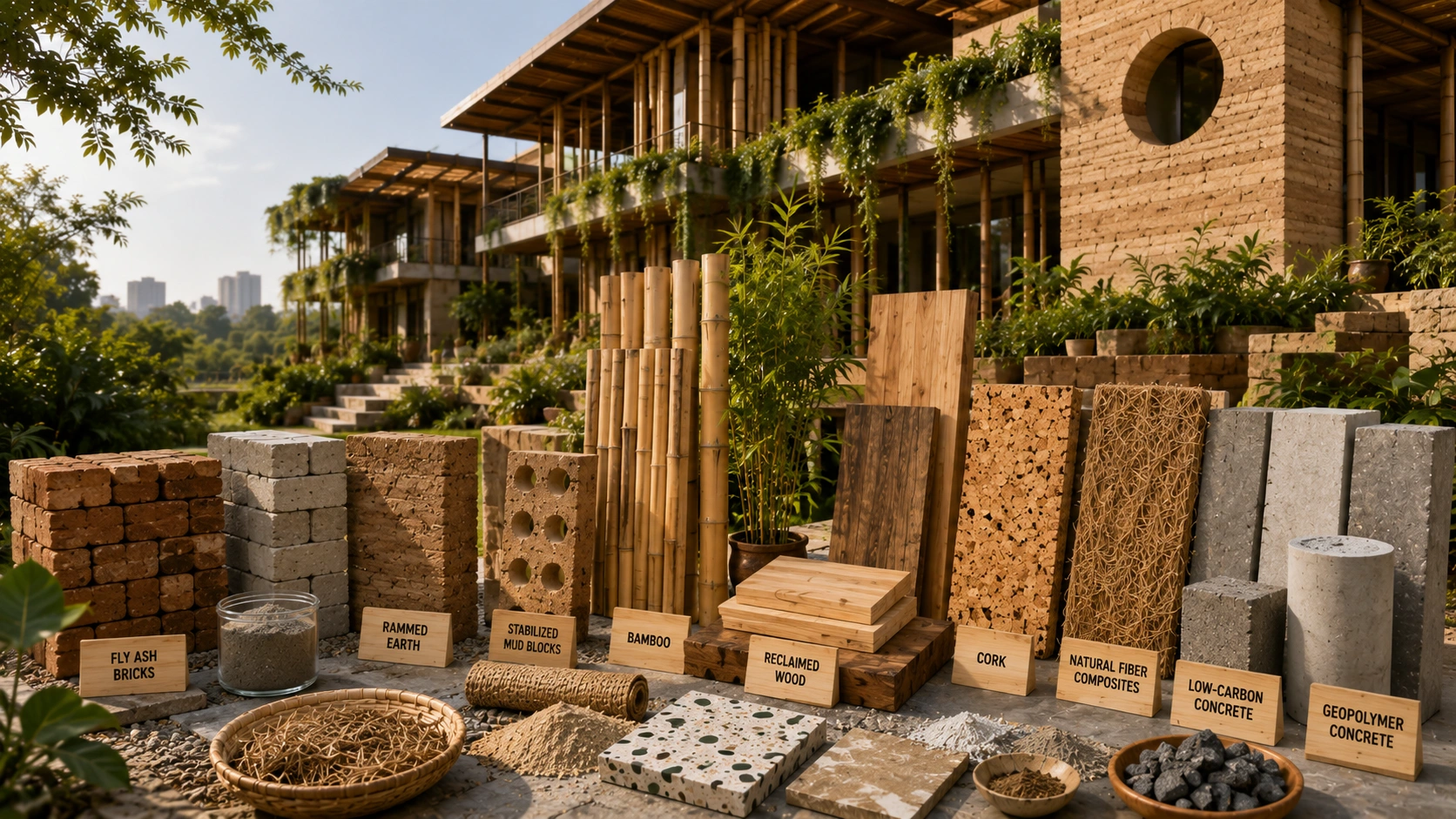
The Rise of Sustainable Building Materials in India
India's construction industry accounts for approximately 23% of the country's total carbon emissions. This staggering figure has prompted both regulatory bodies and industry professionals to embrace sustainable alternatives. The adoption of green materials has accelerated, with major cities implementing stricter environmental compliance requirements.
The Indian Green Building Council (IGBC) and LEED certifications have become increasingly common, pushing architects to specify materials that align with sustainability standards. Materials that were once considered premium alternatives are now becoming mainstream choices, with costs becoming more competitive as production scales up across the country.
When sourcing these materials, platforms like AECORD have made it easier for architects and builders to connect with suppliers offering certified sustainable products, streamlining the procurement process across India's diverse market.
Build cost · Bengaluru, May 2026
Trending Sustainable Materials in 2026
1. Recycled and Reclaimed Materials
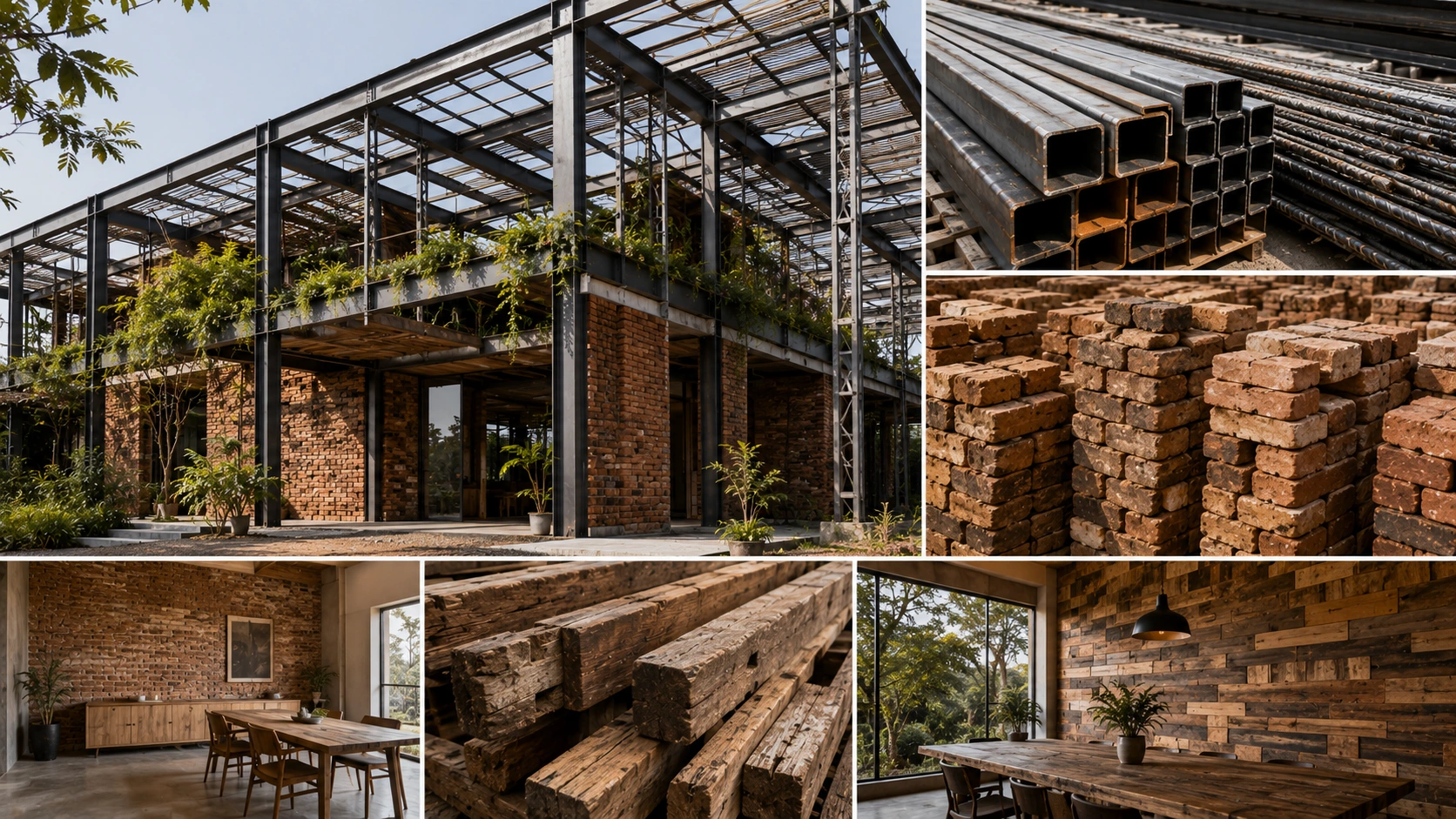
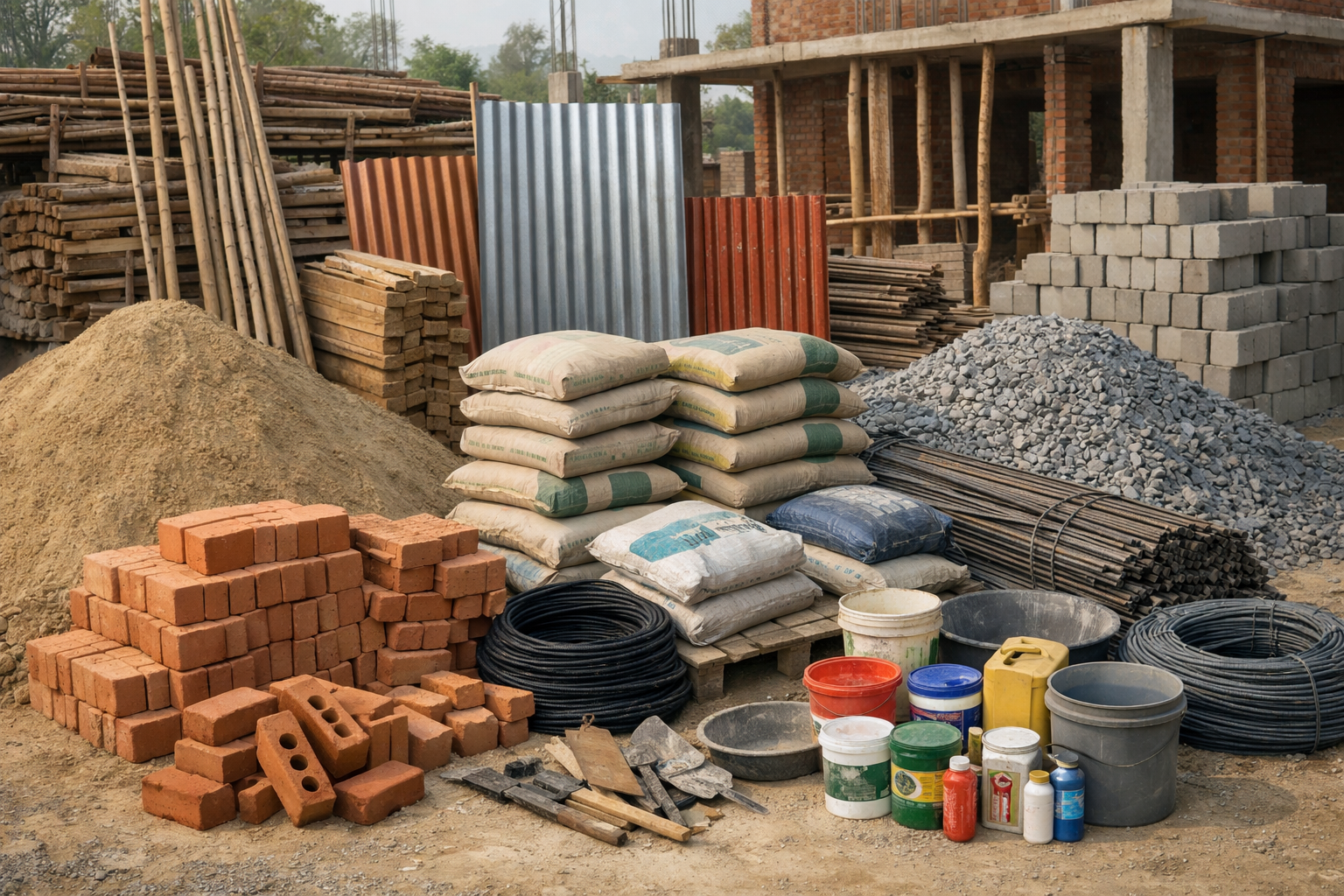
Recycled materials have moved beyond niche applications to become mainstream choices in Indian architecture. Recycled steel, reclaimed wood, and reclaimed bricks are increasingly used in both structural and aesthetic applications.
Recycled Steel: Indian architects are specifying recycled steel for structural frames, reducing embodied carbon by up to 60% compared to virgin steel. The cost advantage is significant—recycled steel typically costs 15-20% less than new steel while maintaining equivalent strength. Major metro cities like Pune and Hyderabad have seen increased availability of recycled steel suppliers.
Reclaimed Bricks and Wood: Salvaged materials from demolished structures are gaining popularity, particularly in heritage-conscious cities like Jaipur and Ahmedabad. A reclaimed brick might cost ₹12-15 per unit compared to ₹8-10 for new bricks, but the aesthetic and environmental value justifies the premium for many high-end projects.
2. Rammed Earth and Stabilized Mud Blocks
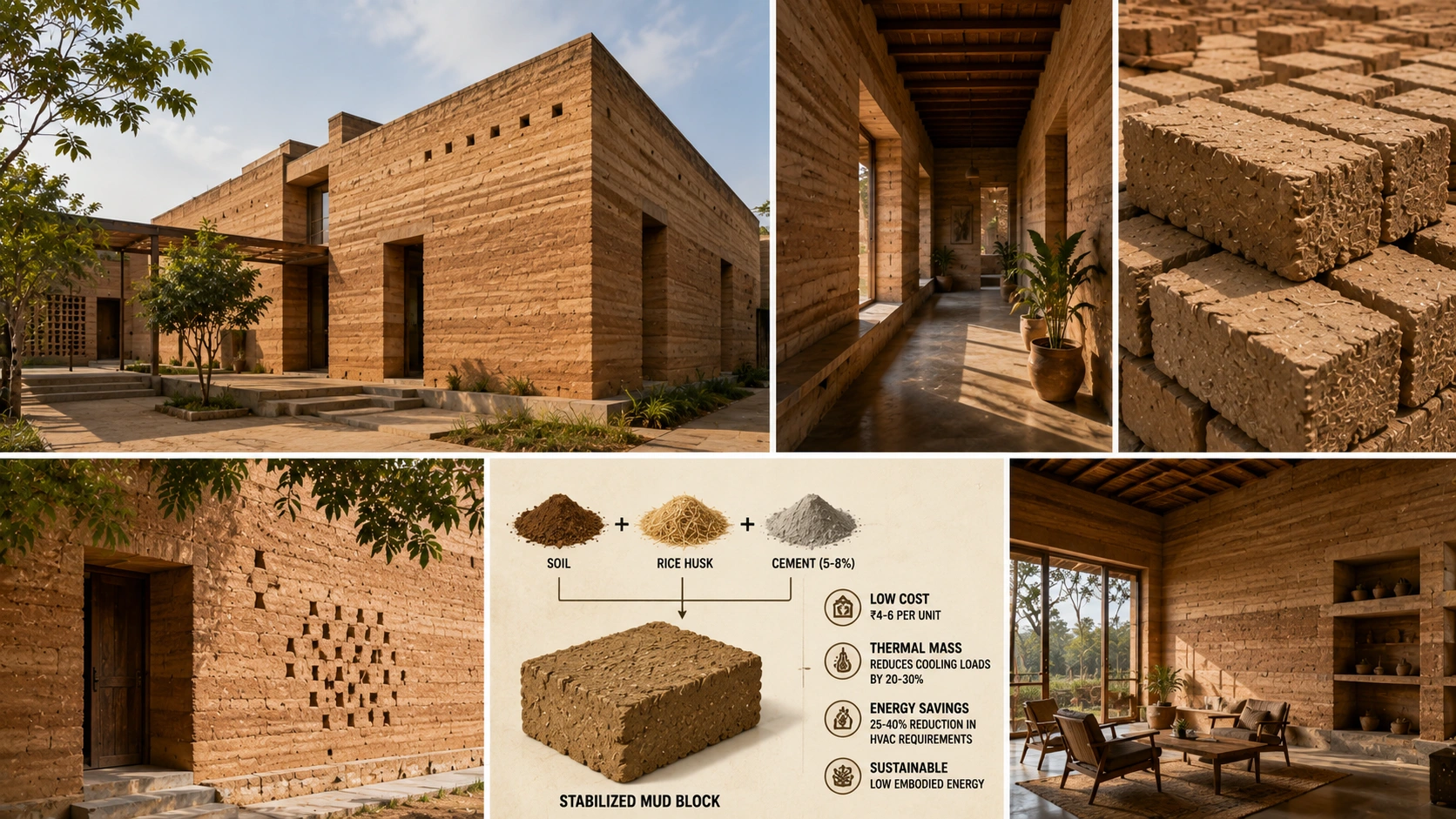
Traditional materials are experiencing a renaissance in contemporary Indian architecture. Rammed earth and stabilized mud blocks offer exceptional thermal properties, reducing cooling loads in India's hot climate by 20-30%.
These materials are particularly effective in:
Institutional buildings in tier-2 cities
Residential projects in semi-arid regions
Heritage restoration projects
Eco-tourism facilities
Stabilized mud blocks, reinforced with materials like rice husk or cement (typically 5-8%), cost approximately ₹4-6 per unit—significantly cheaper than conventional bricks. Their thermal mass properties mean architects can reduce HVAC requirements, creating long-term operational savings of 25-40%.
Frequently asked
3. Fly Ash Bricks and Concrete Blocks
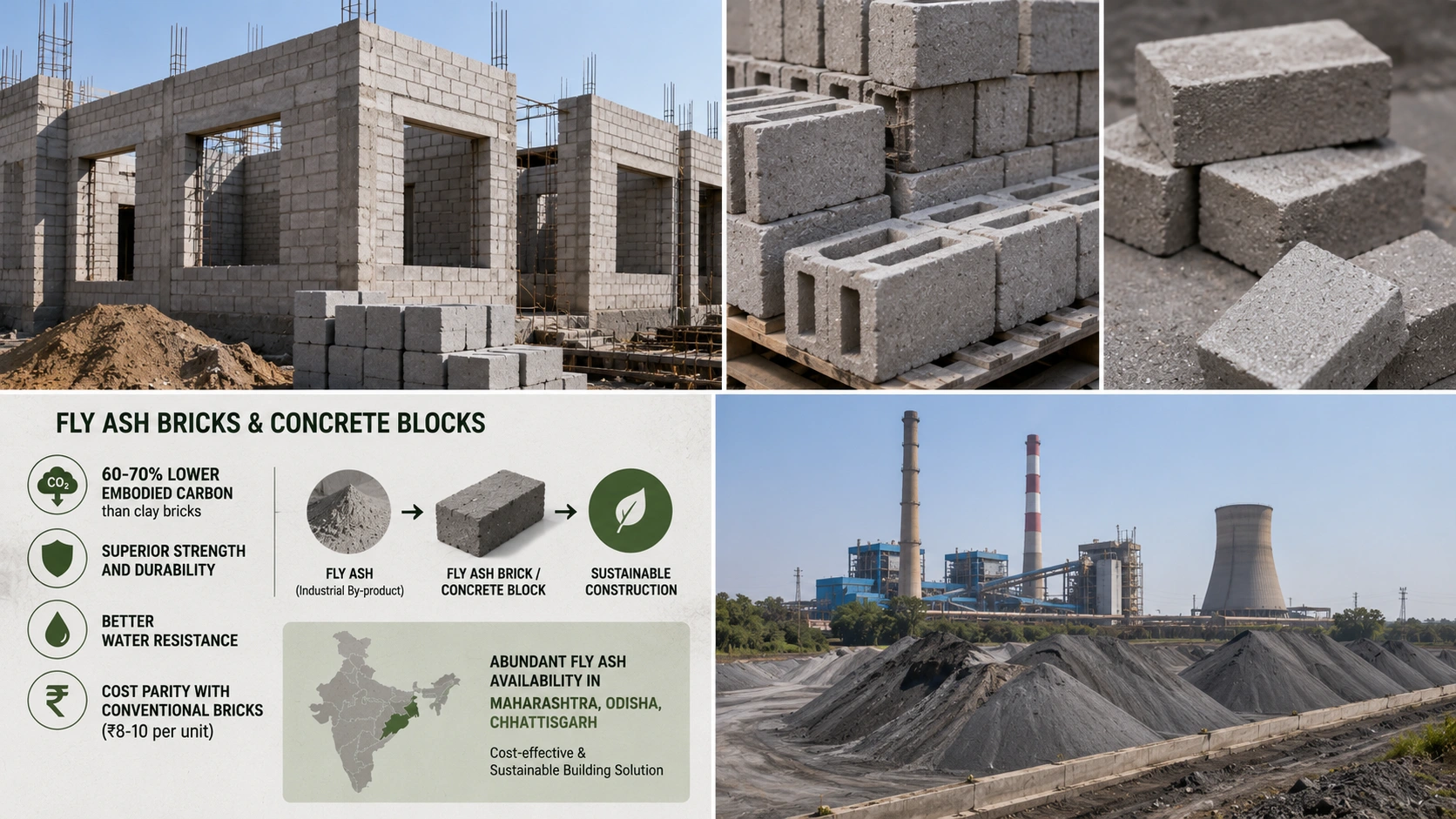
Fly ash, a byproduct of thermal power plants, has found a valuable application in sustainable construction. Fly ash bricks utilize industrial waste, reducing landfill burden while creating cost-effective building materials.
Benefits include:
60-70% lower embodied carbon than clay bricks
Superior strength and durability
Better water resistance
Cost parity with conventional bricks (₹8-10 per unit)
Indian states like Maharashtra, Odisha, and Chhattisgarh, with significant thermal power generation, have abundant fly ash availability, making these materials particularly cost-effective in these regions.
4. Bamboo and Engineered Wood Products
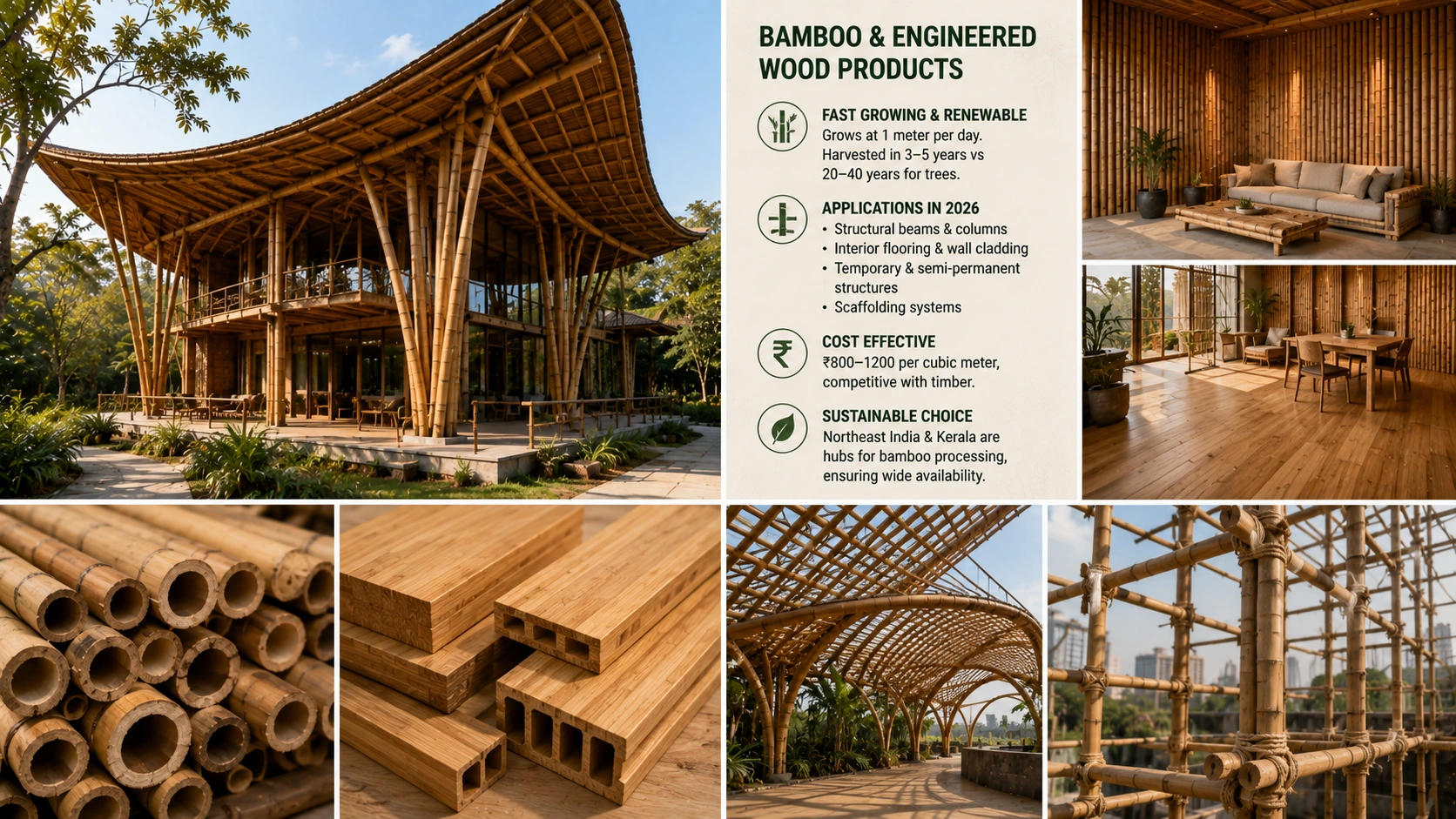
Bamboo has emerged as a game-changer for sustainable Indian architecture. Growing at 1 meter per day, bamboo is harvested in 3-5 years compared to 20-40 years for trees, making it genuinely renewable.
Applications in 2026 include:
Structural beams and columns (engineered bamboo)
Interior flooring and wall cladding
Temporary and semi-permanent structures
Scaffolding systems
Engineered bamboo products cost approximately ₹800-1200 per cubic meter, competitive with timber while offering superior sustainability credentials. Northeast India and Kerala have become hubs for bamboo processing, making materials readily available across the country.
5. Cork and Natural Fiber Composites
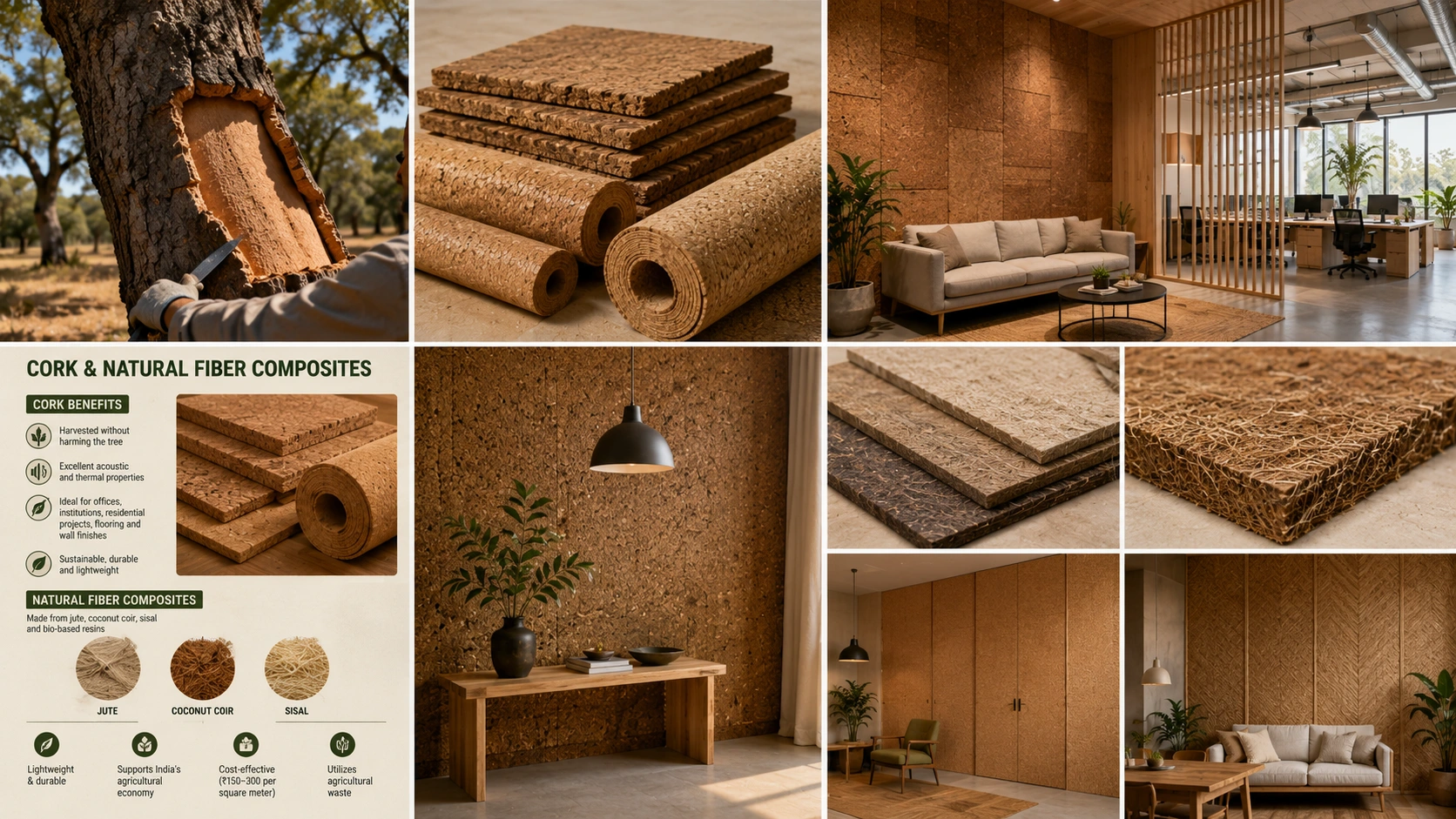
Cork, harvested from cork oak bark without harming the tree, is gaining traction in high-end Indian projects. Its excellent acoustic and thermal properties make it ideal for:
Office and institutional buildings requiring sound control
Residential projects in noisy urban areas
Flooring systems
Wall finishes
Natural fiber composites combining jute, coconut coir, or sisal with bio-based resins offer lightweight alternatives for interior applications. These materials cost ₹150-300 per square meter and support India's agricultural economy by utilizing agricultural waste.
6. Low-Carbon Concrete and Geopolymer Concrete
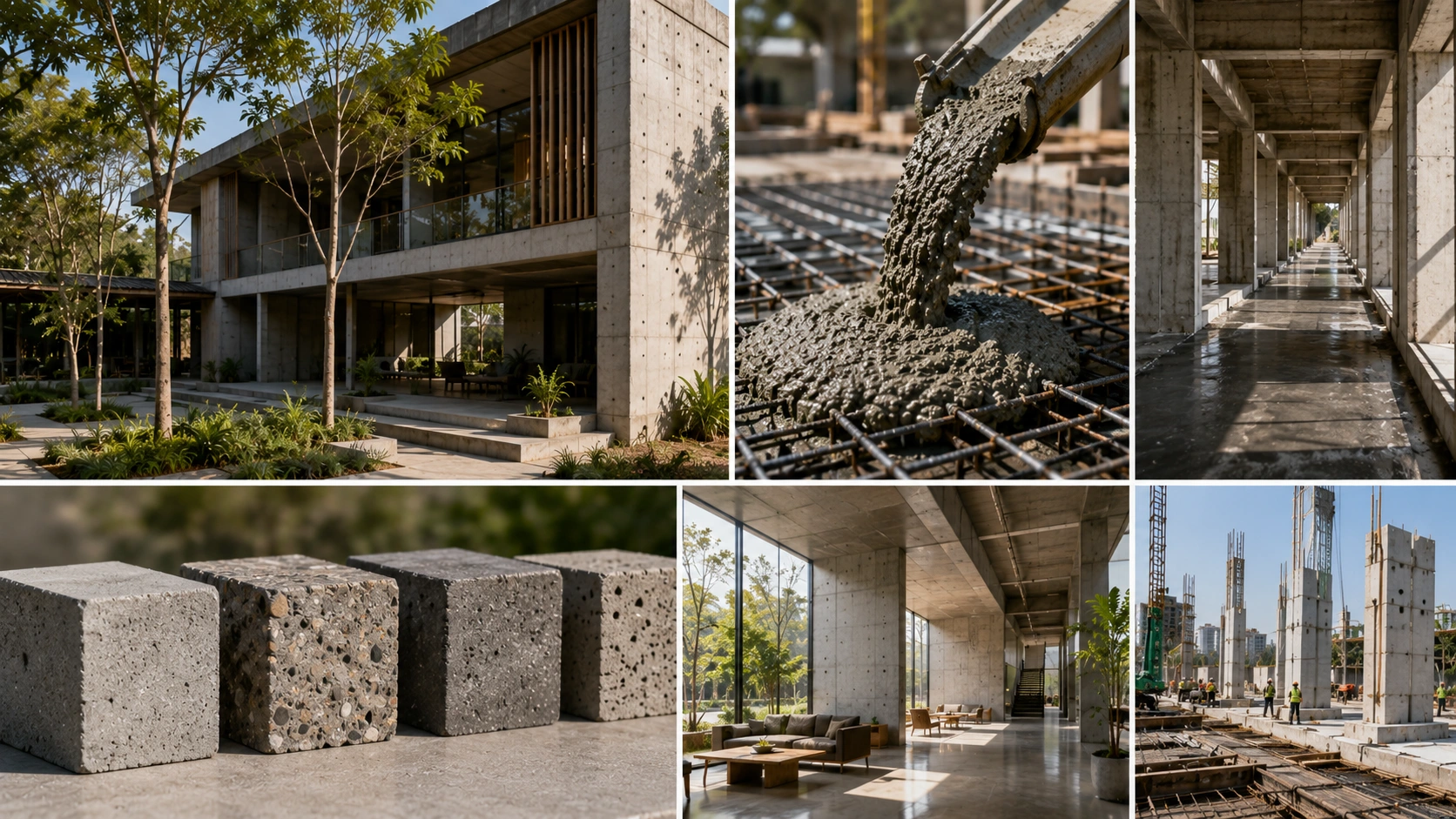
Concrete, responsible for 8% of global carbon emissions, is being revolutionized through low-carbon alternatives. In 2026, Indian architects are increasingly specifying:
Geopolymer Concrete: This alternative binder replaces Portland cement with fly ash and slag, reducing carbon footprint by 80-90%. While geopolymer concrete costs approximately 10-15% more than conventional concrete (₹4500-5500 per cubic meter vs. ₹3500-4500), the environmental benefits and superior durability justify the premium.
Recycled Aggregate Concrete: Using recycled concrete from demolished structures reduces virgin material extraction. Performance is equivalent to conventional concrete while reducing embodied carbon by 40-50%.
7. Terracotta and Clay Tiles
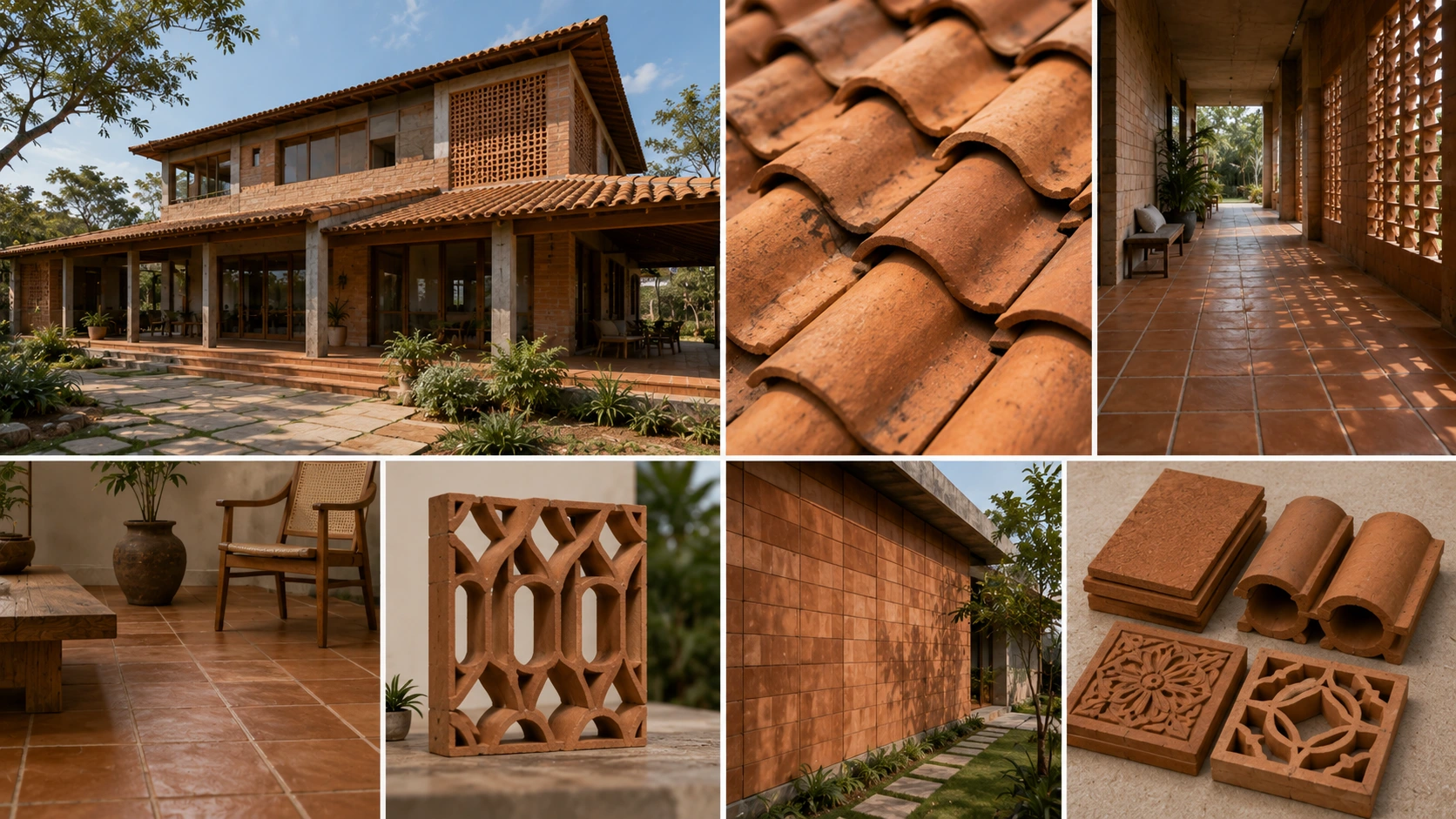
Traditional terracotta, produced locally across India, remains a sustainable choice. Modern manufacturing processes have improved consistency and durability while maintaining environmental credentials.
Applications include:
Roof tiles and cladding
Floor finishes
Decorative elements
Thermal mass walls
Local production means minimal transportation emissions. A square meter of terracotta tiles costs ₹200-400 and provides excellent thermal performance, particularly valuable in India's diverse climate zones.
Regional Variations in Material Availability
Northern India
Delhi, Punjab, and Himachal Pradesh increasingly utilize:
Rammed earth and stone (local availability)
Engineered bamboo from eastern regions
Recycled materials from urban demolition projects
Southern India
Bangalore, Chennai, and Hyderabad lead adoption of:
Laterite stone (naturally available)
Coconut fiber composites
Recycled aggregate concrete
Western India
Mumbai, Ahmedabad, and Pune focus on:
Recycled steel and materials
Fly ash bricks (proximity to thermal plants)
Cork and natural fiber products
Eastern India
Kolkata and surrounding regions emphasize:
Bamboo and engineered wood products
Jute-based composites
Fly ash utilization
Cost-Benefit Analysis of Sustainable Materials
While initial costs may be comparable or slightly higher, lifecycle analysis reveals significant savings:
Example: 5000 sq ft Residential Project
Conventional Construction: ₹50-60 lakhs (₹1000-1200 per sq ft)
Sustainable Materials: ₹52-65 lakhs (₹1040-1300 per sq ft)
Operational Savings (25 years): ₹15-20 lakhs through reduced energy consumption
Net Benefit: ₹10-18 lakhs considering environmental value
Many clients find sustainable specifications attractive for:
Higher resale value (10-15% premium)
Reduced operational costs
Health and wellness benefits
Tax incentives and certifications
Alignment with corporate sustainability goals
Regulatory Framework Supporting Sustainable Materials
India's regulatory environment is increasingly favoring sustainable materials:
Energy Conservation Building Code (ECBC): Mandates energy efficiency, influencing material selection
Green Building Code: States like Maharashtra and Karnataka have adopted stringent standards
Plastic Waste Management Rules: Encouraging alternatives to plastic-based materials
Ministry of Housing Initiatives: Promoting sustainable materials in affordable housing
Understanding these regulations is crucial for architects. AECORD connects professionals with suppliers who comply with current standards, ensuring seamless project execution.
Challenges and Solutions
Challenge: Limited Availability
Solution: Establish relationships with regional suppliers and cooperatives. Many sustainable materials are produced locally but lack marketing visibility.
Challenge: Inconsistent Quality Standards
Solution: Specify third-party certifications and conduct site testing. Platforms like AECORD help identify certified suppliers with proven track records.
Challenge: Architect and Client Education
Solution: Develop case studies and lifecycle cost analyses demonstrating long-term value. Share project examples from similar climates and applications.
Challenge: Structural Code Compliance
Solution: Work with structural engineers experienced in sustainable materials. Many traditional materials now have updated IS codes supporting their use.
Future Outlook for 2026 and Beyond
The trajectory of sustainable materials in Indian architecture points toward:
Increased manufacturing capacity reducing costs by 15-25%
More stringent building codes requiring sustainability certifications
Digital tools for lifecycle assessment and material selection
Growing demand from corporate and institutional sectors
Integration of IoT and smart materials for performance monitoring
Architects who embrace these materials now will find themselves ahead of regulatory requirements and market expectations.
Practical Steps for Architects and Builders
1. Conduct Material Audits: Evaluate your current material specifications against sustainability criteria.
2. Build Supplier Relationships: Identify local and regional suppliers of sustainable materials. Platforms like AECORD simplify this process by connecting you with verified suppliers across India.
3. Develop Specifications: Create detailed specifications for sustainable materials, including performance requirements and certifications.
4. Calculate Lifecycle Costs: Use tools to compare conventional and sustainable options over building lifetime.
5. Educate Clients: Develop compelling presentations showing environmental and financial benefits.
6. Participate in Training: Stay updated on new materials, codes, and best practices through professional development.
Conclusion
Sustainable materials are no longer niche choices in Indian architecture—they represent the mainstream direction of the industry. In 2026, architects and builders who understand these materials, their regional availability, cost implications, and performance characteristics will deliver superior projects that meet client expectations and regulatory requirements.
From recycled steel in Mumbai to bamboo structures in the Northeast, from geopolymer concrete in Bangalore to rammed earth in Jaipur, sustainable materials offer solutions tailored to India's diverse regions and climates. The combination of environmental responsibility, regulatory compliance, and economic benefits makes the transition to sustainable materials not just desirable but essential.
The journey toward sustainable architecture requires collaboration across the industry—architects, engineers, builders, suppliers, and clients working together. Whether you're specifying materials for your next project or seeking reliable suppliers, AECORD's B2B2C marketplace connects you with vetted professionals and suppliers specializing in sustainable materials across India. Start exploring sustainable options for your next project and join the movement toward responsible Indian architecture.
Frequently Asked Questions
What sustainable materials are trending in Indian architecture in 2026?
The trending sustainable materials in Indian architecture for 2026 include recycled steel, reclaimed bricks and wood, rammed earth, stabilized mud blocks, and fly ash bricks. These materials are becoming mainstream choices as architects seek to reduce environmental impact while maintaining structural integrity and meeting stricter building codes and LEED certification requirements.
How much can recycled steel reduce embodied carbon compared to virgin steel?
Recycled steel can reduce embodied carbon by up to 60% compared to virgin steel, while typically costing 15-20% less than new steel. This makes it an economically and environmentally attractive option for structural frames in Indian construction projects.
What are the thermal benefits of rammed earth and stabilized mud blocks?
Rammed earth and stabilized mud blocks offer exceptional thermal properties that reduce cooling loads in India's hot climate by 20-30%. Their thermal mass properties also allow architects to reduce HVAC requirements, creating long-term operational savings of 25-40% over a building's lifecycle.
Why is India's construction industry shifting toward sustainable materials?
India's construction industry accounts for approximately 23% of the country's total carbon emissions, prompting regulatory bodies and professionals to embrace sustainable alternatives. Stricter building codes, rising construction costs, growing client environmental awareness, and IGBC and LEED certification requirements are driving this shift toward green materials.
How much cheaper are stabilized mud blocks compared to conventional bricks?
Stabilized mud blocks cost approximately ₹4-6 per unit, which is significantly cheaper than conventional bricks at ₹8-10 per unit. Despite the lower cost, these blocks provide superior thermal properties and long-term operational savings, making them an economical sustainable choice for Indian construction projects.