

10 Expansive Farmhouses in India That Pay Homage to Their Surroundings
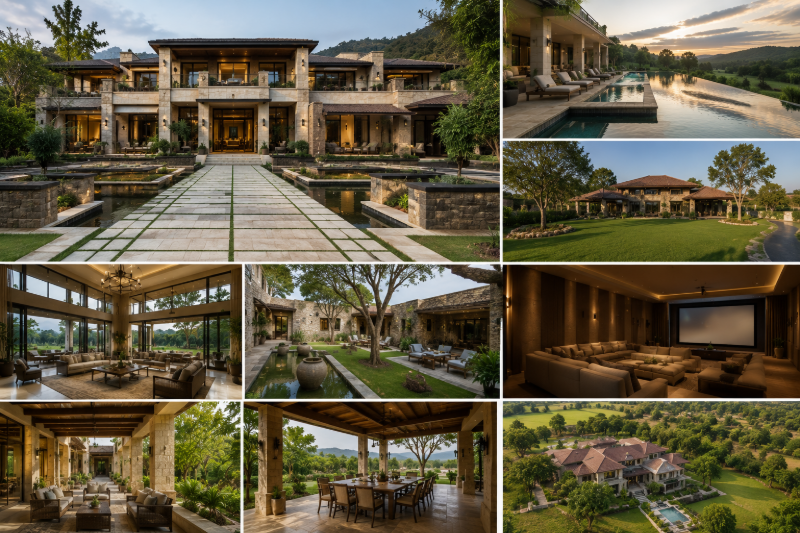
India's architectural landscape has witnessed a remarkable transformation over the past two decades, particularly in the realm of residential design. Among the most compelling developments is the rise of expansive farmhouses that seamlessly integrate with their natural surroundings. These properties go beyond mere structures; they represent a philosophy of living that respects and celebrates the land they occupy. From the rolling hills of Himachal Pradesh to the agricultural plains of Punjab, these farmhouses demonstrate how thoughtful architecture can honor both tradition and contemporary comfort.
Build cost · Bengaluru, May 2026
The Philosophy Behind Farmhouse Architecture in India
The modern Indian farmhouse represents a departure from purely urban construction practices. Rather than imposing structures onto the landscape, contemporary architects and designers are creating homes that work with the natural environment. This approach draws inspiration from vernacular architecture while incorporating modern amenities and sustainable practices.
The cost of developing a premium farmhouse in India typically ranges from ₹5 crore to ₹25 crore, depending on location, land size, and architectural complexity. Cities like Bangalore, Delhi NCR, Mumbai, and Pune have seen explosive growth in high-end farmhouse developments, with properties spanning anywhere from 2 acres to 20+ acres.
Key Architectural Principles
Landscape Integration: Designs that minimize disruption to existing topography and vegetation
Material Authenticity: Use of local materials that reflect regional building traditions
Open-Air Living: Extensive courtyards, verandas, and outdoor spaces that extend living areas
Water Management: Incorporating traditional water harvesting and management systems
Natural Ventilation: Design strategies that reduce dependence on mechanical cooling
1. The Tuscan-Inspired Estate in Lonavala, Maharashtra
Perched on the Western Ghats, this sprawling 8-acre property draws inspiration from Tuscan villas while maintaining deep connections to its Maharashtrian context. The architecture features terracotta tile roofing, stone facades, and expansive windows that frame views of the surrounding hills. The design team worked extensively with local craftsmen to source materials from quarries within 50 kilometers, reducing both environmental impact and construction costs.
The farmhouse includes a central courtyard modeled after traditional haveli designs, allowing natural light and ventilation while maintaining privacy. Multiple pavilions are connected by covered walkways that blend seamlessly with the landscape. Water management is handled through an integrated system that captures monsoon rainfall and feeds into underground reservoirs, supporting both household needs and landscape irrigation.
Frequently asked
Design Elements Worth Noting
Stone pillars sourced from local Lonavala quarries
Sloped roofing designed for heavy monsoon rainfall
Native plant landscaping featuring sal, teak, and bamboo species
A 1.5-acre organic farm integrated into the property design
2. The Contemporary Farmhouse in Gurgaon's Agricultural Belt
Located approximately 45 kilometers from central Delhi, this 6-acre property represents a masterclass in sustainable luxury. The architects faced a unique challenge: creating a modern residence while preserving the agricultural character of the surrounding region. The solution was a design that maintains 60% of the land as functional farmland and forest.
The main residence employs a linear design that minimizes the footprint while maximizing views and natural light. Extensive use of glass is balanced with deep overhangs and vertical gardens that provide passive cooling. The estimated construction cost of approximately ₹8 crore reflects the sophisticated mechanical systems, including geothermal heating and cooling, solar panels covering 80% of energy needs, and a rainwater harvesting system designed to capture 500,000 liters annually.
3. The Heritage-Inspired Estate in Jaipur, Rajasthan
This 12-acre farmhouse in Rajasthan's pink city demonstrates how contemporary design can honor centuries of architectural tradition. The design draws heavily from Rajasthani haveli architecture, featuring intricate jali screens, domed structures, and extensive courtyards. However, rather than replicating historical styles, the architects have reinterpreted these elements using modern materials and construction techniques.
The property includes multiple courtyards at different levels, creating microclimates that naturally regulate temperature. The use of locally quarried red sandstone not only connects the structure to its regional context but also provides excellent thermal mass. The landscaping emphasizes drought-resistant native plants, recognizing Jaipur's semi-arid climate. Water harvesting systems are designed to manage the region's limited rainfall, with underground tanks storing water for dry season use.
4. The Modernist Farmhouse in Pune's Surrounding Hills
Nestled in the Sahyadri foothills near Pune, this 5-acre property showcases how minimalist design can celebrate natural surroundings. The architecture features clean lines, large expanses of glass, and an open floor plan that dissolves boundaries between interior and exterior spaces. Rather than fighting the slope of the land, the design embraces it, with multiple levels that follow the natural contours.
The property was developed with a philosophy of minimal intervention. Native trees were preserved during construction, and the building footprint was carefully positioned to maximize views while minimizing environmental disruption. The estimated development cost of ₹6.5 crore includes sophisticated environmental controls, including a smart building management system that optimizes heating, cooling, and lighting based on occupancy and natural light availability.
5. The Agrarian-Focused Estate in Punjab's Green Belt
This 15-acre farmhouse in the agricultural heartland of Punjab represents a unique approach to luxury living that celebrates farming heritage. The property is designed around a central theme of productive agriculture, with the residence serving as a focal point within a larger ecosystem that includes orchards, vegetable gardens, and dairy facilities.
The architecture reflects Punjabi vernacular traditions, with wide verandas designed for the region's hot summers and brick construction that provides excellent thermal properties. The main residence is surrounded by smaller structures—a guest house, agricultural storage facilities, and worker quarters—arranged in a traditional village-like pattern. This design not only honors regional building traditions but also creates a functional community within the property. The total development cost of approximately ₹10 crore includes modern agricultural infrastructure alongside residential luxury.
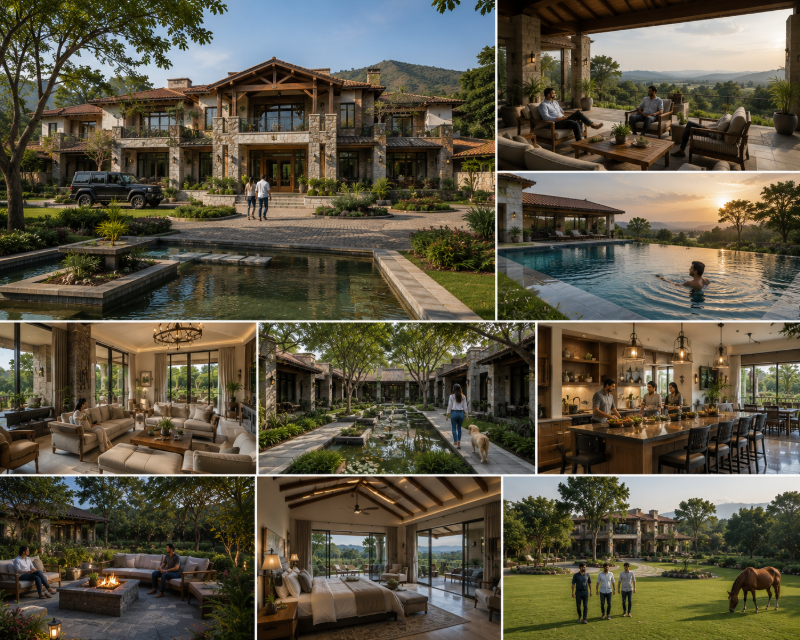
6. The Coastal Farmhouse in Goa's Hinterland
Located inland from Goa's beaches, this 4-acre property demonstrates how to create a sophisticated residence in a tropical climate. The design features deep verandas, high ceilings, and extensive ventilation to manage the region's heat and humidity. The use of traditional Goan architectural elements—such as sloped tile roofs, wooden shutters, and open-air pavilions—creates a design that feels both contemporary and rooted in local tradition.
The property includes extensive water features, including a natural pond that serves both aesthetic and functional purposes (water storage and temperature regulation). Coconut palms, mango trees, and other native species are integrated throughout the landscape, creating a lush environment that provides both visual appeal and functional benefits. The estimated cost of ₹7 crore reflects the complexity of building in Goa's tropical climate, with specialized attention to monsoon management and humidity control.
7. The Hill Station Retreat in Himachal Pradesh
This 8-acre property in the Shimla region showcases architecture adapted to mountainous terrain and cool climate conditions. The design features sloped roofs designed for heavy snowfall, stone construction that provides thermal mass for cold winters, and a carefully planned orientation that maximizes southern exposure for natural heating.
The architects worked closely with local communities to ensure the design respected regional building traditions while meeting contemporary standards. The use of local deodar wood for interior elements and local stone for exterior walls creates a strong connection to the landscape. The property includes multiple terraces that follow the natural slope of the land, creating distinct outdoor living areas at different elevations. The estimated development cost of ₹6 crore reflects the challenges of mountain construction, including specialized foundation work and careful environmental management.
8. The Organic Farm Residence in Karnataka's Coffee Country
Located in the Western Ghats of Karnataka, this 10-acre property integrates residential luxury with organic coffee farming. The architecture was specifically designed to work within an existing coffee plantation, with the main residence positioned to minimize disruption to productive agricultural land. The design features extensive shade structures and open-air spaces that take advantage of the region's cool, misty climate.
The property demonstrates how architecture can serve dual purposes: creating a comfortable residence while supporting agricultural operations. The main residence includes facilities for coffee processing and storage, seamlessly integrated into the overall design. Water management is critical in this region, with systems designed to capture and filter water from natural springs. The estimated cost of ₹8.5 crore reflects both residential and agricultural infrastructure.
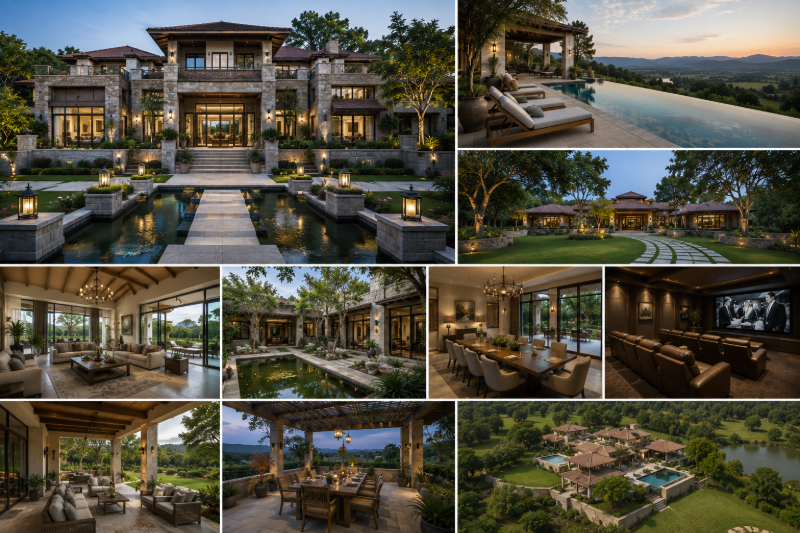
9. The Desert Farmhouse in Rajasthan's Thar Region
This 6-acre property near Jodhpur represents an extraordinary example of architecture adapted to extreme climates. The design draws inspiration from traditional Rajasthani fort architecture, featuring thick stone walls, minimal window openings on external walls, and extensive internal courtyards. These traditional design elements are not merely aesthetic choices; they represent centuries of accumulated knowledge about living comfortably in desert conditions.
The property includes sophisticated water management systems, recognizing that water scarcity is a defining feature of the region. Underground cisterns store water collected during the brief monsoon season, and a modern desalination system provides supplementary supply. The landscaping emphasizes plants adapted to arid conditions, including neem, khejri, and various succulents. The estimated development cost of ₹5.5 crore reflects the specialized challenges of desert construction and the need for advanced water management infrastructure.
10. The Contemporary Farmhouse in Tamil Nadu's Countryside
This 7-acre property near Coimbatore showcases how contemporary minimalist design can honor the agricultural landscape of South India. The architecture features clean lines, extensive use of glass, and an open floor plan that creates fluid transitions between interior and exterior spaces. The design is specifically adapted to the region's hot, humid climate, with features including deep overhangs, natural ventilation strategies, and materials chosen for their thermal properties.
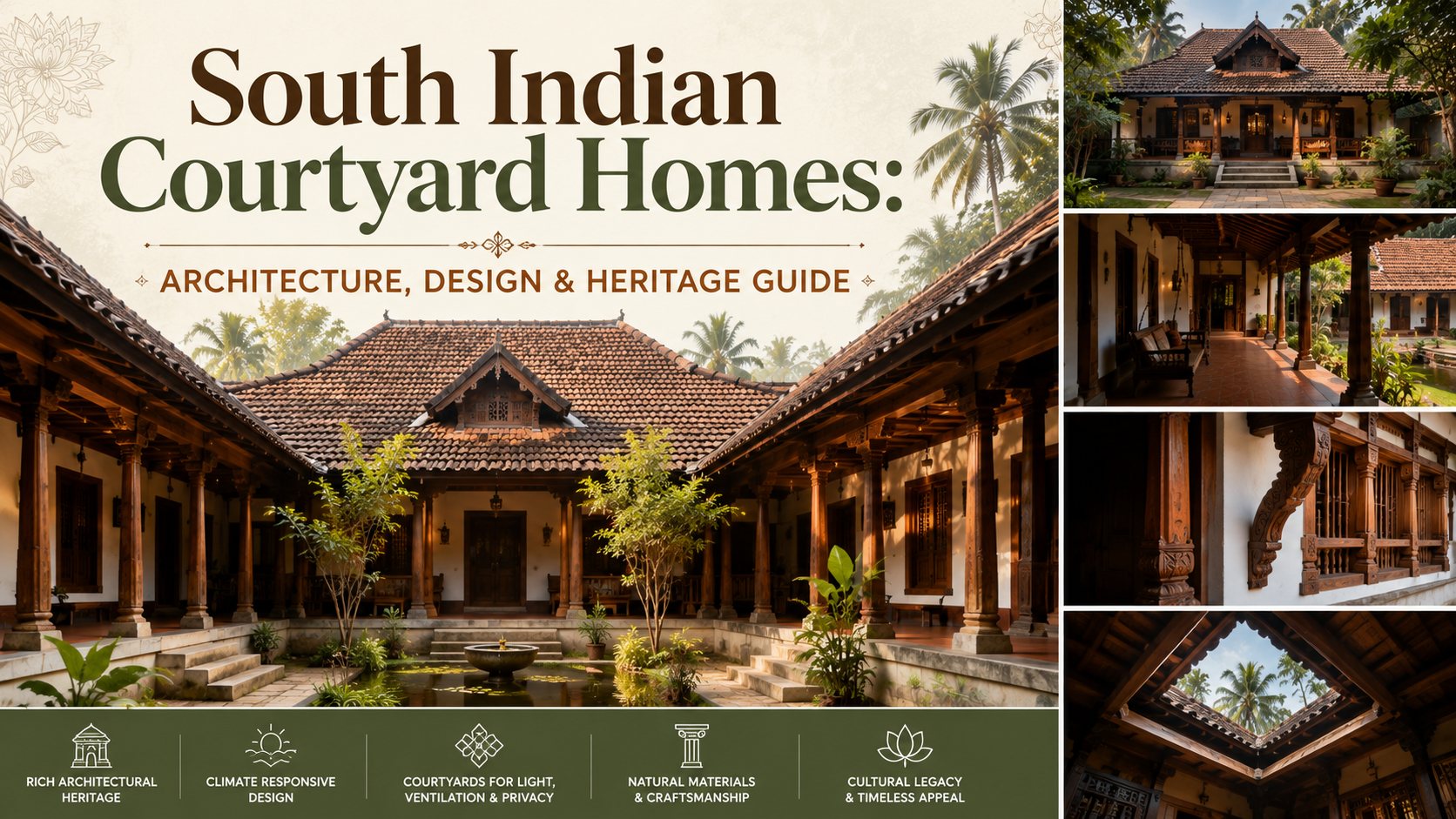
The property includes traditional South Indian design elements reinterpreted through a modern lens, such as a central courtyard inspired by traditional nalukettu architecture. The landscaping emphasizes coconut palms, mango trees, and other native species that thrive in the region's tropical climate. The estimated cost of ₹7.5 crore includes sophisticated climate control systems that work in harmony with passive design strategies.
Common Themes Across Exceptional Farmhouse Design
These ten properties, while diverse in location and specific design approach, share several common principles that distinguish them as exemplary examples of farmhouse architecture in India:
Respect for Local Context
Each property demonstrates deep understanding of its regional context, incorporating local materials, building traditions, and climate-appropriate design strategies. This approach goes beyond aesthetic considerations; it creates residences that are inherently more sustainable and better adapted to their environments.
Integration with Landscape
Rather than imposing structures onto the land, these designs work with existing topography and vegetation. This approach reduces environmental disruption, minimizes construction costs, and creates more visually compelling results.
Water Management
All of these properties incorporate sophisticated water management systems appropriate to their regional climate. Whether managing monsoon rainfall or addressing scarcity, water management is treated as a critical design element rather than an afterthought.
Sustainable Practices
From solar power to natural ventilation, these properties demonstrate how luxury and sustainability are not mutually exclusive. The higher upfront costs associated with sustainable design elements are increasingly offset by long-term operational savings and enhanced property values.
Working with Architects and Designers for Your Farmhouse Project
Developing an expansive farmhouse that honors its surroundings requires collaboration with professionals who understand both architectural principles and regional context. When planning a farmhouse project, consider engaging with specialists in:
Landscape Architecture: Professionals who can assess existing vegetation and topography, then design landscapes that enhance rather than replace natural features
Sustainable Design: Architects experienced in passive design strategies, renewable energy integration, and water management systems
Regional Specialists: Designers familiar with local building traditions, climate challenges, and available materials in your specific region
Structural Engineers: Specialists in foundation work appropriate to your region's soil conditions and climate
If you're planning a farmhouse project in India, AECORD connects you with experienced architects, landscape designers, and construction professionals who specialize in farmhouse development. Whether you're in Bangalore, Delhi NCR, Mumbai, or any other major city, AECORD's network includes professionals with deep expertise in creating residences that honor their surroundings.
The Future of Farmhouse Architecture in India
As India's economy continues to grow and more affluent individuals seek alternatives to urban living, farmhouse architecture will likely become increasingly sophisticated. The properties discussed in this article represent the current state of the art, but emerging trends suggest even greater integration with sustainable practices, smart home technologies, and adaptive reuse strategies.
The farmhouses that will be recognized as exemplary in future years will likely be those that go beyond mere visual appeal to create genuinely sustainable, community-oriented living environments. This requires architects and designers who understand not just construction, but also the broader environmental and social context in which their work exists.
Conclusion
The ten farmhouses featured in this article demonstrate that luxury residential architecture in India has evolved far beyond simple replication of international styles. Today's most compelling farmhouse designs are those that engage deeply with their regional context—honoring local building traditions, working with existing landscapes, and addressing climate-specific challenges through thoughtful design.
Whether you're inspired by the Tuscan-influenced estates of Lonavala, the modernist approaches of Pune, or the heritage-inspired designs of Rajasthan, the key to creating an exceptional farmhouse lies in finding professionals who understand both your vision and the specific context of your location. AECORD makes this process easier by connecting you with architects, landscape designers, and construction experts who have proven experience creating farmhouses that truly pay homage to their surroundings.
If you're considering developing a farmhouse property, explore AECORD's network of professionals today. Whether you need an architect experienced in sustainable design, a landscape specialist who understands native plant ecosystems, or construction professionals familiar with your region, AECORD can help connect you with the right team to bring your vision to life.
Frequently Asked Questions
What is the average cost of building a premium farmhouse in India?
Premium farmhouse development in India typically ranges from ₹5 crore to ₹25 crore, depending on location, land size, and architectural complexity. Major cities like Bangalore, Delhi NCR, Mumbai, and Pune command higher prices, with properties spanning 2 to 20+ acres.
What are the key architectural principles for designing farmhouses in India?
Modern Indian farmhouse architecture focuses on landscape integration, material authenticity using local resources, open-air living spaces, traditional water management systems, and natural ventilation strategies. These principles balance contemporary comfort with respect for the natural environment and regional building traditions.
How do contemporary farmhouses in India manage water?
Modern farmhouses incorporate traditional water harvesting and management systems, such as monsoon rainfall capture and underground reservoirs, to support both household needs and landscape irrigation. This sustainable approach reduces environmental impact while ensuring water security.
What materials are typically used in Indian farmhouse construction?
Contemporary Indian farmhouses prioritize local materials that reflect regional building traditions, such as terracotta tiles, locally-sourced stone, and native timber. Using materials from nearby quarries and suppliers reduces environmental impact and construction costs.
How much land do expansive farmhouses in India typically occupy?
Premium farmhouses in India generally span between 2 to 20+ acres, with designs often maintaining significant portions as functional farmland, forests, or landscaped gardens. The land size varies based on location and the property's integration with agricultural or natural surroundings.