

Indian residential real estate market is witnessing strong growth in 2024 with rising demand for residential properties and luxury housing. The real estate sector in India is expected to see a surge in demand for affordable housing as well as luxury residential projects. The market size of the residential real estate sector in India is forecast to grow significantly by 2025, with high demand for both housing sales and housing projects. Real estate developers in India are focusing on meeting the housing demand by offering a variety of options to cater to different segments of the population. Indian residential real estate market is also witnessing a boom in demand for luxury residential properties, reflecting the growing affordability and financial stability of the population. The real estate industry in India is seeing a shift towards more luxury housing projects, with real estate developers investing heavily in this segment. The Indian residential real estate market is expected to reach new heights in the coming years, as the demand for luxury and high-end residential properties continues to rise.
Market Overview
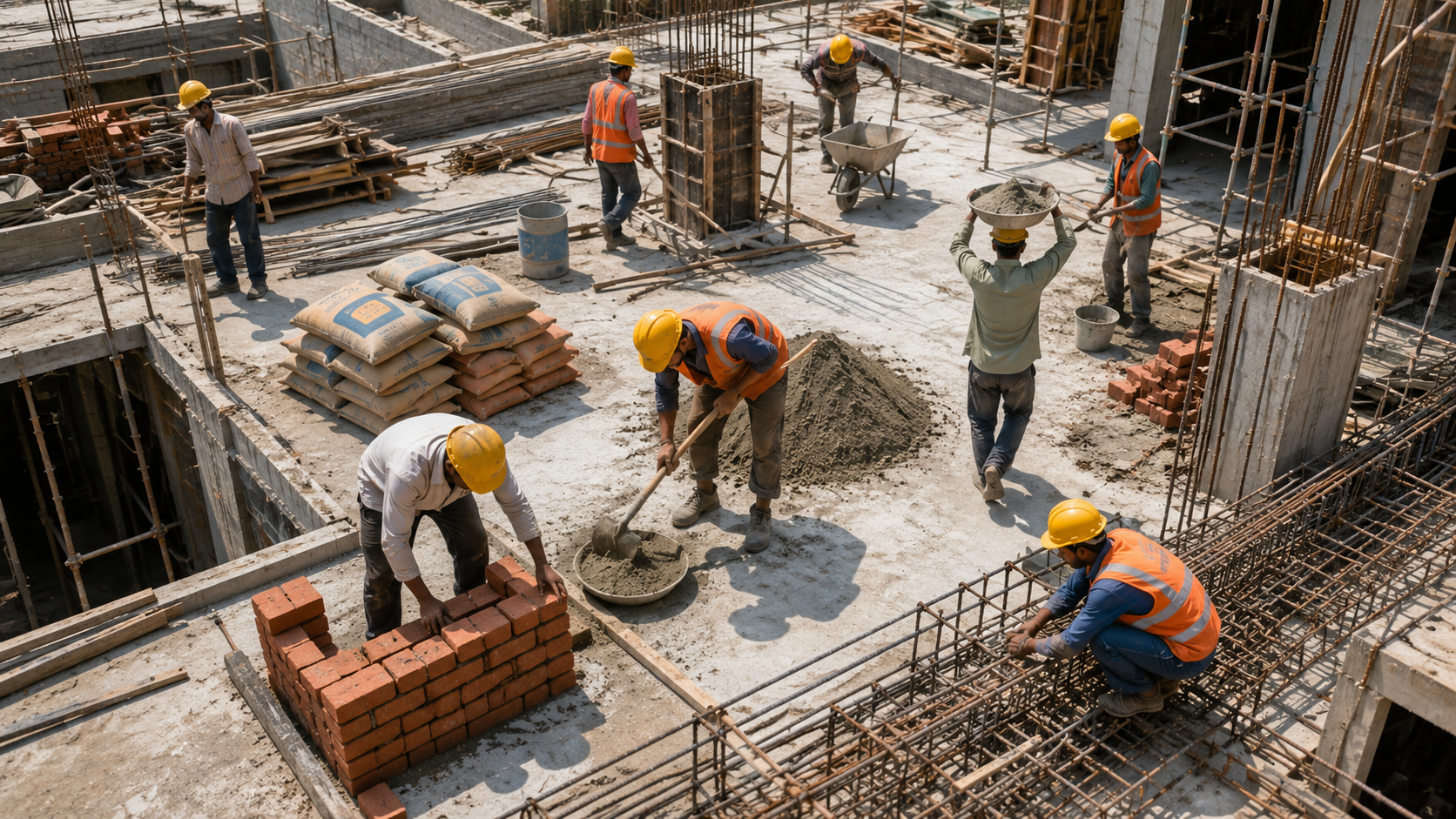
Build cost · Bengaluru, May 2026
Historical Context
The Indian residential real estate market has experienced phases of rapid growth, stabilization, and occasional downturns. Historically, urbanization, economic growth, and rising income levels have been the primary drivers. The introduction of regulatory reforms such as the Real Estate (Regulation and Development) Act, 2016 (RERA) has brought transparency and accountability, boosting consumer confidence.
Current Market Size
As of 2023, the market size of the Indian residential real estate sector is estimated to be approximately USD 180 billion. Major metropolitan cities like Mumbai, Delhi, Bangalore, Chennai, and Hyderabad continue to dominate, although Tier II and Tier III cities are also witnessing robust growth due to urban sprawl and infrastructural development.
Market Segmentation
By Type of Housing
Mid-Income Housing: Catering to the middle class, this segment includes homes that offer a balance of affordability and amenities. It constitutes the largest share of the residential real estate market.
Luxury Housing: Targeting the high-income group, this segment includes premium residences with high-end amenities and locations. While smaller in size, the luxury segment is growing due to increasing wealth and demand for premium living spaces.
Ultra-Luxury Housing: This niche segment includes high-end residences with exclusive features, catering to the ultra-rich. Properties in this segment often include bespoke amenities, prime locations, and unique architectural designs.
By Region
South India: Cities like Bangalore, Chennai, and Hyderabad lead the market here. The region is known for its tech-driven growth, attracting a large number of professionals and driving residential demand.
West India: Mumbai and Pune are the key markets. Mumbai, being the financial capital, has a high demand for all types of housing, from affordable to ultra-luxury.
East India: Kolkata is the major city in this region, with a growing demand for residential properties driven by industrial growth and urbanization.
Frequently asked
Industry Growth Analysis till 2027
Technological Advancements
PropTech: The adoption of technology in real estate, known as PropTech, is transforming the industry. From virtual tours to blockchain for property transactions, technology is enhancing transparency, efficiency, and customer experience.
Green Buildings: There is a growing trend towards sustainable and eco-friendly construction. Developers are increasingly incorporating green building practices, driven by both regulatory requirements and consumer demand.
Smart Homes: The demand for smart homes with integrated technology solutions for security, energy management, and convenience is on the rise. This trend is particularly strong in the mid to luxury housing segments.
Regulatory Reforms
RERA: The implementation of RERA has brought much-needed transparency and accountability to the real estate sector. It protects the interests of homebuyers and boosts their confidence in the market.
GST: The introduction of GST has simplified the tax structure and reduced the tax burden on homebuyers, making real estate transactions more straightforward.
Affordable Housing Initiatives: Government schemes aimed at promoting affordable housing, such as tax benefits and subsidies, continue to drive growth in this segment.
Economic Factors
GDP Growth: A stable and growing economy supports the residential real estate market by increasing disposable incomes and consumer confidence.
Interest Rates: Favorable interest rates on home loans make property purchases more attractive, driving demand in the residential market.
Employment Rates: High employment rates, particularly in urban areas, contribute to the demand for residential properties as people seek housing close to their workplaces.
Demographic Trends
Population Growth: India's population is projected to continue growing, leading to increased demand for housing. The young demographic, in particular, is driving the demand for first-time home purchases.
Nuclear Families: The trend towards nuclear families increases the demand for smaller, affordable housing units.
Migration: Migration from rural to urban areas in search of better job opportunities and living standards fuels the demand for residential properties in cities.
Challenges and Opportunities
Land Acquisition: Acquiring land for residential projects remains a significant challenge due to regulatory hurdles and high costs.
Regulatory Compliance: Navigating the complex regulatory environment requires significant time and resources, which can delay projects and increase costs.
Infrastructure Development: Inadequate infrastructure in many urban areas poses a challenge for residential real estate development. Ensuring access to essential services and amenities is crucial for attracting homebuyers.
Opportunities
Affordable Housing: The demand for affordable housing presents a massive opportunity for developers. Government support and incentives make this segment particularly attractive.
Smart and Sustainable Living: There is a growing demand for smart and sustainable homes. Developers who incorporate green building practices and smart home technology can gain a competitive edge.
Tier II and Tier III Cities: With saturation in major metropolitan areas, Tier II and Tier III cities present untapped potential. These cities are experiencing rapid growth and urbanization, creating new opportunities for residential real estate development.
Future Outlook (2023-2027)
The future of the Indian residential real estate market looks promising. With favorable government policies, technological advancements, and a growing economy, the market is set to expand significantly by 2027. Key trends to watch include the rise of smart homes, increased focus on sustainability, and the growing importance of Tier II and Tier III cities.
Growth Projections
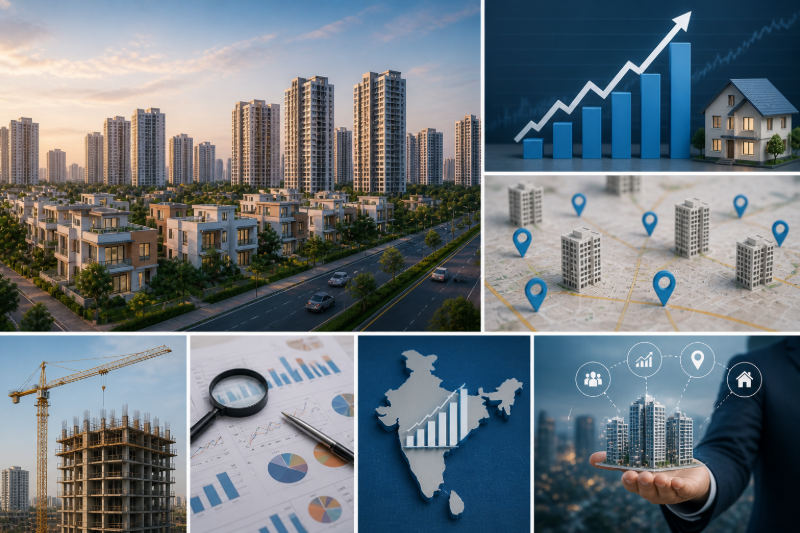
The Indian residential real estate market is projected to grow at a CAGR of 9% from 2023 to 2027, reaching an estimated market size of USD 280 billion by 2027. This growth will be driven by continued urbanization, government policies, and increasing foreign direct investment (FDI) in the real estate sector.

Emerging Trends
Green Buildings and Sustainable Development
There is a growing emphasis on eco-friendly and sustainable construction practices. Developers are increasingly adopting green building certifications and incorporating energy-efficient designs to attract environmentally conscious buyers.
Co-Living and Community Housing
The concept of co-living and community housing is gaining traction, especially among millennials and young professionals. These housing models offer affordable rent, shared amenities, and a sense of community.
Smart Homes
The integration of smart home technologies, such as IoT-enabled devices and home automation systems, is becoming a significant trend. Homebuyers are increasingly looking for properties that offer convenience, security, and energy efficiency through smart technologies.
Affordable Housing
The affordable housing segment will continue to be a major growth driver. The government's focus on providing housing for all, coupled with subsidies and incentives, will boost the supply and demand for affordable homes.
Investment Opportunities
Foreign Direct Investment (FDI) in real estate has been liberalized, attracting international investors. The implementation of RERA and other regulatory reforms has increased transparency, making the Indian real estate market more attractive to global investors.
Foreign Direct Investment (FDI): The relaxation of FDI norms continues to attract international investors. The inflow of foreign capital brings not only financial resources but also global best practices and technologies.
Real Estate Investment Trusts (REITs): The emergence of REITs in India provides a new avenue for investors to participate in the real estate market. REITs offer a way to invest in real estate without directly owning property, providing liquidity and diversification.
Affordable Housing Projects: With government support and strong demand, affordable housing projects offer attractive returns for developers and investors alike.
Conclusion
The Indian residential real estate market is poised for robust growth till 2027, driven by urbanization, government initiatives, economic growth, and technological advancements. While challenges such as land acquisition and regulatory compliance remain, the opportunities far outweigh the hurdles. Developers and investors who can navigate the dynamic landscape and capitalize on emerging trends will find substantial rewards in this vibrant market. As the market continues to evolve, staying informed and adaptable will be key to success in the Indian residential real estate sector.
Frequently Asked Questions
What is the current market size of India's residential real estate sector?
As of 2023, the Indian residential real estate market is estimated at approximately USD 180 billion. The market is expected to grow significantly through 2027, driven by rising demand for both affordable and luxury housing across metropolitan and Tier II/III cities.
Which cities dominate India's residential real estate market?
Major metropolitan cities like Mumbai, Delhi, Bangalore, Chennai, and Hyderabad continue to lead the market. However, Tier II and Tier III cities are experiencing robust growth due to urban sprawl and infrastructural development.
What are the different segments of India's residential real estate market?
The market is segmented into Mid-Income Housing (largest share, offering affordability and amenities), Luxury Housing (premium residences for high-income groups), and Ultra-Luxury Housing (exclusive properties for the ultra-rich with bespoke features and prime locations).
How has RERA impacted India's residential real estate market?
The Real Estate (Regulation and Development) Act, 2016 (RERA) brought transparency and accountability to the sector, significantly boosting consumer confidence and contributing to market growth and stability.
What is driving growth in India's luxury residential real estate segment?
The luxury housing segment is growing due to increasing wealth, rising affordability among high-income groups, and growing demand for premium living spaces with high-end amenities and exclusive locations.