

Green Building Materials in India: Sustainable Options for Modern Construction
The construction industry in India is undergoing a significant transformation. With rapid urbanization and increasing environmental concerns, the demand for sustainable building materials has grown exponentially. According to the Indian Green Building Council, green buildings in India have increased by over 250% in the last five years, with the market expected to reach ₹10,000 crores by 2030.
Green building materials are not just an environmental necessity—they're becoming an economic advantage. These materials reduce operational costs, improve indoor air quality, and enhance the overall value of properties. Whether you're a homeowner planning a residential project in Bangalore, a contractor in Mumbai, or a developer in Delhi, understanding the available sustainable options is crucial for modern construction.
Build cost · Bengaluru, May 2026
Why Green Building Materials Matter in India
India faces unique challenges in the construction sector. The country accounts for approximately 8-10% of global carbon emissions, with the building sector responsible for nearly 30% of that figure. Traditional construction materials like cement and concrete are energy-intensive to produce and contribute significantly to carbon emissions.
Green building materials address these concerns while offering practical benefits:
Reduced environmental impact: Lower carbon footprint and minimal waste generation
Cost savings: Lower operational costs through better insulation and energy efficiency
Health benefits: Improved indoor air quality and reduced toxic emissions
Regulatory compliance: Alignment with IGBC and LEED standards
Property value: Green certified buildings command 10-15% higher resale value in metro cities
Popular Green Building Materials Available in India
1. Recycled Steel and Aluminum
Recycled metals are increasingly popular in Indian construction. Steel can be recycled indefinitely without losing its properties, making it an excellent sustainable choice. The cost of recycled steel in India ranges from ₹45,000 to ₹55,000 per ton, compared to ₹50,000 to ₹60,000 for virgin steel.
Major suppliers like Tata Steel and JSW Steel now offer certified recycled products. These materials are ideal for structural frameworks, reinforcement, and architectural elements. In Pune and Ahmedabad, several commercial projects have successfully utilized recycled steel, reducing construction waste by up to 40%.
Frequently asked
2. Bamboo and Timber
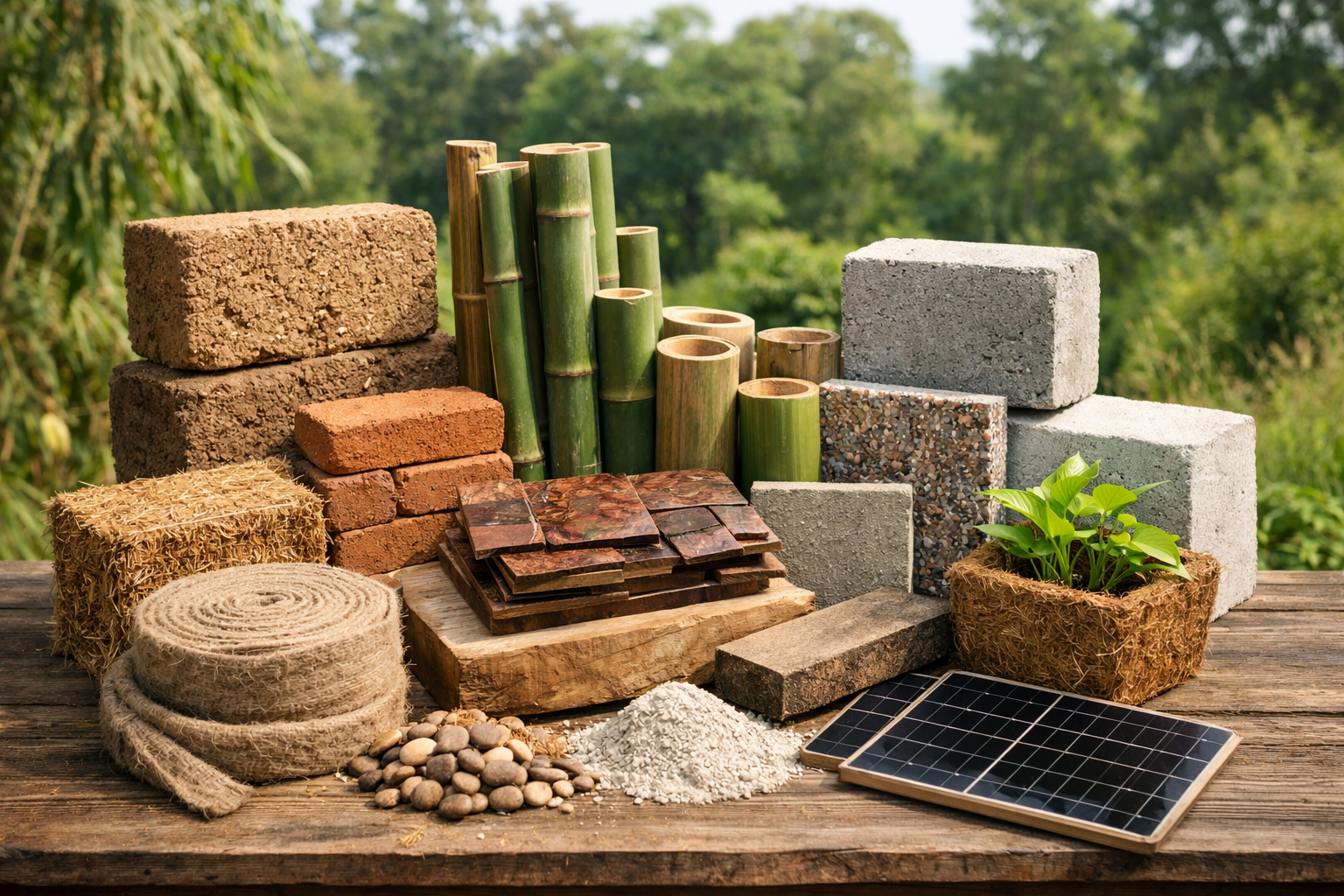
Bamboo is one of India's most sustainable building materials. It grows rapidly, requires no pesticides, and regenerates within 3-5 years. Bamboo's compressive strength is comparable to concrete, making it suitable for structural applications.
Current market pricing for bamboo in India:
Bamboo boards: ₹150-300 per sq. ft.
Bamboo flooring: ₹200-400 per sq. ft.
Bamboo reinforced composites: ₹250-350 per sq. ft.
Companies like Auroville Earth Institute in Tamil Nadu and Kerala-based bamboo cooperatives are producing certified bamboo products. Bamboo is particularly popular in Kerala, Goa, and North-East India for residential and commercial projects.
3. Recycled Plastic Lumber
Recycled plastic lumber combines waste plastic with wood fiber to create durable building components. This addresses India's plastic waste problem while creating useful materials. Pricing typically ranges from ₹180-250 per sq. ft., making it competitive with traditional wood.
Applications include:
Decking and outdoor platforms
Partition walls
Fencing and railings
Interior cladding
Several startups in Bangalore and Hyderabad are manufacturing recycled plastic lumber, with capacity growing at 25% annually.
4. Fly Ash and Recycled Aggregate Concrete
Fly ash, a byproduct of coal power plants, can replace 20-30% of cement in concrete, reducing costs and environmental impact. Recycled aggregate concrete uses crushed concrete from demolition sites instead of virgin aggregates.
Cost comparison for concrete:
Traditional concrete: ₹350-450 per cubic meter
Fly ash concrete: ₹300-380 per cubic meter
Recycled aggregate concrete: ₹320-400 per cubic meter
Fly ash concrete reduces cement consumption by up to 35%, significantly lowering carbon emissions. Major infrastructure projects in Delhi, Bangalore, and Chennai now mandate fly ash concrete for sustainability compliance.
5. Rammed Earth and Compressed Earth Blocks
Rammed earth construction is an ancient technique gaining renewed interest in India. It requires no firing, reducing energy consumption dramatically. Compressed earth blocks (CEBs) cost approximately ₹8-15 per block, compared to ₹6-10 for conventional bricks, but offer superior insulation properties.
Benefits of rammed earth:
Thermal mass reduces heating and cooling needs by 30-40%
Excellent sound insulation
Zero embodied energy when sourced locally
Ideal for dry climates (Rajasthan, Gujarat, parts of Madhya Pradesh)
6. Cork and Recycled Rubber
Cork flooring and tiles, made from harvested cork bark, are gaining popularity in Indian homes. Pricing ranges from ₹300-600 per sq. ft. Recycled rubber tiles, made from discarded tires, cost ₹150-350 per sq. ft. and are excellent for gyms, playgrounds, and commercial spaces.
7. Low-VOC Paints and Finishes
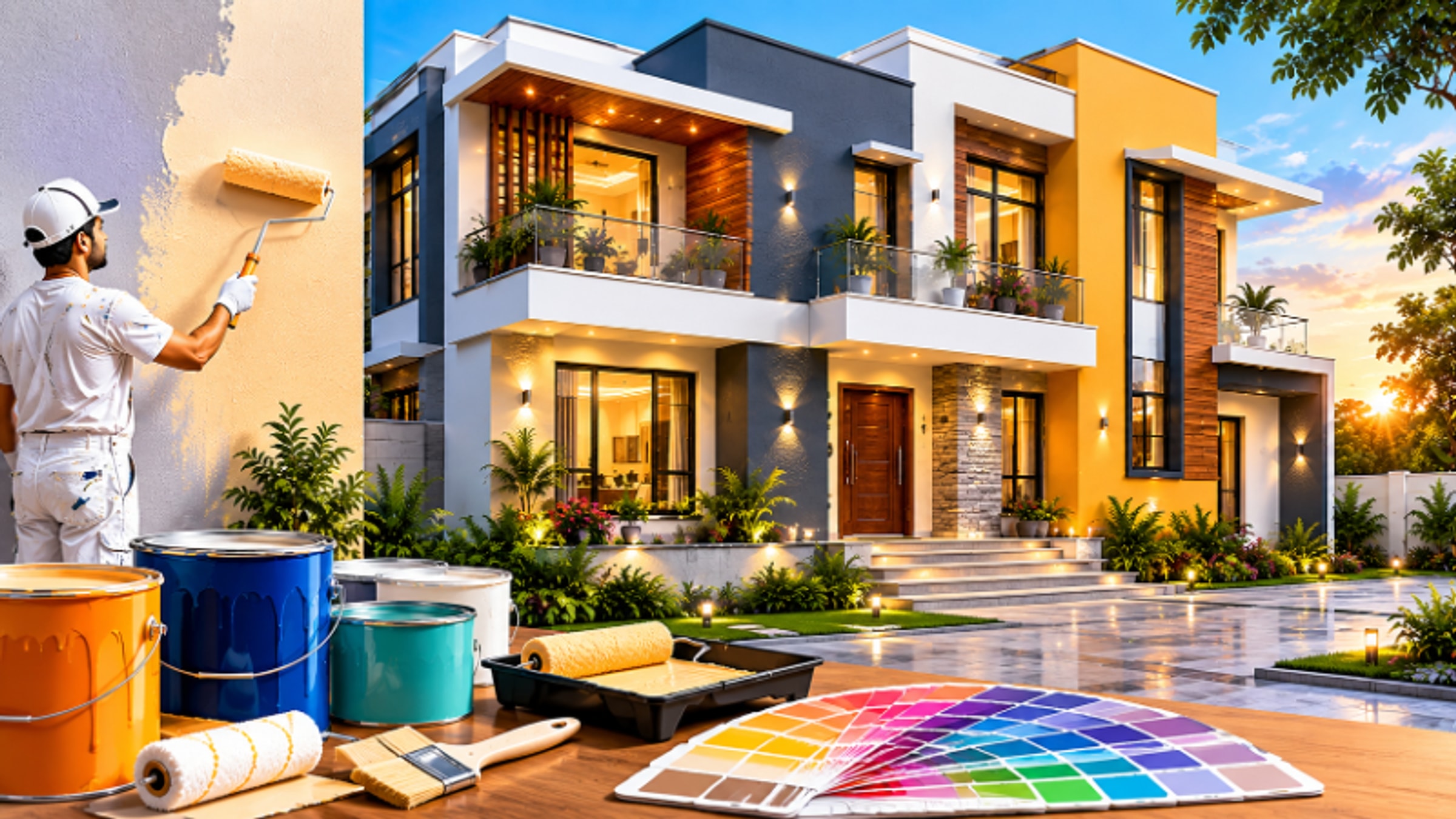
Volatile Organic Compounds (VOCs) in traditional paints contribute to indoor air pollution. Low-VOC paints cost approximately 15-25% more than conventional options (₹400-600 per liter vs. ₹300-450) but significantly improve indoor air quality.
Leading Indian brands offering low-VOC paints include:
Asian Paints Royale Health Shield
Berger Matteeo Eco
Nerolac Healthshield
Dulux Easycare
8. Solar-Integrated Materials
Building-integrated photovoltaics (BIPV) and solar roof tiles are emerging options. While initial costs are higher (₹150-250 per watt installed), long-term savings through reduced electricity costs make them economically viable in India's sunny climate.
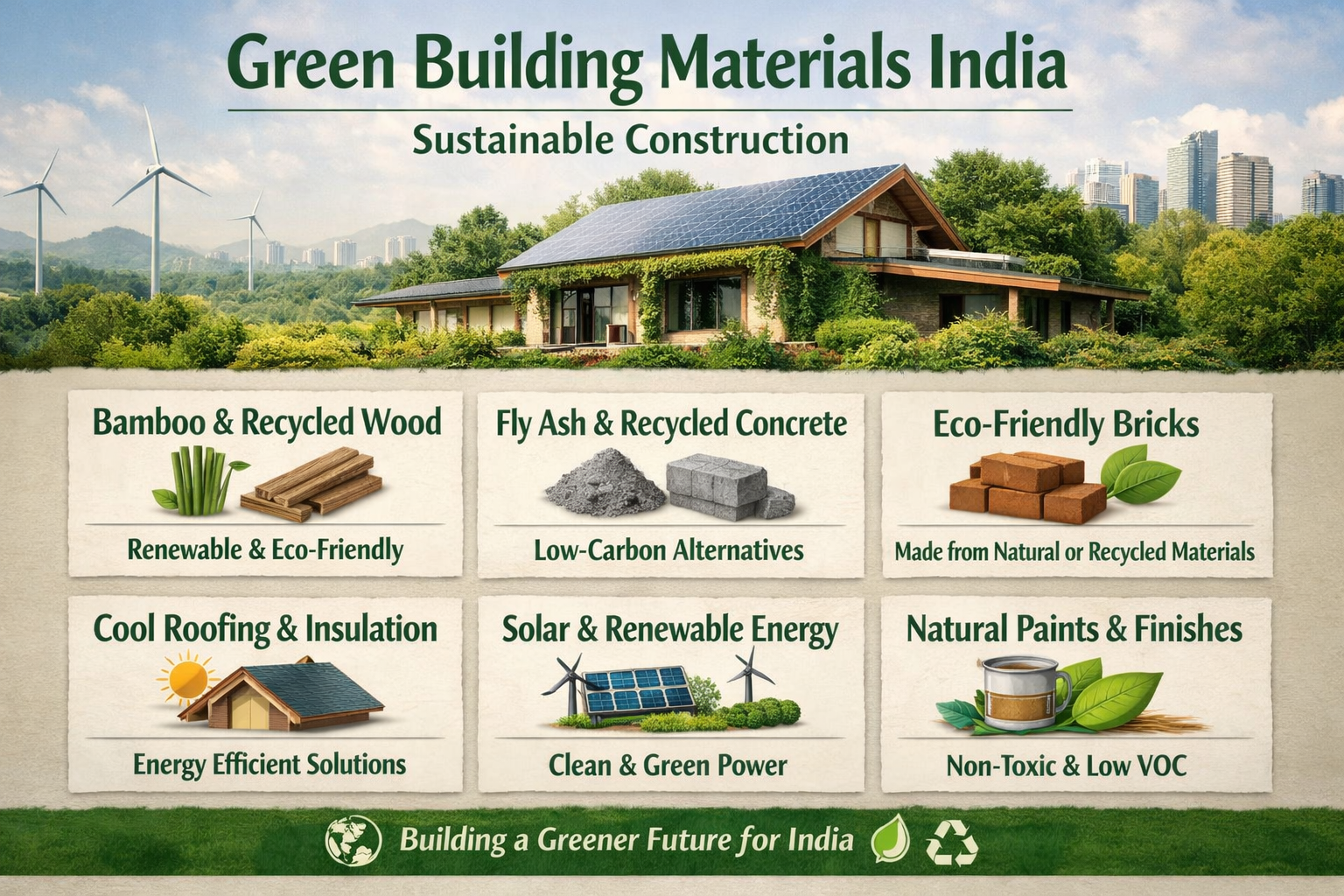
Regional Availability and Sourcing in India Northern India (Delhi, Haryana, Punjab)
The North has strong access to recycled steel from industrial hubs and fly ash from thermal power plants. Rammed earth construction is suitable for Rajasthan and parts of Haryana. Major suppliers include Tata Steel, JSW Steel, and local recycling units in Noida and Gurgaon.
Western India (Mumbai, Pune, Ahmedabad, Surat)
Gujarat and Maharashtra have established markets for green materials. Bamboo products are sourced from nearby regions, and recycled plastic lumber manufacturers are concentrated in Ahmedabad and Pune. The region also has strong LEED and IGBC project implementations.
Southern India (Bangalore, Chennai, Hyderabad, Kochi)
The South leads in bamboo production (especially Kerala) and has the highest concentration of green building projects. Bangalore and Hyderabad have emerging startups in recycled materials. Rammed earth is suitable for Telangana and parts of Karnataka.
Eastern India (Kolkata, Bhubaneswar)
The region has good access to fly ash from power plants and recycled materials. Bamboo and timber resources are available from nearby forests, though sustainable sourcing should be prioritized.
Cost Analysis: Green vs. Traditional Materials
A common misconception is that green materials are always more expensive. While initial costs may be higher, lifecycle costs often favor sustainable options:
Material | Initial Cost | Traditional Alternative | Payback Period |
Fly ash concrete | ₹300-380/m³ | ₹350-450/m³ | Immediate savings |
Bamboo flooring | ₹200-400/sq.ft | ₹250-450/sq.ft | 5-7 years |
Low-VOC paint | ₹400-600/liter | ₹300-450/liter | Health benefits (intangible) |
Recycled plastic lumber | ₹180-250/sq.ft | ₹150-250/sq.ft | Comparable |
Rammed earth | ₹400-600/sq.ft | ₹450-700/sq.ft | 3-5 years (energy) |
Certifications and Standards for Green Materials in India
When sourcing green building materials, look for recognized certifications:
IGBC Certification: Indian Green Building Council certifies green buildings and materials
LEED Certification: Widely recognized international standard with Indian projects
BEE Rating: Bureau of Energy Efficiency ratings for energy performance
ISI Mark: Indian Standards Institution ensures quality and safety
Green Pro Certification: Specific to building materials in India
CRADLE TO CRADLE: International certification for material sustainability
Finding Green Materials on AECORD
AECORD's B2B2C marketplace connects builders, architects, and homeowners with verified suppliers of green building materials across India. The platform allows you to:
Compare prices and specifications of sustainable materials from multiple suppliers
Access supplier certifications and ratings
Read project case studies using specific materials
Connect directly with manufacturers and distributors
Find regional suppliers for faster delivery and better pricing
Whether you're sourcing fly ash concrete in Bangalore, bamboo products in Kerala, or recycled steel in Mumbai, AECORD provides transparent pricing and verified supplier information to streamline your procurement process.
Practical Tips for Selecting Green Materials
1. Assess Your Climate and Location
Choose materials suited to your region's climate. Rammed earth works better in dry areas, while bamboo is ideal for humid regions. Consider local sourcing to reduce transportation emissions.
2. Calculate Lifecycle Costs
Don't just look at initial purchase price. Include installation, maintenance, replacement, and operational costs over 20-30 years. Green materials often win on lifecycle analysis.
3. Verify Certifications
Always check for IGBC, LEED, or equivalent certifications. Avoid greenwashing—ensure materials genuinely meet sustainability standards.
4. Source Responsibly
For bamboo and timber, verify sustainable harvesting practices. For recycled materials, confirm the sourcing chain is transparent and legitimate.
5. Plan for Integration
Green materials work best as part of an integrated design. Combine recycled concrete, low-VOC paints, and energy-efficient systems for maximum benefit.
Case Studies: Green Materials in Indian Projects
Commercial Project in Bangalore
A 50,000 sq. ft. office building in Bangalore's tech corridor used fly ash concrete, recycled steel, and low-VOC paints. Total material cost was 8% lower than conventional construction, while achieving LEED Gold certification. Annual energy savings: ₹12 lakhs.
Residential Complex in Pune
A 200-unit residential project incorporated bamboo flooring, rammed earth walls, and solar tiles. Initial cost premium was 12%, but the project commanded 18% higher property valuations and attracted premium buyers focused on sustainability.
Institutional Building in Chennai
A school building used compressed earth blocks and recycled plastic lumber for partitions, achieving 40% waste reduction during construction and 35% lower operational energy costs.
Future Trends in Green Building Materials
The green building materials market in India is evolving rapidly:
Bio-based concrete: Using agricultural waste like rice husk ash
Mycelium composites: Fungus-based materials for insulation and panels
Recycled ocean plastic: Emerging startups converting marine waste into building materials
Self-healing concrete: Materials that repair cracks autonomously
AI-optimized sourcing: Digital platforms matching projects with optimal sustainable materials
Conclusion
Green building materials are no longer niche products in India—they're becoming mainstream necessities. From fly ash concrete and bamboo to recycled steel and low-VOC paints, sustainable options exist for every aspect of construction.
The combination of environmental responsibility, economic benefits, and regulatory compliance makes green materials a smart choice for modern construction in India. Whether you're building in metro cities like Delhi, Mumbai, Bangalore, or emerging urban centers, sustainable materials are now accessible, affordable, and proven to deliver long-term value.
By understanding the available options, calculating true costs, and sourcing from certified suppliers, you can build projects that are better for the environment, your wallet, and the people who inhabit them.
Frequently Asked Questions
Are green building materials significantly more expensive than traditional materials?
Not necessarily. While some green materials have higher initial costs, many (like fly ash concrete and recycled plastic lumber) are actually cheaper than traditional alternatives. When you factor in lifecycle costs—including energy savings, maintenance, and durability—green materials often prove more economical over 20-30 years. For example, fly ash concrete costs 15% less than conventional concrete while reducing carbon emissions by 35%.
Which green materials are best suited for India's climate?
This depends on your region. For hot, dry climates (Rajasthan, parts of Gujarat), rammed earth and compressed earth blocks provide excellent thermal mass. For humid regions (Kerala, coastal areas), bamboo and recycled materials work well. For most of India's temperate zones, fly ash concrete, recycled steel, and low-VOC paints are universally suitable. Always consider local climate patterns when selecting materials.
How do I verify that green materials are genuinely sustainable?
Look for recognized certifications like IGBC (Indian Green Building Council), LEED, or ISI marks. Check the supplier's credentials and ask for documentation about sourcing and manufacturing processes. Be wary of greenwashing—some products claim sustainability without proper certification. AECORD's verified suppliers provide transparent information about certifications and sourcing practices.
Where can I source green building materials in India?
Major suppliers include Tata Steel and JSW Steel for recycled metals, Kerala-based bamboo cooperatives, regional fly ash suppliers near thermal power plants, and emerging startups in Bangalore and Hyderabad for recycled plastics. AECORD's marketplace connects you with verified suppliers across India, making it easy to compare options and source materials for your specific location.
Do green buildings require different construction techniques?
Most green materials can be integrated into conventional construction with minimal changes. However, some materials like rammed earth or bamboo may require specialized labor or expertise. It's advisable to work with architects and contractors experienced in sustainable construction to ensure proper installation and maximum benefits. The learning curve is generally short, and many contractors in major Indian cities now have green building experience.