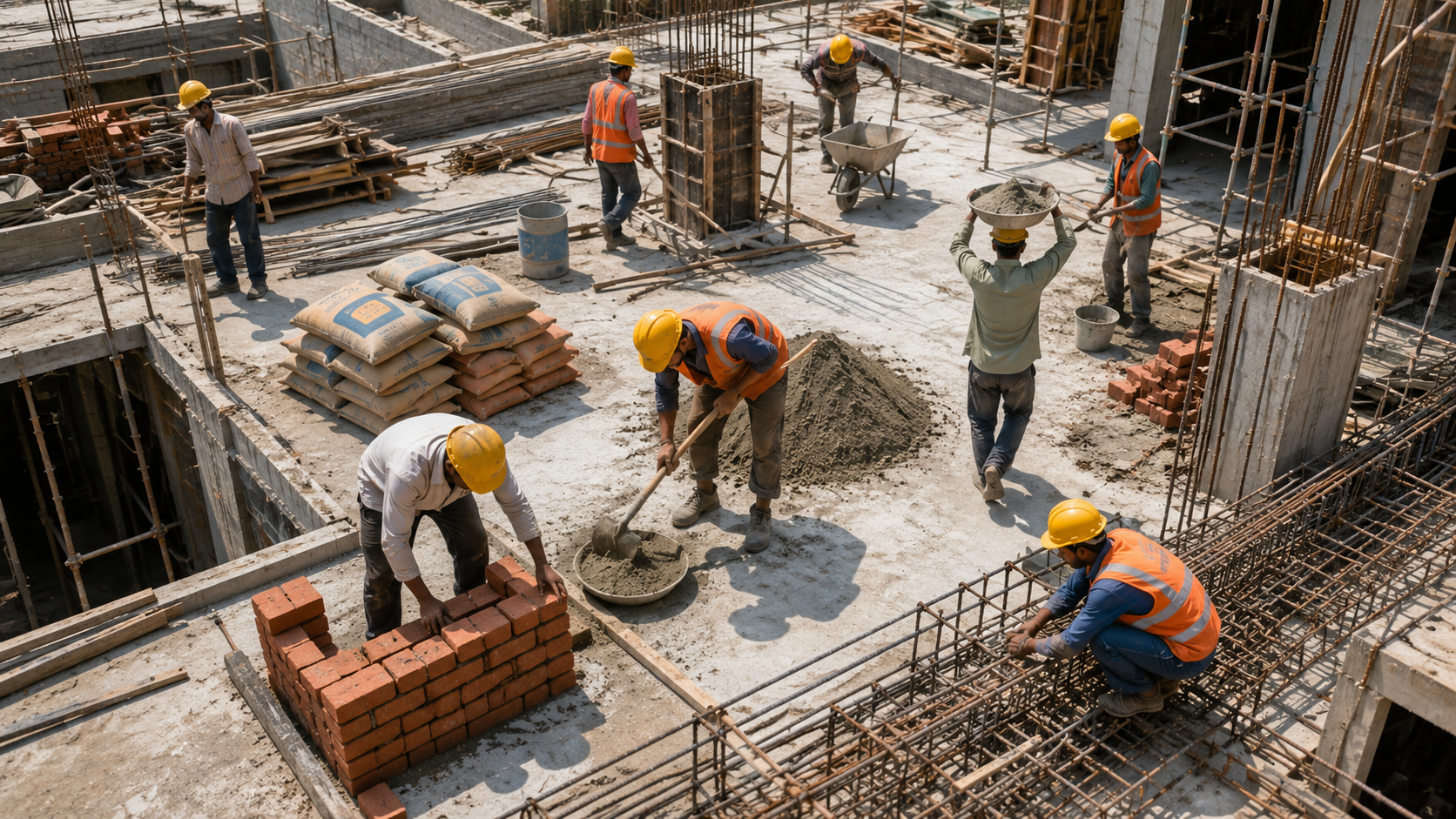
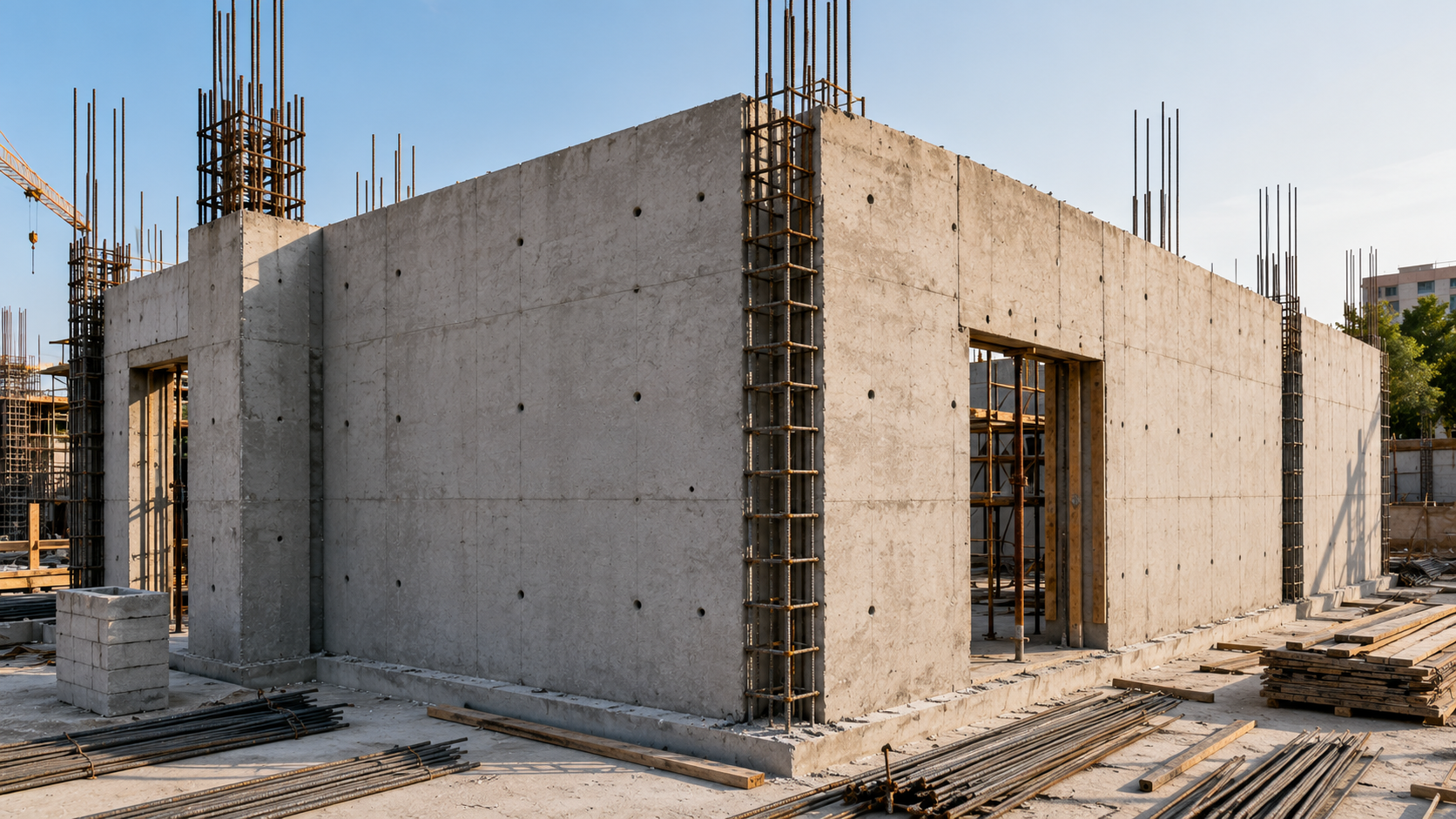
India's construction industry is undergoing a significant transformation, with sustainability and green building practices becoming increasingly important. One certification that stands at the forefront of this movement is the Indian Green Building Council (IGBC) certification. Whether you're a developer, architect, contractor, or facility manager, understanding the benefits of IGBC certification can help you make informed decisions about your projects and career path.
What is IGBC Certification?
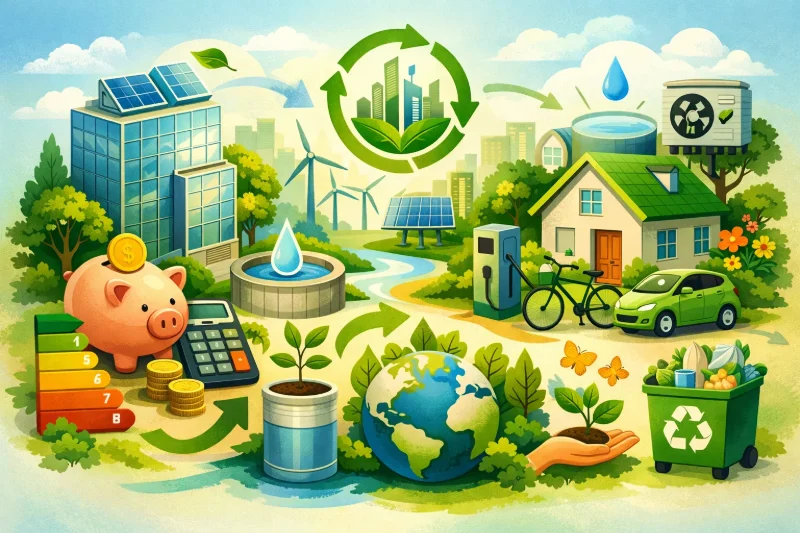
The Indian Green Building Council (IGBC) is a non-profit organization that promotes sustainable building practices across India. IGBC certification is a rating system that evaluates buildings based on their environmental performance, energy efficiency, water conservation, waste management, and occupant health and well-being. The certification provides a framework for designing, constructing, and operating buildings in a more sustainable manner.
IGBC offers several certification programs tailored to different building types and project stages, including residential buildings, commercial complexes, industrial facilities, and existing buildings. These certifications follow green building principles that align with international standards while being adapted to India's climate, culture, and economic conditions.
Build cost · Bengaluru, May 2026
Key Benefits of IGBC Certification
1. Significant Cost Savings and Operational Efficiency
One of the most compelling reasons to pursue IGBC certification is the substantial financial savings it generates. Buildings certified by IGBC typically consume 20-30% less energy compared to conventional buildings. For a commercial building in India, this translates to significant reductions in electricity bills, which can amount to savings of lakhs of rupees annually.
Water conservation is another major cost driver. IGBC-certified buildings incorporate rainwater harvesting, efficient plumbing fixtures, and wastewater recycling systems that can reduce water consumption by 20-30%. In cities like Bangalore, Delhi, and Mumbai, where water scarcity is increasingly becoming a concern, these savings are both financially and environmentally significant.
Additionally, reduced waste management costs through better construction waste segregation and recycling practices further improve the bottom line. Many organizations report recovering their initial green building investment within 5-7 years through operational savings alone.
2. Enhanced Property Value and Market Competitiveness
IGBC certification significantly increases the market value of properties. Research shows that green buildings command premium rents and sale prices—typically 10-15% higher than non-certified buildings in major Indian metros like Mumbai, Bangalore, and Hyderabad. Tenants and buyers increasingly prefer certified buildings, recognizing the long-term value proposition and lower operating costs.
For developers and real estate companies, IGBC certification becomes a powerful marketing tool. It differentiates properties in a competitive market, attracts quality tenants and investors, and supports premium positioning. Properties like those in tech parks and commercial zones across India's tier-1 cities have seen increased demand following IGBC certification.
Frequently asked
3. Compliance with Regulatory Requirements
Various Indian cities and states are increasingly mandating or incentivizing green building practices. Some municipal corporations and state governments offer tax benefits, faster approvals, and density bonuses for IGBC-certified projects. For instance, several states provide stamp duty reductions and property tax exemptions for green buildings.
By obtaining IGBC certification early in the project lifecycle, developers can ensure compliance with evolving regulations and avoid costly retrofits or penalties later. This proactive approach also streamlines the approval process with municipal authorities who increasingly recognize and value green building standards.
4. Improved Indoor Environmental Quality
IGBC certification requires strict adherence to standards that improve indoor air quality, natural lighting, and thermal comfort. These factors directly impact occupant health, productivity, and well-being. Studies show that employees working in green buildings report higher satisfaction levels, better health outcomes, and improved concentration.
For commercial buildings, this translates to increased productivity and reduced absenteeism. Educational institutions and healthcare facilities with IGBC certification report better performance metrics and user satisfaction. Residential buildings benefit from healthier living environments, particularly important in pollution-prone Indian cities.
5. Environmental Impact and Sustainability
IGBC certification ensures that buildings minimize their environmental footprint throughout their lifecycle. This includes reducing carbon emissions, conserving natural resources, and minimizing waste generation. For a country like India, where environmental challenges are significant, contributing to sustainability through green buildings is both a moral and business imperative.
Green buildings reduce the strain on local infrastructure, particularly water and electricity systems. In water-stressed regions like Rajasthan and parts of Maharashtra, IGBC-certified buildings' water conservation measures provide substantial relief to municipal systems and contribute to long-term sustainability.
6. Access to Green Financing and Incentives
Banks and financial institutions increasingly offer preferential loan terms for IGBC-certified projects. Interest rates can be 0.5-1% lower for green building loans, and approval timelines are often faster. Major lenders like HDFC Bank, ICICI Bank, and State Bank of India have dedicated green financing programs.
Additionally, various government schemes provide subsidies and grants for green building projects. The Ministry of Power's Super-efficient Equipment Program (SEEP) and state-level renewable energy incentives can significantly reduce initial capital costs for sustainable building features.
7. Career Advancement and Professional Recognition
For architects, engineers, and construction professionals, IGBC certification demonstrates expertise in sustainable design and construction. This specialization is increasingly valued in the industry, often leading to higher fees, better project opportunities, and career advancement. Professionals with IGBC accreditation can position themselves as thought leaders in the growing green building sector.
If you're looking to enhance your professional credentials, exploring resources and networking with certified professionals on platforms like AECORD can help you connect with leading experts and stay updated on industry trends.

IGBC Certification Levels
IGBC offers multiple certification levels, each with increasing stringency and requirements:
Platinum Certification
The highest level, requiring 80 or more points out of 100. Platinum-certified buildings exemplify best practices in green construction and are often showcased as industry benchmarks.
Gold Certification
Requiring 60-79 points, Gold certification represents excellent green building performance and is the most commonly pursued level by developers seeking a balance between investment and returns.
Silver Certification
Requiring 50-59 points, Silver certification demonstrates significant commitment to sustainable practices and is an excellent starting point for organizations new to green building.
Certified Rating
Requiring 40-49 points, this entry-level certification acknowledges basic compliance with green building standards.
IGBC Certification Process and Timeline
Understanding the certification process helps developers and project managers plan effectively:
Registration Phase
Projects are registered during the design stage. This early involvement allows teams to incorporate green building principles from the outset, which is more cost-effective than retrofitting later.
Design Phase Evaluation
Submitted design documents are evaluated against IGBC criteria. This phase typically takes 4-6 weeks and provides valuable feedback for optimization.
Construction Phase Monitoring
During construction, compliance with green building practices is monitored. Regular documentation and audits ensure that design commitments are being fulfilled on-site.
Final Certification
Post-construction, a final audit verifies that all committed features have been implemented. Certification is awarded once all requirements are met.
The entire process typically takes 6-12 months, depending on project complexity and the chosen certification level. Engaging experienced consultants familiar with AECORD's network of professionals can streamline this process significantly.
IGBC Certification Across Different Building Types
Commercial Buildings
Office complexes and commercial buildings are the most commonly certified building type. Features typically include energy-efficient HVAC systems, LED lighting with occupancy sensors, and smart building management systems. In Bangalore's IT corridor and Mumbai's business districts, IGBC-certified commercial buildings command premium rents.
Residential Buildings
Residential projects focus on water conservation, waste management, and indoor air quality. Features include efficient plumbing fixtures, rainwater harvesting systems, and provision for renewable energy sources. Residential IGBC certification appeals to environmentally conscious buyers and supports premium positioning.
Industrial Facilities
Industrial buildings emphasize waste management, pollution control, and worker safety. IGBC certification for factories and manufacturing units demonstrates commitment to environmental responsibility and can improve relations with local communities and regulatory authorities.
Existing Buildings
The IGBC Existing Buildings (EB) rating system allows retrofitting of older buildings. This is particularly valuable for organizations looking to upgrade existing facilities without complete reconstruction, making green building practices accessible to a broader range of property owners.
Challenges and Considerations
While IGBC certification offers numerous benefits, there are challenges to consider:
Initial Capital Investment
Green building features typically require 2-5% additional upfront investment. However, this cost is usually recovered within 5-7 years through operational savings. Securing green financing can help manage this initial burden.
Technical Expertise Requirements
Implementing IGBC standards requires specialized knowledge. Engaging certified professionals and consultants is essential, though this adds to project costs. Platforms like AECORD can help you find qualified professionals with IGBC expertise in your region.
Behavioral Changes
Green buildings require occupants to adopt sustainable practices. Education and awareness programs are necessary to maximize the benefits of certified buildings.
Real-World Examples in India
Several Indian organizations have successfully implemented IGBC certification:
Infosys Headquarters (Bangalore): One of India's first Platinum-certified buildings, demonstrating significant energy and water savings.
DLF Cyber City (Gurgaon): Multiple IGBC-certified office complexes setting benchmarks for commercial green building.
ITC Green Centre (Hyderabad): A showcase of sustainable building practices in South India.
Mahindra Lifespace Developments (Multiple Locations): Residential projects across India achieving IGBC Gold certification.
Future of IGBC Certification in India
The green building sector in India is experiencing rapid growth. With increasing environmental awareness, stricter regulations, and growing investor interest in sustainability, IGBC certification is becoming increasingly mainstream. The government's commitment to achieving net-zero emissions and the National Action Plan on Climate Change further support this trend.
Emerging technologies like IoT-enabled building management systems, AI-driven energy optimization, and advanced renewable energy solutions are making it easier and more cost-effective to achieve IGBC certification. These innovations are expected to drive wider adoption across India's construction industry.
Getting Started with IGBC Certification
If you're considering IGBC certification for your project, follow these steps:
Assess Your Project: Determine which IGBC rating system is most appropriate for your building type and project stage.
Assemble Your Team: Engage architects, engineers, and consultants with IGBC expertise. Platforms like AECORD connect you with certified professionals across India.
Conduct a Feasibility Study: Evaluate the cost-benefit analysis specific to your project and location.
Register Early: Register your project with IGBC during the design phase to maximize benefits.
Plan Implementation: Develop a detailed plan for achieving target certification level.
Monitor Progress: Ensure consistent compliance throughout design and construction phases.
Document Everything: Maintain comprehensive documentation for the final certification audit.
Conclusion
IGBC certification represents a strategic investment in the future of your building and business. The benefits—ranging from significant cost savings and enhanced property values to improved occupant health and environmental impact—make it a compelling choice for developers, architects, and facility managers across India.
Whether you're planning a new commercial complex in Delhi, a residential project in Mumbai, or an industrial facility in Pune, IGBC certification provides a proven framework for sustainable, profitable building development. The growing market demand for green buildings, combined with regulatory incentives and financing support, makes this the opportune time to pursue certification.
Ready to explore IGBC certification for your project? Connect with experienced IGBC-certified professionals on AECORD today. Our platform brings together architects, engineers, consultants, and contractors who specialize in sustainable building practices across India. Find the right expert for your project, discuss your green building goals, and take the first step toward creating buildings that are better for your business and the environment.
Frequently Asked Questions
How much can IGBC certification save on energy and water costs?
IGBC-certified buildings typically consume 20-30% less energy and 20-30% less water compared to conventional buildings, resulting in significant annual savings on electricity and water bills. Many organizations recover their initial green building investment within 5-7 years through operational savings alone.
What is the difference in property value between IGBC-certified and non-certified buildings?
IGBC-certified buildings command premium rents and sale prices that are typically 10-15% higher than non-certified buildings in major Indian metros like Mumbai, Bangalore, and Hyderabad, making them more attractive to tenants and buyers.
What types of buildings can get IGBC certification?
IGBC offers certification programs tailored to different building types including residential buildings, commercial complexes, industrial facilities, and existing buildings, with frameworks adapted to India's climate, culture, and economic conditions.
Are there tax benefits or regulatory incentives for IGBC-certified buildings?
Yes, various Indian cities and states offer tax benefits, faster approvals, and density bonuses for IGBC-certified projects, including stamp duty reductions and property tax exemptions for green buildings.
How does IGBC certification help with water conservation?
IGBC-certified buildings incorporate rainwater harvesting, efficient plumbing fixtures, and wastewater recycling systems that reduce water consumption by 20-30%, which is especially valuable in water-scarce cities like Bangalore, Delhi, and Mumbai.