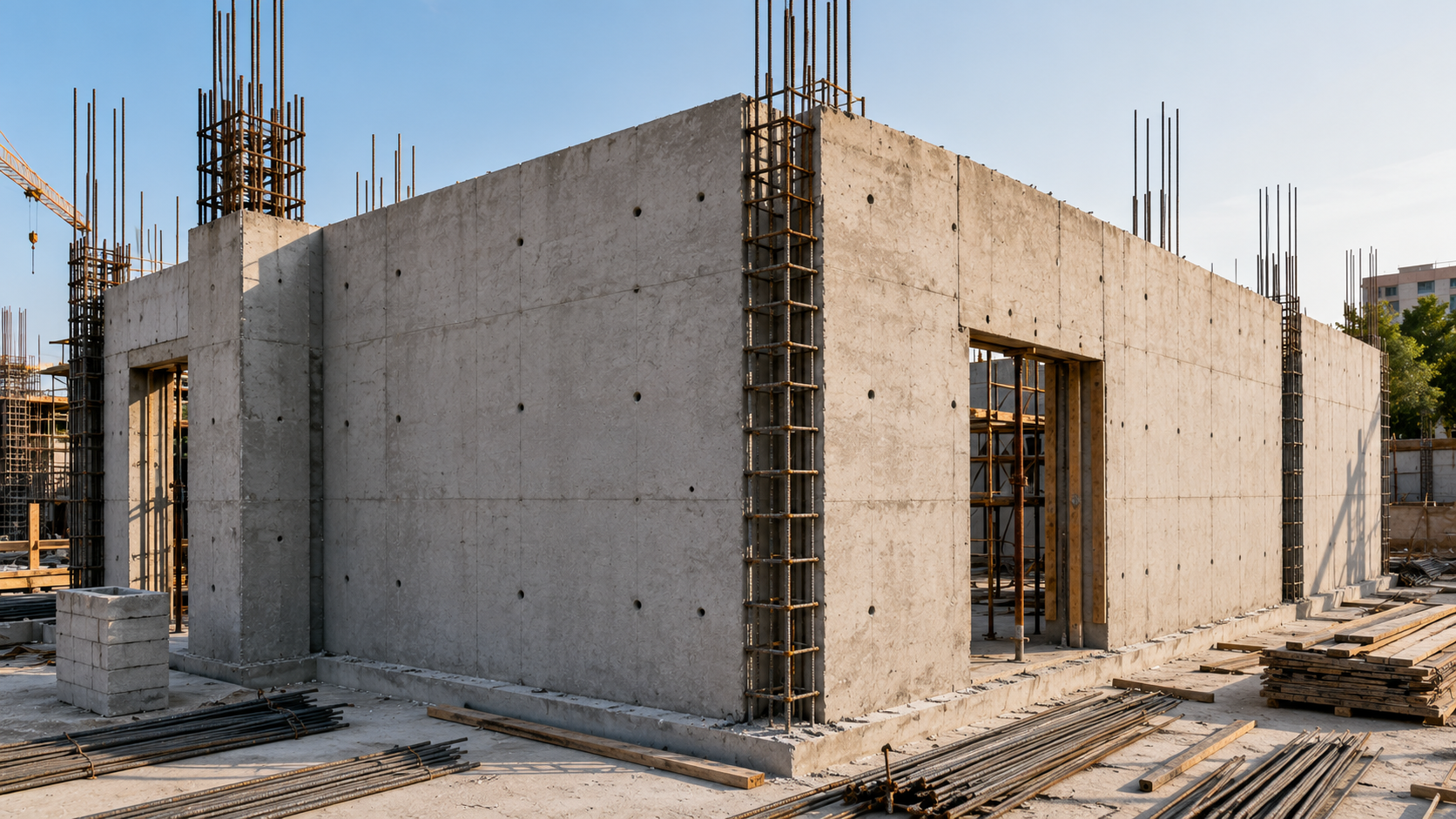


Concrete is not merely a construction material; it is the very essence of modern architecture. As a versatile building material, concrete plays a crucial role in shaping the built environment. Its inherent strength allows for the creation of structures that are not only aesthetically pleasing but also capable of withstanding the test of time.
Understanding the Role of Concrete in Modern Architecture

Concrete has shaped the evolution of modern architecture—from its origins in ancient Roman engineering to today’s innovative and sustainable building practices. Over centuries, it has transformed into a versatile, high-performance material that empowers architects to create bold forms, open spaces, and ambitious structural designs. Modern reinforced concrete adds strength, durability, and flexibility, making it essential for contemporary construction and urban development. As technology advances, concrete continues to redefine what’s possible in architecture, serving not just as a building material but as the backbone of creative, resilient, and future-ready design. Sustainability in Modern Architectural Practices

Sustainability is reshaping how concrete is used in modern architecture, with designers focusing on reducing environmental impact through low-carbon mixes and eco-friendly construction methods. New formulations that blend supplementary materials like fly ash help cut down cement usage, while precast concrete supports efficient manufacturing and minimizes on-site waste. Innovations such as self-healing concrete and high-performance mixtures enhance durability, allowing structures to withstand harsh conditions and last longer with less maintenance. Together, these advancements are transforming concrete into a smarter, greener, and more resilient building material for future-ready architectural design.
Build cost · Bengaluru, May 2026
Architectural Design Trends Featuring Concrete

Concrete continues to redefine modern architectural design, enabling fluid shapes and expressive forms that push beyond traditional construction limits. From timeless icons like the Pantheon to engineering marvels such as the Sydney Opera House, concrete proves its versatility, strength, and creative potential. Today, innovation is driving the material even further, with sustainable solutions like low-carbon concrete and self-healing formulations enhancing performance and reducing environmental impact. The rise of 3D-printed concrete is unlocking new possibilities for bold geometries and fully customized designs, positioning concrete as a key player in the future of architectural innovation.
The Architect's Perspective on Concrete

Concrete plays a transformative role in modern architectural vision, empowering architects to turn ambitious ideas into real, expressive structures that merge creativity with strength. Today’s designers use concrete not just for stability but to craft functional, aesthetic spaces that define contemporary architecture. While the material offers immense flexibility, it also brings challenges—especially its environmental impact. To overcome this, the industry is embracing sustainable solutions such as low-carbon concrete mixes, supplementary materials like fly ash, and new eco-friendly production methods. These advancements are helping architects balance beauty, performance, and sustainability as they shape the future of modern design.
Conclusion
Concrete continues to stand as the foundation of modern architecture, combining strength, versatility, and timeless design appeal. With the integration of advanced technologies like BIM (Building Information Modelling), architects and engineers are redefining how concrete structures are conceived, built, and sustained. From sleek minimalist homes to large-scale urban marvels, concrete design is evolving into a symbol of both aesthetic innovation and environmental responsibility. As the architectural world moves toward smarter, sustainable solutions, concrete remains the true backbone of contemporary design, enabling creativity, functionality, and future-ready construction AECORD: Empowering Modern Design and Collaboration
In this evolving landscape, AECORD acts as a catalyst for progress—connecting architects, engineers, and designers on one collaborative platform. By integrating advanced tools and promoting seamless coordination, AECORD enhances the way professionals design, construct, and deliver modern concrete projects. As the industry moves toward smarter, greener, and more innovative practices, AECORD stands as a trusted partner in shaping the backbone of contemporary design and architectural excellence.
Frequently asked
Frequently Asked Questions
Why is concrete considered the backbone of modern architecture?
Concrete is essential to modern architecture because its inherent strength allows architects to create aesthetically pleasing structures that withstand the test of time. Modern reinforced concrete provides the flexibility, durability, and structural capability needed for bold forms, open spaces, and ambitious contemporary designs.
How is concrete becoming more sustainable in modern construction?
Sustainable concrete practices include using low-carbon mixes, supplementary materials like fly ash to reduce cement usage, and precast concrete methods that minimize on-site waste. Innovations like self-healing concrete and high-performance mixtures also enhance durability, allowing structures to last longer with reduced maintenance and environmental impact.
What are the latest design trends using concrete in architecture?
Current concrete design trends include 3D-printed concrete for bold geometries and customized designs, sustainable low-carbon formulations, and self-healing concrete technologies. These innovations enable architects to create fluid, expressive forms while reducing environmental impact and improving structural performance.
What makes reinforced concrete different from traditional concrete?
Reinforced concrete combines concrete with steel reinforcement to add strength, flexibility, and durability, making it ideal for modern construction. This advancement allows architects to create more ambitious structural designs and handle greater loads compared to traditional unreinforced concrete.
How does 3D-printed concrete change architectural possibilities?
3D-printed concrete unlocks new possibilities for creating bold geometries and fully customized designs that would be difficult or impossible with traditional construction methods. This technology enables architects to push beyond conventional limits and explore innovative forms while maintaining structural integrity.