Introduction: India's Architectural Marvels Await
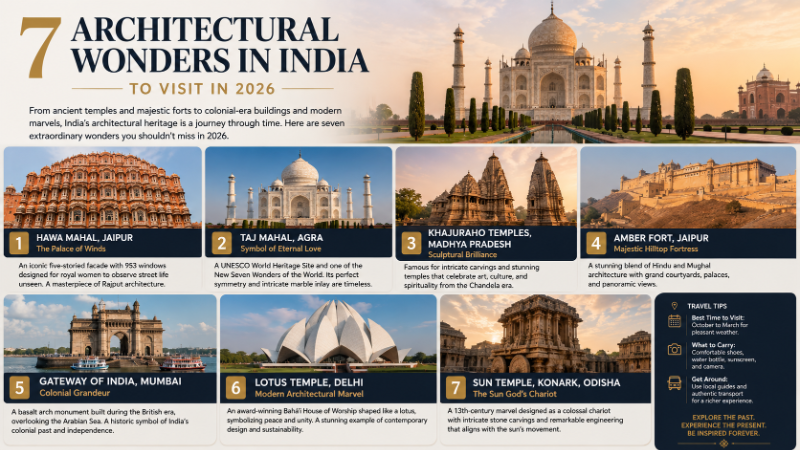
India stands as a living testament to centuries of architectural brilliance, where ancient temples, colonial structures, and modern marvels coexist in harmonious diversity. Whether you're an architecture enthusiast, a cultural traveler, or simply someone who appreciates the craftsmanship behind iconic structures, India's architectural wonders offer experiences that transcend mere sightseeing. As we look ahead to 2026, now is the perfect time to plan your journey to these magnificent destinations that showcase the evolution of Indian design and construction excellence.
From the intricate stone carvings of South Indian temples to the grandeur of Mughal architecture and contemporary sustainable designs, India's built environment tells stories of innovation, cultural pride, and technical mastery. This comprehensive guide explores seven architectural wonders you absolutely must visit in 2026, complete with practical travel tips and insights into what makes each structure extraordinary.
Build cost · Bengaluru, May 2026
1. Taj Mahal, Agra – The Epitome of Eternal Love
Why It Remains Essential
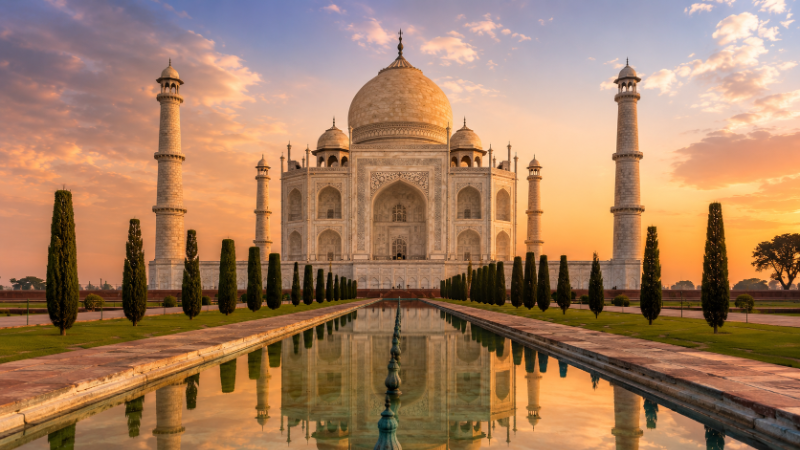
No architectural pilgrimage through India is complete without experiencing the Taj Mahal in Agra, Uttar Pradesh. Built between 1632 and 1653 by Mughal Emperor Shah Jahan as a mausoleum for his beloved wife Mumtaz Mahal, this UNESCO World Heritage Site represents the pinnacle of Mughal architecture. The structure combines Persian, Islamic, and Indian architectural styles in ways that continue to inspire architects and engineers worldwide.
Architectural Highlights
The Taj Mahal's symmetrical design is nothing short of miraculous. The main structure measures 73.5 meters on each side, with a central dome reaching 73 meters in height. The marble used—sourced from Makrana in Rajasthan—features inlay work with semi-precious stones including jade, crystal, turquoise, and coral. What makes this structure truly remarkable is the optical illusion created by its proportions; the building appears smaller from a distance than it actually is, a deliberate design choice by architects Ustad Ahmad Lahauri and Ustad Isa. /blog/latest-house-elevation-designs-india-2026
The four minarets surrounding the main structure lean slightly outward, a safety feature that prevents them from falling onto the central mausoleum in case of earthquakes—a sophisticated understanding of structural engineering for the 17th century.
Frequently asked
Visiting Tips for 2026
Visit during early morning hours (6:00-8:00 AM) to avoid crowds and experience the marble's changing colors as sunlight shifts
Entry fee: ₹250 for Indian citizens, ₹6,300 for foreign nationals (2024 rates; verify for 2026)
Photography is allowed in the gardens but not inside the main mausoleum
Hire a certified guide to understand the intricate architectural details and historical context
2. Khajuraho Temples, Madhya Pradesh – Medieval Sculptural Mastery
The Architectural Marvel
The Khajuraho temples in Madhya Pradesh represent an extraordinary achievement in medieval Indian architecture, built between the 10th and 11th centuries during the Chandela dynasty. Comprising 85 temples originally (22 remain today), this complex showcases the Nagara architectural style with stunning precision and artistic excellence.
Structural Innovation and Design
What sets Khajuraho apart is the sophisticated understanding of structural mechanics displayed by ancient architects. The temples are built without any binding material—just precisely cut stones fitted together so perfectly that a knife blade cannot slide between them. The intricate stone carvings cover nearly every surface, featuring over 1,000 sculptural pieces depicting religious narratives, celestial beings, and scenes of daily life.
The largest temple, Kandariya Mahadev, stands 31 meters tall and features a complex internal layout with multiple chambers and passages. The corbelled arches and load-bearing stone techniques used here influenced architectural practices across India for centuries.
Practical Information
Located approximately 175 km from Jabalpur; nearest airport in Khajuraho itself
Best visiting season: October to March
Entry fee: ₹250 for Indian citizens, ₹6,300 for foreign nationals
Allow 4-6 hours to explore the temple complex thoroughly
3. Meenakshi Temple, Madurai – South Indian Grandeur
Dravidian Architecture at Its Finest
The Meenakshi Temple in Madurai, Tamil Nadu, stands as one of the largest functioning Hindu temples in the world and represents the pinnacle of Dravidian architectural style. Originally built in the 6th century and extensively renovated during the 14th-17th centuries, this temple complex spans 14 acres and continues to evolve.
Architectural Elements
The temple features four magnificent gopurams (temple towers) with the tallest reaching 52 meters. The gopurams are covered with thousands of colorful stucco sculptures depicting Hindu deities and mythological scenes. The intricate stone carvings, ornamental pillars, and elaborate corridors showcase the advanced understanding of both aesthetics and structural engineering that Dravidian architects possessed.
The Hall of Thousand Pillars (actually 985 pillars) is a masterpiece of sculptural architecture, with each pillar uniquely carved and supporting the temple's upper structure. The precision required for this construction, completed in the 16th century, demonstrates remarkable mathematical and architectural knowledge.
Visitor Information
Open daily from 5:00 AM to 9:30 PM (timings may vary)
Entry is free for devotees and visitors
Photography rules vary in different sections; check with temple authorities
Hire an English-speaking guide to understand the religious and architectural significance
Best time to visit: October to February
4. Hawa Mahal, Jaipur – Pink City's Iconic Structure
A Unique Architectural Concept
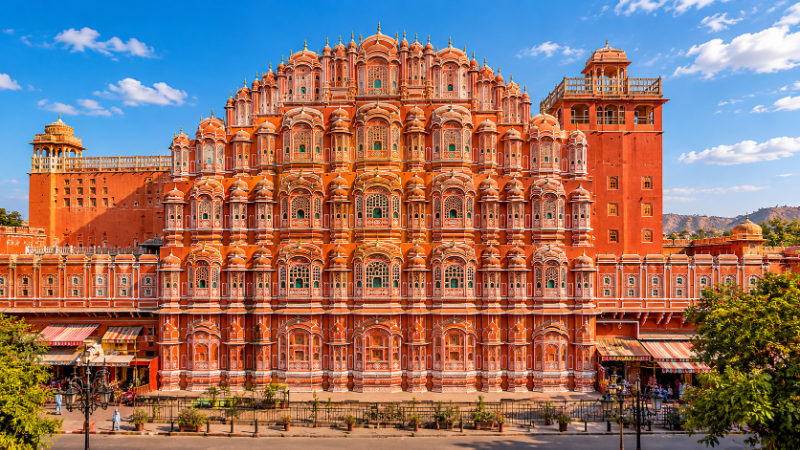
The Hawa Mahal (Palace of Winds) in Jaipur, Rajasthan, is an architectural oddity that serves as the symbol of the Pink City. Built in 1799 by Maharaja Sawai Pratap Singh, this five-story structure features 953 small windows designed to allow royal women to observe street activities without being seen—a practice rooted in the social customs of the time.
Structural Innovation
Standing 50 meters tall but only 9.3 meters deep, the Hawa Mahal is essentially a facade. Its distinctive pyramidal shape with the characteristic pink color (painted in 1876) makes it instantly recognizable. The structure uses a combination of red and pink sandstone, with intricate lattice work (jali) that serves both functional and aesthetic purposes.
The innovative design ensures natural ventilation throughout the structure, keeping the interior cool—a crucial consideration in Jaipur's hot climate. The 953 small windows create an optical effect that makes the building appear more substantial than its actual depth would suggest.
Planning Your Visit
Entry fee: ₹200 for Indian citizens, ₹1,500 for foreign nationals
Best viewed from the front during golden hour (sunset)
Photography is allowed from outside; entry to the interior is available but the structure is narrow
Visit early morning or late afternoon to avoid crowds
5. Brihadeeswarar Temple, Thanjavur – Chola Dynasty Engineering
Ancient Engineering Marvel
The Brihadeeswarar Temple in Thanjavur, Tamil Nadu, built in 1010 CE by Chola Emperor Rajaraja I, represents one of the most significant architectural achievements of medieval India. This UNESCO World Heritage Site showcases the Chola dynasty's advanced understanding of structural engineering and artistic expression.
Remarkable Design Features
The main tower (vimana) rises 66 meters and is constructed entirely of granite blocks without any binding material. The capstone at the top, known as the Akanam, weighs approximately 40 tons and was hoisted using an ingenious ramp system that extended several kilometers—a testament to the sophisticated engineering knowledge of 11th-century builders.
The temple's foundation is particularly noteworthy. Built on a massive stone platform, the structure has withstood centuries of earthquakes and natural calamities. The inner sanctum features intricate stone carvings and a statue of Shiva that stands 3.7 meters tall. The precision in the stonework, with joints so tight that mortar wasn't necessary, demonstrates exceptional craftsmanship.
Visitor Details
Open daily from 6:00 AM to 12:00 PM and 4:00 PM to 8:00 PM
Entry is free
Located in Thanjavur, approximately 56 km from Trichy airport
Best time to visit: October to February
Hire a knowledgeable guide to understand the historical context and architectural details
6. Victoria Terminus, Mumbai – Colonial Grandeur
A Blend of Cultures
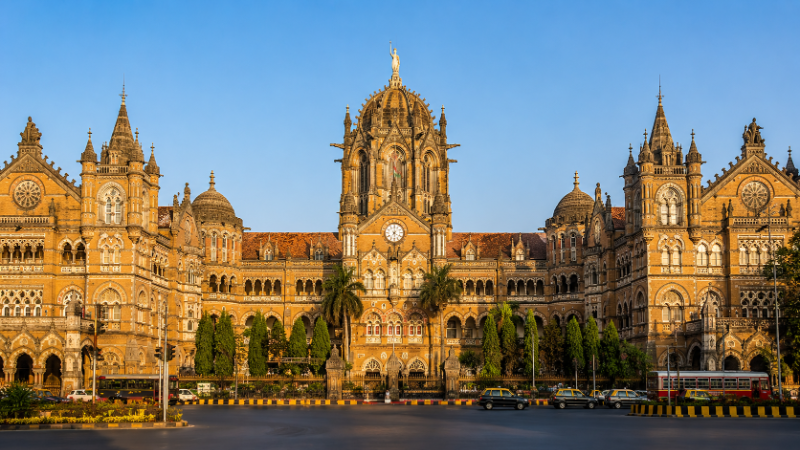
Victoria Terminus (now Chhatrapati Shivaji Terminus) in Mumbai, Maharashtra, stands as a magnificent example of Victorian Gothic Revival architecture blended with Indian architectural elements. Completed in 1887, this UNESCO World Heritage Site served as the headquarters of the Great Indian Peninsula Railway and continues to be one of India's busiest railway stations.
Architectural Significance
Designed by British architect Frederick William Stevens, the building showcases a unique fusion of styles. The central dome, intricate stone carvings, stained glass windows, and ornamental details reflect Victorian aesthetics, while the overall design incorporates elements of Indian palace architecture. The structure covers 2.43 hectares and features turrets, spires, and decorative stonework that took over a decade to complete.
The building's restoration, completed in 2008, cost approximately ₹320 crores and involved meticulous work to preserve original architectural elements while ensuring modern functionality. This project is a significant example of how heritage structures can be maintained while serving contemporary needs.
Visiting Information
Located at Dadar, South Mumbai
Entry is free; no tickets required
The station remains fully operational; visit during off-peak hours for better photography opportunities
Guided heritage walks are available through various tourism organizations
Photography is allowed in most areas
7. Lotus Temple, Delhi – Modern Architectural Innovation
Contemporary Design Excellence
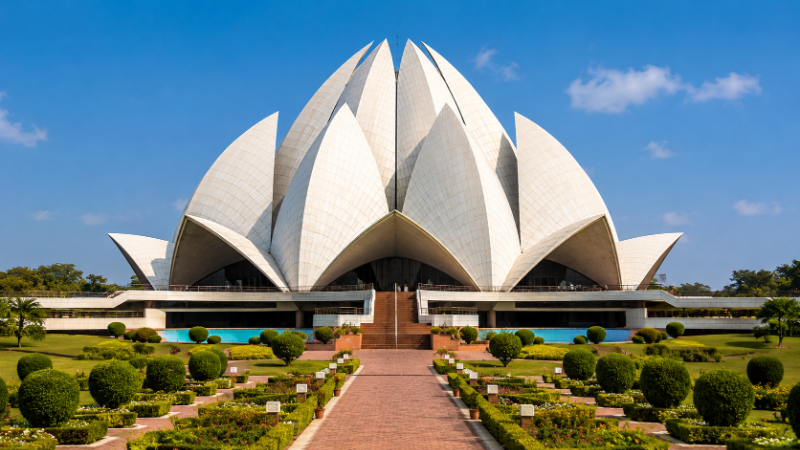
The Lotus Temple in Delhi represents modern Indian architecture at its finest. Completed in 1986, this Bahai House of Worship is designed to resemble a lotus flower—a significant symbol in Indian culture. Designed by Canadian architect Fariborz Sahba, the structure demonstrates how contemporary design can incorporate cultural symbolism and spiritual meaning.
Structural and Design Innovation
The building features 27 marble-clad "petals" arranged in three concentric circles, creating the lotus form. The structure uses a combination of white Italian marble, Persian granite, and reinforced concrete. The innovative use of natural light through the petals creates a serene interior atmosphere without requiring artificial lighting during daytime.
The engineering behind the Lotus Temple is equally impressive. The structure was built using advanced construction techniques and materials that ensure durability in Delhi's challenging climate. The design allows for natural ventilation and temperature regulation, making it an early example of sustainable design principles in Indian architecture.
Practical Details
Located in East Delhi, easily accessible by metro
Entry is free; no tickets required
Open Tuesday to Sunday, 9:00 AM to 7:00 PM (winter); 9:00 AM to 8:00 PM (summer)
Photography is allowed in the gardens but not inside the main prayer hall
Dress code: Modest clothing recommended
Planning Your Architectural Tour in 2026
Best Time to Visit
October to March represents the ideal season for visiting these architectural wonders. The weather is pleasant, and most monuments are accessible without the challenges posed by India's hot summers or monsoon season. Plan your itinerary to cover geographically wclustered sites to minimize travel time and expenses.
Budget Considerations
Entry fees for most monuments range from ₹250 to ₹6,300 depending on your nationality. Accommodation near these sites varies widely, from budget guesthouses (₹500-1,500 per night) to luxury hotels (₹5,000-20,000+ per night). Factor in transportation, meals, and guide services when planning your budget.
Hiring Professional Guides
To truly appreciate the architectural and historical significance of these structures, hiring certified guides is invaluable. Many sites offer guided tours; alternatively, you can arrange private guides through tourism boards or heritage organizations in each city.
Connecting with Architectural Professionals
If you're inspired by these architectural wonders and considering restoration projects, heritage conservation work, or new construction influenced by traditional design principles, connecting with experienced professionals is essential. AECORD, India's leading B2B2C marketplace for architecture, engineering, construction, and operations professionals, connects you with vetted experts who specialize in heritage conservation, architectural design, and construction management.
Whether you need architects familiar with traditional Indian design principles, structural engineers experienced in heritage restoration, or construction professionals who understand the nuances of working with historical materials, AECORD provides a comprehensive platform to find and collaborate with qualified professionals. The platform features detailed profiles, project portfolios, and verified credentials, making it easier to identify the right expert for your specific needs.
Conclusion: Architecture as Cultural Heritage
India's architectural wonders represent more than just beautiful structures; they embody the cultural values, technical knowledge, and artistic vision of their respective eras. From the eternal romance symbolised by the Taj Mahal to the spiritual innovation of the Lotus Temple, these seven monuments showcase the remarkable diversity of Indian architecture.
Planning a visit to these sites in 2026 offers more than sightseeing—it provides an opportunity to understand how architecture shapes culture and how cultural values inspire architectural excellence. Each structure tells a story of human achievement, whether through the precision of medieval stone carving or the innovation of modern design.
As you plan your architectural journey, remember that these monuments continue to inspire contemporary architects and engineers. If you're involved in construction, restoration, or architectural projects in India, leverage the expertise available on AECORD to bring your vision to life with the same excellence demonstrated by India's greatest architectural achievements.
Ready to explore India's architectural wonders? Start planning your 2026 itinerary today, and when you're ready to undertake your own construction or restoration project, discover qualified professionals on AECORD who can help bring your architectural dreams to reality.
Frequently Asked Questions
What makes the Taj Mahal's architectural design so special?
The Taj Mahal combines Persian, Islamic, and Indian architectural styles with perfectly symmetrical proportions and sophisticated structural engineering, including outward-leaning minarets designed to prevent collapse during earthquakes. The marble inlay work with semi-precious stones and the optical illusion created by its proportions make it a masterpiece of Mughal architecture.
How were Khajuraho temples built without binding material?
The Khajuraho temples were constructed using precisely cut stones fitted together so perfectly that a knife blade cannot slide between them, demonstrating advanced structural knowledge by 10th-11th century architects. This technique allowed the temples to stand for over a thousand years without any mortar or binding material.
What is the best time to visit India's architectural wonders?
Early morning hours (6:00-8:00 AM) are ideal for visiting major architectural sites like the Taj Mahal to avoid crowds and experience the structures in optimal lighting conditions. Planning your visit for 2026 allows time to book accommodations and arrange certified guides for detailed architectural insights.
What architectural styles are represented in India's wonders?
India's architectural marvels showcase diverse styles including Mughal architecture (Taj Mahal), medieval Nagara style (Khajuraho temples), colonial structures, and contemporary sustainable designs that reflect centuries of innovation and cultural heritage.
How many Khajuraho temples still exist today?
Originally comprising 85 temples built during the Chandela dynasty in the 10th-11th centuries, 22 Khajuraho temples remain standing today, featuring intricate stone carvings with over 1,000 sculptural pieces depicting religious narratives and daily life scenes.