

Latest House Elevation Designs in India 2026: Trends, Styles, and Inspiration
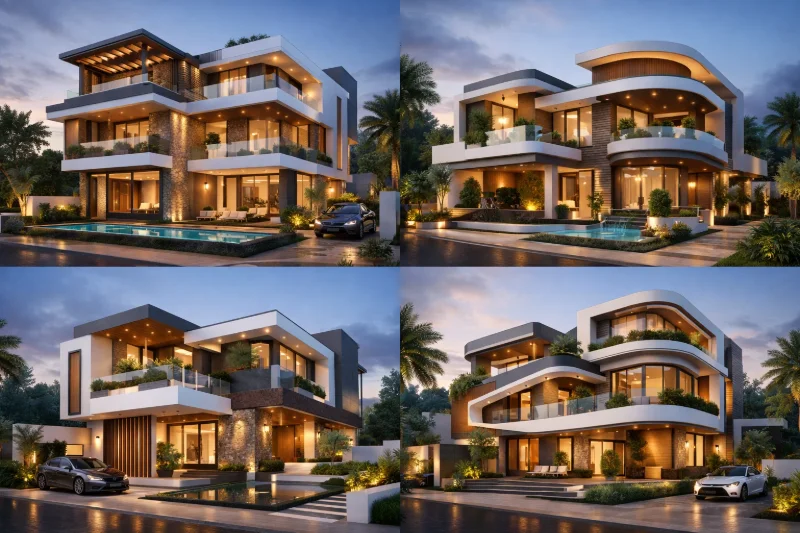
Residential architecture in India in 2026 is defined by clean geometric lines, climate-responsive elements, and smart material integration. Homeowners across tier-1 metros and expanding urban centers are prioritizing street-side curb appeal without sacrificing structural durability or energy efficiency.
Build cost · Bengaluru, May 2026
Understanding Modern House Elevation Design Principles
House elevation design is far more than just the facade of your home—it's the first impression, the structural expression, and the visual identity of your residential property. In 2026, elevation design in India has evolved to balance traditional architectural elements with contemporary minimalism, sustainability, and smart building technologies.
The core principles guiding modern elevation designs include:
Functional aesthetics: Designs that serve both visual and practical purposes
Climate responsiveness: Elevations designed for India's diverse climatic zones
Space optimization: Maximizing usable area while maintaining visual appeal
Sustainable materials: Eco-friendly choices that reduce environmental impact
Integration of technology: Smart features visible in design elements
Top House Elevation Design Trends for 2026
1. Dominant Architectural Elevation Trends for 2026
Frequently asked
Minimalist Box-Style Facades
Clean, rectangular cantilevered volumes dominate urban duplexes. Flat rooflines paired with recessed warm LED lighting under balcony soffits minimize long-term plaster maintenance while maximizing internal room volume.
Wood-Plastic Composite (WPC) & HPL Sheet Accent Walls
Architects are breaking the visual monotony of concrete using High-Pressure Laminate (HPL) panels and vertical WPC louvers. These materials replicate natural teak or oak without decaying under heavy monsoon rain or scorching sunlight.
Contemporary-Traditional Fusion
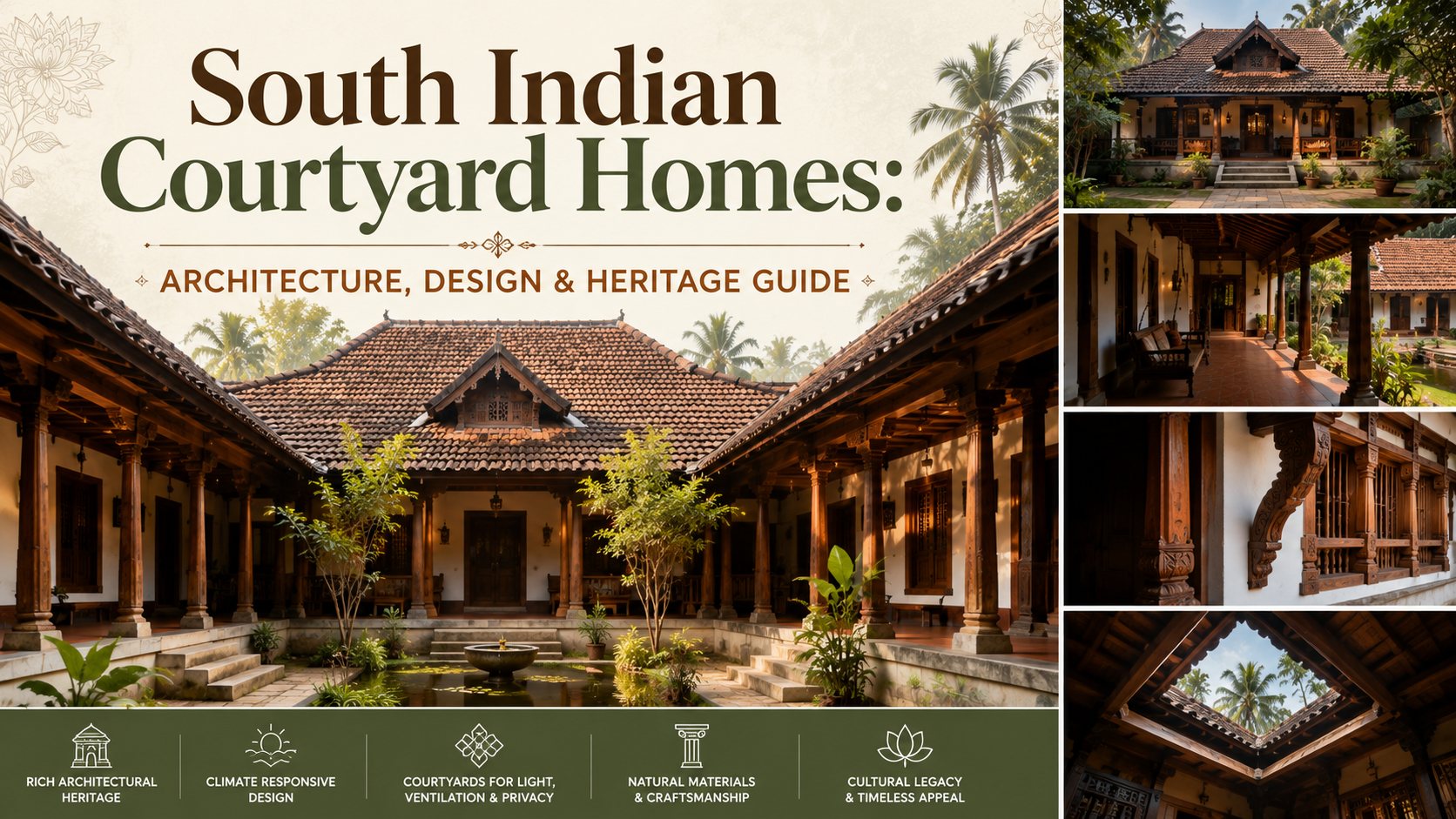
Integrating regional architectural elements with modern steel-and-glass frames is driving luxury villa design. Terracotta jaali (lattice) screens, exposed red brick bands, and sloped Mangalore tile overhangs provide shade and natural ventilation while keeping heritage aesthetics alive.
Sustainable & Double-Skin Facades
Rising summer temperatures have accelerated the adoption of double-skin facades and living vertical garden walls. Secondary louver screens shield exterior walls from direct solar heat, lowering indoor cooling demands by up to 35%.
Integrated Smart Lighting & EV Infrastructure
Facade lighting in 2026 is designed into structural blueprints rather than retrofitted. Vertical up-and-down sconces, concealed LED profile channels, and integrated EV charging ports hidden behind flush wooden access panels create a sleek, futuristic front profile.
2. Regional Elevation Adaptations Across India
Northern India (Delhi NCR, Punjab, Jaipur): Heavy emphasis on thermal mass using stone cladding (sandstone and granite) on south and west faces, deep balcony overhangs for summer shading, and insulated double-glazed glass windows to withstand winter cold and summer heat waves.
Western India (Mumbai, Pune, Ahmedabad): Focus on anti-corrosive, marine-grade materials such as powder-coated aluminium composite panels (ACP), textured exterior renders, and compact cantilever balconies suited to coastal weather and tight urban footprints.
Southern India (Bangalore, Hyderabad, Chennai): Widespread implementation of vertical louver screens, high-pitched roofs for monsoon drainage, exposed wire-cut clay bricks, and open courtyards that adhere to [vastu-compliant elevations].
Eastern & North-Eastern India (Kolkata, Assam): Sloped roof silhouettes, water-resistant fiber cement boards, wide verandahs, and elevated plinths designed to resist heavy seasonal rainfall and localized waterlogging.
3. Elevation Selection by Plot Frontage Size
Plot Frontage | Recommended Elevation Style | Key Architectural Features | Ideal Balcony & Glazing |
15 to 20 Feet (Urban Plots) | Vertical Minimalist / Box Style | Single vertical stone column, tall vertical window strips, dark powder-coated frames | Recessed frameless glass balcony, slim dark railings |
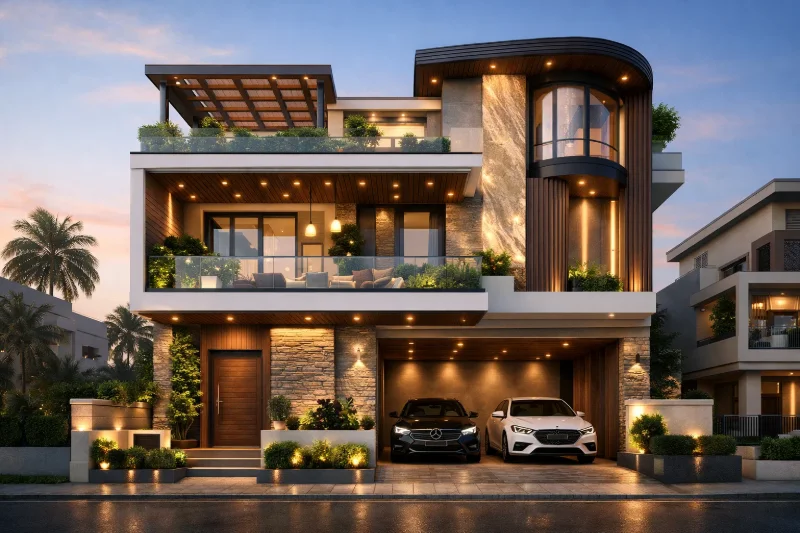
25 to 30 Feet (Duplex & Standard Plots) | Layered Modern Contemporary | Dual-tone render, WPC wooden louver panelling, integrated ground car porch | Extended first-floor cantilevered balcony with wooden soffit ceiling |
40 Feet & Above (Bungalows & Villas) | Symmetrical / Resort Luxury |
4. Facade Material Durability, Maintenance & Cost Comparison
Selecting the right exterior finish balances initial investment against long-term maintenance cycles.
Material Type | Cost per Sq. Ft. (Facade Area) | Lifespan / Durability | Maintenance Level | Best Suited Climate Zone |
Exterior Acrylic Paint & Texture Render | ₹80 – ₹180 | 5 – 7 Years | Medium (Requires recoating) | All climates (Best for [affordable home designs India]) |
High-Pressure Laminate (HPL) Sheets | ₹300 – ₹550 | 12 – 15 Years | Very Low | Hot & Dry, Humid |
Engineered Stone / Sandstone Cladding | ₹350 – ₹750 | 25+ Years | Low (Occasional power wash) | Extreme heat, Arid Northern belts |
Exposed Wire-Cut Brick Tiles | ₹200 – ₹400 | 30+ Years | Zero Maintenance | High humidity, High monsoon |
Marine-Grade Aluminium Composite Panels (ACP) | ₹250 – ₹500 | 15 – 20 Years | Low | Coastal cities (Mumbai, Chennai) |
WPC Vertical Louvers | ₹280 – ₹480 | 10 – 12 Years | Low | Urban Metro areas |
5. Budget-Wise Front Elevation Execution Costs (2026 Benchmark)
Basic Elevation (₹150 – ₹280 / sq. ft. facade area): Dual-tone weather-shield paint, simple plaster grooves (C-grooves), standard MS balcony railings, and surface-mounted wall sconces.
Mid-Range Elevation (₹300 – ₹550 / sq. ft. facade area): Combination of textured plaster, ceramic elevation tiles, WPC louver panels, toughened glass balcony railings, and concealed soffit lighting tied into [house interior designs].
Premium / Luxury Elevation (₹600 – ₹1,200+ / sq. ft. facade area): Full-height engineered quartz panels, motorized shading systems, smart glass, double-height entrance structures, and custom structural steel framing.
6. Vastu-Compliant Front Elevation Principles
Structural Mass Distribution: Heavy materials (granite cladding, solid masonry masses, thick stone columns) should be concentrated on the South and South-West sections of the front facade.
Glazing & Openings: Larger glass windows, open balconies, and water features should face North or East to maximize daylight entry and positive energy flow.
Main Entrance Portal: The primary door should be visually prominent, well-lit, and larger than internal doors. Frame the entrance with natural wood or stone accents.
Color Palette Harmony: Stick to off-whites, warm beige, soft greys, terracotta tones, and natural wood finishes. Avoid solid black or excessively dark grey on primary entrance walls. 7. 3D Architectural Rendering & Visualization Tools
Before execution, building a photorealistic 3D rendering eliminates material waste and structural errors on-site.
SketchUp + Lumion: Industry standard for real-time sun path analysis, realistic material texture previews, and daylighting studies.
3ds Max + V-Ray: Used for high-end luxury villa visualization, accurately rendering complex night-lighting designs and metallic/reflective materials.
Autodesk Revit: Best for Building Information Modeling (BIM), ensuring front elevation decorative elements align precisely with structural load-bearing columns.
Regional Variations in House Elevation Designs Across India
Northern India (Delhi, NCR, Chandigarh)
Northern Indian elevation designs in 2026 emphasize thermal efficiency due to extreme summers and winters. Popular styles include:
Double-glazed windows and insulated facades
Projecting balconies for summer shading
Warm earth tones and stone finishes
Traditional Mughal-inspired arches and domes (in heritage areas)
Western India (Mumbai, Pune, Ahmedabad)
Western regions showcase a blend of modern cosmopolitan design with respect for tradition. Elevations feature:
High-rise apartment aesthetics with glass and steel
Vibrant color combinations reflecting regional culture
Integration of courtyards and traditional chajjas (overhangs)
Sustainable materials reflecting regional availability
Southern India (Bangalore, Hyderabad, Chennai)
Southern India's elevation designs in 2026 prioritize ventilation and natural cooling. Common features include:
Extensive use of louvers and ventilation screens
Pitched roofs for water drainage in monsoon regions
Traditional vastu-inspired design elements
Integration of courtyards and open spaces
High adoption of green building standards
Material Choices for Modern House Elevations
Contemporary Materials Trending in 2026
Engineered Stone and Quartz: These materials offer durability, low maintenance, and modern aesthetics. Costs range from ₹400-₹800 per square foot depending on quality and finish.
Fiber Reinforced Panels (FRP): Lightweight, durable, and available in various finishes, FRP panels are increasingly used for feature walls and accent elements. Pricing: ₹300-₹600 per square foot.
Recycled and Reclaimed Materials: Growing environmental consciousness has increased demand for salvaged wood, reclaimed brick, and recycled metal. These add character and sustainability, with costs varying based on sourcing.
Textured Finishes: Beyond smooth plaster, textured finishes like bush-hammered concrete, exposed aggregate, and decorative renders are popular, adding visual depth at ₹200-₹400 per square foot.
Sustainable Alternatives: Bamboo cladding, recycled plastic composites, and earth-based materials are gaining traction among eco-conscious homeowners.
Color Palettes Dominating 2026
Neutral and Earthy Tones
Whites, creams, soft grays, and warm browns remain the safest and most versatile choices. These colors enhance natural light, provide a calm aesthetic, and work across different architectural styles.
Deep, Saturated Colors
Navy blues, forest greens, charcoal grays, and warm terracottas are increasingly chosen by homeowners seeking sophistication and personality. These colors pair beautifully with natural materials like wood and stone.
Monochromatic Schemes
Using various shades of a single color creates visual interest while maintaining cohesion. This approach is particularly effective in minimalist and contemporary designs.
Cost Considerations for House Elevation Design in India 2026
The cost of house elevation design varies significantly based on location, complexity, and material choices:
Basic elevation design (simple geometric, minimal detailing): ₹800-₹1,200 per square foot
Standard contemporary elevation: ₹1,200-₹1,800 per square foot
Premium elevation with special materials and detailing: ₹1,800-₹2,500+ per square foot
In metros like Bangalore and Mumbai, costs tend toward the higher end, while tier-2 cities like Pune and Hyderabad offer more moderate pricing. Sustainable and smart features typically add 15-30% to base costs but provide long-term savings.
Working with Architects and Designers on AECORD
Selecting the right architect or designer is crucial for translating your elevation vision into reality. AECORD, India's leading B2B2C marketplace for AECO professionals, connects homeowners with experienced architects and elevation designers who understand contemporary trends and local regulations.
When collaborating with professionals on AECORD, consider:
Portfolio review of previous elevation projects
Understanding of local building codes and regulations
Experience with your preferred architectural style
Expertise in sustainable design (if that's your priority)
Ability to work within your budget and timeline
AECORD provides a transparent platform where you can compare multiple professionals, review their credentials, and make informed decisions about your home's elevation design.
Regulatory Considerations for House Elevations in India
Before finalizing your elevation design, ensure compliance with local building bylaws:
Front setback requirements: Vary by city and municipal regulations
Height restrictions: Particularly important in residential zones
Material regulations: Some areas restrict certain materials or colors
Parking and driveway design: Must comply with municipal standards
Environmental clearances: Required in sensitive areas
Your architect should be familiar with specific regulations in your city—whether it's Bangalore's BBMP guidelines, Mumbai's BMC standards, or Delhi's MCD bylaws.
Future-Proofing Your Elevation Design
As you invest in an elevation design for 2026 and beyond, consider future-proofing elements:
Flexibility for modifications: Design that allows for future updates without major structural changes
Technology readiness: Infrastructure for future smart home integration
Sustainability standards: Design that meets or exceeds current environmental standards
Aging-in-place considerations: Accessible design elements that serve various life stages
Climate adaptation: Features that address changing climate patterns
Conclusion
House elevation design in India in 2026 represents a sophisticated blend of aesthetic innovation, environmental consciousness, and technological integration. Whether you're drawn to minimalist contemporary styles, sustainable eco-friendly designs, or culturally-inspired fusion architecture, the key is selecting an approach that aligns with your values, lifestyle, and local context.
The investment in thoughtful elevation design pays dividends in curb appeal, property value, and daily living satisfaction. As you embark on this journey, connect with experienced architects and designers through AECORD who can translate these trends into a personalized design that makes your home uniquely yours.
Ready to transform your home's exterior? Explore AECORD's network of talented architects and elevation designers across India who specialize in contemporary residential design. Whether you're in Bangalore, Mumbai, Pune, Delhi, or any other Indian city, AECORD helps you find the right professional to bring your elevation vision to life. Start your search today and discover how the latest design trends can elevate your home's aesthetic and functional appeal.
Frequently Asked Questions
What are the main house elevation design trends in India for 2026?
The top trends in 2026 include minimalist contemporary designs with clean lines and neutral palettes, contemporary-traditional fusion blending cultural heritage with modern aesthetics, and sustainable eco-friendly elevations featuring double-skin facades and solar integration. These trends balance visual appeal with functionality and environmental responsibility.
How much does a modern minimalist house elevation cost in India?
A typical minimalist elevation in Indian metro areas like Pune or Hyderabad costs between ₹1,200 to ₹1,800 per square foot, depending on materials and design complexity. Costs vary based on location, material choices, and specific architectural features.
What are the key principles of modern house elevation design?
Modern elevation design in India focuses on functional aesthetics, climate responsiveness for diverse zones, space optimization, sustainable materials, and integration of smart building technologies. These principles ensure homes are both visually appealing and practically superior.
How can traditional Indian architecture be incorporated into modern house elevations?
Contemporary-traditional fusion designs integrate elements like jaali screens, traditional courtyards, stone carvings, pitched roofs inspired by regional vernacular, and traditional color palettes with modern materials. This approach is particularly popular in heritage-conscious cities like Jaipur and Ahmedabad.
What sustainable features should I include in my house elevation design?
Key sustainable elevation features include double-skin facades for thermal insulation, integrated rainwater harvesting systems, solar panel integration, and use of locally-sourced or recycled materials. These features reduce energy consumption and environmental impact while maintaining aesthetic appeal.