

Renesa's Brick-Like Rugs: Exploring Architecture Beyond Buildings
Architecture has traditionally been confined to the built environment—the structures we design, construct, and inhabit. However, contemporary designers are increasingly challenging this notion by translating architectural principles into unexpected mediums. Renesa, an innovative design studio, has taken this concept further by creating brick-like rugs that reimagine how architectural elements can be experienced in domestic spaces. This exploration opens fascinating conversations about design, materiality, and the intersection of art and architecture in modern interiors.
Build cost · Bengaluru, May 2026
Understanding Renesa's Architectural Approach to Textiles
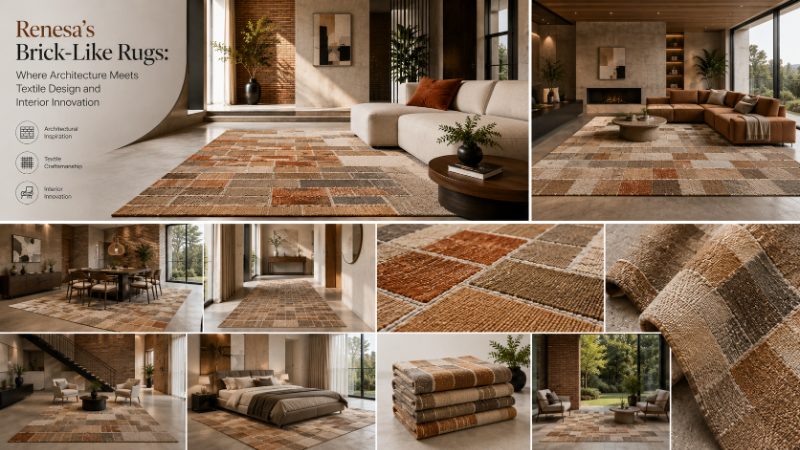
Renesa's brick-like rugs represent a fascinating departure from conventional textile design. Rather than treating rugs as mere decorative elements, the studio approaches them as architectural objects that bring structural thinking into intimate living spaces. These rugs feature patterns and textures inspired by traditional brick layouts, creating a visual and tactile experience that echoes the craftsmanship of masonry while being entirely reimagined for contemporary homes.
The concept challenges our perception of what architecture can be. In India, where traditional brick construction remains prevalent in cities like Delhi, Mumbai, and Bangalore, this approach resonates particularly well. Many Indian homes feature exposed brick elements or brick-inspired designs, making Renesa's work culturally relevant while maintaining a distinctly modern aesthetic.
The Design Philosophy Behind Brick Patterns
The brick pattern itself carries centuries of architectural heritage. Traditional brick laying patterns—whether running bond, Flemish bond, or stretcher bond—aren't merely functional; they're deeply aesthetic choices that have evolved across cultures and centuries. Renesa's rugs deconstruct these patterns, extracting their visual essence and translating them into textile form.
This process involves careful consideration of scale, proportion, and material interaction. A brick pattern that works at full architectural scale requires significant reimagining when reduced to a floor covering. The designers must consider how the human eye perceives the pattern when viewed from above, how it interacts with surrounding furnishings, and how it functions within the broader interior design scheme.
Material Innovation and Craftsmanship
Creating brick-like rugs demands exceptional attention to material selection and production techniques. The challenge lies in capturing the textural qualities of brick—its earthiness, irregularity, and dimensional depth—while maintaining the functionality and comfort expected from a floor covering.
Frequently asked
Natural Materials and Sustainable Production
Contemporary architectural textiles increasingly prioritize sustainable materials. Renesa's approach likely incorporates natural fibers such as wool, jute, or cotton, materials that align with both environmental consciousness and the earthy aesthetic of brick. In the Indian market, where sustainable design practices are gaining momentum among conscious consumers in metros like Pune, Hyderabad, and Chennai, this alignment is particularly significant.
The production process itself reflects architectural thinking. Rather than mass-produced designs, these rugs often involve handcrafted elements or limited production runs, ensuring quality and uniqueness. Indian artisans, particularly those trained in traditional weaving techniques, are increasingly collaborating with contemporary designers to create pieces that honor heritage while embracing innovation.
Texture and Dimensionality
The tactile experience of walking on a brick-patterned rug differs significantly from viewing a brick wall. Renesa's designs likely employ varied pile heights, weaving techniques, and surface treatments to create visual depth that mimics the three-dimensionality of actual brickwork. This could involve:
Variation in pile height to suggest mortar lines and brick edges
Color gradation within the brick pattern to create shadows and depth
Mixed weaving techniques combining different textile traditions
Incorporation of natural material variations that echo the imperfections of real bricks
Architectural Elements in Interior Design
The integration of architectural elements into interior design represents a growing trend among design professionals. Rather than treating architecture and interior design as separate disciplines, contemporary practice increasingly views them as interconnected fields where architectural principles inform every design decision.
Creating Architectural Dialogue in Homes
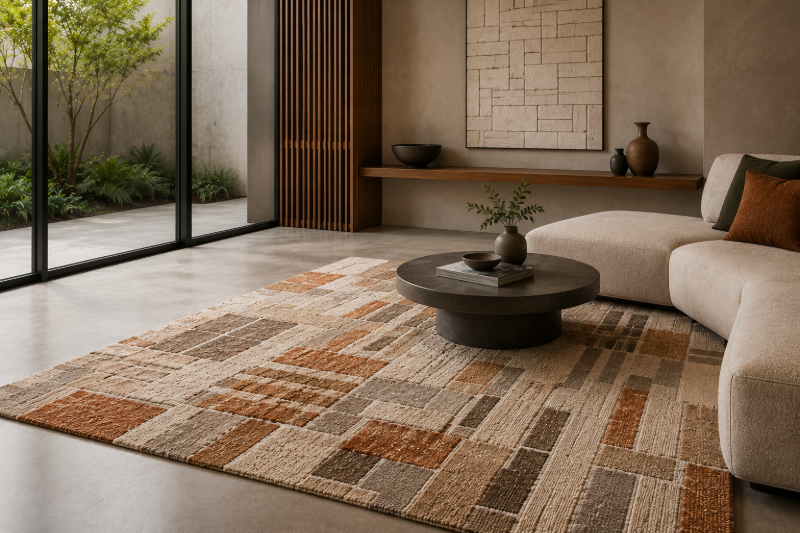
Renesa's brick-like rugs function as conversation starters, inviting inhabitants to reconsider their relationship with architectural language. A brick-patterned rug can serve multiple functions within an interior:
Visual Anchoring: The pattern grounds a space, providing a visual foundation upon which other design elements build
Spatial Definition: Like architectural elements, the rug can define zones within open-plan living spaces
Textural Richness: The rug adds complexity and interest that prevents interiors from feeling flat or one-dimensional
Cultural Connection: For Indian homeowners, brick patterns evoke connections to local architectural heritage and craftsmanship traditions
Integration with Contemporary Interiors
The success of architectural textiles like Renesa's rugs depends partly on their ability to integrate seamlessly with diverse interior styles. A brick-patterned rug can complement:
Industrial-style spaces that celebrate exposed structural elements
Minimalist interiors seeking subtle textural interest
Eclectic homes that mix heritage and contemporary elements
Spaces with exposed brick walls, creating intentional visual dialogue
Modern homes seeking to ground contemporary design with traditional craft references
In Indian cities where interior design is rapidly evolving—particularly in Bangalore's tech-forward design scene, Delhi's luxury residential sector, and Mumbai's cosmopolitan apartments—such versatile pieces appeal to design-conscious residents seeking authenticity and meaning in their living spaces.
The Broader Context of Architecture Beyond Buildings
Renesa's work participates in a broader movement exploring how architectural thinking can extend beyond traditional building design. This perspective shift has significant implications for how we understand design disciplines and their relationships.
Architecture as Philosophy Rather Than Profession
When designers approach textiles with architectural thinking, they're essentially applying a particular way of seeing and problem-solving. Architecture emphasizes:
Structural integrity and rational systems
Spatial relationships and proportional harmony
Material authenticity and honest expression
Function integrated with aesthetic expression
Human experience and scale
These principles, applied to textile design, create objects that feel substantial, purposeful, and deeply considered. They resist the superficiality of purely decorative design, instead offering layers of meaning and connection.
Democratizing Architectural Experience
Traditional architecture is experienced collectively—we move through buildings, inhabit spaces, and interact with structures. However, architectural textiles democratize this experience, making architectural language accessible in domestic, personal spaces. A resident of a Mumbai apartment might not have access to significant architectural experiences, but a brick-patterned rug brings architectural thinking into their home.
Production Considerations for the Indian Market
For architects, designers, and construction professionals in India seeking to incorporate innovative textiles into projects, several practical considerations emerge.
Cost and Accessibility
Artisanal architectural textiles typically command premium pricing compared to mass-produced alternatives. In the Indian market, costs can range from ₹5,000 to ₹50,000+ per square meter depending on materials, production techniques, and designer reputation. For commercial or large residential projects, this investment must be justified through durability, aesthetic contribution, and project requirements.
Accessibility varies significantly. Major metros like Delhi, Mumbai, and Bangalore have access to contemporary design studios and specialized retailers, while smaller cities may require online ordering or direct commissioning from designers.
Specification and Commissioning
For professionals working on projects that might benefit from architectural textiles, understanding the commissioning process is essential. This typically involves:
Consultation with the designer regarding space requirements, aesthetic goals, and functional needs
Development of custom designs or selection from existing collections
Specification of materials, dimensions, and production timelines
Consideration of maintenance requirements and durability for the intended application
Installation planning, particularly for large or custom pieces
Professional platforms like AECORD can connect architects and designers with textile specialists and artisans capable of creating custom architectural textiles. Whether you're designing a residential project in Pune, a hospitality space in Goa, or a corporate office in Bangalore, finding the right textile collaborators is crucial for realizing your vision.
Practical Applications in Indian Projects
Architectural textiles like Renesa's brick-like rugs offer practical applications across various project types in the Indian context.
Residential Design
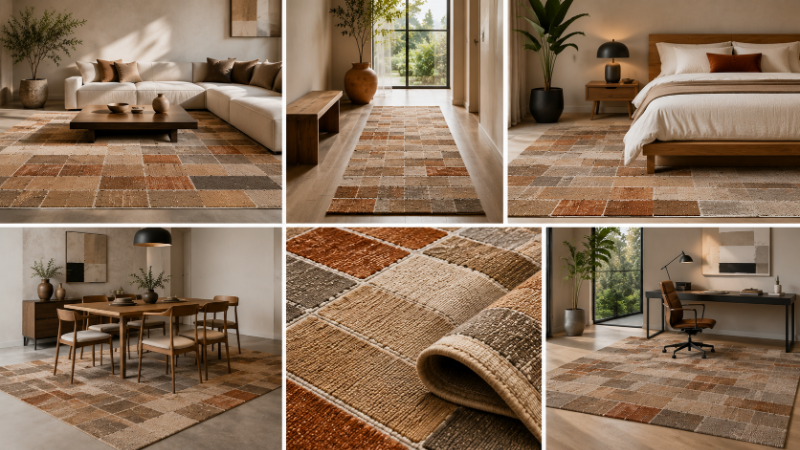
In residential projects, these rugs can serve as focal points or grounding elements. They work particularly well in:
Living rooms where they define seating areas and add visual interest
Entryways where they make strong design statements
Bedrooms where they add texture and warmth
Home offices where they provide visual grounding for work spaces
Commercial and Hospitality Spaces
In commercial applications, architectural textiles communicate design sophistication and intentionality. They're particularly effective in:
Design studios and creative offices seeking to express design philosophy
Boutique hotels and heritage properties celebrating local craft traditions
Restaurants and cafes establishing distinctive aesthetic identities
Retail spaces where textiles contribute to brand expression
Institutional and Cultural Spaces
Museums, galleries, and cultural institutions can use architectural textiles to create meaningful connections between building design and curatorial vision. The textiles themselves become part of the narrative, demonstrating how architectural thinking extends across disciplines.
The Future of Architectural Textiles
As design practice evolves, the integration of architectural thinking into textile design will likely expand. Emerging trends include:
Digital Innovation: Advanced weaving technologies enabling more complex pattern execution
Sustainable Production: Growing emphasis on eco-friendly materials and ethical manufacturing
Customization: Increased ability to create bespoke designs for specific projects
Collaboration: Deeper partnerships between architects, designers, and textile specialists
Cultural Celebration: Renewed appreciation for traditional craft techniques applied to contemporary design
In India specifically, the convergence of traditional textile heritage with contemporary design thinking positions the country as a potential leader in architectural textile innovation. Indian artisans possess centuries of weaving expertise, and Indian designers increasingly engage with global design discourse while maintaining local authenticity.
Connecting with Textile Specialists on AECORD
For architects, interior designers, and construction professionals seeking to incorporate innovative textiles into projects, AECORD provides a platform to connect with specialized designers and artisans. Whether you're sourcing custom rugs for a high-end residential project or seeking textile consultants for a commercial space, the platform facilitates connections with professionals who understand both architectural principles and textile expertise.
The collaborative potential of bringing together architects, designers, and textile specialists through platforms like AECORD enables projects that transcend traditional disciplinary boundaries. A brick-like rug isn't merely a floor covering; it's a conversation between architectural heritage and contemporary design, between craft tradition and innovative thinking.
Conclusion
Renesa's brick-like rugs exemplify how contemporary design extends architectural thinking beyond buildings into intimate domestic spaces. By translating architectural language into textile form, these pieces challenge conventional understanding of both architecture and interior design. For Indian design professionals, they represent an opportunity to celebrate local craft traditions while engaging with global design innovation.
Whether you're designing a residential project in Delhi, a commercial space in Mumbai, or a cultural institution in Bangalore, considering how architectural elements can be expressed through textiles adds depth and meaning to your work. Explore the possibilities of architectural textiles on AECORD, where you can connect with innovative designers and specialists ready to bring your vision to life. The future of interior design lies in such meaningful collaborations that honor both tradition and innovation.
Frequently Asked Questions
What are brick-like rugs and how do they apply architectural design to textiles?
Brick-like rugs are architectural textiles that translate traditional brick laying patterns into floor coverings, treating them as architectural objects rather than mere decorative elements. They deconstruct centuries-old masonry patterns like running bond and Flemish bond, reimagining them at a reduced scale for contemporary interior spaces.
What materials are used in creating brick-pattern rugs?
Brick-like rugs typically incorporate natural, sustainable materials such as wool, jute, or cotton that capture the earthy aesthetic of actual brick. These materials are chosen to reflect both environmental consciousness and the textural qualities needed to replicate brick's dimensional depth and irregularity.
How does Renesa's approach to rug design differ from conventional textile design?
Rather than treating rugs as purely decorative, Renesa approaches them through architectural thinking, considering scale, proportion, and material interaction. The studio often employs handcrafted elements and limited production runs, honoring traditional weaving heritage while embracing modern design innovation.
Why are brick-pattern rugs culturally relevant in Indian homes?
In India, traditional brick construction remains prevalent in major cities, and many homes feature exposed brick elements or brick-inspired designs. Renesa's brick-like rugs resonate culturally by translating this familiar architectural language into contemporary domestic spaces while maintaining modern aesthetics.
What design challenges arise when translating brick patterns to floor coverings?
Designers must carefully reconsider how brick patterns appear when viewed from above rather than at eye level, and ensure the pattern interacts harmoniously with surrounding furnishings and the overall interior scheme. The challenge involves capturing brick's textural qualities while maintaining the comfort and functionality expected from a floor covering.