

Understanding Maha PSC Grade Cement: A Comprehensive Guide for Indian Construction Professionals
Portland Slag Cement (PSC) Grade cement has become one of the most widely used cement variants in India's construction industry, particularly in large-scale infrastructure projects. Among the various manufacturers, Maha PSC Grade cement stands out as a reliable choice for builders, contractors, and engineers across the country. Whether you're working on a commercial building in Mumbai, a residential complex in Pune, or an industrial project in Nagpur, understanding the specifications and benefits of Maha PSC Grade cement is essential for ensuring project success.
Build cost · Bengaluru, May 2026
What is Maha PSC Grade Cement?
Definition and Composition
Maha PSC Grade cement is a blended cement that combines Portland cement clinker with granulated blast furnace slag (GBFS). This composition typically contains 26-65% slag content, which gives it unique properties distinct from ordinary Portland cement (OPC). The cement conforms to Indian Standards IS 455:2015 and is manufactured to ensure consistent quality and performance in various construction applications.
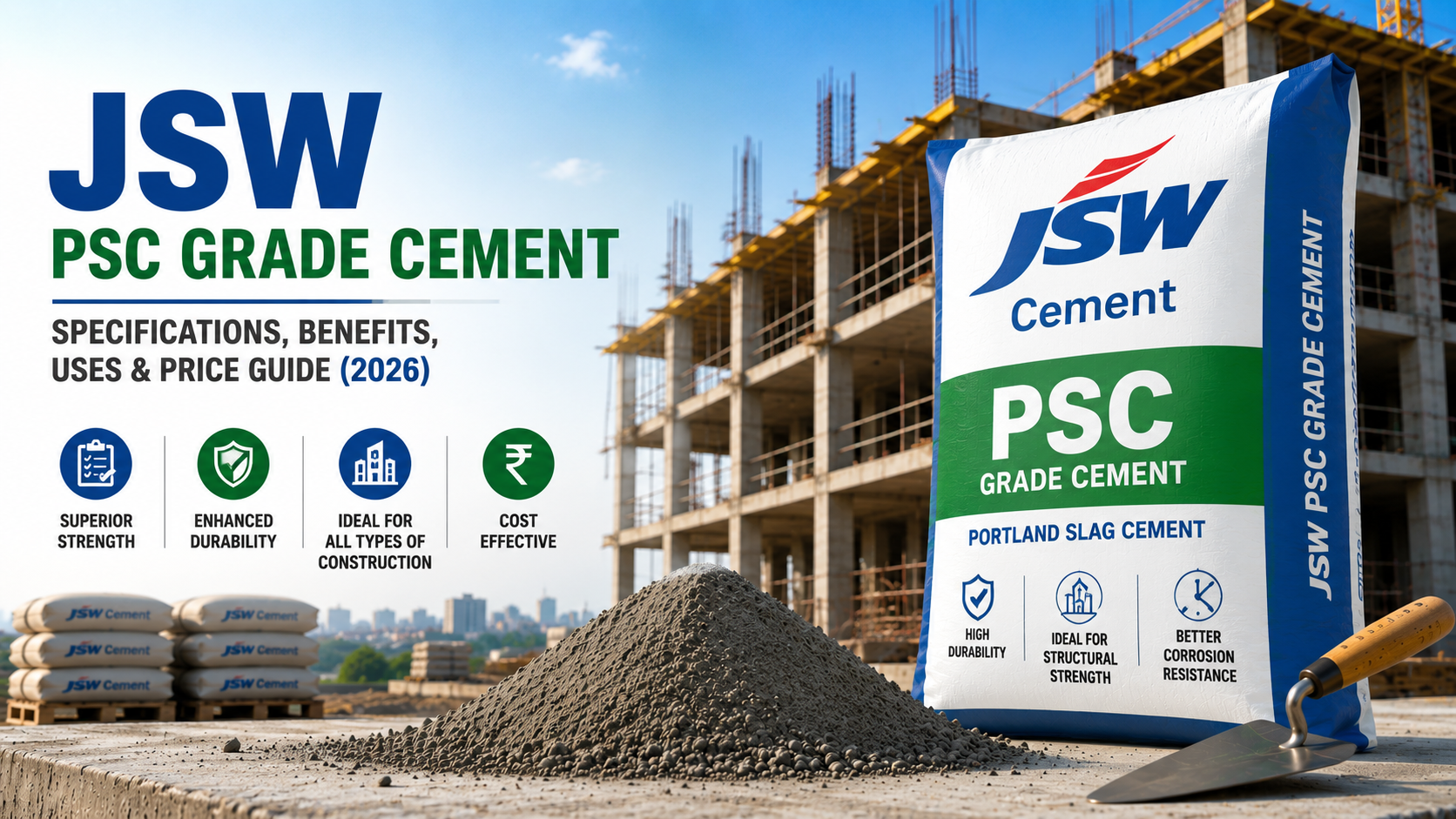
The polythene bag packaging (such as this variant) is standard for protecting the cement from moisture and environmental degradation during storage and transportation. The 50 kg bag is the most common unit used across Indian construction sites, making it convenient for both large-scale and small-scale projects.
Key Specifications of Maha PSC Grade Cement
Compressive Strength: Achieves 16 MPa at 7 days and 33 MPa at 28 days, meeting IS 455 requirements
Initial Setting Time: Typically 60-90 minutes, allowing adequate working time
Final Setting Time: Between 600-720 minutes, ensuring proper curing
Fineness: 225-250 m²/kg as per Blaine's method
Heat of Hydration: Lower than OPC, typically 50-60 cal/g
Soundness: Expansion not exceeding 5 mm (Le Chatelier method)
Frequently asked
Advantages of Using Maha PSC Grade Cement
Cost-Effectiveness
One of the primary reasons contractors prefer PSC cement is its cost advantage. In the Indian market, PSC cement typically costs 8-12% less than OPC cement. For a project requiring 500 tons of cement, this translates to significant savings. As of 2024, while OPC cement costs around ₹550-600 per 50 kg bag in major cities like Bangalore and Hyderabad, PSC cement is available at ₹480-520 per bag, making it an economical choice for budget-conscious projects.
Reduced Heat of Hydration
The slag content in PSC cement results in lower heat generation during hydration. This property is particularly beneficial for:
Large mass concrete structures like dams and thick foundations
Projects in regions with high ambient temperatures
Reducing thermal cracking in concrete
Minimizing differential stresses in massive concrete sections
For projects in cities like Delhi, Ahmedabad, and Jaipur where summer temperatures exceed 45°C, this characteristic proves invaluable.
Enhanced Durability
PSC cement offers superior resistance to:
Sulfate Attack: The slag content reduces permeability, making concrete more resistant to sulfate-rich soils and water
Chloride Penetration: Beneficial for coastal projects in Mumbai, Kochi, and Chennai
Alkali-Silica Reaction: Reduced risk in concrete exposed to reactive aggregates
Carbonation: Slower carbonation rate extends structural life
Environmental Benefits
Using PSC cement contributes to sustainability by incorporating industrial waste (blast furnace slag) into the cement matrix. This reduces the demand for virgin raw materials and decreases the overall carbon footprint of cement production. For projects pursuing green building certifications like LEED or IGBC in India, PSC cement is an excellent choice.
Applications of Maha PSC Grade Cement in Indian Construction
Residential Construction
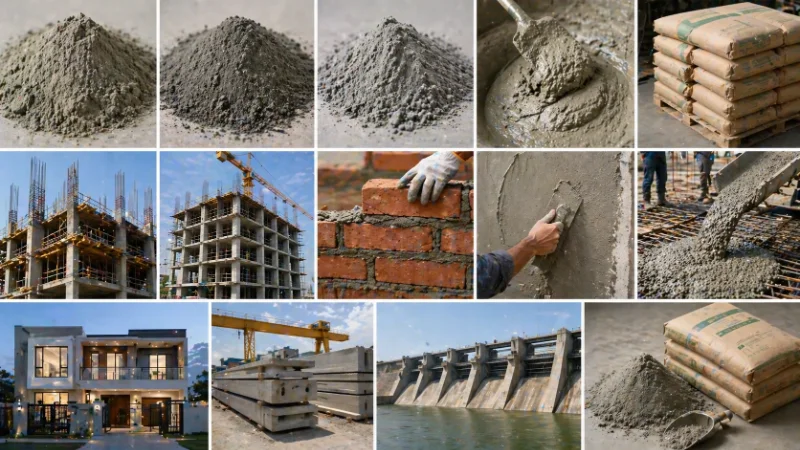
PSC cement is widely used in residential projects across major Indian cities. From apartments in Bangalore to villas in Pune, the cement provides adequate strength while offering cost savings. It's particularly suitable for:
Multi-story apartment complexes
Individual house construction
Precast concrete elements
Plastering and finishing work
Infrastructure Projects
Large infrastructure projects frequently specify PSC cement due to its low heat of hydration and durability. Notable applications include:
Highway and bridge construction across Indian expressways
Railway infrastructure projects
Water supply and sewerage systems
Irrigation dam construction
Commercial and Industrial Construction
Shopping malls, office complexes, and industrial facilities in cities like Gurgaon, Pune, and Hyderabad commonly use PSC cement for its performance characteristics and cost advantages.
Quality Standards and Certifications
Indian Standards Compliance
Maha PSC Grade cement must conform to IS 455:2015 (Portland Slag Cement), which specifies:
Chemical composition limits
Physical properties and testing procedures
Fineness requirements
Setting time specifications
Soundness parameters
Strength development criteria
Third-Party Testing
Reputable manufacturers conduct regular third-party testing through NABL-accredited laboratories to ensure consistency. When procuring cement for your project, always verify:
IS certification mark on the bag
Manufacturing date and validity
Batch test certificates
Manufacturer's warranty details
Proper Storage and Handling of Maha PSC Grade Cement
Storage Conditions
The polythene bag packaging of Maha PSC cement protects it from moisture, but proper storage is crucial:
Temperature: Store between 15-30°C for optimal preservation
Humidity: Keep relative humidity below 75% to prevent hydration
Location: Use covered, well-ventilated storage areas on construction sites
Stacking: Limit stacking height to 10-12 bags to prevent bottom bags from getting crushed
Duration: Use cement within 3 months of manufacturing for best results
Handling Best Practices
During transport and handling, ensure:
Bags are not exposed to rain or water
Proper ventilation in storage areas prevents moisture accumulation
Regular inspection for bag damage or leakage
Separate storage of old and new stock (FIFO principle)
Protection from direct sunlight, which can cause temperature fluctuations
Cost Analysis and Economic Considerations
Price Comparison in Indian Markets
As of 2024, here's a typical price comparison across major Indian cities:
Delhi NCR: OPC ₹580/bag, PSC ₹510/bag
Mumbai: OPC ₹600/bag, PSC ₹525/bag
Bangalore: OPC ₹560/bag, PSC ₹490/bag
Pune: OPC ₹570/bag, PSC ₹500/bag
Hyderabad: OPC ₹550/bag, PSC ₹480/bag
For a typical 2,000 sq ft residential project requiring approximately 120 bags of cement, using PSC instead of OPC could save ₹8,400-10,800, a significant amount that can be allocated to other project requirements.
Long-Term Economic Benefits
Beyond initial purchase cost, PSC cement offers long-term economic advantages:
Reduced maintenance costs due to superior durability
Lower repair expenses from sulfate or chloride attack
Extended structure lifespan, reducing lifecycle costs
Better performance in harsh environmental conditions, reducing premature deterioration
Technical Considerations for Contractors and Engineers
Mix Design Adjustments
When transitioning from OPC to PSC cement, consider these adjustments:
Water Requirement: PSC typically requires slightly less water due to slag content
Curing Period: Extended curing (up to 14 days) is recommended for optimal strength development
Early Strength: 7-day strength is lower than OPC; plan formwork removal accordingly
Workability: PSC concrete may have slightly improved workability, reducing water demand
Quality Control on Site
Implement robust quality control measures:
Conduct cement strength tests at 7 and 28 days using standard cube testing
Perform slump tests to monitor concrete workability
Regular visual inspection for cement bag integrity and storage conditions
Maintain detailed records of cement batches, dates, and test results
Coordinate with material suppliers for batch certificates and test reports
Finding Quality Suppliers Through AECORD
When sourcing Maha PSC Grade cement and other construction materials, connecting with verified suppliers is crucial. AECORD, India's leading B2B2C marketplace for AECO professionals, provides a platform where you can discover reliable cement manufacturers and distributors across India. Whether you're in Tier-1 cities or emerging markets, AECORD helps you connect with suppliers who offer quality-assured products at competitive prices.
Through AECORD's platform, you can:
Compare prices from multiple suppliers in your region
Access verified supplier credentials and certifications
Review product specifications and quality certifications
Streamline procurement processes for large projects
Build long-term relationships with trusted material partners
Common Misconceptions About PSC Cement
Myth: PSC Cement is Inferior to OPC
Reality: PSC cement meets all Indian Standards requirements and is specifically engineered for certain applications. For projects where low heat of hydration and durability are priorities, PSC outperforms OPC.
Myth: PSC Cement Takes Longer to Set
Reality: While initial strength development is slightly slower, PSC cement achieves required 28-day strength reliably. With proper curing, it delivers excellent long-term performance.
Myth: PSC Cement Cannot Be Used for All Applications
Reality: PSC cement is suitable for most construction applications. It's particularly recommended for mass concrete, coastal projects, and structures exposed to sulfate-rich environments.
Future Trends in PSC Cement Usage in India
The Indian construction industry is increasingly recognizing the value of PSC cement. Several trends are emerging:
Green Building Movement: More projects are specifying PSC cement for sustainability goals
Infrastructure Development: Government projects like Smart Cities and highway expansion favor PSC cement
Coastal Construction: Rising awareness of durability benefits in coastal regions drives demand
Price Competitiveness: As manufacturing scales up, PSC cement prices are becoming increasingly attractive
Conclusion
Maha PSC Grade cement, available in convenient polythene bag packaging, represents an excellent choice for modern Indian construction projects. Its combination of cost-effectiveness, durability, and environmental benefits makes it suitable for residential, commercial, and infrastructure applications across the country. From Mumbai's coastal projects to Delhi's commercial developments, PSC cement continues to prove its value in Indian construction.
When planning your next construction project, consider the long-term benefits of PSC cement beyond just initial material costs. Proper storage, handling, and quality control ensure you get the maximum value from this versatile cement variant.
Take Action Today
Ready to source quality Maha PSC Grade cement for your project? Visit AECORD, India's trusted marketplace for construction professionals, to connect with verified cement suppliers, compare quotes, and access detailed product specifications. Whether you need 50 kg bags or bulk quantities, AECORD helps you find the right suppliers at competitive prices. Register today and streamline your material procurement process with professional suppliers across India.
Frequently Asked Questions
What is the difference between Maha PSC Grade cement and ordinary Portland cement (OPC)?
Maha PSC Grade cement is a blended cement containing 26-65% granulated blast furnace slag (GBFS) mixed with Portland cement clinker, whereas OPC is pure Portland cement. PSC cement offers lower heat of hydration, better durability against sulfate and chloride attacks, and costs 8-12% less than OPC, making it ideal for large-scale infrastructure projects.
What are the compressive strength specifications for Maha PSC Grade cement?
Maha PSC Grade cement achieves 16 MPa compressive strength at 7 days and 33 MPa at 28 days, conforming to Indian Standards IS 455:2015. These strength values make it suitable for most construction applications including residential, commercial, and industrial projects.
Why is PSC cement better for concrete in hot climates?
PSC cement has lower heat of hydration (50-60 cal/g compared to higher values in OPC), which reduces thermal cracking and differential stresses in massive concrete sections. This property is particularly beneficial in high-temperature regions like Delhi, Ahmedabad, and Jaipur where summer temperatures exceed 45°C.
Is Maha PSC Grade cement suitable for coastal construction projects?
Yes, PSC cement is excellent for coastal projects due to its enhanced resistance to chloride penetration and sulfate attacks. The slag content reduces concrete permeability, making it ideal for structures in coastal cities like Mumbai, Kochi, and Chennai exposed to saline environments.
How much can you save by using PSC cement instead of OPC?
PSC cement typically costs 8-12% less than OPC cement in the Indian market. As of 2024, PSC cement costs ₹480-520 per 50 kg bag compared to ₹550-600 for OPC, resulting in substantial savings for large projects requiring hundreds of tons of cement.