

Building a safe, durable structure is one of the most critical aspects of any construction project. Whether you're planning a new home in Mumbai, renovating an office building in Bangalore, or developing a commercial complex in Delhi, understanding when to engage a structural engineer can make the difference between a successful project and a costly disaster.
Structural engineers are specialized professionals who ensure that buildings and other structures can safely support their intended loads while complying with local building codes and safety standards. In India's rapidly growing construction sector, their expertise has become increasingly valuable as projects become more complex and regulations more stringent.

Understanding the Role of a Structural Engineer
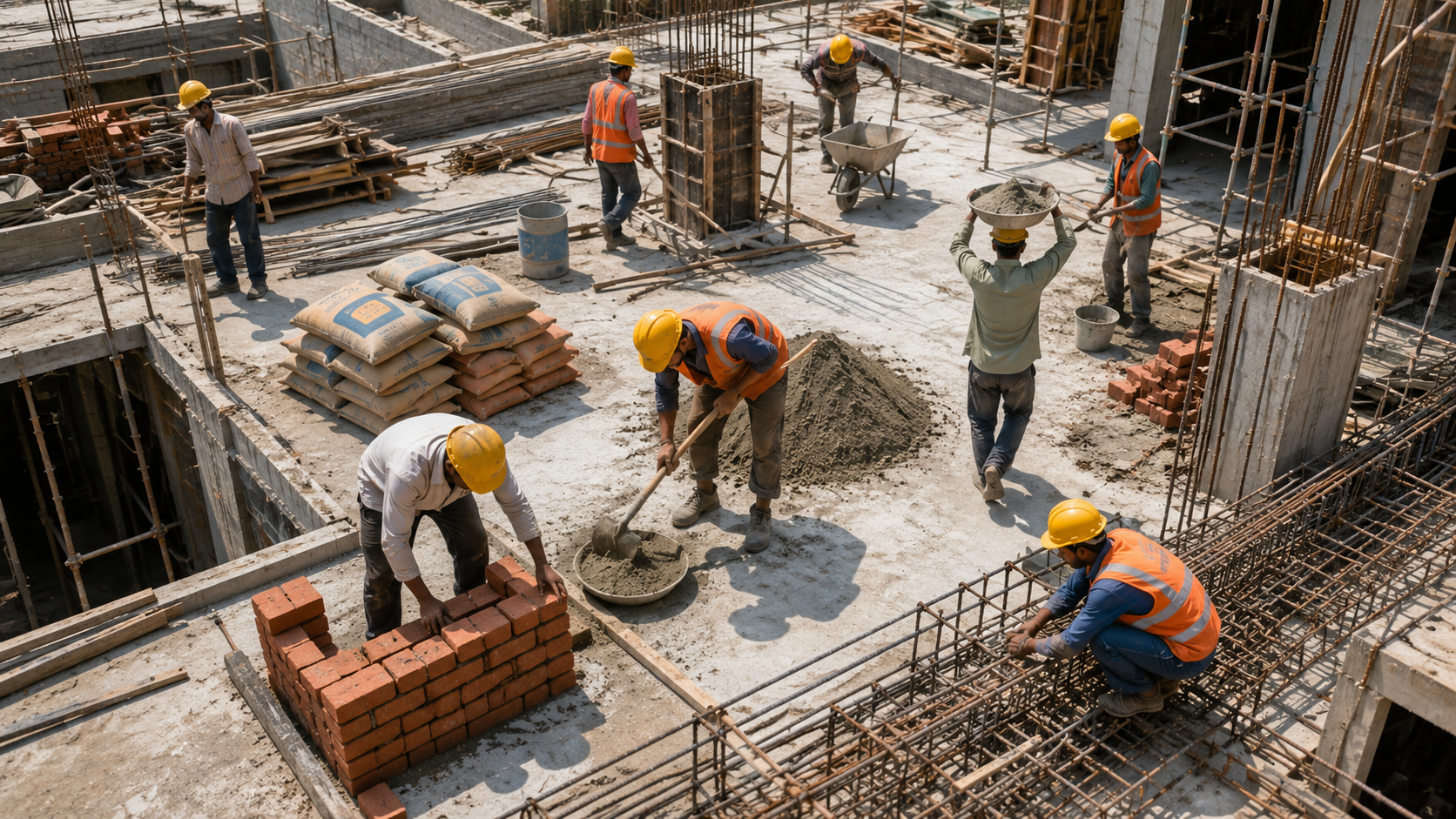
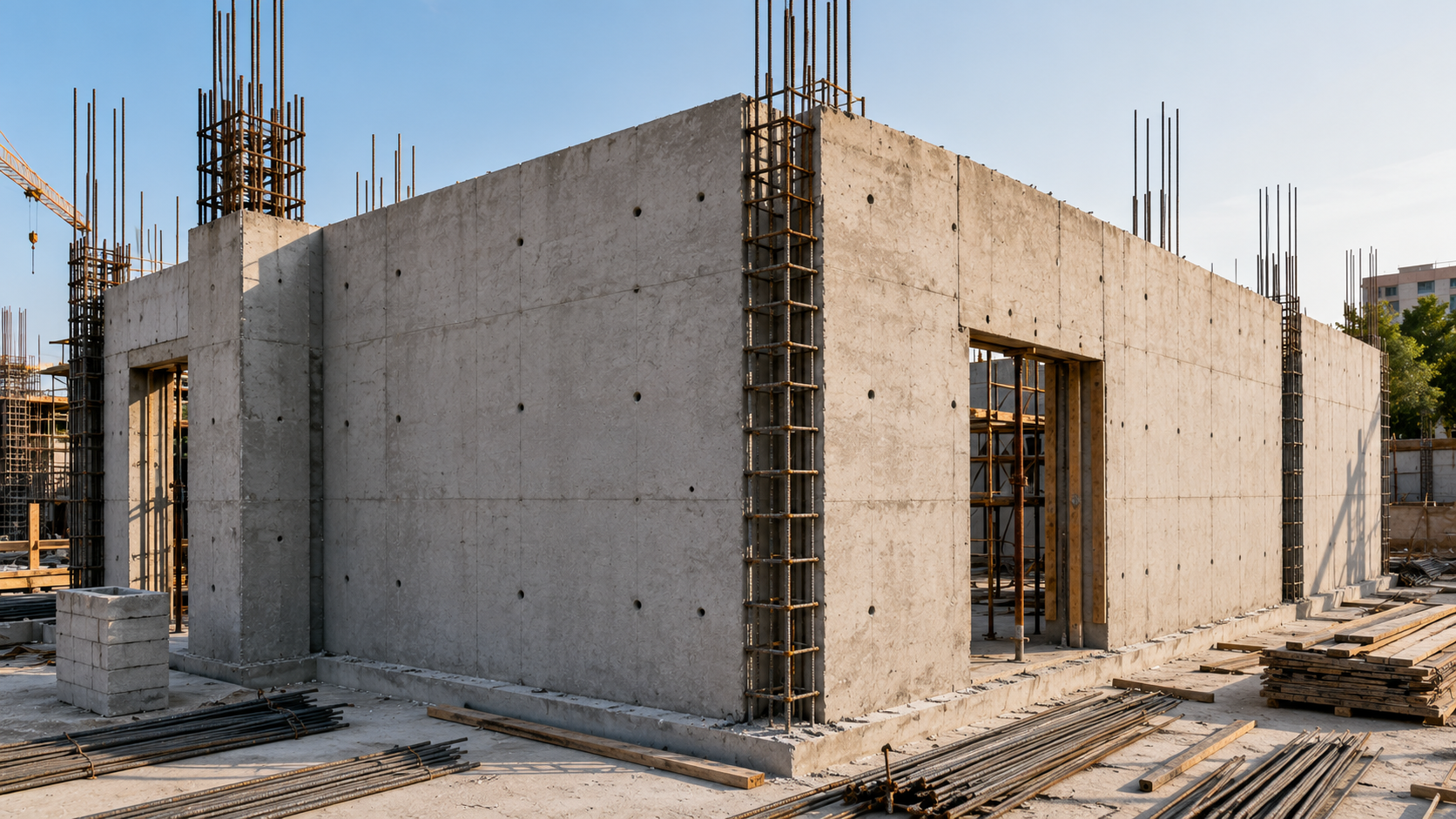
A structural engineer is responsible for analyzing, designing, and ensuring the structural integrity of buildings and infrastructure. They work with various materials including concrete, steel, timber, and masonry to create safe, efficient, and cost-effective structural systems. Their expertise extends beyond just calculations – they understand how different materials behave under various conditions, environmental factors, and loading scenarios.
In the Indian context, structural engineers must also consider unique challenges such as monsoon loads, seismic activity in certain regions, soil conditions varying from the alluvial plains of the Ganges to the rocky terrain of the Deccan Plateau, and compliance with Indian Standard (IS) codes.
Build cost · Bengaluru, May 2026
New Construction Projects
Residential Buildings
For any new residential construction beyond a simple single-story structure, a structural engineer's involvement is crucial. This includes:
Multi-story homes: Any building with more than one floor requires careful structural analysis to ensure proper load distribution
Large span areas: Open floor plans, large living rooms, or spaces without intermediate supports need engineered solutions
Complex architectural features: Cantilevers, curved walls, or unconventional shapes require specialized structural design
Basement construction: Underground spaces must resist soil pressure and water infiltration while supporting the structure above
In cities like Chennai or Kolkata, where soil conditions can be challenging, a structural engineer becomes even more critical for residential projects. They can design appropriate foundation systems that account for local soil bearing capacity and potential settlement issues.
Commercial and Industrial Buildings
Commercial structures almost always require structural engineering services due to their complexity and the higher stakes involved. This includes:
Office buildings: Multi-story commercial structures with varying floor loads and open office layouts
Retail spaces: Shopping malls and retail outlets with large open areas and heavy equipment loads
Warehouses and factories: Industrial buildings with heavy machinery, storage loads, and specialized equipment
High-rise developments: Any building over a certain height (typically 15 meters or 4 stories) requires detailed structural analysis
Frequently asked
Renovation and Modification Projects
Structural Alterations
Many property owners underestimate the complexity of structural modifications. A structural engineer should be consulted when planning:
Wall removal: Removing any wall, especially load-bearing walls, requires professional assessment
Opening enlargement: Expanding windows or doors in existing walls affects structural integrity
Floor modifications: Cutting openings for stairs, elevators, or mechanical systems
Roof alterations: Adding skylights, solar panels, or changing roof configurations
In older buildings common in cities like Pune or Ahmedabad, structural engineers can assess the existing structure's capacity and design appropriate reinforcement or modification strategies.
Change of Use
Converting a building from one use to another often requires structural evaluation. For example, converting a residential building to commercial use, or transforming a warehouse into office space, typically involves different loading requirements and may necessitate structural upgrades.
Foundation and Soil-Related Issues
Challenging Soil Conditions
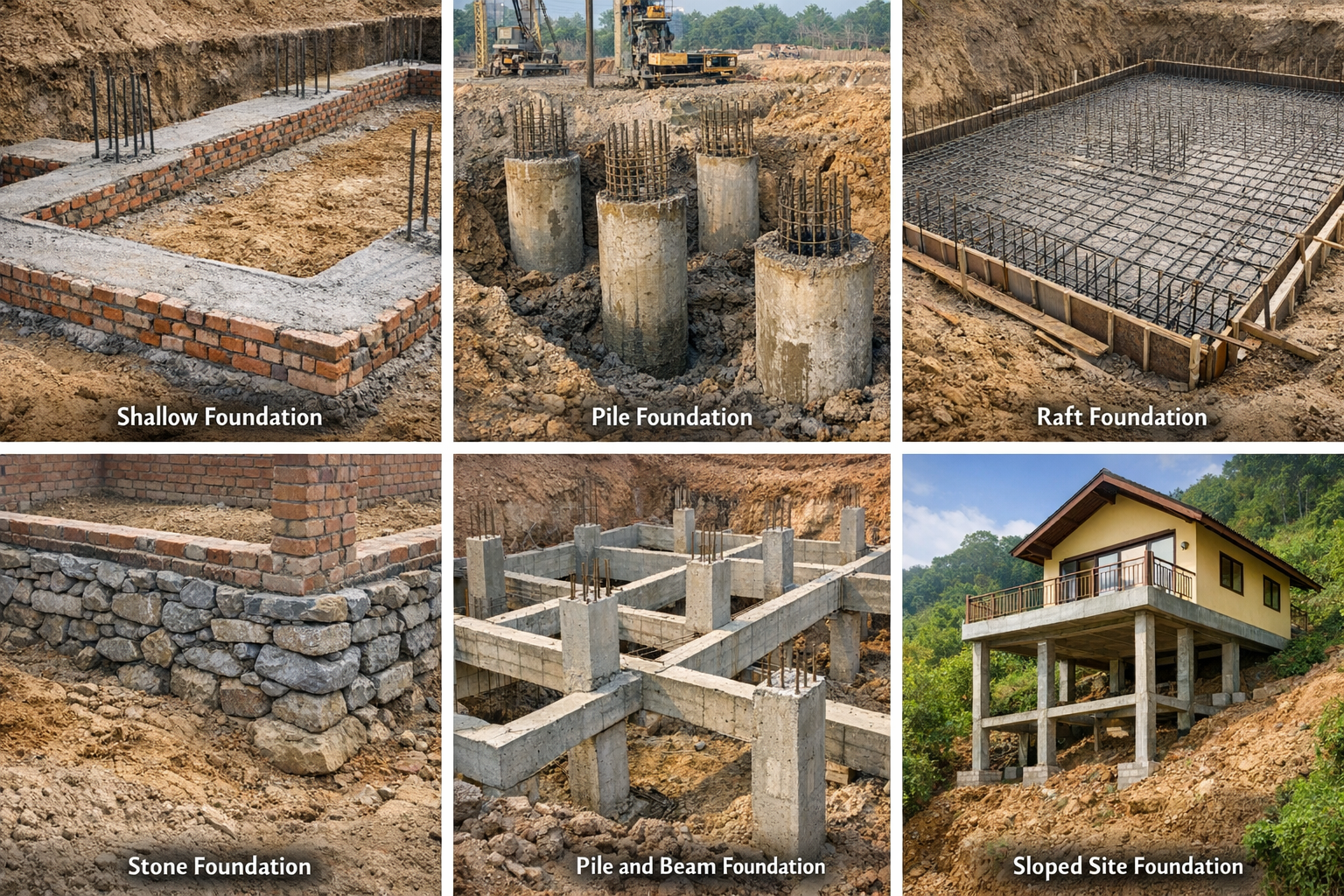
India's diverse geography presents various soil challenges that require structural engineering expertise:
Expansive clay soils: Common in parts of Maharashtra and Madhya Pradesh, these soils can cause significant foundation movement
Soft marine clays: Found in coastal cities like Mumbai and Chennai, requiring specialized foundation solutions
Rocky terrain: Areas with hard rock may require blasting and specialized foundation techniques
High water table: Locations with shallow groundwater need waterproofing and drainage considerations
A geotechnical investigation combined with structural engineering expertise ensures appropriate foundation design for local conditions.
Foundation Problems
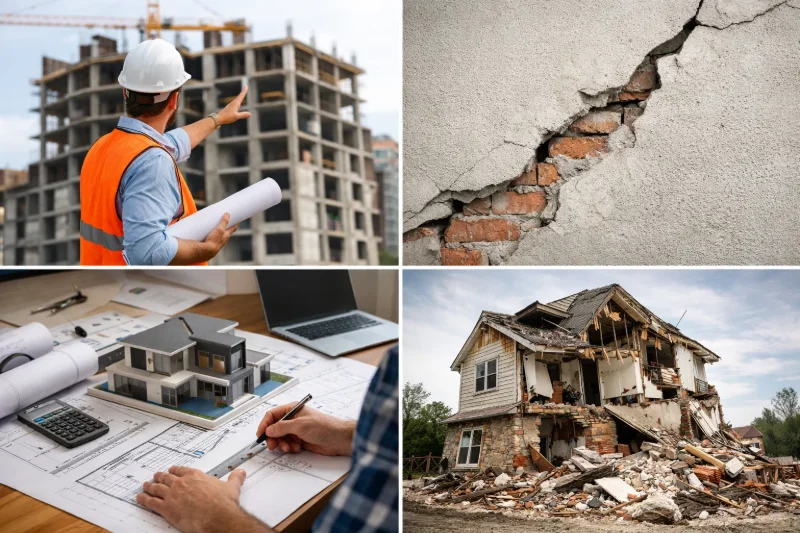
Existing buildings showing signs of foundation distress require immediate structural engineering attention:
Visible cracks in walls or foundations
Doors and windows that stick or don't close properly
Uneven floors or sloping
Separation between walls and ceilings
Seismic Considerations
India is divided into different seismic zones, with Zone V being the most severe (covering areas like Kashmir, parts of Gujarat, and the Northeast) and Zone II being the least severe. Structural engineers are essential for:
New construction in seismic zones: Ensuring compliance with IS 1893 (seismic code)
Seismic retrofitting: Upgrading existing buildings to improve earthquake resistance
Critical facilities: Hospitals, schools, and emergency facilities require enhanced seismic design
After the devastating earthquakes in Gujarat (2001) and Kashmir (2005), seismic design has become increasingly important across India, making structural engineers indispensable for safe construction.
Special Structural Requirements
Heavy Loads and Equipment
Certain applications require specialized structural analysis:
Industrial machinery: Heavy equipment, generators, or manufacturing machinery
Swimming pools: Water loads and waterproofing requirements
Rooftop installations: HVAC equipment, water tanks, or communication towers
Vehicle loads: Parking structures or areas with heavy vehicle traffic
Environmental Challenges
India's diverse climate requires structural solutions for various environmental conditions:
Monsoon loads: Heavy rainfall and wind loads during monsoon seasons
Cyclone resistance: Coastal areas require structures designed for high wind loads
Temperature variations: Thermal expansion and contraction considerations
Corrosion protection: Coastal and industrial environments require specialized materials and protection
Legal and Regulatory Requirements
Building Code Compliance
Indian building codes and local municipal regulations often mandate structural engineering involvement for:
Buildings exceeding certain height or area limits
Structures in high-risk seismic zones
Commercial and institutional buildings
Buildings requiring fire safety compliance
Each state and city may have specific requirements. For instance, Mumbai's Development Control Regulations (DCR) have specific provisions that may require structural engineering certification.
Professional Liability and Insurance
Having a qualified structural engineer involved in your project provides several benefits:
Professional liability coverage
Compliance with insurance requirements
Legal protection in case of structural issues
Enhanced property value and marketability
Cost Considerations
When Structural Engineering Pays for Itself
While hiring a structural engineer involves upfront costs (typically ranging from ₹50,000 to ₹5,00,000 depending on project complexity), the investment often pays for itself through:
Material optimization: Efficient designs can reduce material costs by 10-20%
Avoiding rework: Proper design prevents costly modifications during construction
Insurance benefits: Some insurance policies offer reduced premiums for engineered structures
Resale value: Properly engineered buildings command higher market values
Cost of Not Using a Structural Engineer
The risks of proceeding without proper structural engineering can be severe:
Structural failure leading to property damage or personal injury
Legal liability and insurance claims
Costly repairs and retrofitting
Building code violations and legal issues
Reduced property value and marketability
Finding the Right Structural Engineer
When selecting a structural engineer, consider:
Qualifications: Look for professionals with relevant degrees and professional certifications
Experience: Choose engineers with experience in similar project types and local conditions
Local knowledge: Understanding of local building codes, soil conditions, and construction practices
Technology: Familiarity with modern analysis software and design tools
References: Past project examples and client testimonials
AECORD's platform makes it easier to find qualified structural engineers in your area, allowing you to compare credentials, experience, and client reviews to make an informed decision.
The Consultation Process
A typical structural engineering consultation involves:
Initial assessment: Site visit and project evaluation
Scope definition: Determining the extent of engineering services needed
Preliminary design: Initial structural concepts and feasibility
Detailed analysis: Comprehensive structural calculations and design
Drawing preparation: Detailed structural drawings and specifications
Construction support: Review of shop drawings and construction oversight
Conclusion
The decision to engage a structural engineer should be based on project complexity, safety requirements, regulatory compliance, and long-term value considerations. In India's dynamic construction environment, with its unique challenges of diverse soil conditions, seismic activity, monsoon loads, and evolving building codes, structural engineering expertise has become more crucial than ever.
Whether you're planning a new construction project, considering structural modifications, or addressing existing building issues, early involvement of a qualified structural engineer can save time, money, and ensure the safety and durability of your investment.
Don't compromise on structural safety – it's not just about building codes and regulations, but about protecting lives, property, and your investment. Connect with experienced structural engineers through AECORD today to ensure your project is built on a solid foundation of professional expertise and engineering excellence.
Frequently Asked Questions
When do you need a structural engineer for residential construction in India?
A structural engineer is essential for any residential building with more than one floor, large open floor plans, complex architectural features like cantilevers, or basement construction. In cities with challenging soil conditions like Chennai or Kolkata, their expertise becomes even more critical for proper foundation design.
Do commercial buildings always require a structural engineer?
Yes, commercial structures almost always require structural engineering services due to their complexity and higher stakes. This includes office buildings, retail spaces, warehouses, and any building over 15 meters or 4 stories in height.
Is a structural engineer needed for removing walls during renovation?
Yes, a structural engineer must be consulted before removing any wall, especially load-bearing walls, as it affects the building's structural integrity. They assess whether the wall supports critical loads and design appropriate reinforcement if needed.
What unique factors do structural engineers consider in India?
Indian structural engineers must account for monsoon loads, seismic activity in certain regions, varying soil conditions from alluvial plains to rocky terrain, and compliance with Indian Standard (IS) codes specific to the country's construction requirements.
What materials do structural engineers work with?
Structural engineers work with various materials including concrete, steel, timber, and masonry to create safe, efficient, and cost-effective structural systems. They understand how each material behaves under different loading conditions and environmental factors.