

Hempcrete Suppliers in India: A Comprehensive Guide to Sustainable Building Materials
The construction industry in India is undergoing a significant transformation as builders, architects, and developers increasingly seek sustainable alternatives to conventional building materials. Hempcrete, a bio-based composite material made from hemp fiber and lime binder, has emerged as a promising solution for eco-conscious construction projects across the country. This comprehensive guide explores the hempcrete suppliers landscape in India, the benefits of this material, and how professionals can source quality hempcrete for their projects.
Build cost · Bengaluru, May 2026
Understanding Hempcrete: What It Is and Why It Matters
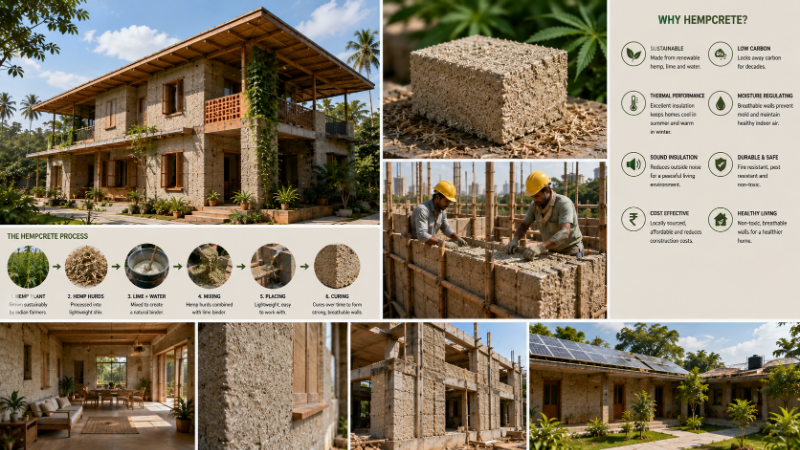
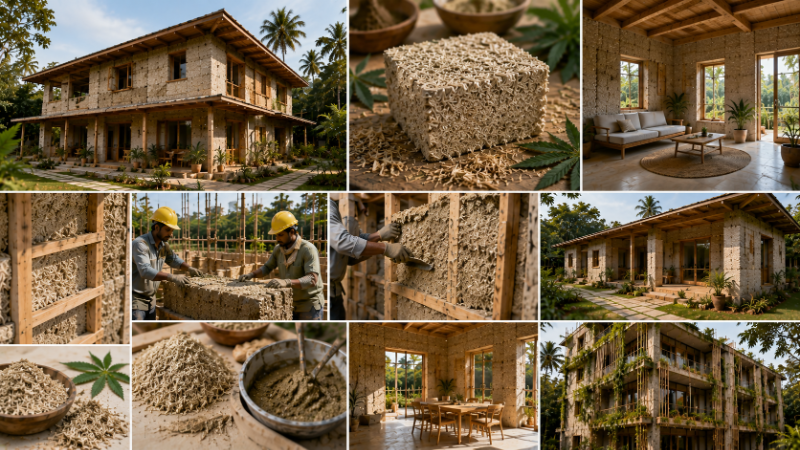
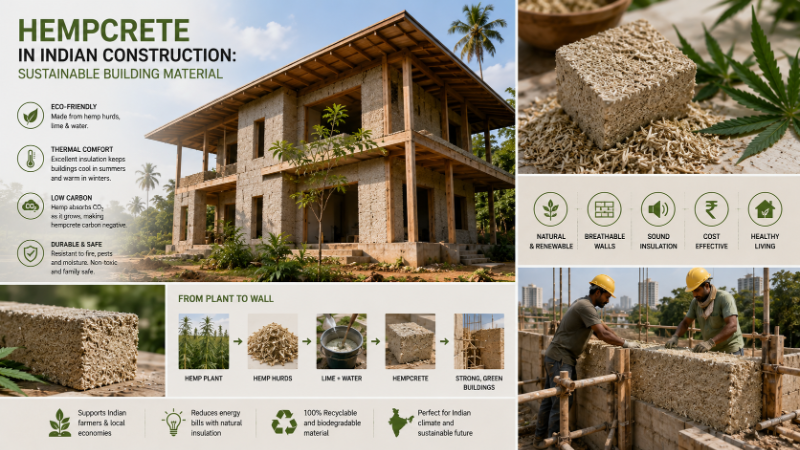
Hempcrete is a lightweight composite material composed of hemp hurds (the woody core of hemp stalks), lime binder, and water. Unlike concrete, hempcrete is not a structural element on its own but rather a non-load-bearing infill material used in timber-frame or steel-frame construction. The material has been used extensively in Europe for over two decades and is now gaining traction in India as sustainable building practices become mainstream.
The environmental credentials of hempcrete are impressive. Hemp is a rapidly renewable crop that requires minimal pesticides, grows in diverse climates, and sequesters significant amounts of carbon dioxide during its growth cycle. When used in construction, hempcrete can store carbon, making it carbon-negative over its lifecycle. For Indian builders aiming to achieve green building certifications like LEED, IGBC, or GRIHA, hempcrete offers a tangible way to improve environmental performance./blog/innovative-surface-solutions-how-dubond-is-redefining-building-materials-for-modern-construction
Key Properties and Advantages of Hempcrete
Thermal Performance: Hempcrete provides excellent thermal insulation with a thermal conductivity of approximately 0.06-0.1 W/mK, significantly better than conventional concrete. This property is particularly valuable in India's diverse climate zones, from the hot and humid coastal regions to the cold Himalayan areas.
Moisture Regulation: One of hempcrete's standout features is its ability to regulate indoor humidity naturally. The material absorbs and releases moisture based on ambient conditions, creating a healthier indoor environment without relying heavily on mechanical ventilation systems. This is especially beneficial in cities like Mumbai and Kolkata with high humidity levels.
Acoustic Properties: Hempcrete provides sound absorption capabilities, making it suitable for residential and commercial spaces where noise reduction is desired. Urban construction projects in metropolitan areas like Delhi, Bangalore, and Mumbai can benefit from this property.
Fire Resistance: When used with appropriate lime binders, hempcrete demonstrates good fire resistance. The lime content provides inherent fire-retardant properties, meeting safety standards required by Indian building codes.
Breathability: Unlike plastic-based insulation materials, hempcrete is fully breathable, allowing moisture vapor to pass through. This prevents moisture accumulation within wall assemblies and reduces the risk of mold growth, a common concern in India's humid climate regions.
The Current Hempcrete Supply Landscape in India
The hempcrete market in India is still in its nascent stage compared to established markets in Europe and North America. However, the supply landscape is gradually developing as awareness increases and demand from environmentally-conscious developers grows. Currently, hempcrete suppliers in India can be broadly categorized into three groups: direct manufacturers, importers, and specialized distributors.
Direct Manufacturers: A limited number of Indian companies have begun producing hempcrete locally. These manufacturers typically operate in regions where hemp cultivation is prevalent, such as parts of Madhya Pradesh, Karnataka, and Rajasthan. Local production significantly reduces transportation costs and carbon footprint compared to imported materials.
Importers: Several building material companies import hempcrete from European manufacturers, particularly from the United Kingdom, France, and Germany where the material is well-established. While imported hempcrete guarantees consistent quality and proven performance, the cost is substantially higher due to freight charges and import duties, typically ranging from ₹15,000 to ₹25,000 per cubic meter.
Specialized Distributors: A growing number of sustainable building material distributors have begun stocking hempcrete alongside other eco-friendly products. These distributors often serve architects and contractors who are actively seeking green building materials for their projects.
Frequently asked
Major Hempcrete Suppliers and Manufacturers in India
While the market is still developing, several companies have established themselves as reliable hempcrete suppliers. In major metros and growing sustainable construction hubs like Bangalore, Pune, and Hyderabad, you'll find suppliers offering hempcrete products along with technical support.
Leading suppliers typically provide not just the raw material but also technical consultation, installation guidance, and quality assurance. When evaluating hempcrete suppliers, architects and builders should verify certifications, request samples, check references from completed projects, and understand the supplier's track record with similar projects in India.
The pricing of hempcrete in India varies based on source, quality, and volume. Locally-manufactured hempcrete is generally more economical, ranging from ₹8,000 to ₹15,000 per cubic meter, while imported products command premium prices. Bulk orders typically attract better pricing, making hempcrete more cost-competitive for large-scale projects.
Finding Hempcrete Suppliers Through Professional Networks
For architects, engineers, and contractors seeking reliable hempcrete suppliers, professional networks and B2B platforms have become invaluable resources. Platforms like AECORD connect construction professionals with specialized material suppliers across India. Through AECORD's extensive network, you can identify hempcrete suppliers in your region, compare offerings, and connect directly with manufacturers and distributors.
The advantage of using professional marketplaces is the ability to verify supplier credentials, review past projects, and access a curated list of verified suppliers. This significantly reduces the time spent on sourcing and increases confidence in material quality and supplier reliability.
Technical Specifications and Quality Standards
When sourcing hempcrete, professionals should be aware of relevant quality standards. In India, while specific hempcrete standards are still being developed, suppliers typically reference European standards such as EN 15725 (Determination of Thermal Resistance of Hempcrete) and EN 16889 (Hempcrete – Specification and Test Methods).
Quality hempcrete should meet specific requirements for:
Density (typically 300-600 kg/m³)
Compressive strength (0.3-1.0 MPa)
Thermal conductivity (0.06-0.1 W/mK)
Moisture absorption and desorption rates
Durability and resistance to environmental factors
Reputable suppliers provide technical data sheets, test certificates, and performance documentation. Before finalizing orders, request samples and conduct preliminary testing to ensure the material meets your project requirements.
Hempcrete Applications in Indian Construction Projects
Hempcrete is increasingly being used in various applications across India:
Residential Construction: Eco-conscious homeowners and green residential projects use hempcrete for infill walls in timber-frame structures. Projects in Goa, Kerala, and hill stations are particularly suited to hempcrete due to climate considerations and growing demand for sustainable homes.
Commercial Buildings: Green office buildings and commercial spaces in cities like Bangalore, Pune, and Hyderabad are incorporating hempcrete to improve energy efficiency and achieve green building certifications. The material's acoustic properties make it ideal for office environments.
Hospitality and Wellness Centers: Hotels, resorts, and wellness centers leverage hempcrete's moisture-regulating properties to create healthier indoor environments. The Himalayan regions and coastal areas with wellness tourism focus particularly benefit from this application.
Educational Institutions: Green campus initiatives at universities and schools across India have begun using hempcrete in new buildings, aligning construction practices with sustainability education.
Cost Considerations and ROI Analysis
The initial cost of hempcrete is higher than conventional materials like concrete blocks or conventional insulation. However, a comprehensive cost-benefit analysis often reveals long-term savings:
Reduced Operational Costs: Superior thermal and moisture-regulating properties reduce HVAC requirements, lowering energy consumption by 20-40% depending on climate and building design. In a city like Delhi with extreme temperature variations, these savings are particularly significant.
Health Benefits: Better indoor air quality and moisture regulation reduce health-related issues, particularly important in commercial spaces where employee productivity is affected by environmental quality.
Longevity: Hempcrete buildings demonstrate excellent durability when properly constructed, with a lifespan exceeding 50 years. This represents excellent value over the building's lifetime.
Certification and Market Value: Green-certified buildings command premium rental rates and resale values in major Indian metros. Hempcrete contributes significantly to achieving these certifications.
Installation and Technical Support from Suppliers
Quality hempcrete suppliers in India provide more than just material delivery. They offer technical support including:
Design consultation and structural integration planning
Detailed installation guidelines and best practices
Training for contractors and construction teams
Quality assurance and on-site inspection services
After-sales support and troubleshooting
This comprehensive support is crucial since hempcrete installation differs from conventional materials and requires specific techniques to ensure optimal performance. Suppliers who invest in customer education and support typically deliver better project outcomes.
Regulatory Compliance and Building Codes
While hempcrete is not yet explicitly mentioned in the Indian National Building Code (NBC), it can be used under the provisions for non-load-bearing infill materials. Architects and engineers must ensure that hempcrete applications comply with:
National Building Code of India 2016
Local municipal building bylaws
State-specific regulations
Green building certification requirements (LEED, IGBC, GRIHA)
Suppliers should be knowledgeable about these regulatory requirements and assist in documentation and compliance processes. This is particularly important when working with municipal authorities in cities like Mumbai, Bangalore, and Delhi.
Sourcing Hempcrete: A Step-by-Step Guide
Step 1: Define Your Requirements – Calculate the volume needed, understand your project's climate considerations, and determine budget parameters.
Step 2: Research Suppliers – Use professional networks and platforms like AECORD to identify potential suppliers in your region. Review their credentials, certifications, and past projects.
Step 3: Request Quotations and Samples – Contact multiple suppliers for detailed quotations including delivery, installation support, and warranty terms. Request product samples for testing.
Step 4: Verify Quality and Compliance – Review technical documentation, test certificates, and ensure the material meets relevant standards. Conduct preliminary testing if necessary.
Step 5: Evaluate Support Services – Assess the supplier's technical support, training, and after-sales service capabilities.
Step 6: Negotiate Terms – Discuss bulk discounts, delivery schedules, payment terms, and warranty provisions.
Step 7: Execute and Monitor – Once finalized, ensure proper delivery, storage, and installation under supplier guidance.
Future Outlook for Hempcrete in India
The hempcrete market in India is poised for significant growth. Several factors support this trajectory: increasing awareness of climate change, stricter building codes emphasizing sustainability, growing demand for green buildings, and improving local manufacturing capabilities. As more projects successfully demonstrate hempcrete's benefits, demand will increase, attracting more suppliers and driving down costs through economies of scale.
Government initiatives promoting sustainable construction and renewable materials will likely accelerate hempcrete adoption. States like Karnataka, Maharashtra, and Rajasthan are already showing strong interest in promoting bio-based building materials.
Conclusion
Hempcrete represents a significant opportunity for Indian architects, engineers, and builders seeking to incorporate sustainable materials into their projects. While the supply landscape is still developing, quality suppliers are emerging across the country, offering both locally-manufactured and imported options. The material's superior thermal performance, moisture regulation, and environmental credentials make it an excellent choice for green building projects in diverse Indian climates.
To find reliable hempcrete suppliers and connect with other AECO professionals, consider leveraging platforms like AECORD, which specializes in connecting construction professionals with specialized material suppliers. Whether you're planning a residential, commercial, or institutional project, the right hempcrete supplier can significantly enhance your building's sustainability performance and occupant comfort.
Start your hempcrete sourcing journey today by exploring verified suppliers on professional platforms, requesting samples, and consulting with experienced contractors who have successfully used this material in Indian projects. The investment in quality hempcrete and proper installation will deliver returns through improved energy efficiency, occupant health, and long-term building value.