

Understanding Digital Twins in Construction and Design
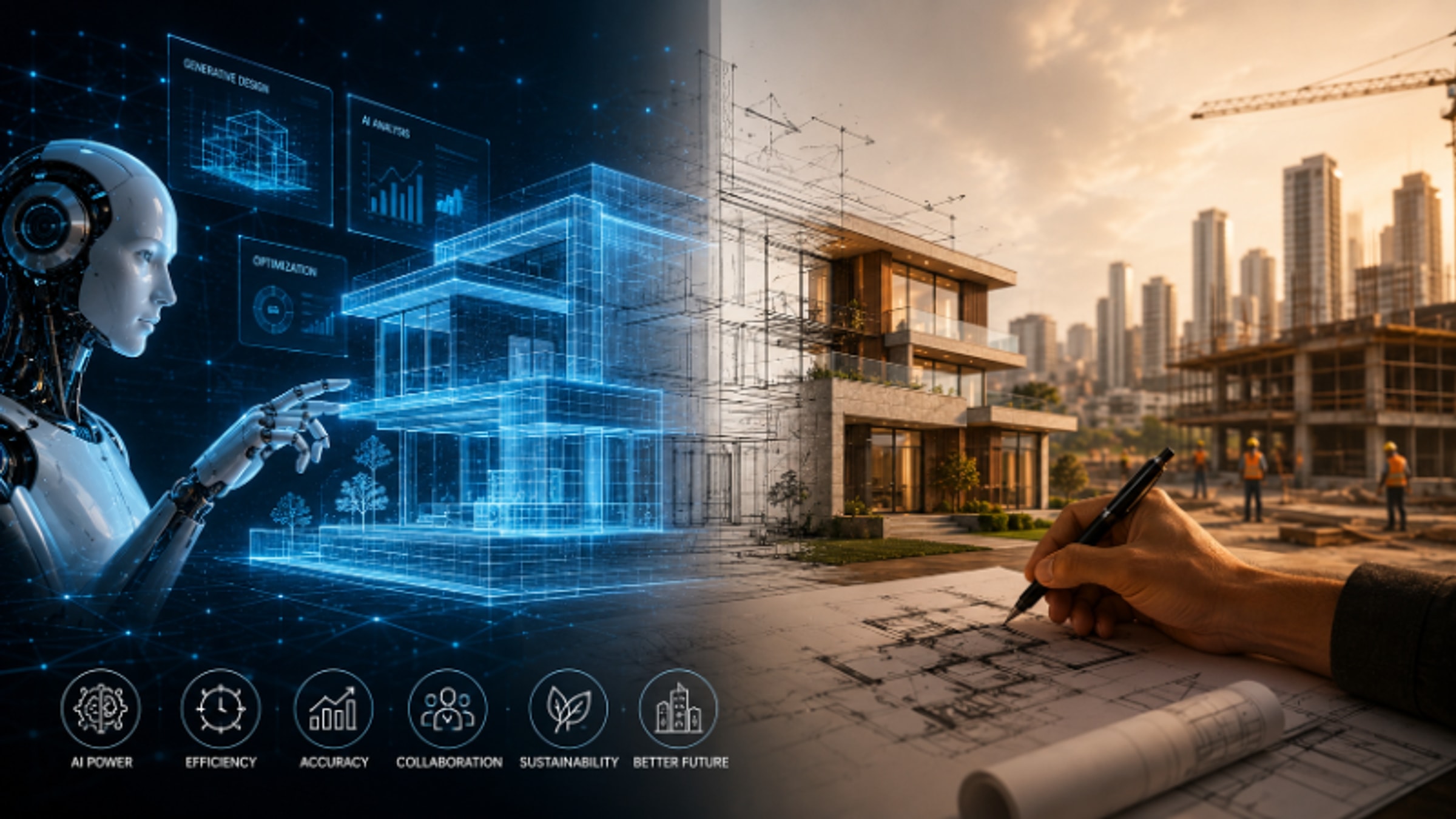
In the rapidly evolving landscape of architecture, engineering, and construction (AEC), digital twins have emerged as a transformative technology that bridges the gap between imagination and reality. A digital twin is essentially a virtual replica of a physical building, infrastructure, or system that mirrors its real-world counterpart in real-time. For architects, engineers, and construction professionals in India, this technology represents an unprecedented opportunity to enhance client communication, reduce project risks, and deliver exceptional results.
The concept of digital twins originated in manufacturing but has found profound applications in the construction industry. Unlike traditional 2D drawings or static 3D renderings, digital twins are dynamic, data-driven models that evolve throughout the project lifecycle. They capture not just the geometry of a structure but also its performance characteristics, maintenance requirements, and operational data.
Build cost · Bengaluru, May 2026
Why Digital Twins Matter for Client Trust
Moving Beyond Traditional Visualisations
For decades, architects and engineers have relied on 2D blueprints, static 3D renderings, and physical models to communicate their vision to clients. While these tools have served their purpose, they often leave clients struggling to visualize the final product. A client might approve a design on paper, only to be surprised when the actual building doesn't match their expectations.
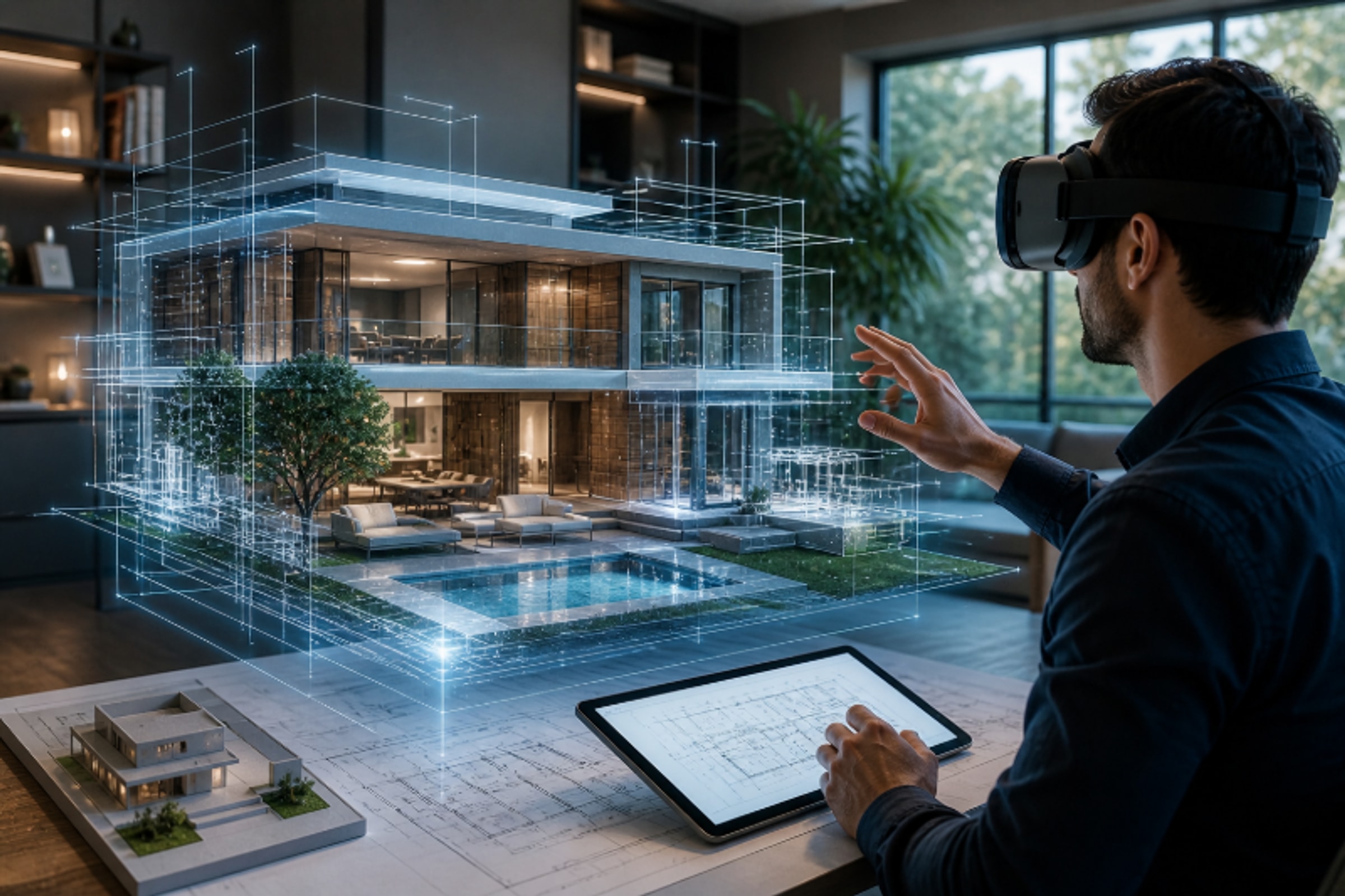
Digital twins solve this problem by providing an immersive, interactive representation of the project. Clients can walk through a virtual building, understand spatial relationships, and visualize how natural light will interact with different surfaces throughout the day. This level of clarity dramatically increases confidence in your design vision.
Real-Time Progress Tracking
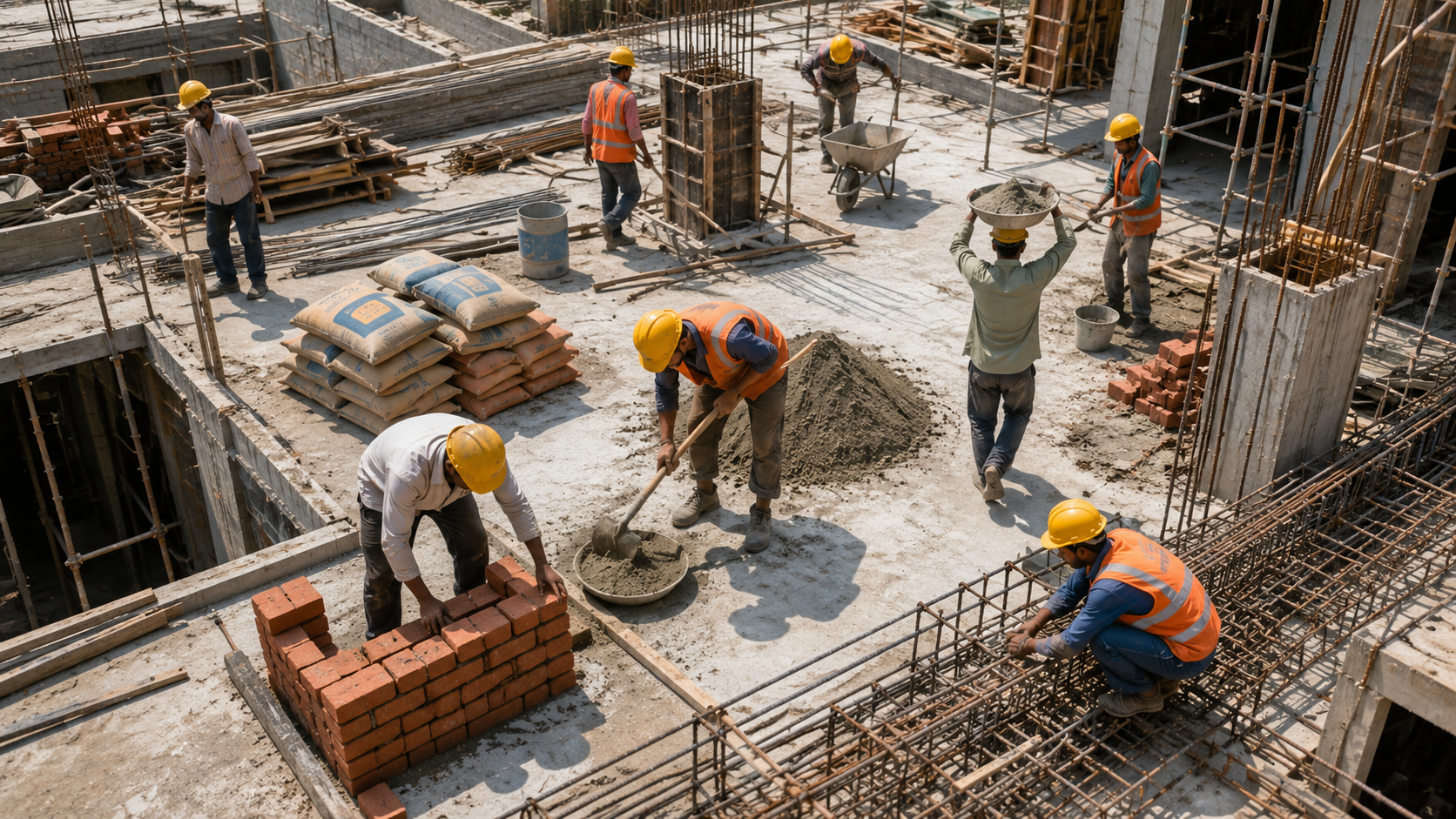
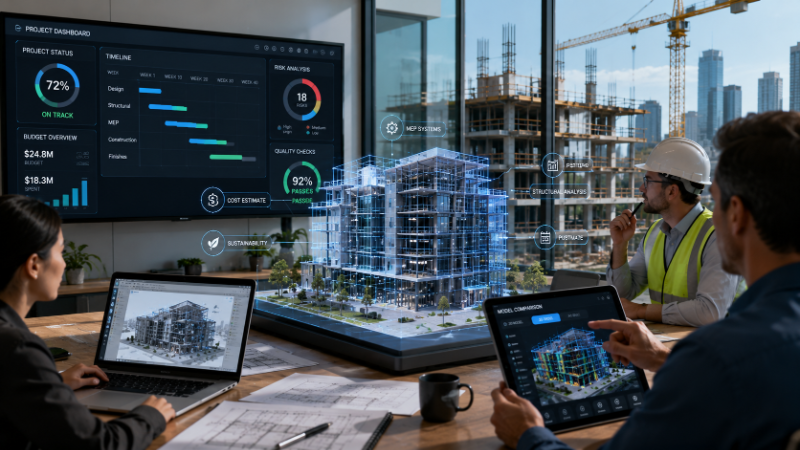
One of the most significant sources of client anxiety during construction is uncertainty about progress. Digital twins enable real-time monitoring of construction activities. By integrating IoT sensors, drones, and photogrammetry data, you can create a living model that updates continuously as work progresses. Clients can log into a portal and see exactly where the project stands, reducing miscommunication and building trust through transparency.
In Indian cities like Bangalore, Mumbai, and Delhi, where large commercial and residential projects often span multiple years, this transparency is invaluable. Clients appreciate being able to track progress remotely without requiring site visits.
Frequently asked
Data-Driven Decision Making
Digital twins transform construction from an art into a science. By analyzing performance data, you can demonstrate to clients that design decisions are based on rigorous analysis rather than intuition. Whether it's thermal comfort analysis, structural optimization, or energy consumption projections, these data-driven insights build credibility and trust.
Applications of Digital Twins in Indian Construction Projects
Commercial Real Estate Development
For commercial projects in metropolitan areas like Mumbai and Bangalore, digital twins provide significant advantages. Developers can showcase to potential tenants exactly how their future office spaces will perform. This includes factors like natural ventilation, daylight availability, and acoustic properties. A commercial building in Bangalore's business district, for instance, can demonstrate energy efficiency metrics and operational cost savings through its digital twin, helping secure better lease agreements.
Infrastructure and Smart Cities
India's smart city initiatives have created immense opportunities for digital twin technology. Projects like the Pune Smart City or Hyderabad's development initiatives can leverage digital twins to plan infrastructure, manage traffic flow, optimize utilities, and plan emergency responses. Citizens and stakeholders can visualize how new metro systems, roads, and public spaces will integrate into existing urban environments.
Residential Complex Planning
Residential projects, particularly large apartment complexes in cities like Delhi, Bangalore, and Chennai, benefit enormously from digital twins. Potential buyers can experience their future homes, understand community amenities, and visualize common areas. This is particularly valuable in a market where buyers are investing significant capital and want assurance about their purchase.
Heritage Conservation and Restoration
India's rich architectural heritage requires careful restoration. Digital twins enable conservation professionals to document historical structures in minute detail, plan restoration work, and demonstrate preservation strategies to heritage authorities and stakeholders. This is crucial for projects involving heritage buildings in cities like Delhi, Jaipur, and Kolkata.
Technology Stack for Creating Effective Digital Twins
Building Information Modeling (BIM)
BIM is the foundation of digital twins. Tools like Revit, ArchiCAD, and Navisworks allow you to create detailed, parametric models that contain rich information about every building component. When you're working on a project through AECORD, connecting with BIM specialists ensures your digital twin has the necessary depth and accuracy.
Visualization and Immersive Technologies
To truly engage clients, digital twins need to be accessible and immersive. Virtual reality (VR) platforms allow clients to experience spaces in full 3D. Augmented reality (AR) applications enable clients to visualize how a building will look within its existing urban context. These technologies are becoming increasingly affordable in India, with VR studios now available in major cities.
IoT Integration and Real-Time Data
The most advanced digital twins incorporate real-time data from IoT sensors. These might include temperature sensors, humidity monitors, structural health sensors, and occupancy detectors. This transforms your digital twin from a static model into a living, breathing representation of your building's actual performance.
Cloud-Based Platforms
Platforms like Autodesk Construction Cloud, Trimble Connect, and various other cloud solutions enable seamless collaboration and access. Team members, clients, and stakeholders can access the digital twin from anywhere, at any time. For distributed teams across Indian cities, this accessibility is invaluable.
Building Client Trust Through Digital Twin Communication
Transparency in Design Decisions
When clients can see and interact with a digital twin, every design decision becomes transparent. You can explain why materials were chosen, how structural systems work, and how sustainability features will function. This transparency eliminates the "black box" feeling that many clients experience with traditional architectural presentations.
Scenario Planning and Alternatives
Digital twins enable you to present multiple design scenarios to clients. Want to show how the building looks with different facade materials? How the space functions with various furniture arrangements? Digital twins make this comparison effortless. Clients appreciate being involved in these decisions and seeing the implications of their choices in real-time.
Risk Mitigation and Problem Prevention
By identifying potential issues before construction begins, digital twins demonstrate your expertise and commitment to quality. Whether it's clash detection between MEP systems, accessibility concerns, or constructability challenges, addressing these virtually saves time and money. Clients trust professionals who prevent problems rather than solve them after they occur.
Cost Implications and ROI in the Indian Market
Initial Investment
Creating a comprehensive digital twin requires investment in software, training, and specialized personnel. In India, BIM software licenses range from ₹50,000 to ₹5,00,000 annually depending on the platform and number of users. VR visualization tools add another ₹2,00,000 to ₹10,00,000 to the setup. However, these costs are declining as technology becomes more mainstream.
Long-Term Value
The ROI becomes apparent quickly. Projects with digital twins typically experience:
15-20% reduction in rework costs
Faster client approval cycles, reducing project timelines by 10-15%
Improved client satisfaction and repeat business
Better ability to secure premium pricing for services
Reduced disputes and change orders
For a ₹50 crore commercial project in Bangalore, even a 10% reduction in rework translates to ₹5 crore in savings. The digital twin investment pays for itself many times over.
Regulatory and Compliance Advantages
Meeting Indian Building Codes
Digital twins help ensure compliance with the National Building Code of India (NBC) and local municipal regulations. You can demonstrate to authorities that your design meets fire safety requirements, accessibility standards (as per the Rights of Persons with Disabilities Act), and energy conservation codes (as per the Energy Conservation Building Code).
Streamlined Approvals
Municipal corporations in cities like Mumbai, Delhi, and Pune are increasingly accepting digital submissions for building approvals. A well-prepared digital twin can expedite the approval process, reducing the back-and-forth that typically characterizes regulatory interactions in India.
Case Studies: Digital Twins in Action
Commercial Office Space in Bangalore
A leading architectural firm in Bangalore used digital twins to secure a ₹200 crore office complex project. The client was initially skeptical about the design's openness and lack of traditional private offices. By creating an interactive digital twin, the architects demonstrated how the collaborative workspace would function, how noise would be managed, and how productivity would actually increase. The client not only approved the design but became an advocate for the approach, leading to three additional projects.
Residential Complex in Mumbai
A Mumbai-based developer used digital twins to sell 85% of units in a residential complex before construction completion. Potential buyers could experience their future apartments in VR, walk through common areas, and understand the community layout. This reduced sales risk significantly and improved the project's financial performance.
Overcoming Challenges in Implementation
Skills Gap
The primary challenge in India is the shortage of professionals trained in digital twin creation and management. Addressing this requires investment in training and hiring specialists. Platforms like AECORD can help you connect with these specialized professionals when needed.
Data Management
Digital twins generate enormous amounts of data. Managing, storing, and securing this data requires robust systems. Cloud infrastructure costs in India are reasonable, but data governance and security protocols need careful planning.
Client Adoption
Not all clients immediately understand the value of digital twins. You may need to educate clients about the benefits and provide training on how to use these tools effectively. Starting with smaller projects and building up gradually is often a smart approach.
Future Trends in Digital Twin Technology
AI and Machine Learning Integration
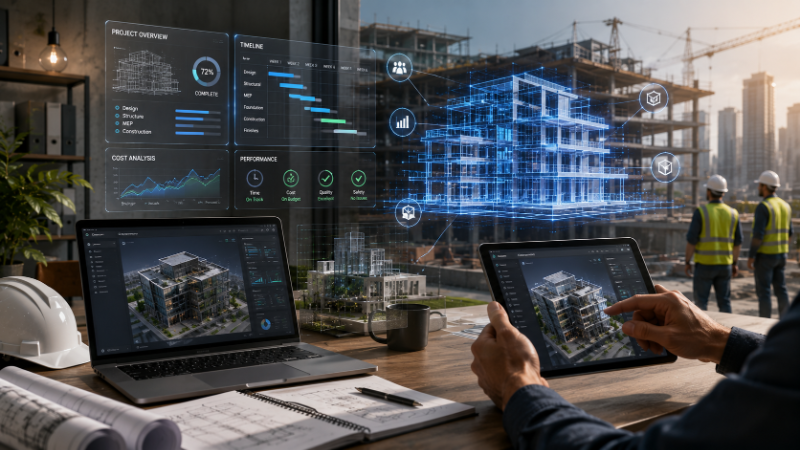
Artificial intelligence is beginning to play a role in digital twins, predicting maintenance needs, optimizing energy consumption, and identifying design improvements. As AI capabilities expand, digital twins will become even more valuable for decision-making.
Blockchain for Data Integrity
Blockchain technology could ensure the integrity and authenticity of digital twin data, particularly important for compliance and dispute resolution in construction projects.
5G Connectivity
As 5G networks expand across India, real-time data transmission from construction sites will become faster and more reliable, enabling truly live digital twins with minimal latency.
Getting Started with Digital Twins
Start Small
Begin with a pilot project. Choose a relatively straightforward project to implement digital twin technology, learn the process, and build internal expertise before scaling up.
Build Your Team
You don't need to hire specialists full-time. Platforms like AECORD connect you with freelance BIM experts, VR specialists, and digital twin consultants who can support your projects on a project-by-project basis.
Invest in Training
Ensure your existing team understands digital twin concepts and tools. Many online courses and certifications are available, often at reasonable costs in India.
Choose the Right Tools
Evaluate different platforms based on your project types, budget, and team capabilities. Start with tools your team is comfortable with and expand gradually.
Conclusion: Building Trust Through Technology
Digital twins represent a fundamental shift in how architecture, engineering, and construction professionals communicate with clients. In India's competitive and rapidly growing construction market, adopting this technology early provides significant competitive advantages. By creating transparent, interactive, and data-driven representations of your vision, you demonstrate expertise, reduce risk, and build the trust that leads to successful projects and satisfied clients.
The investment in digital twin technology is not just about keeping up with trends—it's about fundamentally improving how you serve your clients and execute projects. Whether you're working on a commercial development in Bangalore, a residential complex in Mumbai, or infrastructure in Delhi, digital twins can transform your client relationships and project outcomes.
Ready to implement digital twins in your practice? AECORD's network of specialized professionals can help you get started. From BIM coordinators to VR specialists to digital twin consultants, you can find the expertise you need to bring your vision to life. Connect with qualified professionals on AECORD today and take the first step toward transforming how you communicate with clients and deliver exceptional projects.
Frequently Asked Questions
What is a digital twin in construction?
A digital twin is a virtual replica of a physical building or infrastructure that mirrors its real-world counterpart in real-time. Unlike static 2D drawings or renderings, digital twins are dynamic, data-driven models that capture geometry, performance characteristics, maintenance requirements, and operational data throughout the project lifecycle.
How do digital twins help build client trust?
Digital twins provide immersive, interactive representations that allow clients to walk through virtual buildings and understand spatial relationships before construction begins. They also enable real-time progress tracking through IoT sensors and drones, giving clients transparency and reducing miscommunication throughout the project.
What are the main advantages of digital twins for construction projects?
Digital twins offer improved client visualization, real-time progress monitoring, and data-driven decision making that demonstrates design choices are based on rigorous analysis. They also help reduce project risks, enhance communication, and provide performance insights like energy efficiency and thermal comfort analysis.
How can digital twins be used in commercial real estate development?
In commercial projects, digital twins allow developers to showcase to potential tenants how office spaces will perform, including natural ventilation, daylight availability, and acoustic properties. They can also demonstrate energy efficiency metrics and operational cost savings to help secure better lease agreements.
Are digital twins useful for India's smart city projects?
Yes, digital twins are highly valuable for India's smart city initiatives as they enable infrastructure planning, traffic management, and urban development visualization. Projects like Pune Smart City and Hyderabad's development initiatives can leverage this technology to optimize planning and stakeholder communication.