

Understanding Architectural Virtual Reality: Transforming Design and Visualization
Virtual Reality (VR) has fundamentally transformed how architects, engineers, and construction professionals approach design, visualization, and client communication. In India's rapidly evolving AECO sector, architectural virtual reality is no longer a futuristic concept—it's becoming an essential tool for professionals who want to stay competitive and deliver exceptional results.
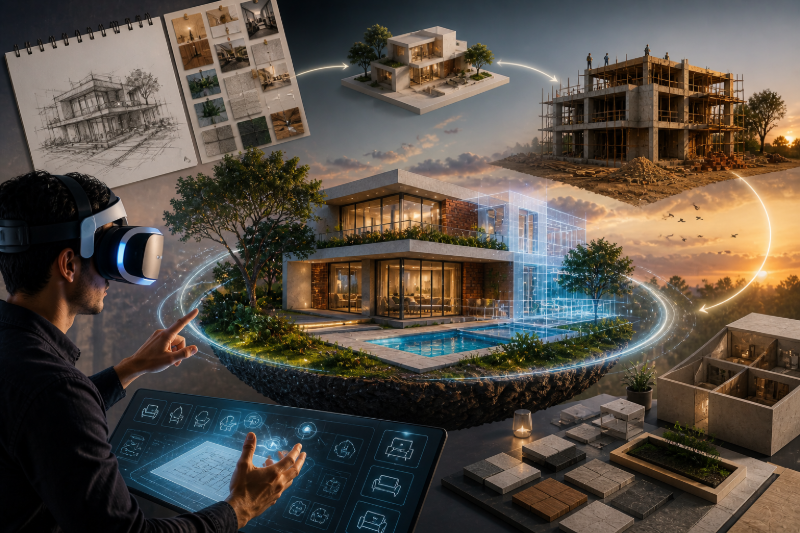
Architectural VR allows stakeholders to experience buildings before they're constructed, walk through spaces in 3D, and identify design issues early in the process. This technology is particularly valuable in the Indian market, where complex regulatory requirements, diverse client expectations, and challenging site conditions demand innovative solutions.
Build cost · Bengaluru, May 2026
What is Architectural Virtual Reality?
Definition and Core Concepts
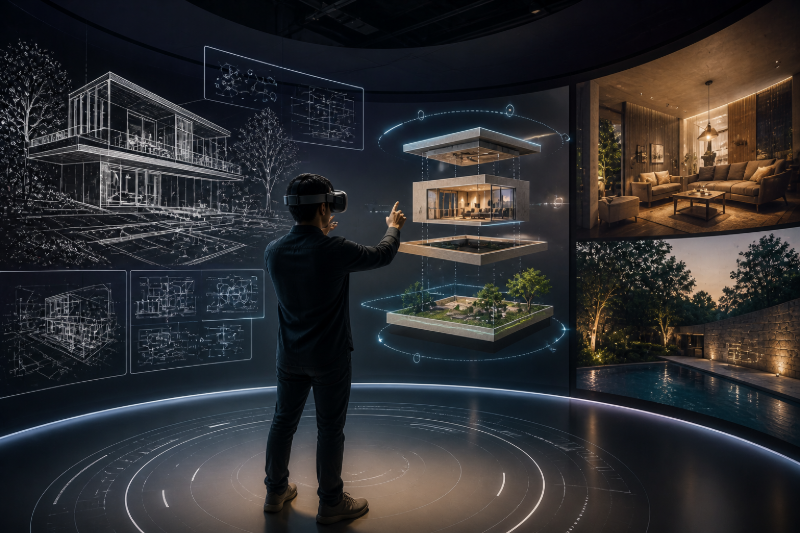
Architectural virtual reality is an immersive digital environment that enables users to experience architectural designs in three-dimensional, interactive spaces. Unlike traditional 2D drawings or static 3D renderings, VR allows architects and clients to "walk through" buildings, experience spatial relationships, and interact with design elements in real-time.
The technology typically involves:
3D modeling software that creates detailed digital representations of buildings
VR headsets (such as Meta Quest, HTC Vive, or Valve Index) that provide immersive experiences
Real-time rendering engines that generate high-quality visuals instantly
Interactive tools that allow users to manipulate designs and explore different scenarios
How VR Differs from Traditional Visualization Methods
Traditional architectural visualization relies on 2D floor plans, elevations, and static 3D renderings. While these are essential, they require significant interpretation and imagination from clients and stakeholders. VR eliminates this gap by providing:
Immersive spatial understanding: Users experience actual dimensions and proportions
Real-time interaction: Designers can modify elements and see changes instantly
Enhanced communication: Complex design concepts become immediately clear
Faster decision-making: Stakeholders can approve or request changes more efficiently
Frequently asked
Benefits of Architectural Virtual Reality in India
Improved Client Communication and Satisfaction
In the Indian market, where client expectations are diverse and communication can be challenging across different stakeholder groups, VR bridges the gap between architects' vision and client understanding. Real estate developers in cities like Mumbai, Bangalore, and Delhi are increasingly using VR to showcase projects to potential buyers, significantly improving sales conversion rates.
When a client can "walk through" a residential apartment in Pune or experience the layout of a commercial office space in Gurugram before construction begins, they develop confidence in the design and are more likely to proceed with the project. This immersive experience reduces misunderstandings and change requests during construction.
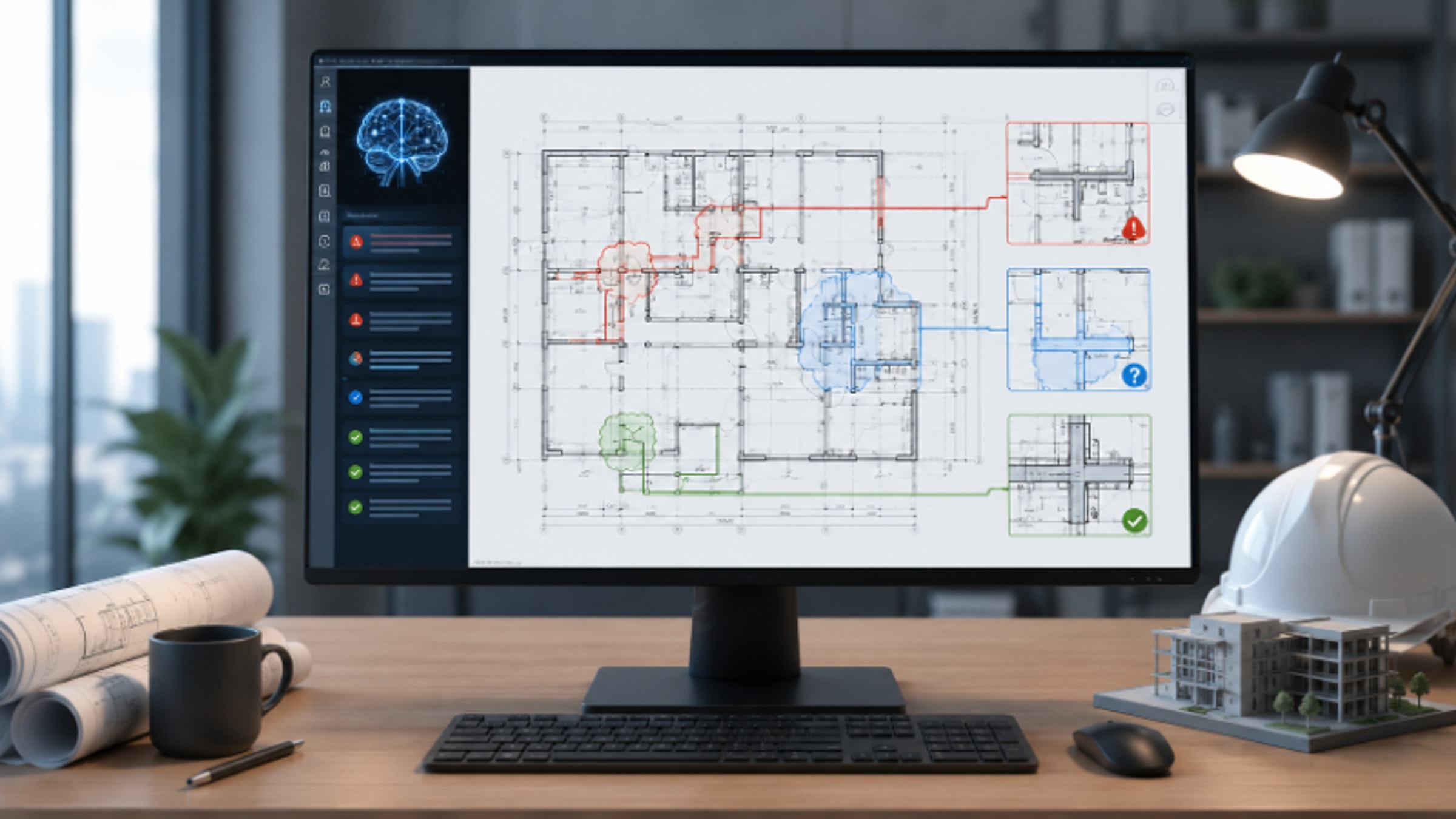
Early Design Validation and Error Detection
One of the most significant advantages of architectural VR is the ability to identify design flaws before construction begins. In India, where construction costs range from ₹1,500 to ₹3,500 per square foot for residential projects and ₹2,000 to ₹5,000 per square foot for commercial spaces, catching errors early can save substantial amounts of money.
VR allows architects to:
Check spatial relationships and proportions in real-time
Identify accessibility issues and compliance problems with Indian building codes
Verify circulation patterns and wayfinding effectiveness
Test lighting conditions and material selections
Ensure compliance with regulations like the National Building Code (NBC) and local municipal guidelines
Streamlined Design Iteration Process
Traditional design processes involve multiple rounds of drawings, reviews, and revisions. VR accelerates this process significantly. Architects can present multiple design options to clients in VR, allowing for rapid comparison and decision-making. This is particularly valuable for large-scale projects in metropolitan areas like Hyderabad or Chennai, where complex stakeholder requirements demand flexibility.
Enhanced Marketing and Sales
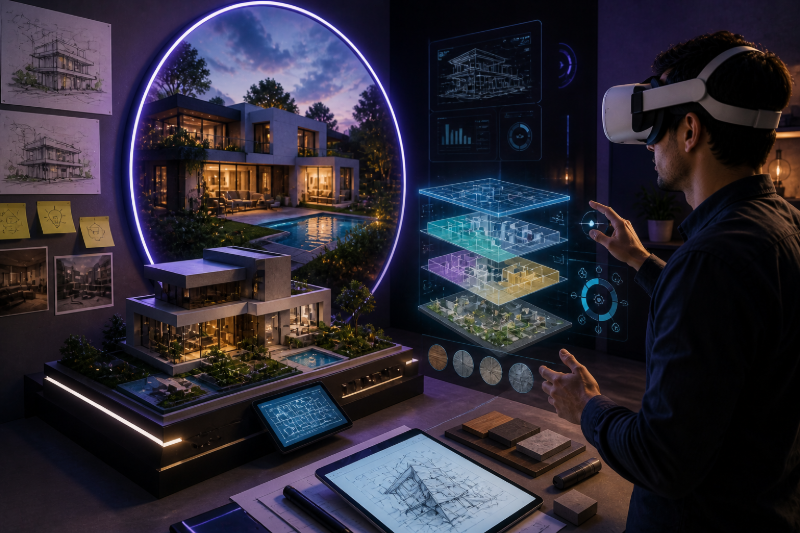
Real estate developers across India are leveraging architectural VR as a powerful marketing tool. Virtual showrooms and immersive project walkthroughs create memorable experiences that static images cannot match. Projects in premium locations like Bandra (Mumbai), Whitefield (Bangalore), and Cyber City (Hyderabad) use VR experiences to attract investors and buyers, often justifying premium pricing.
Applications of VR in the Indian AECO Sector
Residential Projects
Residential developments, particularly high-rise apartments in tier-1 cities, benefit enormously from VR. Buyers can experience different unit layouts, view amenities, and understand the overall community design. This is especially valuable for projects marketed to NRIs or investors who cannot visit the site in person.
Commercial and Corporate Spaces
Architects designing office spaces, IT parks, and corporate headquarters use VR to optimize layouts for productivity and collaboration. Companies like those in Bangalore's tech corridor can visualize open-plan offices, meeting spaces, and facilities before committing to long-term leases.
Hospitality and Retail Projects
Hotels, restaurants, and retail spaces benefit from VR's ability to simulate customer experiences. Hospitality designers can test guest flow, verify sightlines, and ensure that branded experiences are delivered as intended. Retail designers can optimize product placement and verify that store layouts encourage desired customer behavior.
Infrastructure and Urban Planning
Large-scale infrastructure projects, including metro systems, highways, and urban renewal initiatives, use VR to communicate with the public and stakeholders. Citizens in cities like Delhi and Mumbai can experience proposed metro extensions or urban parks before construction begins, facilitating better public engagement.
Heritage Restoration and Conservation
VR is increasingly used to document and restore India's rich architectural heritage. Architects working on conservation projects in cities like Jaipur, Lucknow, or Ahmedabad use VR to understand original designs and test restoration approaches without risking damage to existing structures.
Technology and Tools for Architectural VR
VR Hardware Options
Several VR platforms are available for architectural visualization:
High-end systems: HTC Vive Pro and Valve Index offer superior graphics and precision, ideal for professional architectural work
Mid-range solutions: Meta Quest Pro provides good balance between cost and performance
Mobile VR: Smartphone-based VR (Google Cardboard, Samsung Gear) offers affordable options for client presentations
Standalone headsets: Meta Quest 3 offers portability without requiring a PC
Software and Platforms
Popular tools for creating architectural VR experiences include:
Unreal Engine and Unity: Industry-leading real-time rendering engines used for high-quality VR experiences
SketchUp with VR extensions: Accessible for architects already familiar with SketchUp
Revit with VR plugins: Integrates BIM workflows with immersive visualization
Enscape: Specialized software for architectural VR and real-time rendering
IrisVR: Purpose-built platform for architectural visualization
Integration with BIM Workflows
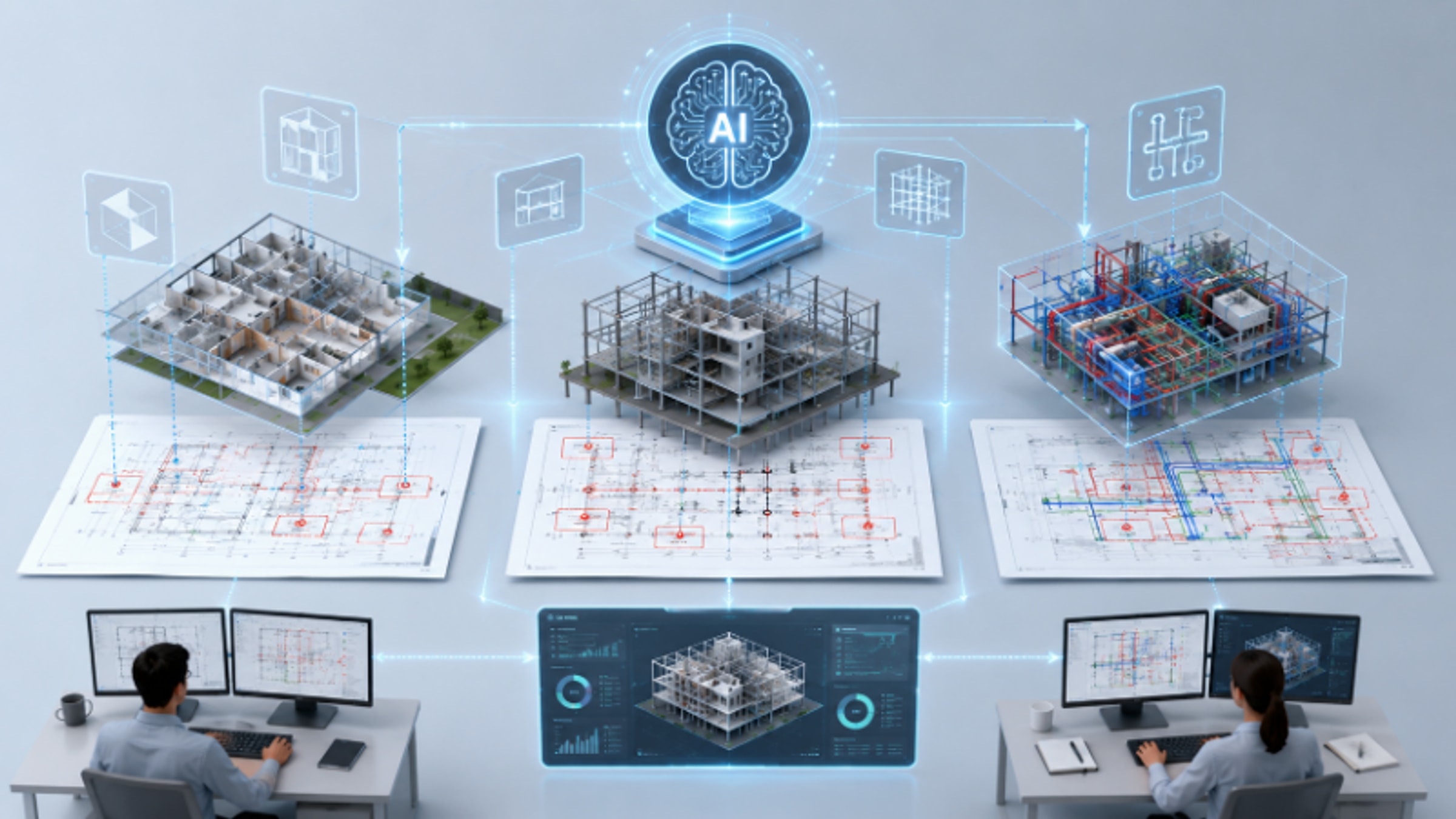
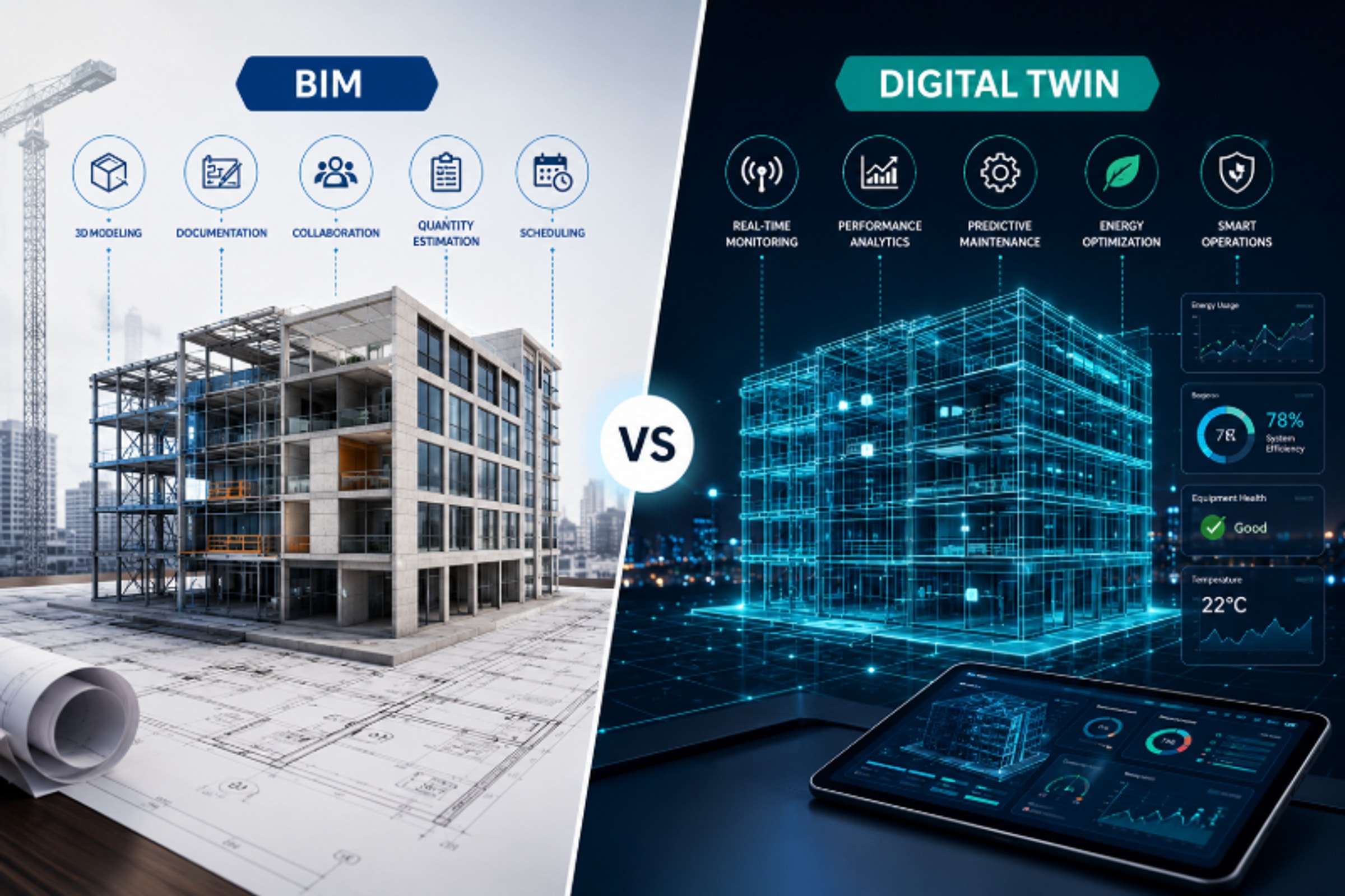
Leading architectural firms in India are integrating VR with Building Information Modeling (BIM) processes. This integration allows architects to work in BIM during design and seamlessly export models to VR for immersive reviews. This workflow improves coordination between architectural, structural, and MEP disciplines—crucial for complex projects in Indian cities where space constraints demand precise coordination.
Practical Implementation Guide for Indian Architects
Getting Started with Architectural VR
For architects new to VR technology, consider starting with:
Assessment: Evaluate your project types and client needs to determine if VR investment is justified
Training: Invest in staff training on VR software and best practices
Hardware selection: Choose VR equipment based on your budget and project requirements
Software adoption: Select tools that integrate with your existing design workflow
Pilot projects: Start with smaller projects to build expertise before scaling
Cost Considerations for Indian Practices
Implementing architectural VR in India requires understanding the cost structure:
Hardware investment: ₹1,00,000 to ₹5,00,000 per VR setup, depending on quality
Software licenses: ₹50,000 to ₹3,00,000 annually for professional tools
Training: ₹50,000 to ₹2,00,000 for staff development
Model preparation: ₹1,00,000 to ₹5,00,000 per project for VR-ready model creation
While these costs may seem significant, they're offset by reduced design iterations, faster client approvals, and enhanced marketing value—particularly for premium projects in major Indian cities.
Best Practices for VR Implementation
Successful architectural VR projects follow these principles:
Start with clear objectives: Define what you want to achieve with VR
Ensure model quality: VR experiences are only as good as the underlying 3D models
Optimize performance: High frame rates are essential for comfortable VR experiences
Create intuitive navigation: Users should easily understand how to move through the virtual environment
Include realistic materials and lighting: These significantly impact the credibility of the experience
Test extensively: Conduct user testing with actual stakeholders before final presentations
Challenges and Considerations
Technical Challenges
Indian architects implementing VR may face:
Hardware costs: Import duties and limited local availability increase VR equipment costs
Internet connectivity: Cloud-based VR solutions require reliable high-speed internet, which isn't available everywhere in India
Technical expertise: Limited local expertise in VR development may require outsourcing or extensive training
Model complexity: Large-scale projects with millions of polygons can strain VR performance
User Adoption Challenges
Some stakeholders may resist VR adoption due to:
Unfamiliarity with the technology
Motion sickness concerns (though rare with proper implementation)
Preference for traditional visualization methods
Skepticism about investment returns
Addressing these concerns through education, demonstrations, and showcasing successful case studies helps overcome resistance.
Future Trends in Architectural VR
Augmented Reality Integration
AR technology is increasingly merging with VR to create mixed reality experiences. Architects can overlay digital designs onto actual sites, allowing clients to visualize projects in their real-world context.
Multiplayer and Collaborative VR
Advanced VR platforms enable multiple users to inhabit the same virtual space simultaneously. This is particularly valuable for distributed teams—architects in Mumbai can collaborate with engineers in Delhi in real-time within a shared virtual environment.
AI-Powered Design Optimization
Artificial intelligence is beginning to assist architects in optimizing designs within VR environments, suggesting improvements for lighting, acoustics, and spatial efficiency.
Accessibility and Democratization
As VR technology becomes more affordable, smaller architectural firms and independent practitioners across India will gain access to these powerful tools, leveling the playing field in the market.
Finding VR-Capable Professionals on AECORD
If you're considering implementing architectural VR for your projects but lack in-house expertise, AECORD connects you with specialized professionals across India. Whether you need VR visualization specialists, 3D modelers, or architects experienced in immersive design, you can find vetted professionals on AECORD's platform.
AECORD's B2B2C marketplace makes it easy to compare portfolios, review past VR projects, and connect with specialists who understand both the technical and design aspects of architectural virtual reality. This is particularly valuable for firms in smaller cities or those just beginning their VR journey.
Conclusion
Architectural virtual reality is no longer a luxury—it's becoming a necessity for competitive AECO professionals in India. The technology offers tangible benefits in client communication, design validation, and project marketing, with returns that justify the initial investment.
Whether you're designing a luxury residential tower in Mumbai, planning a tech campus in Bangalore, or restoring a heritage structure in Jaipur, VR can enhance your design process and deliver superior outcomes. The key is understanding your project needs, investing in the right tools and training, and committing to continuous learning as the technology evolves.
Ready to explore architectural VR for your next project? Visit AECORD today to connect with VR specialists, 3D visualization experts, and innovative architects who are already leveraging this transformative technology. Find the right professional to bring your architectural vision to immersive life.
Frequently Asked Questions
What is architectural virtual reality and how does it work?
Architectural virtual reality is an immersive digital environment that lets users experience 3D building designs interactively using VR headsets. Unlike traditional 2D drawings, it allows architects and clients to walk through spaces, experience actual dimensions, and interact with design elements in real-time through 3D modeling software and rendering engines.
How does VR improve client communication in architecture projects?
VR bridges the gap between architects' vision and client understanding by allowing clients to virtually walk through spaces before construction begins. This immersive experience builds confidence in designs, reduces misunderstandings, and decreases change requests during construction, particularly valuable in India's diverse market.
Can architectural VR help detect design errors early?
Yes, VR enables architects to identify design flaws, spatial relationship issues, and compliance problems before construction begins. This early detection is crucial in India where catching errors can save substantial costs, with construction ranging from ₹1,500-₹3,500 per square foot for residential and ₹2,000-₹5,000 for commercial projects.
What VR headsets are used for architectural visualization?
Common VR headsets used in architectural visualization include Meta Quest, HTC Vive, and Valve Index. These devices provide immersive experiences that allow users to experience 3D building designs with high-quality real-time rendering and interactive tools for exploring different design scenarios.
Why is architectural VR becoming essential for AECO professionals in India?
Architectural VR is becoming essential in India's AECO sector because it helps professionals navigate complex regulatory requirements, diverse client expectations, and challenging site conditions. It improves design validation, reduces construction errors and costs, and enhances client satisfaction—making it critical for staying competitive.