

Understanding Digital Twins in Construction
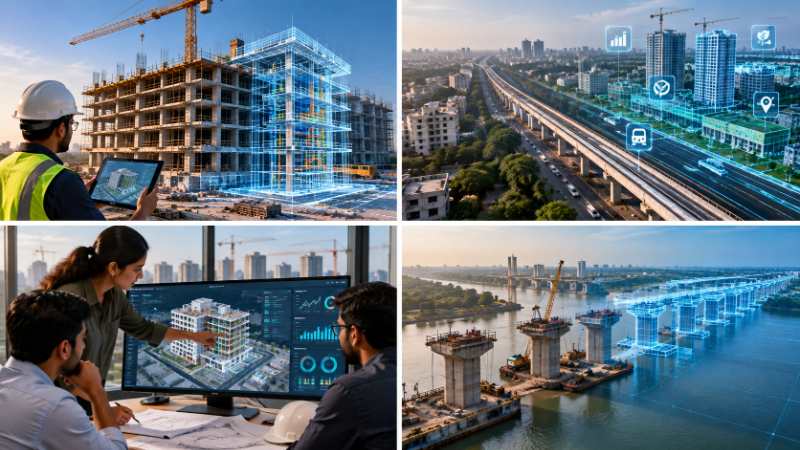
Digital twins represent one of the most transformative technologies in the construction and real estate sectors today. A digital twin is essentially a virtual replica of a physical building or infrastructure project that mirrors its real-world counterpart in real-time. By integrating Building Information Modeling (BIM), Internet of Things (IoT) sensors, and advanced data analytics, digital twins create a dynamic digital ecosystem where construction professionals can monitor, analyze, and optimize every aspect of their projects.
In India's rapidly growing construction sector, where projects range from residential complexes in Bangalore to commercial developments in Mumbai and infrastructure projects across the country, digital twins are proving invaluable. The technology allows project managers, architects, and engineers to make data-driven decisions that reduce costs, improve timelines, and enhance building performance—all critical factors in a competitive market.
Build cost · Bengaluru, May 2026
How Digital Twins Work: The Technology Behind the Innovation
The Integration of BIM and IoT Sensors
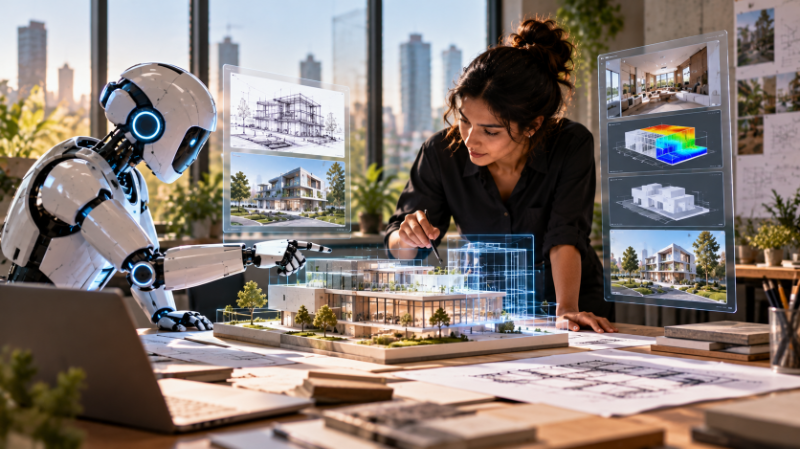
Digital twins operate by combining three essential components: Building Information Models, real-time sensor data, and cloud-based analytics platforms. The BIM serves as the foundational digital blueprint, containing detailed information about every element of the building—from structural components to MEP (mechanical, electrical, plumbing) systems.
IoT sensors deployed throughout the construction site and building continuously collect data on temperature, humidity, structural stress, equipment performance, and worker movements. This data flows into the cloud where it's processed and visualized within the digital twin environment. Construction professionals can then access this information through dashboards and applications, allowing them to see what's happening on-site in real-time, regardless of their physical location.
Real-Time Data Synchronization
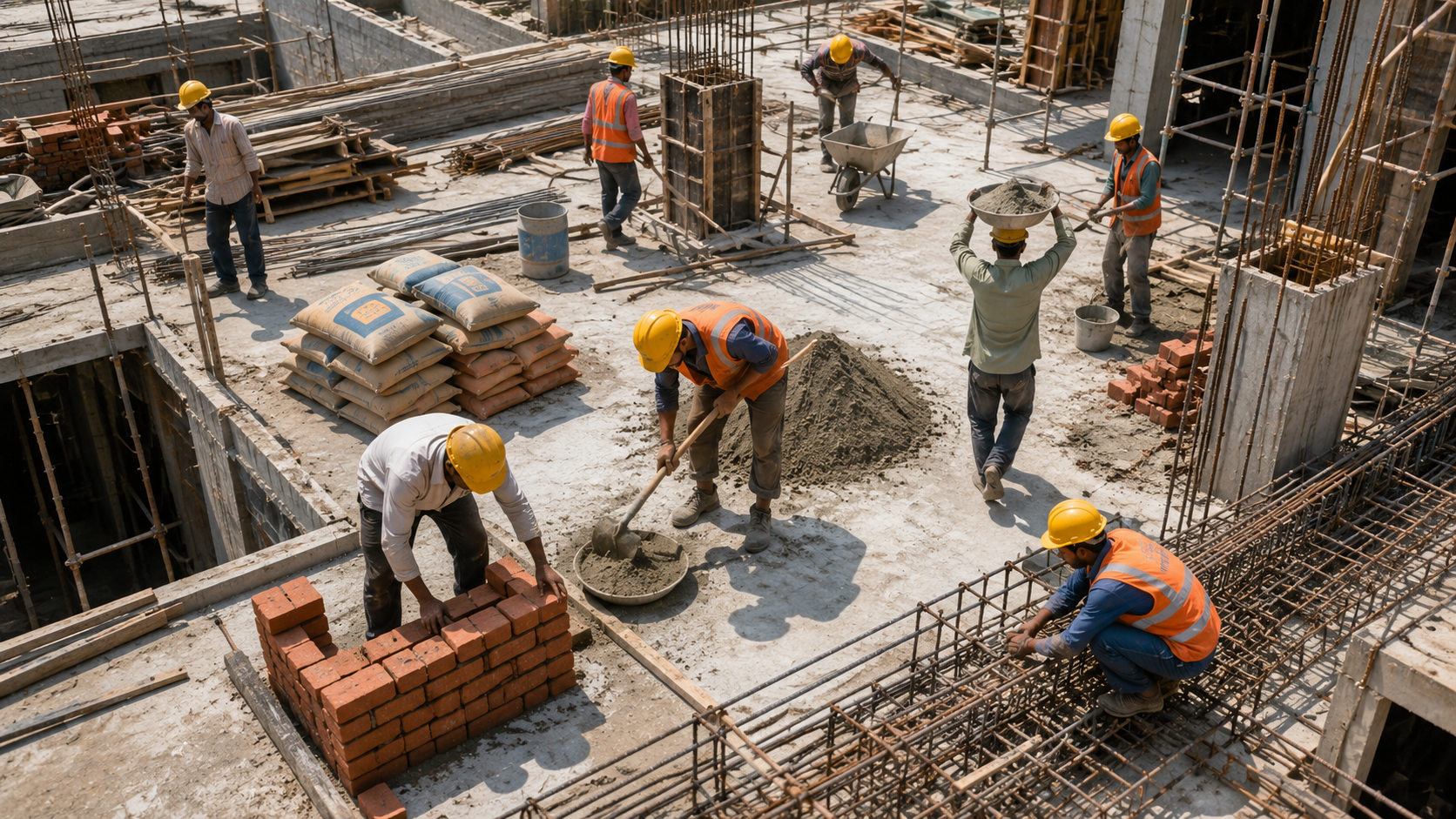
The power of digital twins lies in their ability to maintain real-time synchronization between the physical and digital worlds. As workers pour concrete, install electrical conduits, or complete finishing work, sensors capture this progress. The digital twin updates automatically, providing an accurate representation of the current project status. This eliminates the traditional delays associated with manual progress reporting and site inspections.
For large-scale projects in Indian cities like Delhi, Pune, or Hyderabad—where coordinating multiple contractors and subcontractors is complex—this real-time visibility significantly reduces miscommunication and delays.
Frequently asked
Key Benefits of Digital Twins for Construction Project Management
Enhanced Project Coordination and Collaboration
Construction projects involve numerous stakeholders: architects, structural engineers, MEP contractors, safety officers, and project managers. Digital twins create a centralized information hub where all parties can access the same data simultaneously. When an MEP contractor needs to know the exact location of structural columns before installing HVAC ducts, they can view this information in the digital twin without waiting for manual coordination.
This level of coordination is particularly valuable in India's construction industry, where time is money and delays can cascade across multiple phases. By reducing coordination overhead, projects can maintain schedules more effectively and avoid costly rework.
Improved Safety and Risk Management
Safety is paramount in construction, and digital twins provide unprecedented insights into site conditions and worker activities. Sensors can detect when safety protocols are being violated, alert managers to hazardous conditions, and identify high-risk areas before accidents occur.
For instance, in a construction project in Mumbai with multiple floors under simultaneous development, digital twins can monitor:
Structural integrity during construction phases
Equipment operation and maintenance status
Environmental conditions that might affect worker safety
Compliance with safety regulations and standards
This proactive approach to safety reduces accident rates, insurance costs, and project delays caused by safety incidents.
Cost Control and Budget Management
Digital twins provide detailed insights into resource utilization, material consumption, and labor efficiency. Project managers can track whether materials are being used as planned, if equipment is operating within expected parameters, and if labor productivity meets projections.
In a typical construction project in Bangalore with a budget of ₹50 crores, unexpected cost overruns can quickly accumulate. Digital twins help prevent this by:
Identifying inefficiencies in real-time
Predicting cost implications of design changes before implementation
Optimizing equipment and labor allocation
Reducing waste through better material management
Accelerated Project Timelines
By providing complete visibility into project progress and identifying bottlenecks immediately, digital twins help teams work more efficiently. When a delay is detected in one area, project managers can quickly reallocate resources to keep the overall schedule on track.
Real-time progress tracking also eliminates the need for lengthy site inspections and manual documentation, freeing up management time for strategic decision-making.
Digital Twins for Building Performance Monitoring
Continuous Performance Analytics
Once a building is operational, the digital twin doesn't become obsolete—it becomes even more valuable. The same sensors and systems that tracked construction progress now monitor building performance across all systems.
In a commercial building in Delhi, digital twins can continuously analyze:
Energy consumption patterns: Identifying opportunities to reduce electricity usage and lower operating costs
Thermal performance: Ensuring HVAC systems operate efficiently and occupant comfort is maintained
Air quality: Monitoring CO2 levels, humidity, and pollutants to maintain healthy indoor environments
Structural health: Detecting minute movements or stress that might indicate maintenance needs
Predictive Maintenance and Asset Management
One of the most significant advantages of digital twins is predictive maintenance. Rather than waiting for equipment to fail or following rigid maintenance schedules, building managers can predict when maintenance is needed based on actual equipment performance data.
For example, an HVAC compressor in a Mumbai office building might show subtle changes in vibration and temperature patterns weeks before failure. The digital twin can alert maintenance teams to this degradation, allowing them to schedule repairs during planned downtime rather than dealing with emergency breakdowns that disrupt operations.
This approach reduces maintenance costs by 20-25% compared to reactive maintenance strategies, and extends equipment lifespan significantly.
Practical Applications of Digital Twins in Indian Construction
Multi-Story Residential Projects
Large residential developments in cities like Pune, Bangalore, and Hyderabad involve coordinating construction across multiple towers simultaneously. Digital twins allow project managers to:
Monitor progress on each tower independently while maintaining overall project coordination
Ensure quality standards are consistent across all units
Manage material delivery schedules to prevent storage bottlenecks
Track defects and remediation work before handover
Infrastructure and Metro Projects
Large-scale infrastructure projects, such as metro extensions or highway construction, span vast geographic areas and involve complex underground and above-ground work. Digital twins help:
Monitor structural stability of tunnels and underground sections
Coordinate work across multiple sites simultaneously
Ensure compliance with environmental and regulatory standards
Optimize traffic management during construction
Commercial and Industrial Facilities
Data centers, manufacturing facilities, and commercial complexes in Bangalore, Pune, and the NCR region benefit from digital twins by maintaining optimal operating conditions from day one. These facilities often have complex MEP systems, and digital twins ensure they're perfectly calibrated and coordinated.
Overcoming Implementation Challenges
Initial Investment and ROI Considerations
Implementing digital twin technology requires upfront investment in sensors, software platforms, and expertise. A comprehensive digital twin system for a ₹100 crore construction project might cost ₹50-75 lakhs initially. However, the ROI typically manifests through:
Schedule acceleration (5-15% faster completion)
Cost savings (3-8% reduction in overall project costs)
Reduced rework and defects
Extended building lifespan through better maintenance
Improved operational efficiency post-completion
Data Security and Privacy
With vast amounts of construction and building data being collected and transmitted, cybersecurity is critical. Organizations implementing digital twins must ensure:
Encrypted data transmission and storage
Compliance with Indian data protection regulations
Regular security audits and updates
Controlled access to sensitive project information
Skill Development and Training
Digital twins require professionals who understand both construction and technology. India's construction sector needs more specialists trained in BIM, IoT systems, and data analytics. Many organizations are partnering with educational institutions and technology providers to develop this expertise.
Regulatory Compliance and Standards in India
India's construction sector operates under various regulatory frameworks, including building codes, environmental standards, and labor regulations. Digital twins assist in compliance by:
Automatically tracking adherence to National Building Code (NBC) requirements
Monitoring environmental impact parameters
Documenting safety compliance with OSHA-equivalent Indian standards
Maintaining audit trails for regulatory inspections
This is particularly important for projects in metropolitan areas like Mumbai and Delhi, where regulatory oversight is stringent.
The Future of Digital Twins in Indian Construction
Artificial Intelligence and Machine Learning Integration
Future digital twins will incorporate AI and machine learning algorithms that can predict project outcomes, optimize resource allocation automatically, and identify patterns humans might miss. This will enable even greater efficiency and cost savings.
Standardization and Industry Adoption
As digital twin technology matures, industry standards will emerge, making implementation easier and more cost-effective. Organizations like AECORD are playing a crucial role in connecting construction professionals and promoting adoption of innovative technologies across India's AECO sector.
Integration with Emerging Technologies
Digital twins will increasingly integrate with augmented reality (AR), virtual reality (VR), and drone technology, providing even richer data and more intuitive interfaces for professionals to interact with project information.
Finding Digital Twin Expertise on AECORD
If your organization is considering implementing digital twin technology for your construction projects, finding the right expertise is essential. AECORD, India's B2B2C marketplace for architecture, engineering, construction, and operations professionals, connects you with specialists who have hands-on experience implementing digital twins across various project types.
Whether you need BIM coordinators, IoT specialists, or project managers experienced with digital twin implementation, AECORD's network includes vetted professionals who understand the Indian construction landscape and can guide your organization through this transformation.
Conclusion
Digital twins represent a fundamental shift in how construction projects are managed and how buildings operate. By providing real-time visibility, enabling predictive maintenance, improving coordination, and enhancing safety, digital twins deliver tangible value that justifies their implementation cost.
For Indian construction professionals managing projects in Bangalore, Mumbai, Delhi, Pune, and other rapidly developing cities, adopting digital twin technology is no longer a luxury—it's becoming a competitive necessity. Organizations that embrace this technology early will gain significant advantages in project delivery, cost control, and building performance.
Start exploring how digital twins can transform your projects. Connect with experienced AECORD professionals who can assess your specific needs and guide your implementation journey. Visit AECORD today to find the right experts for your construction technology initiatives.
Frequently Asked Questions
What is a digital twin in construction?
A digital twin is a virtual replica of a physical building or infrastructure project that mirrors its real-world counterpart in real-time by integrating Building Information Modeling (BIM), IoT sensors, and advanced data analytics. This dynamic digital ecosystem allows construction professionals to monitor, analyze, and optimize every aspect of their projects from anywhere.
How do digital twins improve project coordination in construction?
Digital twins create a centralized information hub where all stakeholders—architects, engineers, contractors, and safety officers—can access the same real-time data simultaneously. This eliminates manual coordination delays and miscommunication, allowing teams to make faster decisions and avoid costly rework.
What data do IoT sensors collect in a digital twin?
IoT sensors deployed throughout construction sites continuously collect data on temperature, humidity, structural stress, equipment performance, and worker movements. This real-time data flows into the cloud, where it's processed and visualized within the digital twin environment for immediate access by construction professionals.
How do digital twins enhance safety on construction sites?
Digital twins provide unprecedented visibility into site conditions and worker activities through sensors that can detect safety protocol violations, alert managers to hazardous conditions, and identify high-risk areas before accidents occur. This proactive approach significantly improves workplace safety management.
Can digital twins reduce construction project costs and timelines?
Yes, digital twins enable data-driven decision-making that reduces costs and improves timelines by eliminating coordination delays, minimizing rework, and providing real-time project status visibility. This allows project managers to identify and address issues immediately rather than discovering them during manual inspections.