

When embarking on a construction project in India, whether it's a residential apartment, commercial building, or infrastructure development, one of the first decisions you'll face is choosing between an architect and a civil engineer. While both professionals are essential to the built environment, they bring distinct expertise, perspectives, and responsibilities to your project. Understanding these differences is crucial for project success, budget management, and achieving your vision.
This comprehensive guide will help you navigate the distinctions between architects and civil engineers, their roles in Indian construction projects, and how to determine which professional—or combination of both—you need for your specific requirements./blog/difference-between-architect-and-civil-engineer
Understanding the Core Differences
Build cost · Bengaluru, May 2026
What is an Architect?
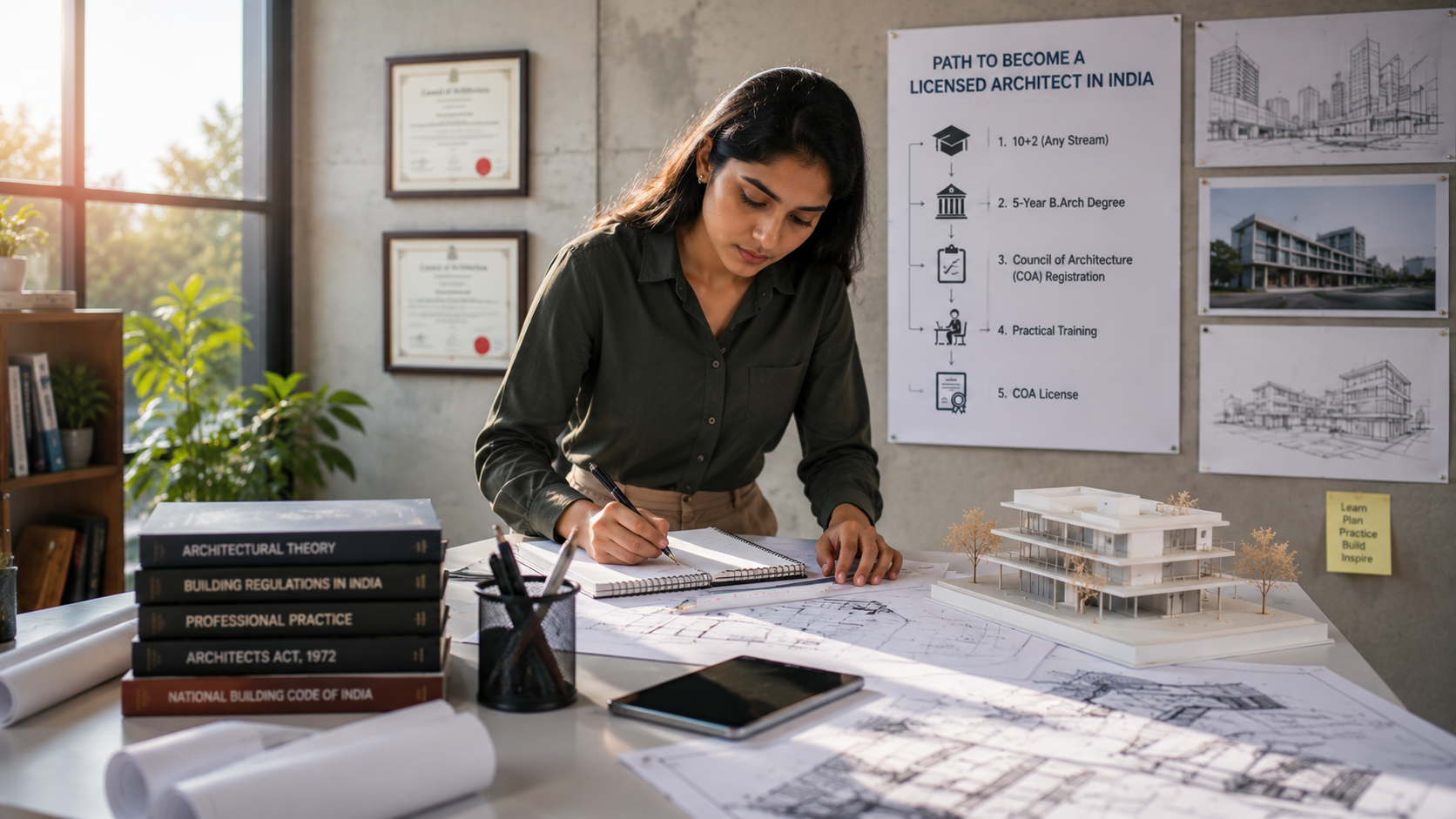
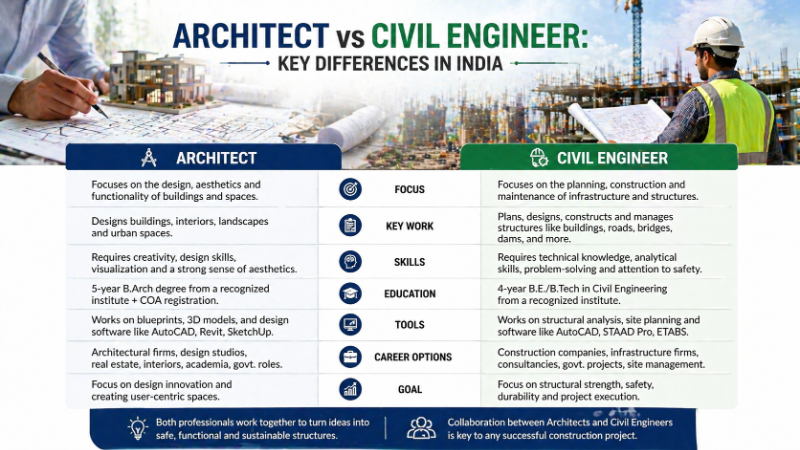
An architect is a licensed professional who designs buildings and spaces with a focus on aesthetics, functionality, and user experience. In India, architects are regulated by the Council of Architecture (CoA) and must complete a 5-year Bachelor of Architecture (B.Arch) degree followed by registration with the CoA.
Architects are primarily concerned with:
Design and aesthetics: Creating visually appealing spaces that reflect the client's vision and cultural context
Space planning: Optimizing layouts for functionality and user flow
User experience: Ensuring buildings are comfortable, accessible, and enjoyable to inhabit
Regulatory compliance: Ensuring designs meet building codes and zoning regulations specific to cities like Mumbai, Delhi, Bangalore, and Hyderabad
Project visualization: Creating detailed drawings, 3D renderings, and specifications
What is a Civil Engineer?
A civil engineer is a licensed professional who focuses on the structural design, construction, and maintenance of infrastructure. In India, civil engineers are regulated by institutions like the Institution of Engineers (India) and must complete a 4-year Bachelor of Technology (B.Tech) or Bachelor of Engineering (B.E) degree in Civil Engineering.
Civil engineers concentrate on:
Structural design: Calculating load-bearing capacities and ensuring buildings can withstand environmental stresses
Material selection: Choosing appropriate concrete grades, steel specifications, and construction materials
Construction methodology: Planning how structures will be built, including sequencing and logistics
Safety and durability: Ensuring structures are safe, stable, and built to last
Cost efficiency: Optimizing construction methods to manage budgets effectively
Key Professional Responsibilities
Frequently asked
Architect's Role in a Project
In a typical Indian construction project, an architect's responsibilities begin from the earliest stages:
Pre-Design Phase: Architects conduct site surveys, understand client requirements, analyze local regulations (such as Floor Space Index or FSI regulations in Delhi or Mumbai), and study environmental factors. They prepare conceptual sketches and preliminary designs.
Design Development: Architects create detailed architectural drawings showing floor plans, elevations, sections, and material specifications. They also prepare 3D renderings to help clients visualize the final product. For a typical residential project in Pune or Chennai, this phase typically costs between ₹50,000 to ₹2,00,000 depending on project complexity.
Construction Documentation: Architects prepare comprehensive drawing sets that contractors use for construction. These include architectural plans, door and window schedules, finishing details, and interior design specifications.
Site Supervision: During construction, architects conduct regular site visits to ensure the project is built according to design specifications and quality standards. They review contractor submissions and approve material selections.
To become an architect in India:
Civil Engineer's Role in a Project
Civil engineers take over where structural considerations become paramount:
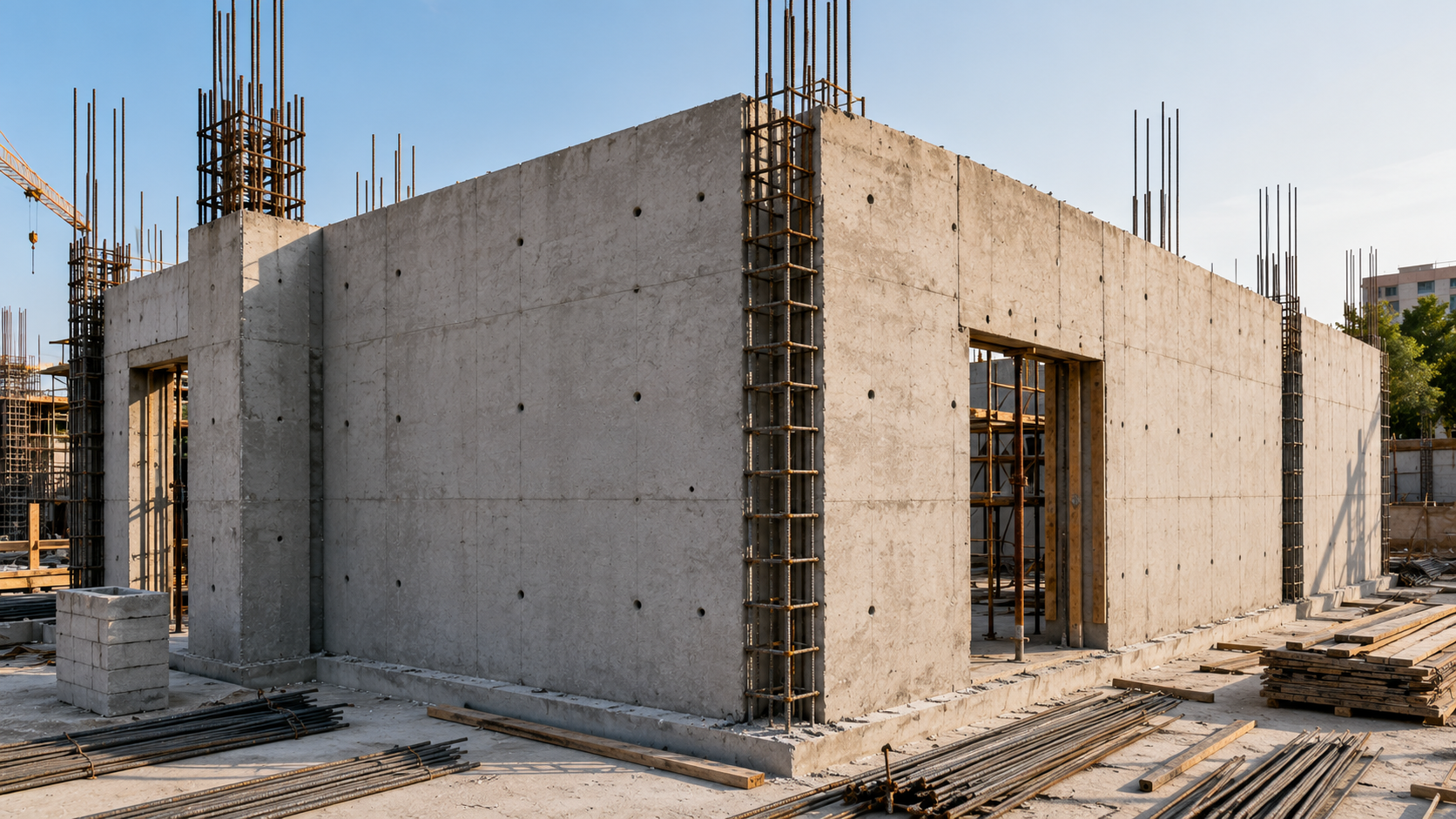
Structural Design: Civil engineers calculate structural requirements based on the architect's design. They determine foundation depth, column sizes, beam specifications, and reinforcement details. For a 5-story residential building in Mumbai, structural design might cost ₹1,50,000 to ₹3,50,000.
Geotechnical Investigation: Civil engineers conduct soil testing and analysis to determine bearing capacity and recommend appropriate foundation types. This is crucial in cities like Bangalore where soil conditions vary significantly.
Building Permit Coordination: Civil engineers work with architects to prepare structural drawings required for building permissions from municipal corporations.
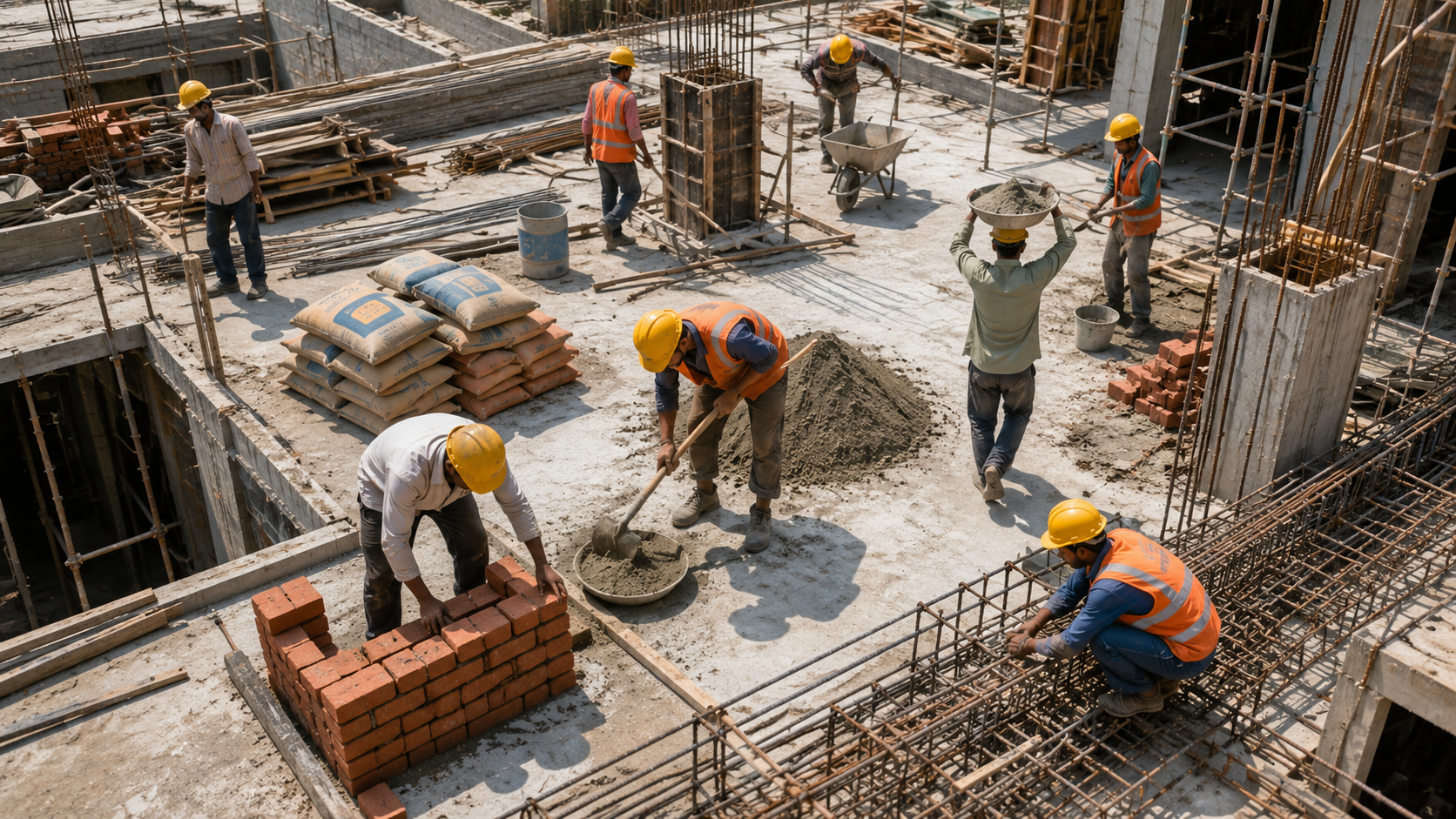
Construction Execution: Civil engineers oversee the actual construction process, ensuring structural integrity, quality of materials, and adherence to safety standards. They conduct tests on concrete, steel, and other materials.
Educational Background and Qualifications
Architect Education in India
Complete a 5-year Bachelor of Architecture (B.Arch) degree from a CoA-recognized institution
Undertake a 1-year internship program
Pass the Architect Registration Examination (ARE)
Register with the Council of Architecture
Top architecture schools in India include CEPT University (Ahmedabad), School of Planning and Architecture (Delhi), and Rachana Sansad (Mumbai). The curriculum emphasizes design thinking, history, theory, and practical design skills.
Civil Engineer Education in India
To become a civil engineer in India:
Complete a 4-year Bachelor of Technology (B.Tech) or Bachelor of Engineering (B.E) in Civil Engineering
Register with the Institution of Engineers (India) or similar professional bodies
Gain practical experience through internships and site work
Reputable civil engineering programs are offered at IITs, NIT institutions, and various private engineering colleges across India. The curriculum focuses on structural analysis, mechanics, materials science, and construction management.

When to Hire an Architect
You should prioritize hiring an architect when:
Aesthetic design is important: If you want a uniquely designed home or commercial space that reflects your personality or brand, an architect's creative expertise is invaluable
Complex space planning: For projects requiring sophisticated layouts, like multi-story residential complexes or corporate offices, architects optimize space utilization
Regulatory compliance: Architects understand local building bylaws in Indian cities. For example, they know Mumbai's FSI regulations, Bangalore's setback requirements, or Delhi's building height restrictions
Interior design coordination: Architects can seamlessly integrate interior design with structural elements
Heritage or specialized projects: For heritage restoration or specialized building types, architectural expertise is essential
When to Hire a Civil Engineer
You should prioritize hiring a civil engineer when:
Structural integrity is critical: For any building, the structural design is non-negotiable. A civil engineer ensures your structure is safe and durable
Complex foundations: In areas with challenging soil conditions (like Kolkata or coastal cities), civil engineers conduct necessary investigations and design appropriate foundations
High-rise construction: Buildings above 5-6 stories require sophisticated structural systems that only civil engineers can design
Infrastructure projects: Roads, bridges, dams, and water systems require civil engineering expertise
Cost optimization: Civil engineers can suggest structural solutions that reduce material costs without compromising safety
The Ideal Approach: Collaboration
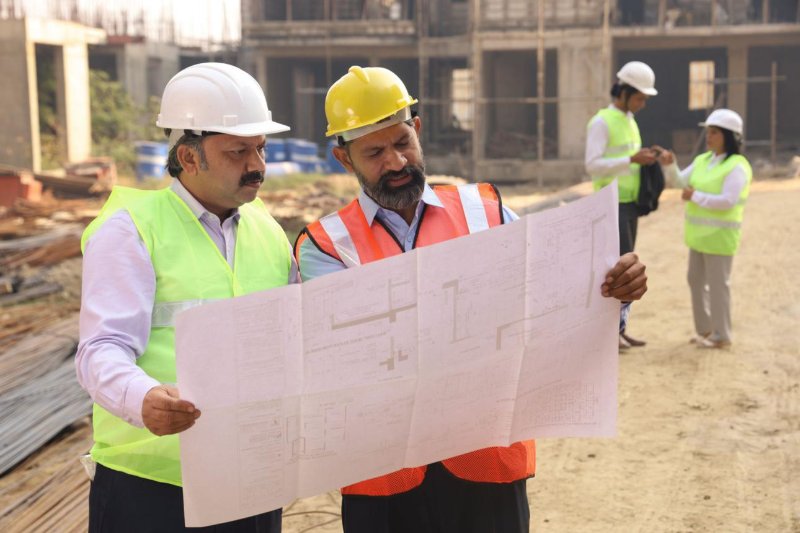
In reality, most successful construction projects in India involve both architects and civil engineers working collaboratively. Here's how this partnership typically works:
Project Phases and Collaboration Points
Phase 1 - Conceptualization: The architect leads, creating the initial design concept. The civil engineer reviews feasibility from a structural perspective.
Phase 2 - Design Development: Architects and civil engineers work together. The architect refines the design while the civil engineer develops structural systems that support the architectural vision. This iterative process ensures both aesthetic and structural excellence.
Phase 3 - Documentation: Architects prepare architectural drawings while civil engineers create structural and MEP (mechanical, electrical, plumbing) coordination drawings. Both sets are essential for construction permits and contractor guidance.
Phase 4 - Construction: Both professionals oversee their respective domains. The architect ensures design intent is maintained while the civil engineer verifies structural quality and safety compliance.
Finding the Right Professionals on AECORD
AECORD, India's premier B2B2C marketplace for AECO professionals, connects you with vetted architects and civil engineers across major Indian cities. Whether you're in Bangalore, Mumbai, Delhi, or smaller metros like Pune or Hyderabad, AECORD helps you find professionals who understand local regulations and market conditions. You can browse portfolios, compare expertise, and connect with professionals who have successfully completed similar projects in your city.
Cost Considerations in India
Architect Fees
Architect fees in India typically range from:
Residential projects: 3-6% of construction cost (or ₹500-1,500 per square meter)
Commercial projects: 5-8% of construction cost
Specialized projects: 8-12% of construction cost
For a 2,000 sq ft residential apartment in Mumbai with estimated construction cost of ₹40 lakhs, architect fees would typically range from ₹1.2 to ₹2.4 lakhs.
Civil Engineer Fees
Civil engineer fees generally range from:
Structural design: 1.5-3% of construction cost
Site supervision: ₹500-1,500 per day or monthly retainers of ₹30,000-75,000
Testing and quality assurance: Additional charges based on scope
Regulatory Framework in India
Both architects and civil engineers must adhere to Indian regulations:
National Building Code (NBC): Sets standards for design and construction across India
Local Building Bylaws: Each city has specific regulations. Mumbai has different FSI norms than Bangalore; Delhi has different height restrictions than Hyderabad
Earthquake Codes: IS 1893 specifies seismic design standards, crucial in earthquake-prone zones
Energy Conservation Code: ECBC guidelines for energy-efficient buildings
Accessibility Standards: IS 4218 ensures buildings are accessible to persons with disabilities
Specializations and Expertise
Architectural Specializations
Architects may specialize in:
Residential design
Commercial and corporate architecture
Heritage conservation
Sustainable and green building design
Interior architecture
Urban planning and design
Civil Engineering Specializations
Civil engineers may specialize in:
Structural engineering
Geotechnical engineering
Infrastructure and transportation
Water resources engineering
Construction management
Earthquake engineering
Making Your Decision
When planning your construction project, ask yourself:
Is design aesthetics a priority for my project?
Does my project involve complex structural requirements?
What are the local regulatory requirements in my city?
What is my total project budget?
Do I need both professionals, or can I work with one initially?
For most substantial construction projects in India, the answer is clear: you need both. The architect brings creative vision and regulatory knowledge, while the civil engineer ensures structural safety and constructability. This partnership, when executed well, results in buildings that are beautiful, functional, safe, and built to last.
Conclusion
Architects and civil engineers serve different but complementary roles in construction. Architects design spaces that inspire and function beautifully, while civil engineers ensure those spaces are structurally sound and safe. Rather than viewing them as competitors, the most successful projects treat them as collaborative partners.
Whether you're planning a residential renovation in Bangalore, a commercial office in Delhi, or an industrial facility in Pune, understanding these distinctions will help you make informed decisions about your project team. Start your search for qualified professionals on AECORD, where you'll find experienced architects and civil engineers who understand the Indian market, local regulations, and your specific project needs. Connect with the right professionals today and turn your construction vision into reality.
Frequently Asked Questions
What is the main difference between an architect and a civil engineer in India?
Architects focus on design, aesthetics, space planning, and user experience, while civil engineers concentrate on structural design, material selection, construction methodology, and safety. Architects are regulated by the Council of Architecture (CoA) with a 5-year B.Arch degree, while civil engineers are regulated by institutions like the Institution of Engineers (India) with a 4-year B.Tech/B.E degree.
Do I need both an architect and a civil engineer for my construction project in India?
Yes, most Indian construction projects benefit from both professionals working together. Architects handle the design vision and regulatory compliance, while civil engineers ensure structural integrity and safe construction. Their collaboration ensures your project is both aesthetically pleasing and structurally sound.
What qualifications should an architect have in India?
In India, architects must complete a 5-year Bachelor of Architecture (B.Arch) degree and be registered with the Council of Architecture (CoA). This ensures they meet professional standards and are qualified to design buildings that comply with Indian building codes and local regulations.
What does a civil engineer do in a construction project?
Civil engineers handle structural design, calculate load-bearing capacities, select appropriate materials, plan construction methodology, and ensure safety and durability. They optimize construction methods to manage budgets while guaranteeing the structure can withstand environmental stresses and last long-term.
How do architects and civil engineers work together on Indian construction projects?
Architects create the design vision and spatial layouts while civil engineers translate those designs into structurally sound, buildable solutions. They collaborate throughout the project—from design development through construction—to ensure the final building meets both aesthetic goals and safety standards.