Understanding Tile Costs Per Square Foot in India 2026
Tiles remain one of the most essential building materials in India, used extensively in residential, commercial, and industrial construction projects. Whether you're renovating your home in Mumbai, constructing a shopping mall in Bangalore, or designing a corporate office in Delhi, understanding tile pricing is crucial for budget planning. In 2026, tile costs in India have evolved significantly due to raw material availability, manufacturing innovations, and market dynamics.
For a deeper look, see our guide to Best Exterior Paint Brands India 2026.
This comprehensive guide breaks down tile pricing across different categories, regions, and quality grades, helping you make informed decisions for your construction project. Whether you're a homeowner, architect, or contractor, the insights here will help you navigate the current market landscape and find quality tiles within your budget.
Build cost · Bengaluru, May 2026
Current Tile Pricing Landscape in India (2026)
Average Cost Range by Tile Type
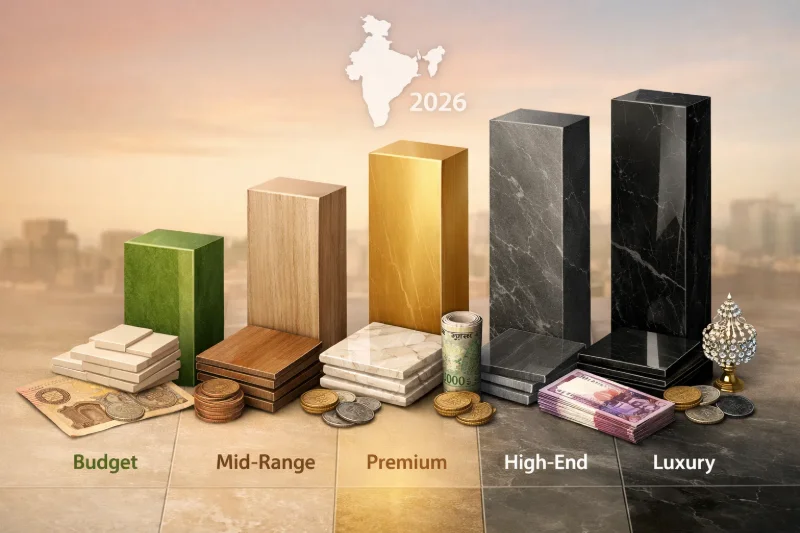
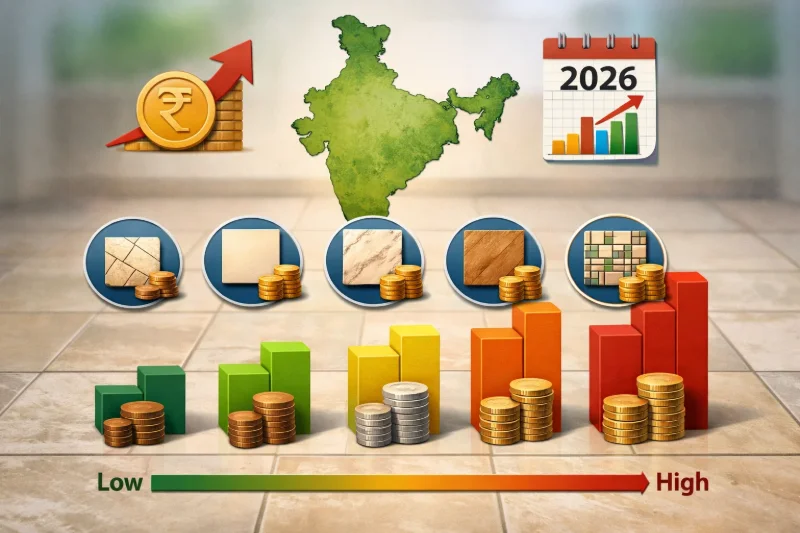
Tile prices in India vary dramatically based on material, size, finish, and origin. Here's the breakdown of typical costs per square foot as of 2026:
For more detail, see our guide to How to Get NOC for Construction.
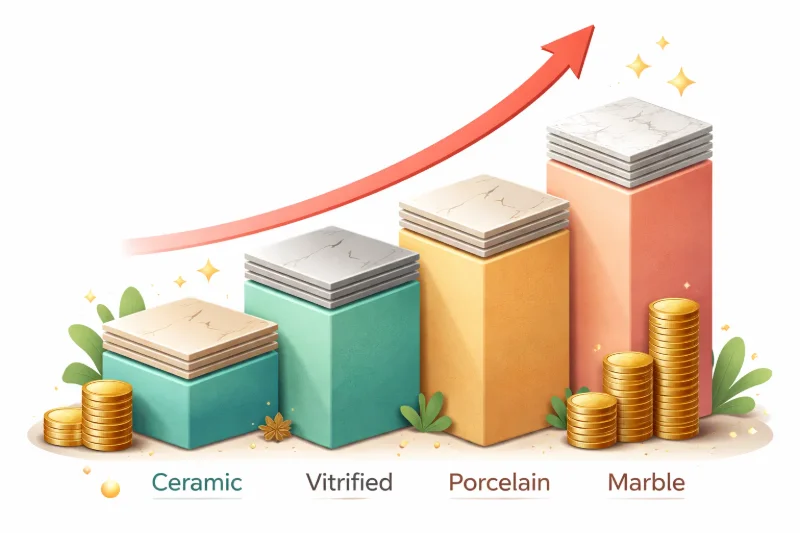
Ceramic Tiles: ₹30–₹80 per sq ft
Vitrified Tiles: ₹50–₹150 per sq ft
Porcelain Tiles: ₹80–₹250 per sq ft
Natural Stone Tiles (Granite/Marble): ₹150–₹500+ per sq ft
Mosaic and Decorative Tiles: ₹100–₹400 per sq ft
Digital Print Tiles: ₹60–₹180 per sq ft
These prices are for material only and don't include labor, adhesives, grout, or installation costs, which can add another 30–50% to your total expense depending on your location and the complexity of installation.
Regional Price Variations
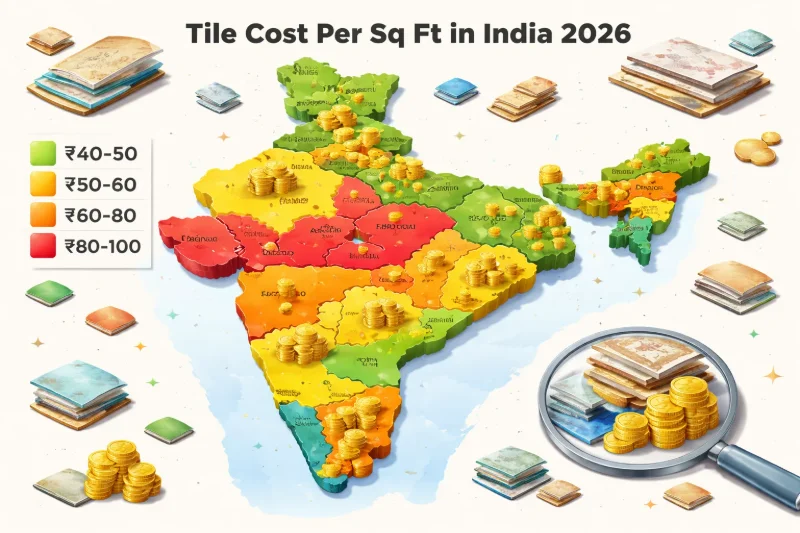
Tile costs differ significantly across Indian metros and tier-2 cities. Here's what you can expect in major markets:
Delhi/NCR: Prices range from ₹40–₹200 per sq ft. The region has strong competition among suppliers, making it relatively competitive. Imported tiles are more readily available here.
Mumbai: Expect ₹45–₹220 per sq ft. Premium tiles and imported varieties command higher prices due to logistics and demand from high-end residential projects.
Bangalore: Prices typically fall between ₹35–₹180 per sq ft. The city has a robust tile industry presence with manufacturing units nearby, keeping costs moderate.
Hyderabad: ₹30–₹160 per sq ft. Being a major tile manufacturing hub, Hyderabad offers competitive pricing, especially for locally produced tiles.
Kolkata: ₹35–₹170 per sq ft. The market is relatively price-sensitive with good availability of mid-range options.
Chennai: ₹40–₹190 per sq ft. Southern India has strong tile manufacturing, contributing to stable pricing.
Frequently asked
Detailed Breakdown by Tile Category
Ceramic Tiles
Ceramic tiles remain the most affordable and popular choice for Indian households. They're manufactured by firing clay at high temperatures, making them durable and water-resistant.
Price Range: ₹30–₹80 per sq ft
Key Characteristics:
Suitable for kitchens, bathrooms, and living areas
Available in numerous colors, patterns, and finishes
Easier to cut and install compared to natural stone
Less expensive than vitrified or porcelain alternatives
Moderate water absorption (around 10%)
Ceramic tiles are ideal for budget-conscious projects. Popular Indian manufacturers like Kajaria, Asian Paints (Apcolite), and Somany offer reliable ceramic options in this price range. For a 500 sq ft kitchen or bathroom renovation, you'd spend approximately ₹15,000–₹40,000 on ceramic tiles alone.
Vitrified Tiles
Vitrified tiles are ceramic tiles treated with glass or silica compounds, making them harder and more water-resistant. They're a sweet spot between affordability and durability.
Price Range: ₹50–₹150 per sq ft
Advantages:
Higher water absorption resistance (less than 1%)
Better durability for high-traffic areas
Suitable for both indoor and outdoor spaces
Excellent for commercial applications
Stain-resistant and easy to maintain
Vitrified tiles are particularly popular in Indian homes for flooring in living rooms, bedrooms, and kitchens. Brands like Nitco, Orientbell, and Simpolo offer excellent vitrified tile options. For a 1000 sq ft apartment flooring project, expect to spend ₹50,000–₹1,50,000 on vitrified tiles.
Porcelain Tiles
Porcelain tiles are the premium choice, made from refined clay and fired at extremely high temperatures. They're harder, denser, and more durable than ceramic or vitrified tiles.
Price Range: ₹80–₹250 per sq ft
Why Choose Porcelain:
Virtually non-porous (near-zero water absorption)
Extremely durable and scratch-resistant
Available in large format sizes (60x60 cm, 80x80 cm)
Superior for outdoor and wet areas
Can mimic natural stone appearance
Better for high-traffic commercial spaces
Porcelain tiles are increasingly popular in premium residential projects across Mumbai, Delhi, and Bangalore. Brands like Daltile, Somany Ceramics, and Hindware offer premium porcelain options. A 2000 sq ft villa flooring in porcelain tiles could cost ₹1,60,000–₹5,00,000.
Natural Stone Tiles (Granite and Marble)
Natural stone remains a luxury choice for high-end residential and commercial projects in India. Granite and marble tiles offer unparalleled aesthetics and prestige.
Price Range: ₹150–₹500+ per sq ft
Cost Factors:
Granite: ₹150–₹300 per sq ft (locally quarried is cheaper)
Marble: ₹200–₹500+ per sq ft (imported marble is significantly more expensive)
Imported Stones: Can exceed ₹600 per sq ft
India has significant granite quarries in Karnataka, Tamil Nadu, and Andhra Pradesh, making locally sourced granite more affordable. However, marble is primarily imported, increasing costs. For a 500 sq ft luxury kitchen counter in marble, expect to spend ₹1,00,000–₹2,50,000.
Digital Print and Designer Tiles
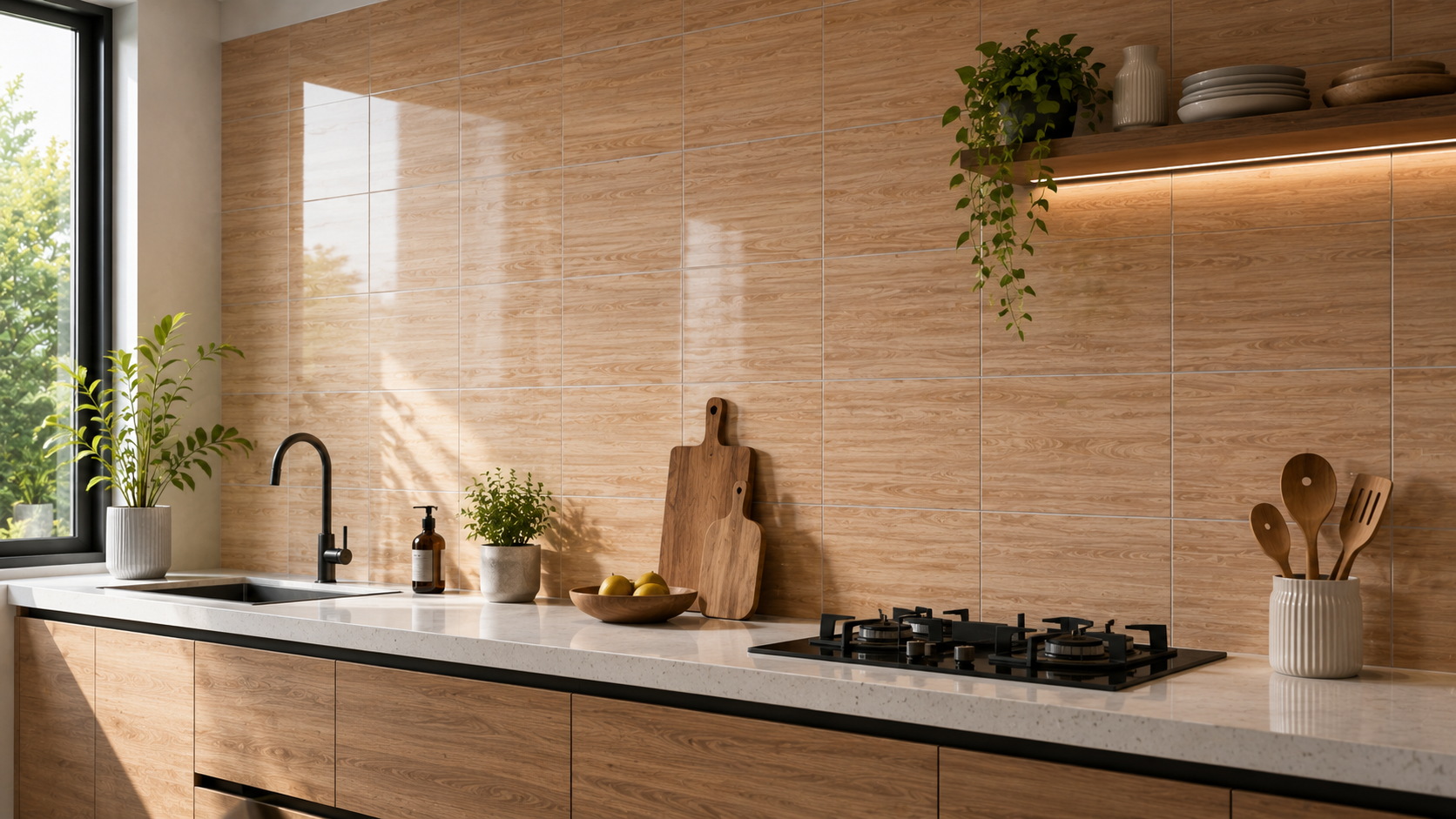
Digital printing technology has revolutionized tile design in India, allowing custom patterns, 3D effects, and artistic designs on ceramic and porcelain bases.
Price Range: ₹60–₹180 per sq ft
Applications:
Feature walls in living rooms and bedrooms
Bathroom accent walls
Commercial spaces requiring branding
Artistic and decorative installations
Brands like Kajaria, Somany, and emerging manufacturers offer digital print tiles with contemporary and traditional designs. These are perfect for adding personality to spaces without the cost of natural stone.
Factors Affecting Tile Prices in 2026
Raw Material Costs
Clay, feldspar, and silica are primary raw materials for tile manufacturing. Fluctuations in mining costs, transportation, and raw material availability directly impact tile prices. In 2026, stabilized mining regulations and improved supply chains have helped keep prices relatively stable compared to 2023–2024.
Manufacturing and Labor Costs
Labor costs in Indian tile manufacturing have increased by 8–12% annually. However, automation in major manufacturing units has partially offset these increases. Tiles produced in southern India (Hyderabad, Morbi region) tend to be more cost-effective due to established infrastructure.
Import Duties and Logistics
Import duties on raw materials and finished tiles affect pricing, especially for imported varieties. Domestic transportation costs, particularly in metropolitan areas like Mumbai and Delhi, add 5–10% to retail prices.
Brand Premium and Distribution
Established brands like Kajaria, Somany, and Orientbell command 15–25% premium over unbranded tiles. Direct purchases from manufacturers or wholesale suppliers can save 10–20% compared to retail showroom prices.
Size and Thickness
Larger format tiles (60x60 cm and above) are typically more expensive per sq ft than smaller tiles due to manufacturing complexity. Thicker tiles (10–12 mm) cost more than standard 8 mm tiles but offer better durability.
Installation and Hidden Costs
When budgeting for tiles, remember that material cost is only part of the equation. Here are additional expenses to consider:
Labor: ₹15–₹50 per sq ft depending on complexity and location
Adhesive (Tile Adhesive/Mortar): ₹2–₹8 per sq ft
Grout: ₹2–₹6 per sq ft
Primer and Sealant: ₹1–₹4 per sq ft
Wastage (typically 5–10%): Add 5–10% to material cost
For a 1000 sq ft project with mid-range vitrified tiles at ₹80 per sq ft, total costs would be approximately ₹1,20,000–₹1,80,000 including labor and materials.
Tips for Getting the Best Tile Deals in 2026
Buy Directly from Manufacturers
Visiting tile manufacturing units in Morbi (Gujarat), Hyderabad, or Bangalore can yield 15–25% savings. However, this requires bulk purchases and logistics arrangements.
Compare Multiple Suppliers
Use platforms and networks to compare prices across different suppliers. Platforms like AECORD connect you with verified tile suppliers and contractors who can provide competitive quotes for your specific project requirements.
Purchase During Off-Season
Tile prices are typically lower during monsoon months (June–August) and post-festival periods. Planning your purchase strategically can save 5–15%.
Negotiate for Bulk Orders
Bulk purchases (5000+ sq ft) often attract discounts of 10–20%. Pooling orders with neighbors or other projects can help achieve bulk pricing.
Choose Locally Manufactured Tiles
Opting for tiles manufactured in your region reduces transportation costs. South Indian tiles in Bangalore or Tamil Nadu projects are typically 10–15% cheaper than imported alternatives.
Balance Quality with Budget
Mid-range vitrified or digital print tiles often provide the best value for Indian residential projects, offering durability without the premium cost of porcelain or natural stone.
Tile Selection for Different Applications
Residential Kitchens
For kitchens, vitrified tiles (₹50–₹100 per sq ft) are ideal due to their stain resistance and ease of cleaning. Ceramic tiles work for budget projects, while porcelain offers premium durability.
Bathrooms
Bathrooms require high water resistance. Vitrified (₹50–₹120 per sq ft) or porcelain tiles (₹100–₹200 per sq ft) are recommended. Avoid low-quality ceramic tiles that absorb moisture.
Living Areas and Bedrooms
Vitrified tiles (₹50–₹150 per sq ft) are perfect for living spaces, offering aesthetics and durability. Digital print tiles add personality at ₹60–₹150 per sq ft.
Commercial Spaces
High-traffic commercial areas require porcelain (₹100–₹200 per sq ft) or premium vitrified tiles. Durability and slip resistance are critical factors.
Outdoor Areas
Porcelain or granite tiles are suitable for outdoor use due to their frost and weathering resistance. Expect ₹100–₹300 per sq ft for quality outdoor tiles.
Market Trends and Future Outlook
The Indian tile market in 2026 shows several interesting trends:
Sustainability Focus: Eco-friendly tiles made from recycled materials are gaining traction, with prices comparable to standard tiles.
Large Format Tiles: 120x60 cm and larger tiles are becoming more popular in premium segments, commanding 10–20% premium.
Matte Finishes: Matte and textured finishes are trending over glossy finishes, offering better slip resistance.
Customization: Digital printing allows custom designs, driving demand for personalized tiles in mid-to-premium segments.
Price Stability: After volatility in 2023–2024, prices have stabilized, with expected 2–4% annual growth.
Common Mistakes to Avoid
When purchasing tiles, avoid these common pitfalls:
Ignoring Wastage: Always add 5–10% extra for breakage and cuts.
Choosing Based on Price Alone: Very cheap tiles may have quality issues, leading to early replacement.
Mismatching Tile Type to Application: Using ceramic tiles in wet areas or low-grade tiles in high-traffic zones causes premature wear.
Not Checking Slip Resistance: For kitchens and bathrooms, slip resistance rating is crucial for safety.
Overlooking Grout and Adhesive Quality: Poor quality grout and adhesive can compromise the entire installation.
Not Verifying Batch Consistency: Color and texture variations between batches can be noticeable in large installations.
Finding Quality Tile Professionals in India
Selecting the right tiles is only half the battle; proper installation is equally important. Whether you're in Mumbai, Delhi, Bangalore, or any other Indian city, finding qualified tile contractors and suppliers is essential. AECORD connects you with verified tile suppliers, installers, and architects who specialize in tile selection and installation. Through AECORD's platform, you can compare quotes, review portfolios, and access professional recommendations tailored to your project's specific needs and budget.
When sourcing tiles through AECORD, you gain access to professionals who understand regional pricing, quality standards, and the latest tile trends. Whether you're renovating a 500 sq ft apartment or constructing a large commercial complex, AECORD helps you find the right partners for your project.
Conclusion
Tile costs in India in 2026 range from ₹30 per sq ft for basic ceramic tiles to ₹500+ per sq ft for premium imported natural stone. Your choice depends on your application, budget, location, and aesthetic preferences. Vitrified tiles at ₹50–₹150 per sq ft offer excellent value for most Indian residential projects, while porcelain tiles provide premium durability for high-traffic areas.
Remember to factor in installation costs, adhesives, grout, and wastage when budgeting. Compare prices across suppliers, consider bulk discounts, and prioritize quality over price to ensure your tiles last for decades. For professional guidance on tile selection and installation, explore options on AECORD to connect with experienced architects, contractors, and suppliers who can help you make the best decision for your project.
Frequently Asked Questions
What is the average cost of tiles per square foot in India in 2026?
Tile costs in India vary by type: ceramic tiles range from ₹30–₹80 per sq ft, vitrified tiles from ₹50–₹150 per sq ft, porcelain tiles from ₹80–₹250 per sq ft, and natural stone tiles from ₹150–₹500+ per sq ft. These prices are for materials only and don't include labor, adhesives, grout, or installation costs, which can add another 30–50% to your total expense.
Which Indian city has the cheapest tile prices?
Hyderabad and Bangalore offer the most competitive tile pricing, with costs ranging from ₹30–₹160 per sq ft and ₹35–₹180 per sq ft respectively. Both cities benefit from being major tile manufacturing hubs, which helps keep prices lower compared to metros like Mumbai and Delhi.
Are ceramic tiles or vitrified tiles better for bathrooms and kitchens?
Vitrified tiles are generally better for wet areas like bathrooms and kitchens due to their lower water absorption (around 0.5%), compared to ceramic tiles which absorb about 10% water. However, ceramic tiles remain a budget-friendly option for these spaces and are still widely used in Indian homes.
How much will it cost to tile a 500 sq ft kitchen with ceramic tiles?
For a 500 sq ft kitchen renovation using ceramic tiles, you'd spend approximately ₹15,000–₹40,000 on tiles alone, based on the ₹30–₹80 per sq ft price range. Adding labor, adhesives, and grout installation costs could increase the total by 30–50%.
What is the most affordable tile option for construction projects in India?
Ceramic tiles are the most affordable option at ₹30–₹80 per sq ft, making them ideal for budget-conscious projects. Popular Indian manufacturers like Kajaria, Asian Paints (Apcolite), and Somany offer reliable ceramic tiles in this price range with good durability and water-resistance.