



Understanding Structural Audit Costs in India: A Comprehensive Guide
A structural audit is a critical assessment of a building's physical integrity, safety, and compliance with current building codes and regulations. Whether you own a residential apartment, commercial building, or industrial facility, understanding the cost of structural audits in India is essential for budgeting and planning maintenance. This comprehensive guide will help you navigate the complexities of structural audit pricing across different Indian cities and building types.
Build cost · Bengaluru, May 2026
What Is a Structural Audit and Why Is It Important?
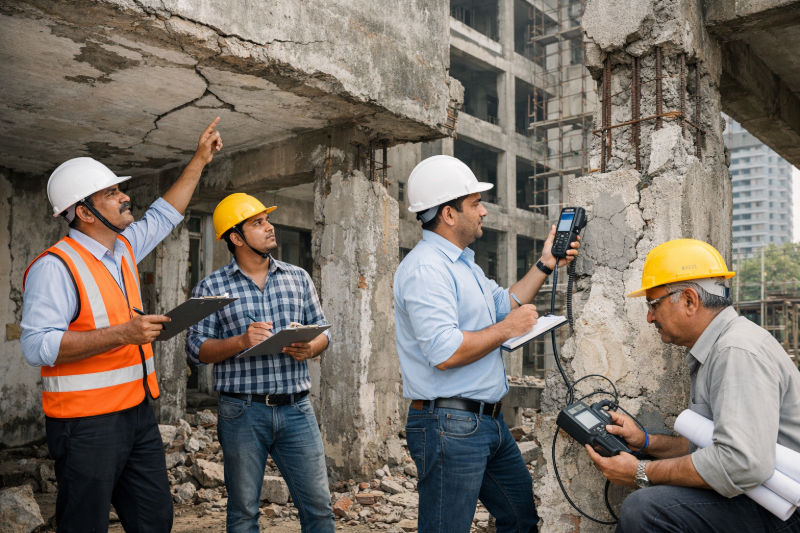
A structural audit involves a detailed examination of a building's structural components, including foundations, columns, beams, slabs, walls, and connections. Qualified structural engineers assess the building's condition, identify defects, and evaluate its load-bearing capacity. This process is crucial for ensuring occupant safety, determining the need for repairs, and establishing the building's remaining lifespan.
In India, structural audits have become increasingly important due to aging building stock, changing building codes, and the need to comply with the National Building Code (NBC) 2016. Many municipal corporations in major Indian cities now mandate structural audits for buildings older than 10-15 years or those showing signs of distress.
Key Reasons to Conduct a Structural Audit
Safety Assessment: Identify structural defects that could pose risks to occupants
Regulatory Compliance: Ensure adherence to current building codes and municipal regulations
Property Valuation: Provide accurate assessment for insurance, sale, or refinancing purposes
Maintenance Planning: Develop targeted repair and maintenance strategies
Seismic Compliance: Evaluate earthquake resistance in seismic zones
Heritage Building Assessment: Special evaluation for structures of historical significance
Factors Affecting Structural Audit Costs in India
Frequently asked
Building Age and Condition
Older buildings typically require more extensive investigations and testing, increasing audit costs. A 30-year-old building in Delhi may require deeper analysis than a 5-year-old structure. Buildings showing visible signs of distress—such as cracks, water seepage, or settling—demand more detailed investigations, pushing costs higher by 20-40%.
Building Size and Complexity
The total built-up area significantly influences audit costs. A small residential apartment (500 sq ft) will cost considerably less than a large commercial complex (50,000 sq ft). Additionally, building complexity matters—a simple rectangular residential structure costs less than a multi-story commercial building with complex architectural features, underground basements, or mechanical systems.
Building Type
Different building types require varying levels of expertise and investigation depth:
Residential Buildings: ₹5,000 to ₹15,000 per 1,000 sq ft
Commercial Buildings: ₹8,000 to ₹20,000 per 1,000 sq ft
Industrial Structures: ₹10,000 to ₹25,000 per 1,000 sq ft
Heritage Buildings: ₹15,000 to ₹35,000 per 1,000 sq ft
High-Rise Buildings: ₹12,000 to ₹30,000 per 1,000 sq ft
Geographic Location and City
Structural audit costs vary significantly across Indian cities due to differences in expertise availability, local regulations, and cost of living. Here's a breakdown of typical costs in major Indian cities:
Mumbai: ₹7,000 to ₹18,000 per 1,000 sq ft (highest due to high-rise density and seismic considerations)
Delhi: ₹6,000 to ₹16,000 per 1,000 sq ft
Bangalore: ₹5,500 to ₹14,000 per 1,000 sq ft
Pune: ₹5,000 to ₹13,000 per 1,000 sq ft
Hyderabad: ₹5,000 to ₹12,000 per 1,000 sq ft
Kolkata: ₹4,500 to ₹11,000 per 1,000 sq ft
Chennai: ₹5,000 to ₹12,000 per 1,000 sq ft
Tier-2 Cities: ₹3,500 to ₹8,000 per 1,000 sq ft
Testing and Investigation Methods
The scope of testing significantly impacts costs. Basic visual inspections and material testing are less expensive than comprehensive investigations involving:
Non-destructive testing (NDT) such as ultrasonic pulse velocity tests
Core sampling and concrete strength testing
Rebound hammer tests for concrete quality assessment
Rebar detection and cover measurement
Load testing on structural elements
Seismic assessment and analysis
3D structural modeling and finite element analysis
Each additional test can add ₹10,000 to ₹50,000 to the total audit cost.

Typical Structural Audit Cost Ranges in India
Residential Buildings
For a typical 2-3 bedroom apartment (1,200 sq ft) in a 10-15 year old building in Mumbai or Delhi, expect to pay ₹8,000 to ₹18,000 for a basic structural audit. If the building shows signs of distress or requires extensive testing, costs could reach ₹25,000 to ₹35,000.
For a larger residential complex (20,000 sq ft), costs typically range from ₹1,00,000 to ₹3,00,000, depending on the complexity and condition of the structure.
Commercial Buildings
Commercial properties generally incur higher audit costs due to their complexity and the critical nature of their structural integrity. A small commercial building (5,000 sq ft) might cost ₹40,000 to ₹1,00,000. Larger commercial complexes (50,000+ sq ft) could require investments of ₹5,00,000 to ₹15,00,000 or more.
Industrial Structures
Industrial audits are typically the most expensive due to specialized equipment, potential hazardous materials, and complex structural systems. Expect costs ranging from ₹1,50,000 to ₹10,00,000+ depending on facility size and complexity.
What's Included in a Structural Audit?
Visual Inspection and Documentation
The audit begins with a comprehensive visual inspection of all accessible structural elements. Engineers document the building's condition through photographs, sketches, and detailed notes. This includes examining foundations, exterior walls, roofs, and interior structural elements for signs of damage, deterioration, or distress.
Material Testing
Depending on the audit scope, material testing may include concrete strength assessment, steel quality verification, and brick/masonry evaluation. Non-destructive testing methods allow engineers to assess material properties without damaging the structure.
Structural Analysis
Engineers analyze the building's load-bearing capacity, stability, and compliance with applicable building codes. This may involve mathematical modeling and finite element analysis to understand how the structure responds to various loads and environmental factors.
Report and Recommendations
The audit concludes with a comprehensive report detailing findings, photographs, test results, and specific recommendations for repairs, maintenance, or structural improvements. This report is essential for planning future work and obtaining necessary approvals from municipal authorities.
Cost Breakdown: What You're Paying For
Understanding where your audit money goes helps you appreciate the value of professional structural assessment:
Professional Fees (40-50%): Structural engineer expertise, site visits, analysis, and report preparation
Testing and Investigations (30-40%): NDT equipment, laboratory tests, material sampling
Documentation and Reporting (10-15%): Photography, detailed drawings, CAD work, report compilation
Travel and Logistics (5-10%): Site visits, equipment transportation, access arrangements
Miscellaneous (5%): Permits, contingencies, administrative costs
How to Reduce Structural Audit Costs
Plan Audits Strategically
Combine structural audits with other building assessments (electrical, plumbing, HVAC) when possible. Many professionals offer bundled services at reduced rates, potentially saving 15-25% on total assessment costs.
Prioritize Critical Areas
If budget is constrained, focus the audit on critical structural elements—foundations, primary load-bearing members, and areas showing visible distress. A phased approach allows you to address the most urgent concerns first.
Choose Appropriate Testing Methods
Work with your structural engineer to determine which testing methods are truly necessary. Basic visual inspections combined with selective material testing may suffice for buildings in good condition, while older or distressed buildings require comprehensive investigation.
Compare Quotations
Obtain quotations from multiple qualified structural engineers. While cost shouldn't be the only factor, comparing proposals helps you understand what's included and identify the best value. Ensure all quotations are based on similar scope of work.
Regulatory Requirements for Structural Audits in India
Several Indian cities have made structural audits mandatory. The Maharashtra Building Code requires structural audits for buildings over 10 years old. Delhi's Municipal Corporation has similar requirements for older buildings. The National Building Code (NBC) 2016 provides guidelines for conducting these audits.
Building societies and housing associations in Mumbai, Delhi, and Pune often mandate structural audits as a condition for approving major repair work. Before commissioning an audit, check your local municipal corporation's specific requirements.
Finding Qualified Structural Engineers on AECORD
When planning a structural audit, partnering with experienced professionals is crucial. AECORD, India's leading B2B2C marketplace for AECO professionals, connects building owners with qualified structural engineers across major Indian cities. The platform allows you to:
Browse verified structural engineers with proven expertise in your city
Compare qualifications, experience, and previous project portfolios
Read reviews from other property owners who've commissioned audits
Request detailed quotations based on your specific building requirements
Communicate directly with professionals before making a decision
Using AECORD ensures you connect with certified engineers who understand local building codes and regulations specific to your location, whether you're in Mumbai, Delhi, Bangalore, or other major Indian cities.
Timeline for Structural Audits
The duration of a structural audit depends on building size and complexity. A typical residential building audit takes 2-4 weeks from initial inspection to final report delivery. Larger commercial or industrial projects may require 4-8 weeks. Rush audits can be completed faster but typically incur additional charges of 20-30%.
Common Findings and Repair Cost Implications
Structural audits often identify issues requiring remedial action. Common findings include concrete carbonation, rebar corrosion, foundation settlement, and moisture-related damage. Repair costs can vary dramatically—from ₹50,000 for minor cracks to ₹10,00,000+ for major structural interventions. The audit cost (typically 1-3% of repair costs) is a worthwhile investment that prevents costly surprises later.
Conclusion
Structural audit costs in India vary significantly based on building type, size, location, and condition, typically ranging from ₹5,000 to ₹35,000 per 1,000 sq ft. While this represents a tangible investment, the insights gained about your building's safety and condition make it invaluable. Whether you're a residential property owner, commercial developer, or industrial facility manager, a professional structural audit provides the foundation for informed decision-making about maintenance and repairs.
To find experienced structural engineers in your area and get competitive quotations for your building's audit, explore qualified professionals on AECORD. The platform makes it easy to connect with verified experts who understand the nuances of structural assessment in the Indian context. Start your search today and ensure your building remains safe, compliant, and well-maintained for years to come.
Frequently Asked Questions
What is a structural audit and why do buildings need one?
A structural audit is a detailed examination of a building's structural components by qualified engineers to assess safety, identify defects, and evaluate load-bearing capacity. In India, structural audits are increasingly important for ensuring occupant safety, regulatory compliance with the National Building Code 2016, and determining repair needs, with many municipal corporations mandating them for buildings older than 10-15 years.
How much does a structural audit cost in India?
Structural audit costs in India range from ₹5,000 to ₹35,000 per 1,000 sq ft depending on building type, with residential buildings costing ₹5,000-₹15,000, commercial buildings ₹8,000-₹20,000, and heritage buildings ₹15,000-₹35,000 per 1,000 sq ft. Prices vary significantly by city, with Mumbai and Delhi commanding premium rates due to high-rise density and seismic considerations.
What factors affect the cost of a structural audit?
Key factors include building age and condition (older buildings with visible defects cost 20-40% more), building size and complexity, building type (residential vs. commercial vs. industrial), and geographic location. Buildings showing distress signs like cracks or water seepage require more detailed investigations, significantly increasing audit costs.
Do older buildings cost more to audit than newer buildings?
Yes, older buildings typically require more extensive investigations and testing, increasing audit costs. Buildings showing visible signs of distress such as cracks, water seepage, or settling demand more detailed investigations, potentially pushing costs higher by 20-40% compared to buildings in good condition.
Which Indian cities have the highest structural audit costs?
Mumbai and Delhi have the highest structural audit costs in India, with Mumbai ranging from ₹7,000 to ₹18,000 per 1,000 sq ft due to high-rise density and seismic considerations. Premium rates in these cities reflect the availability of specialized expertise, local regulations, and higher cost of living compared to other Indian cities.
Frequently Asked Questions
What is a structural audit and why do buildings need one?
A structural audit is a detailed examination of a building's structural components by qualified engineers to assess safety, identify defects, and evaluate load-bearing capacity. In India, structural audits are increasingly important for ensuring occupant safety, regulatory compliance with the National Building Code 2016, and determining repair needs, with many municipal corporations mandating them for buildings older than 10-15 years.
How much does a structural audit cost in India?
Structural audit costs in India range from ₹5,000 to ₹35,000 per 1,000 sq ft depending on building type, with residential buildings costing ₹5,000-₹15,000, commercial buildings ₹8,000-₹20,000, and heritage buildings ₹15,000-₹35,000 per 1,000 sq ft. Prices vary significantly by city, with Mumbai and Delhi commanding premium rates due to high-rise density and seismic considerations.
What factors affect the cost of a structural audit?
Key factors include building age and condition (older buildings with visible defects cost 20-40% more), building size and complexity, building type (residential vs. commercial vs. industrial), and geographic location. Buildings showing distress signs like cracks or water seepage require more detailed investigations, significantly increasing audit costs.
Do older buildings cost more to audit than newer buildings?
Yes, older buildings typically require more extensive investigations and testing, increasing audit costs. Buildings showing visible signs of distress such as cracks, water seepage, or settling demand more detailed investigations, potentially pushing costs higher by 20-40% compared to buildings in good condition.
Which Indian cities have the highest structural audit costs?
Mumbai and Delhi have the highest structural audit costs in India, with Mumbai ranging from ₹7,000 to ₹18,000 per 1,000 sq ft due to high-rise density and seismic considerations. Premium rates in these cities reflect the availability of specialized expertise, local regulations, and higher cost of living compared to other Indian cities.