

Regional Architecture in India Finds Renewed Voice Through Local Design
India's architectural landscape is experiencing a remarkable transformation. After decades of gravitating toward global modernism and imported design aesthetics, Indian architects and designers are rediscovering the profound value of regional architecture. This resurgence isn't merely nostalgic—it represents a conscious, deliberate movement toward creating spaces that are contextually appropriate, culturally resonant, and economically sustainable.
The renewed interest in regional design reflects a deeper understanding that architecture must speak to the communities it serves. Whether it's the vernacular traditions of Kerala, the Rajasthani desert architecture, the coastal influences of Goa, or the urban heritage of Delhi and Mumbai, each region possesses unique design wisdom accumulated over centuries. Today's architects are mining this knowledge to create contemporary spaces that honor tradition while embracing modernity.
Build cost · Bengaluru, May 2026
Understanding India's Rich Architectural Heritage
The Diversity of Regional Traditions
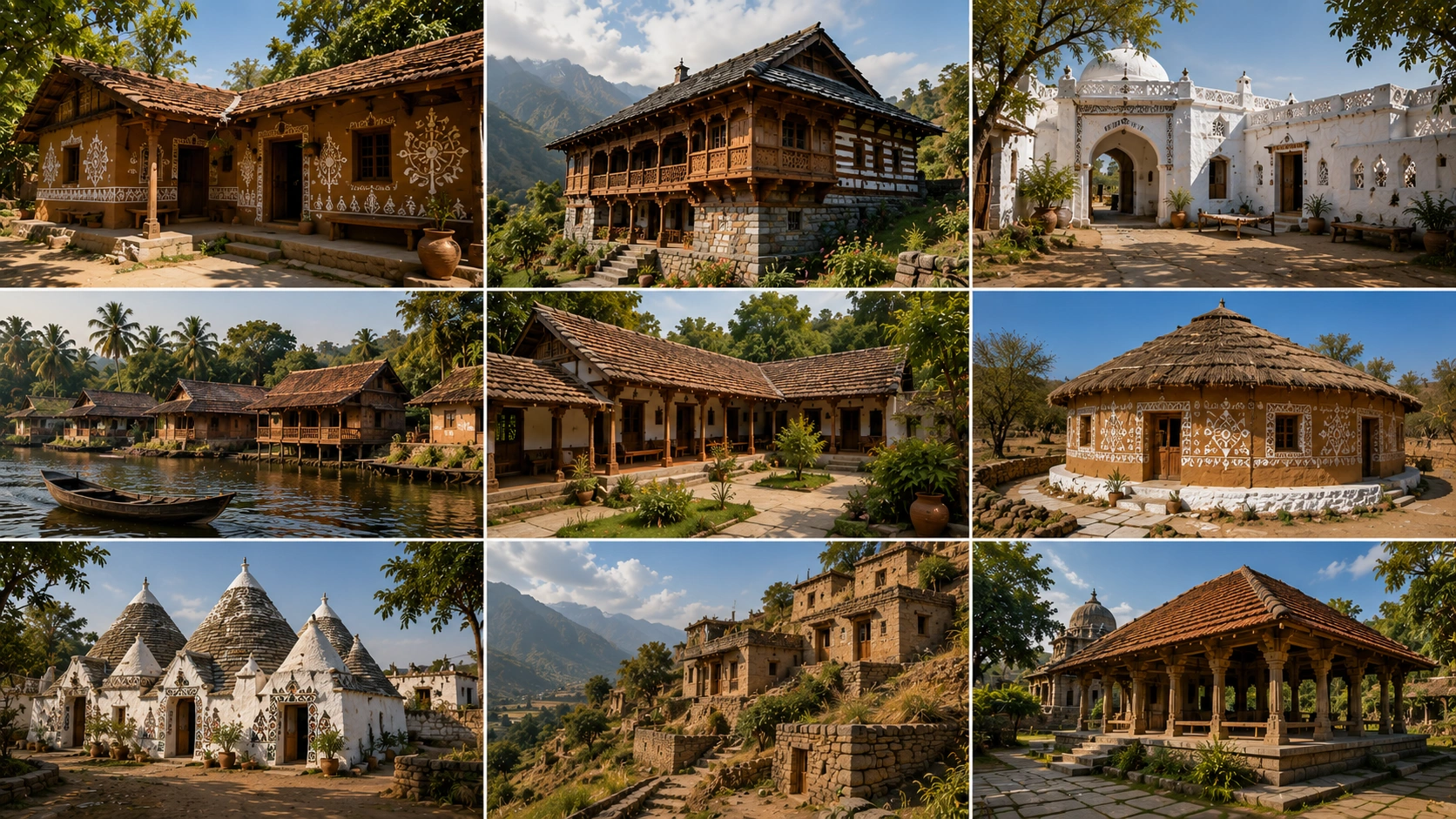
India's architectural heritage is extraordinarily diverse, shaped by climate, available materials, cultural practices, and historical influences. The pitched tile roofs of South India differ dramatically from the flat roofs of Rajasthan. The open courtyards of traditional homes in Delhi address different climatic needs than the enclosed structures of Kerala's monsoon regions.
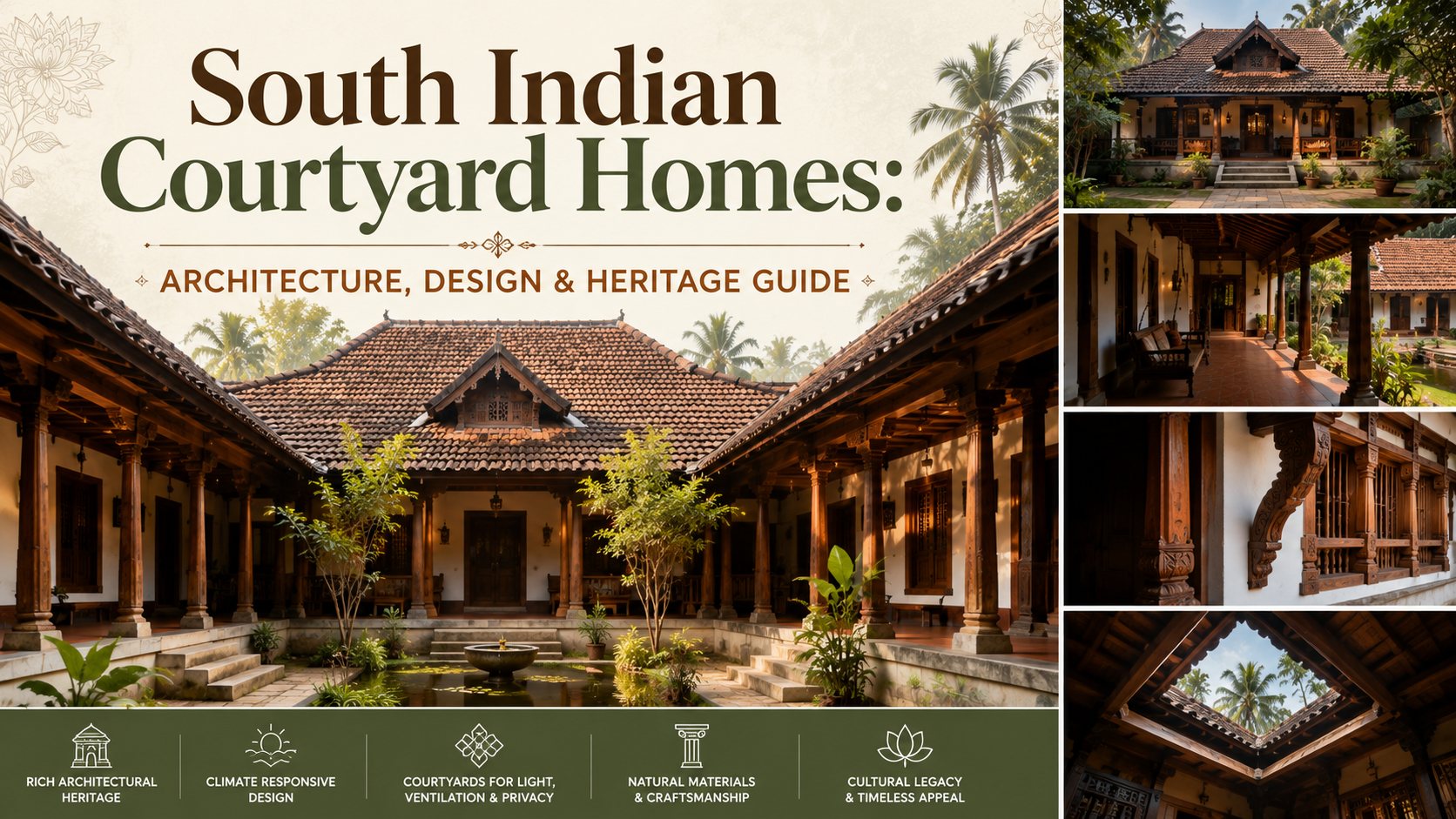
In South India, particularly in Tamil Nadu and Karnataka, temple architecture influenced residential design for centuries. The intricate stone work, the use of open courtyards for ventilation, and the integration of water features became hallmarks of regional design. Similarly, in Kerala, the traditional nalukettu (four-sided house) with its sloping tiled roofs, wooden pillars, and enclosed courtyards represents a sophisticated response to high rainfall and tropical climate.
The architecture of Rajasthan tells a different story. The havelis of Jaipur and Jodhpur, with their intricate jali screens, deep overhangs, and compact internal spaces, demonstrate masterful climate control without modern air conditioning. These structures maintained cool interiors through passive design strategies—a lesson increasingly relevant in our energy-conscious era.
Colonial Influence and Modern Deviation
The colonial period introduced European architectural styles that gradually overshadowed regional traditions. Post-independence, the rush toward modernization and globalization further marginalized local design practices. Architects trained in international styles often viewed regional architecture as outdated rather than innovative./blog/hygromorphic-materials-used-in-construction-in-india-mp2bnikw
However, this perspective is shifting. Contemporary architects recognize that regional traditions embody centuries of environmental adaptation and cultural wisdom. The sustainability principles embedded in traditional design—natural ventilation, thermal mass, water management, and use of local materials—align perfectly with current green building imperatives.
Frequently asked
Why Regional Architecture Matters Today
Climate Resilience and Sustainability
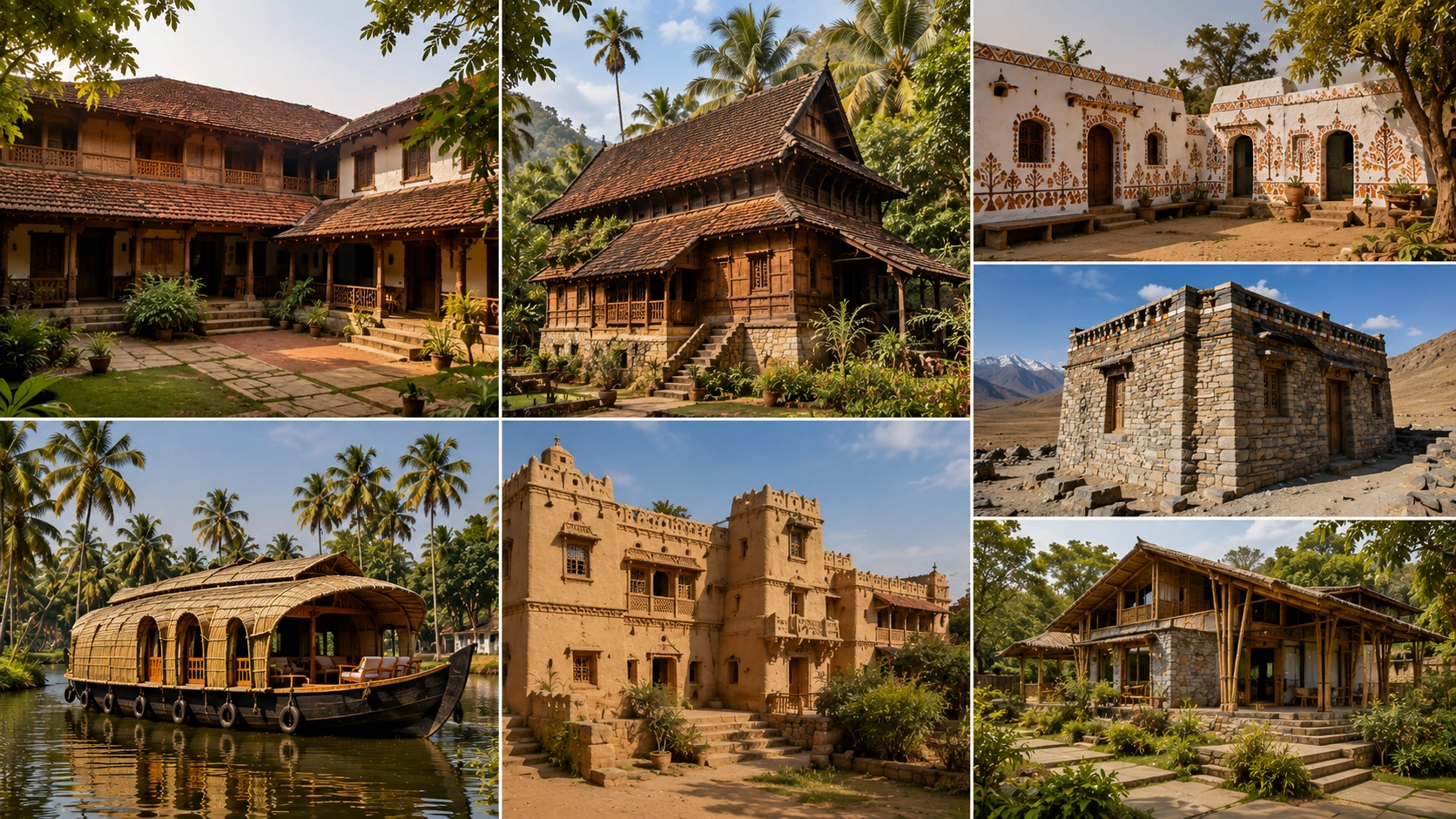
One of the most compelling reasons for regional architecture's resurgence is its inherent sustainability. Traditional designs evolved to work with local climate rather than against it. In Mumbai's humid climate, traditional architecture incorporated deep verandahs and cross-ventilation. In Delhi's extreme heat, thick walls and minimal external openings provided thermal protection./blog/hempcrete-india-sustainable-building-material-guide
Modern cooling and heating systems consume enormous energy and contribute significantly to carbon emissions. Regional architecture achieves similar comfort levels through passive design—reducing dependence on mechanical systems and lowering operational costs. A residential project in Bangalore using traditional Dravidian design principles can reduce air conditioning costs by 30-40% compared to conventional modern designs.
The use of locally sourced materials further enhances sustainability. Traditional architecture relied on what was available locally—stone, timber, clay, and lime. This reduced transportation costs and carbon footprint while supporting local economies. Today, as construction material costs in India continue rising (cement prices have fluctuated between ₹5,500-7,500 per ton in recent years), using locally appropriate materials becomes economically advantageous.
Cultural Identity and Community Connection
Architecture profoundly shapes how communities perceive themselves. When buildings reflect local cultural values and aesthetic traditions, they strengthen community bonds and cultural continuity. A school designed using regional architectural language in Jaipur creates a stronger sense of belonging than a generic modern structure would.
This cultural dimension extends beyond emotional connection. Regional architecture supports local craft traditions and artisanal skills. Incorporating jali work, stone carving, or traditional timber joinery provides employment for skilled craftspeople and preserves knowledge systems that might otherwise disappear. In cities like Jodhpur and Udaipur, this approach has revitalized traditional crafts while creating economically viable contemporary architecture.
Economic Advantages
Contrary to assumptions that regional architecture is expensive, it often proves more economical. Using local materials reduces transportation costs. Employing traditional construction techniques that local workers understand reduces labor costs and project timelines. A residential project in Pune incorporating local stone and traditional lime mortar can cost 15-20% less than equivalent modern construction while delivering superior thermal performance.
Regional architecture also enhances property values and marketability. Buyers increasingly seek homes that feel authentic to their place and offer better comfort without excessive mechanical systems. Premium developments in Bangalore, Hyderabad, and Mumbai incorporating regional design elements command higher prices and experience faster sales.
Contemporary Examples of Regional Architecture Revival
South India's Modern Vernacular Movement
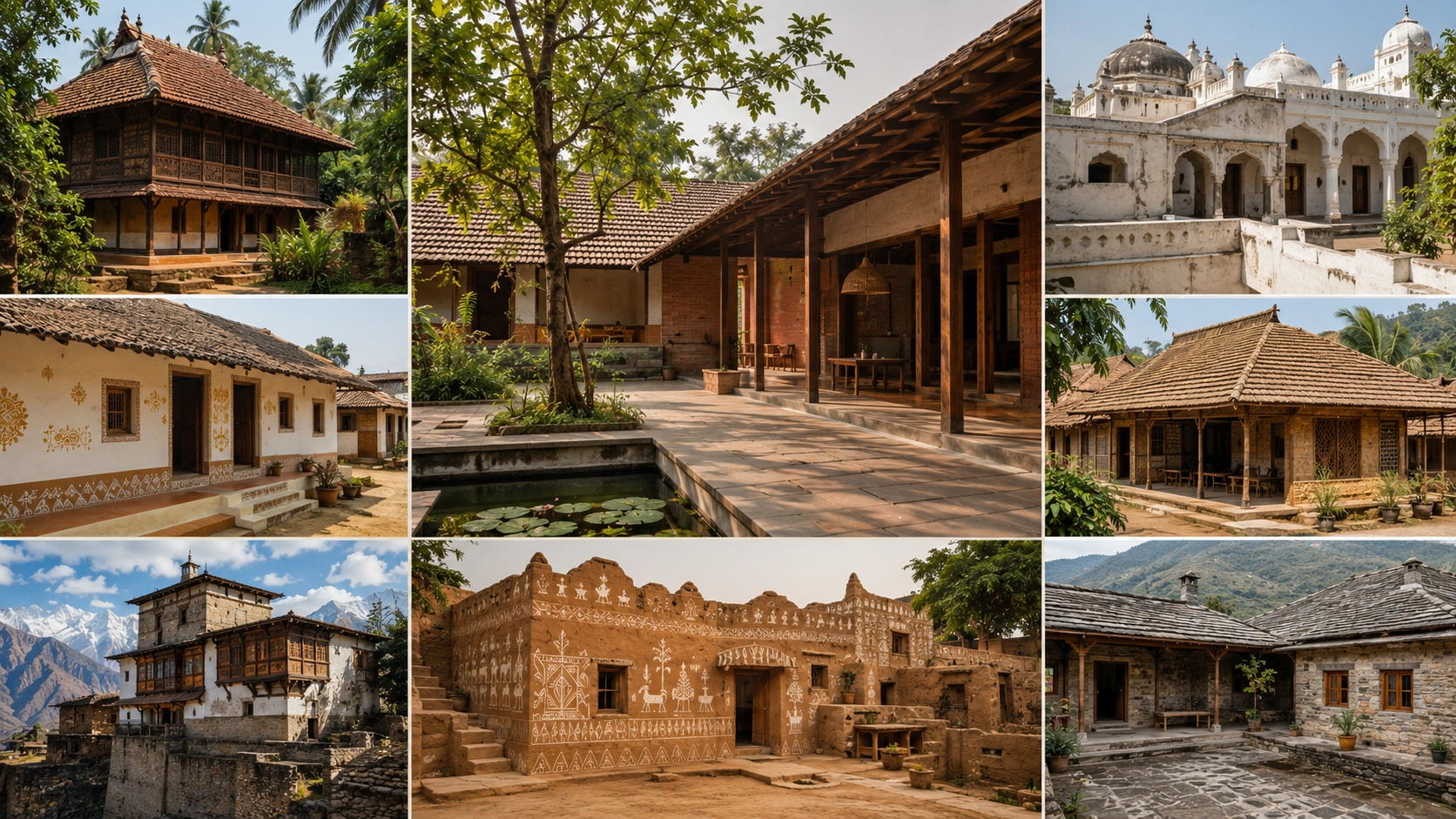
Architects across Tamil Nadu, Karnataka, and Telangana are leading the regional architecture revival. Projects in Bangalore and Hyderabad demonstrate how traditional design principles integrate seamlessly with contemporary functionality. Residential complexes now feature courtyards reminiscent of traditional homes but designed for modern living, with open-plan interiors while maintaining the climate-control benefits of enclosed courtyards.
The use of traditional materials like laterite stone, timber screens, and clay tiles has become fashionable in upscale residential projects. These materials, once considered outdated, now represent sophistication and environmental consciousness. A luxury residential project in Bangalore's Indiranagar neighborhood successfully commands premium prices by incorporating traditional Dravidian architectural elements with contemporary interiors.
Rajasthan's Heritage-Inspired Development
Jaipur and Jodhpur have emerged as centers for heritage-conscious architecture. Rather than demolishing historic havelis, architects are adaptively reusing them—converting them into boutique hotels, cultural centers, and residences that preserve their character while meeting modern needs. This approach generates economic returns while maintaining cultural heritage.
New construction in these cities increasingly incorporates regional design language. The jali screen, once purely decorative, now serves modern purposes—providing privacy, controlling solar gain, and creating visually striking facades. Contemporary commercial buildings in Jaipur's business districts use jali patterns in glass and metal, creating a bridge between tradition and modernity.
Coastal Architecture's Contemporary Relevance
Goa's vernacular architecture, influenced by Portuguese colonialism and local traditions, is experiencing renewed appreciation. The characteristic sloped roofs, deep verandahs, and internal courtyards are being reinterpreted in contemporary beach resorts and residential developments. These designs naturally manage the coastal climate's high humidity and salt spray while creating distinctive, memorable spaces.
Challenges in Implementing Regional Architecture
Regulatory and Zoning Constraints
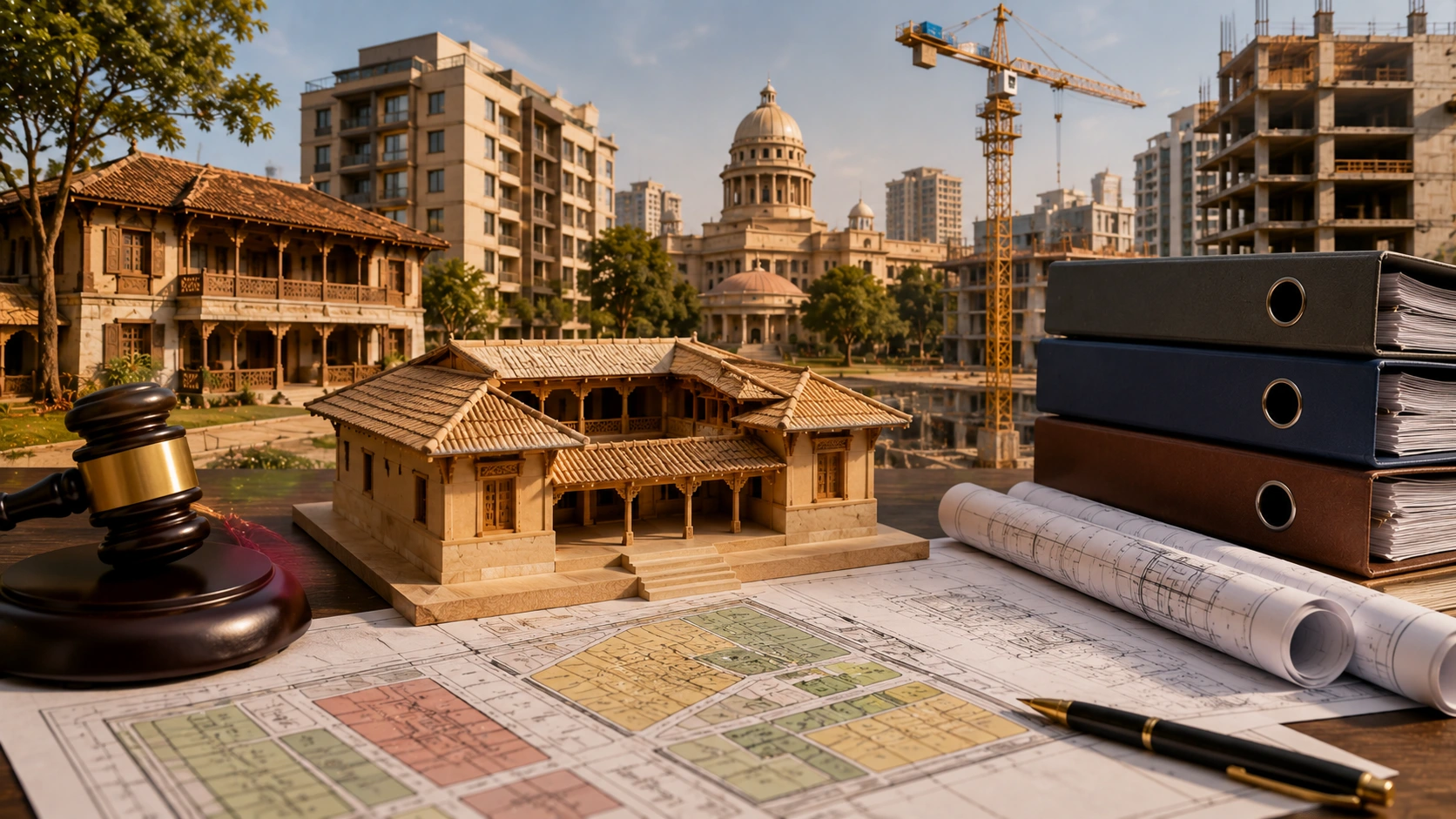
Building codes and zoning regulations in Indian cities often inadvertently discourage regional architecture. Floor Area Ratio (FAR) regulations, setback requirements, and height restrictions may not align with traditional design principles. For instance, regulations favoring vertical development conflict with the horizontal sprawl of traditional courtyard-based designs.
However, progressive municipal authorities in cities like Bangalore, Pune, and Jaipur are revising codes to accommodate regional architecture. Heritage Conservation Rules increasingly provide incentives for projects respecting local architectural traditions. Developers and architects must engage with local authorities to understand these evolving frameworks.
Skills and Knowledge Gap
As traditional crafts declined over recent decades, knowledge of regional construction techniques diminished. Finding skilled workers who understand traditional stone masonry, lime mortar preparation, or timber joinery requires effort. However, this gap is closing as craftspeople recognize the economic viability of these skills in contemporary projects./blog/europe-and-india-the-architecture-is-there-now-comes-the-hard-part-indias-world-
Educational institutions are also responding. Architecture schools across India now emphasize regional traditions and vernacular design principles. Students learn to respect local knowledge while developing contemporary design sensibilities.
Cost Perceptions and Market Education
Many developers and buyers perceive regional architecture as more expensive or less desirable than global styles. Overcoming this requires education about long-term benefits—lower operational costs, better comfort, cultural value, and market appreciation. Successful projects serve as powerful demonstrations, gradually shifting market perception.
The Role of Professional Networks in Advancing Regional Architecture
Implementing regional architecture successfully requires collaboration between architects, engineers, contractors, craftspeople, and material suppliers who understand local traditions. Professional networks and marketplaces connecting these specialists are invaluable. Platforms like AECORD facilitate these connections, allowing architects to find craftspeople skilled in regional techniques, source locally appropriate materials, and collaborate with engineers experienced in traditional construction methods.
For a project in Jaipur incorporating traditional jali work and stone carving, an architect can use AECORD to connect with local artisans, material suppliers, and contractors experienced in heritage construction. This network approach reduces project risk, ensures quality, and supports local economies—core principles of the regional architecture movement.
Similarly, developers planning projects in Bangalore, Mumbai, or Hyderabad can access AECORD's network to find architects and consultants with proven expertise in regional design. This professional ecosystem accelerates the adoption of regionally appropriate architecture across India's cities.
Future Prospects for Regional Architecture
Integration with Smart Building Technology
The future of regional architecture lies in integrating traditional design wisdom with modern technology. Smart buildings incorporating regional design principles represent the next frontier. Imagine a Bangalore residence with traditional Dravidian architectural language, enhanced by smart systems that optimize natural ventilation and passive cooling while monitoring energy use.
This integration creates buildings that are culturally rooted, environmentally sustainable, and technologically advanced—meeting contemporary requirements while respecting regional identity.
Urban Planning and Mixed-Use Development
Cities across India are recognizing that regional architecture contributes to distinctive urban character and economic vitality. Mixed-use developments incorporating regional design language create vibrant neighborhoods that attract residents, businesses, and tourists. Pune's successful heritage districts demonstrate how respecting architectural traditions can drive urban regeneration and economic development.
Policy Support and Incentives
Forward-thinking municipal governments are providing incentives for regionally appropriate architecture—density bonuses, tax benefits, and expedited approvals. As these policies expand, regional architecture will become increasingly attractive to developers and architects. The integration of heritage conservation with contemporary development represents a win-win opportunity.
Practical Guidance for Architects and Developers
Research and Documentation
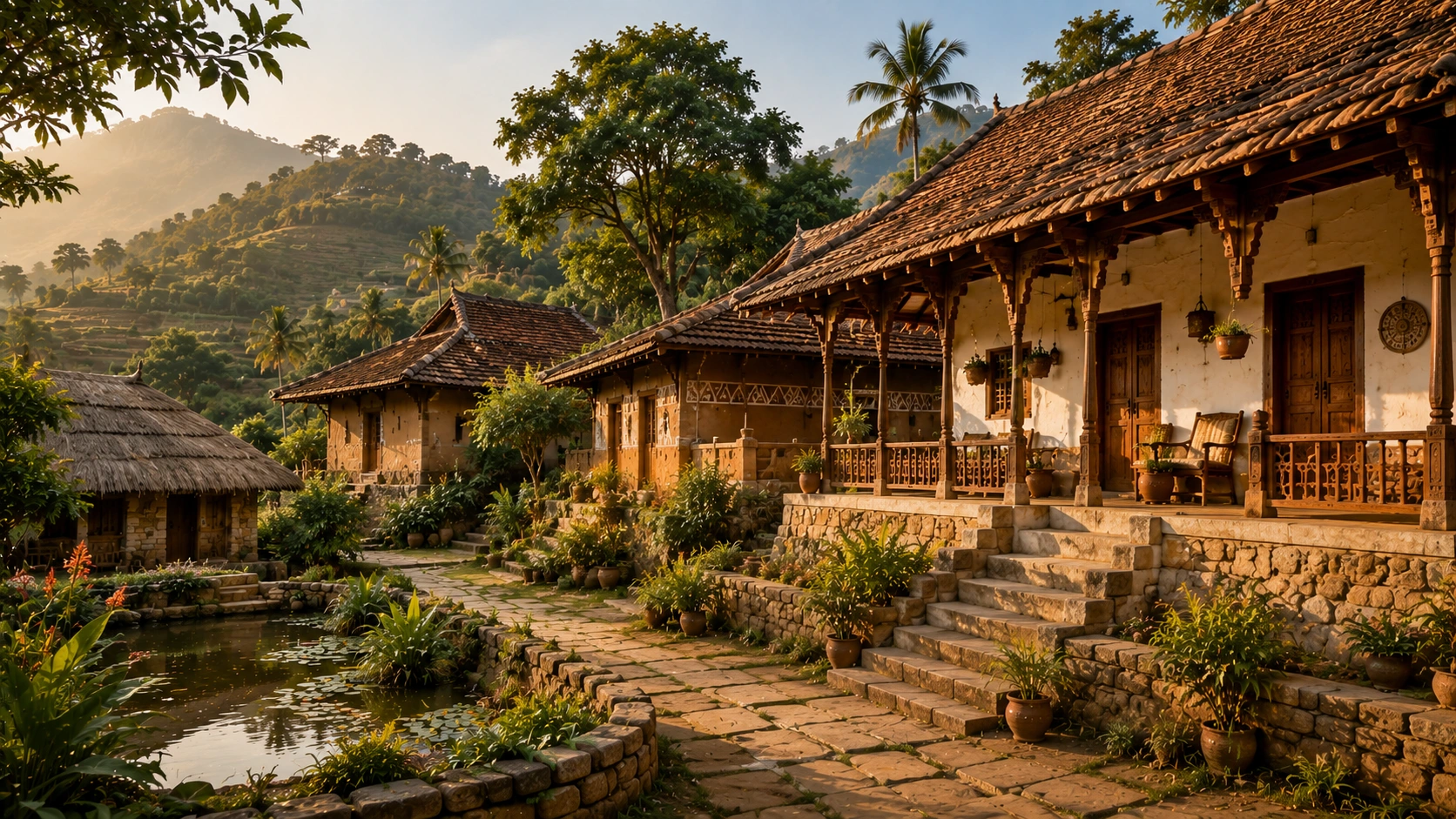
Begin by thoroughly researching regional architectural traditions relevant to your project location. Study historic structures, understand climate adaptation strategies, and document traditional materials and techniques. This foundation informs contemporary design decisions.
Engage Local Communities
Involve local communities in the design process. Their understanding of place, climate, and cultural values provides invaluable insights. Community engagement also builds support for the project and ensures designs resonate with intended users.
Collaborate with Regional Specialists
Partner with architects, engineers, and craftspeople experienced in regional traditions. These specialists understand practical constraints and opportunities that outsiders might miss. Professional networks like AECORD facilitate these crucial connections, ensuring your project benefits from authentic regional expertise.
Balance Tradition and Innovation
Respect regional traditions while embracing contemporary requirements. The goal isn't replicating historical architecture but creating contemporary spaces informed by regional wisdom. This balance produces architecture that feels authentic while functioning for modern life.
Conclusion
Regional architecture's renewed voice represents a maturation of Indian design thinking. Rather than viewing tradition and modernity as opposing forces, contemporary architects recognize them as complementary. Regional design traditions embody centuries of accumulated wisdom about climate, materials, and cultural values—knowledge increasingly relevant in our sustainable, connected world.
The movement toward regionally appropriate architecture benefits everyone—communities gain culturally resonant spaces, developers achieve better economics and market differentiation, craftspeople find viable livelihoods, and the environment benefits from reduced energy consumption and material waste. As this movement accelerates, India's built environment will increasingly reflect the diversity, sophistication, and wisdom embedded in regional traditions.
For architects, developers, and construction professionals committed to this vision, connecting with regional specialists and building collaborative networks is essential. AECORD provides the platform to find architects, engineers, craftspeople, and suppliers who share your commitment to regionally conscious design. Whether planning a project in Jaipur, Bangalore, Mumbai, or any Indian city, explore AECORD's professional network to discover the expertise that will bring regional architecture's promise to life in your next project.
Frequently Asked Questions
What is regional architecture in India and why is it experiencing a renaissance?
Regional architecture refers to design traditions specific to India's diverse climatic zones and cultural areas, such as Kerala's nalukettu homes or Rajasthan's havelis. It's experiencing renewed interest because architects recognize these centuries-old designs embody sustainability principles, cultural relevance, and climate adaptation that modern construction often overlooks.
How does traditional Indian architecture help with sustainability and energy efficiency?
Traditional regional designs use passive cooling and heating strategies like natural ventilation, thermal mass, deep verandahs, and strategic window placement to maintain comfort without mechanical systems. These built-in climate control methods significantly reduce energy consumption and operational costs compared to modern HVAC-dependent buildings.
What are examples of regional architectural styles across different parts of India?
India's regional styles include South India's temple-influenced designs with open courtyards and intricate stonework, Kerala's sloped-roof nalukettu homes adapted for monsoons, and Rajasthan's jali-screened havelis designed for desert heat. Each style reflects centuries of adaptation to local climate, materials, and cultural practices.
How did colonialism and modernization affect India's traditional architecture?
Colonial rule introduced European architectural styles that gradually overshadowed regional traditions, and post-independence modernization further marginalized local practices as architects viewed them as outdated. However, contemporary designers now recognize that traditional architecture embodies valuable environmental and cultural wisdom rather than being obsolete.
Can modern buildings incorporate regional architecture principles while remaining contemporary?
Yes, today's architects successfully blend regional design wisdom with modern functionality by adopting passive design strategies, local materials, and cultural aesthetics in contemporary projects. This approach creates spaces that are contextually appropriate, culturally resonant, and economically sustainable while meeting current building standards.