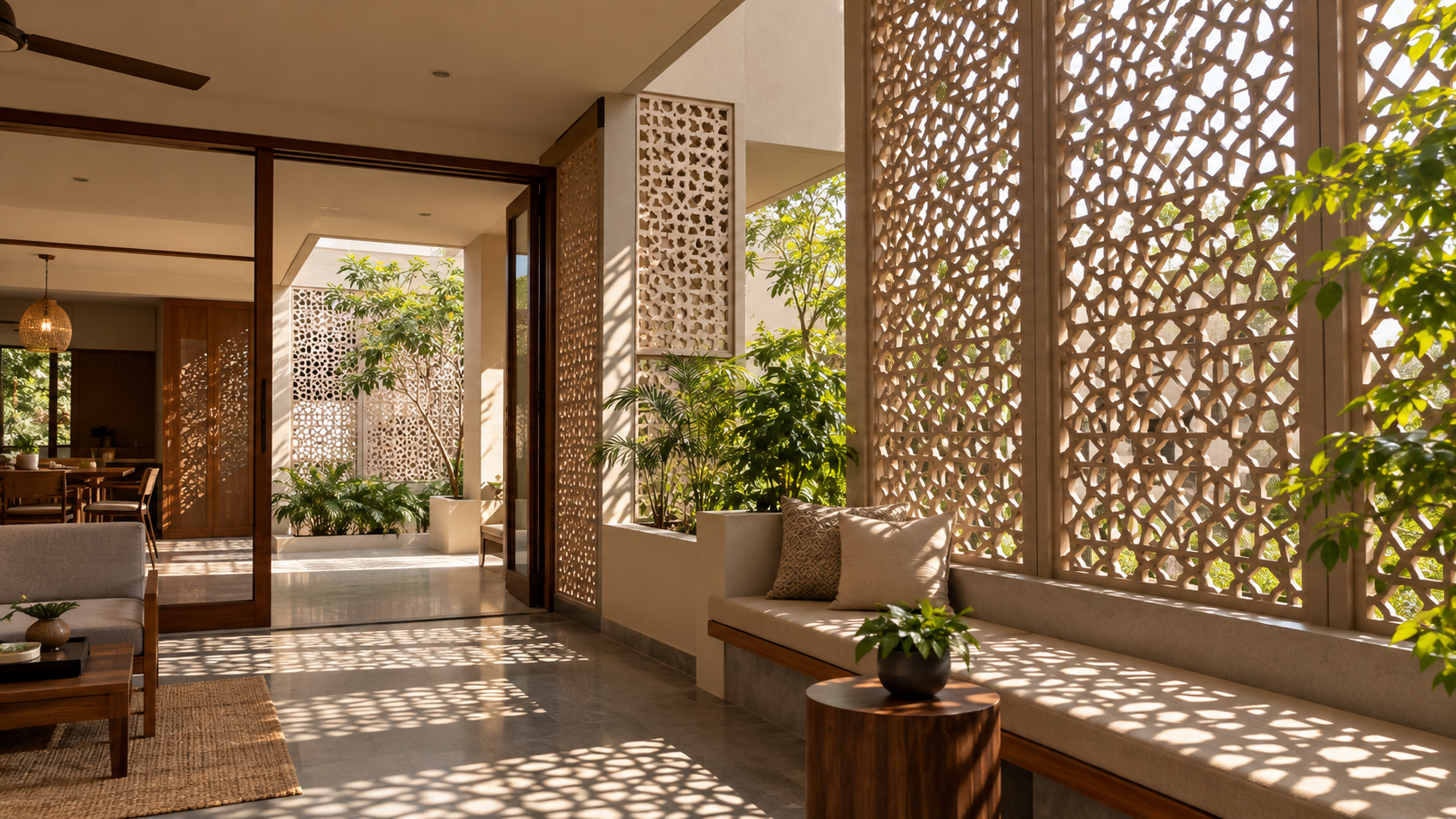


Have you ever walked into a building on a scorching summer afternoon and felt an unexpected wave of cool, calm air even without an air conditioner humming in the background? That’s not magic; it’s smart design.
As temperatures rise and energy costs soar, architects around the world are turning back to nature for inspiration. Modern buildings today are learning to “breathe” using clever layouts, natural materials, and green innovations that keep interiors comfortable without relying on machines. From walls that absorb heat slowly to rooftops covered in plants, the new age of architecture proves that sustainability and comfort can coexist beautifully.
Smart Building Orientation The First Step to Natural Cooling

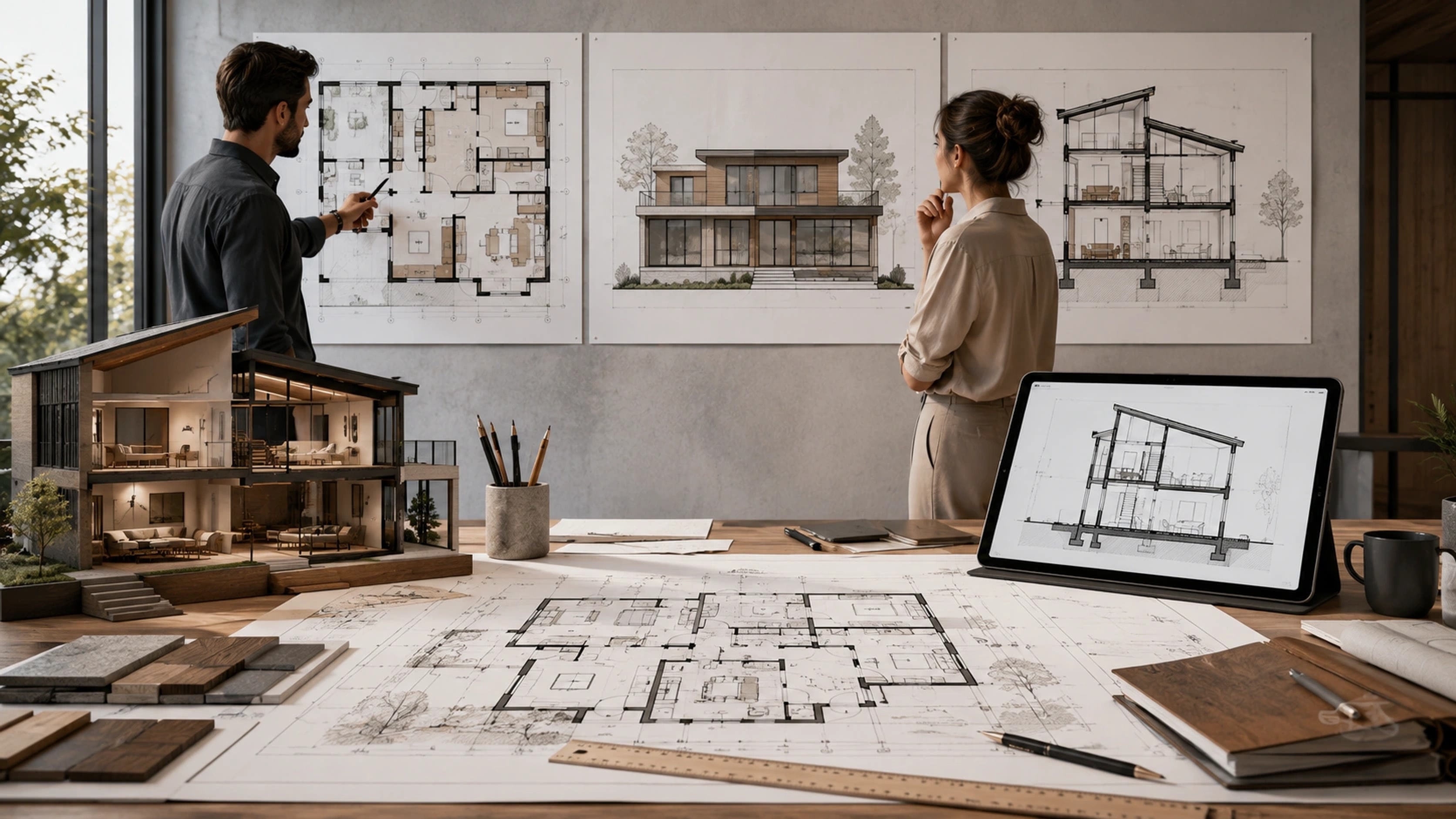
Smart passive design strategies play a powerful role in keeping buildings cool naturally. By orienting structures thoughtfully, architects can minimize heat gain while maximizing daylight and airflow. Harnessing natural wind flow through cross-ventilation reduces dependence on mechanical cooling and improves indoor comfort. Equally important, the surrounding environment trees, courtyards, green spaces, and shaded outdoor areas works in harmony with the building to regulate temperature naturally. When orientation, ventilation, and landscape design come together, buildings become more energy-efficient, comfortable, and sustainable, proving that working with nature is one of the most effective cooling solutions.
Build cost · Bengaluru, May 2026
Cooling Through Materials Nature’s Own Air Conditioner

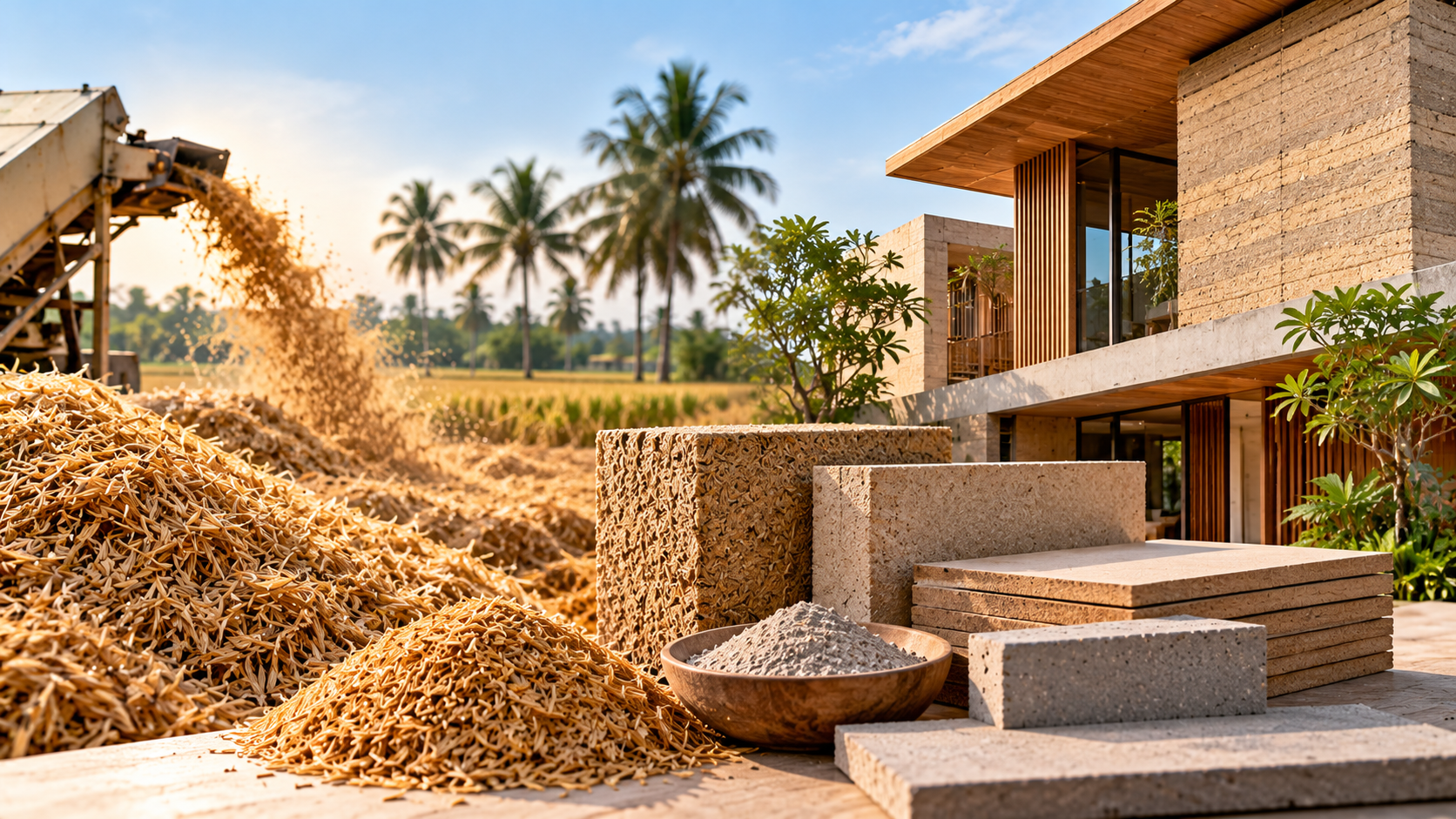
Natural cooling in buildings is most effective when material choices work in harmony with climate and design. Thermal mass materials such as brick, stone, and concrete help regulate indoor temperatures by absorbing heat during the day and releasing it slowly at night, reducing the need for mechanical cooling. Light-colored and reflective surfaces further enhance comfort by bouncing back solar radiation and limiting heat absorption, keeping interiors noticeably cooler. Complementing these strategies, sustainable and natural materials like bamboo, lime plaster, and reclaimed wood allow buildings to breathe, improving airflow and moisture balance. Together, these material-driven approaches create energy-efficient, comfortable, and environmentally responsible spaces that rely on nature rather than technology to stay cool.
Natural Airflow Design Let the Wind Do the Work

Natural ventilation strategies such as cross-ventilation windows, stack effect design, and courtyards work together to keep buildings cool and comfortable without relying on mechanical systems. Cross-ventilation allows fresh air to flow through windows placed on opposite sides, flushing out warm air and improving indoor air quality. The stack effect enhances this process by letting warm air rise and escape through higher openings, naturally drawing in cooler air from below. Courtyards and open spaces further support passive cooling by channeling breezes, releasing heat, and allowing daylight deep into the building. When combined, these design elements create energy-efficient, breathable spaces that stay naturally cool, reduce electricity consumption, and promote healthier, more sustainable living environments.
Green Additions Nature as the Coolest Architect

Green roofs, living walls, water features, and nature-based shading together create a powerful passive cooling ecosystem in modern architecture. Green roofs and vertical gardens insulate buildings, absorb heat, and purify the air, while water features cool surrounding spaces through natural evaporation, improving thermal comfort and ambiance. Shading with trees, plants, and pergolas blocks harsh sunlight, reduces heat gain, and encourages natural airflow. When these elements are thoughtfully integrated, buildings stay cooler with minimal energy use, reduce carbon emissions, and reconnect urban spaces with nature. This holistic, nature-driven approach proves that sustainable design can be both functional and beautiful, creating healthier environments where buildings truly breathe.
Frequently asked
Conclusion
Incorporating natural cooling strategies in modern architecture is no longer just a design choice it’s a necessity for sustainability and comfort. From green roofs and living walls to natural shading and optimized building orientation, these smart design tricks reduce energy consumption, enhance indoor comfort, and create healthier living spaces. By embracing nature-inspired solutions, architects and homeowners can beat the heat without over-relying on mechanical systems, demonstrating that efficiency, style, and eco-consciousness can coexist seamlessly. Ultimately, staying cool naturally is not only a smart way to combat rising temperatures but also a step toward a greener, more sustainable future for our cities.
“Stay Cool Naturally: Connect with Experts on AECORD for Smart Building Solutions”
AECORD acts as a digital platform connecting everyday users with architects and sustainability professionals. Through AECORD, anyone can access expert advice to make eco-friendly, efficient design choices. This bridge between users and professionals makes staying cool naturally practical and achievable for all.
Frequently Asked Questions
What is smart building orientation and how does it help keep buildings cool?
Smart building orientation involves strategically positioning structures to minimize heat gain while maximizing daylight and natural airflow. By aligning buildings with prevailing winds and considering sun exposure, architects reduce reliance on mechanical cooling systems and create naturally comfortable indoor spaces.
Which materials are best for natural cooling in buildings?
Thermal mass materials like brick, stone, and concrete absorb heat during the day and release it slowly at night, while light-colored reflective surfaces bounce back solar radiation. Natural materials such as bamboo, lime plaster, and reclaimed wood also allow buildings to breathe and improve airflow and moisture balance.
How does cross-ventilation work to cool buildings naturally?
Cross-ventilation uses windows placed on opposite sides of a building to allow fresh air to flow through, flushing out warm air and improving indoor air quality. This passive cooling strategy works without mechanical systems and significantly reduces energy consumption.
What is the stack effect in building design?
The stack effect is a natural ventilation principle where warm air rises and escapes through higher openings, naturally drawing cooler air in from below. This passive cooling strategy enhances cross-ventilation and reduces the need for air conditioning systems.
Can buildings stay cool without air conditioning?
Yes, modern buildings can stay cool without air conditioning by using smart design strategies including proper orientation, thermal mass materials, natural ventilation, courtyards, and green spaces. These passive cooling techniques work together to maintain comfortable indoor temperatures while reducing energy costs.