

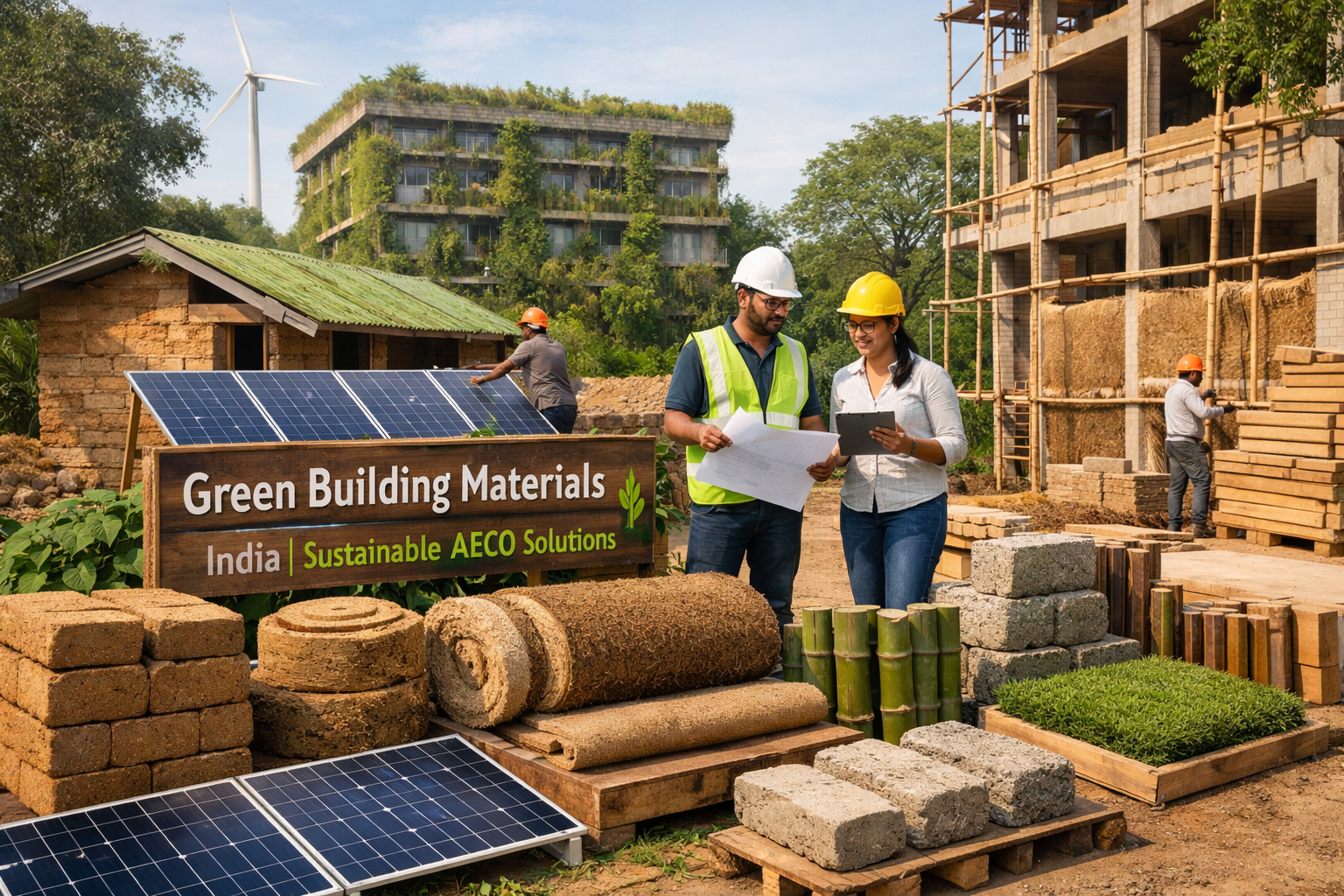
The construction industry in India is undergoing a significant transformation, with green building materials emerging as a cornerstone of sustainable development. As urbanization accelerates and environmental concerns intensify, architects, engineers, and construction professionals are increasingly turning to eco-friendly alternatives that reduce carbon footprints while maintaining structural integrity and cost-effectiveness.
India's commitment to sustainability is reflected in its green building certifications like LEED, IGBC (Indian Green Building Council), and GRIHA standards. The market for green building materials in India is projected to grow at a CAGR of 12-15% over the next five years, driven by regulatory requirements, corporate sustainability goals, and growing consumer awareness.
Understanding Green Building Materials
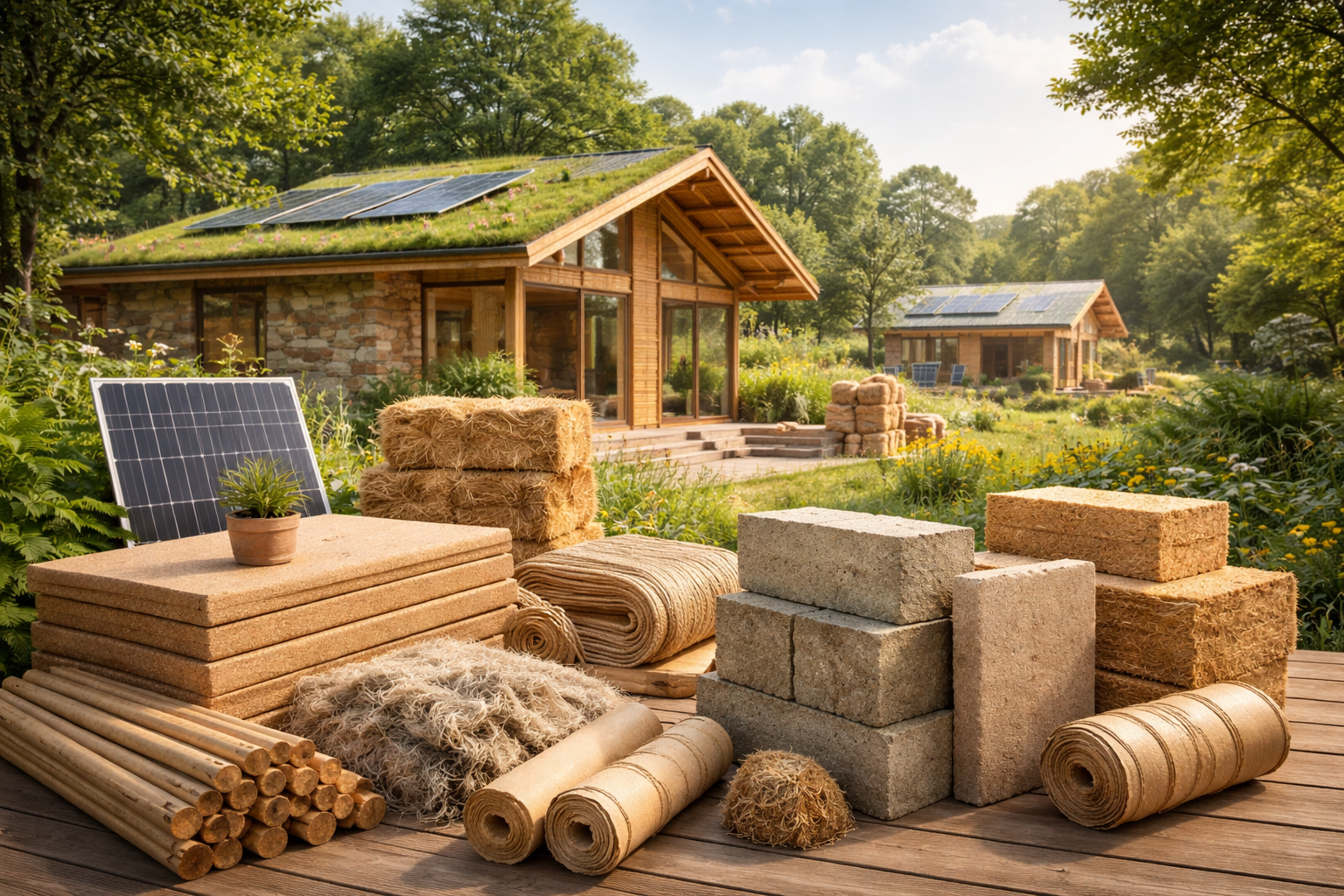
Green building materials are products manufactured and harvested in ways that minimize environmental impact. They are typically sourced responsibly, have low embodied carbon, are non-toxic, and contribute to healthier indoor environments. Unlike conventional materials that often deplete natural resources and generate significant waste, green alternatives focus on sustainability throughout their lifecycle—from extraction to manufacturing, transportation, installation, and eventual disposal or recycling.
In the Indian context, green building materials serve multiple purposes: they help projects comply with regulations like the Energy Conservation Building Code (ECBC), reduce operational costs through improved energy efficiency, and enhance property values. For professionals seeking to specify or source these materials, platforms like AECORD connect you with verified suppliers and manufacturers across India.
Build cost · Bengaluru, May 2026
Types of Green Building Materials Available in India
Sustainable Concrete Alternatives
Conventional cement production is responsible for approximately 8% of global CO2 emissions. Green concrete alternatives in India include:
Fly Ash Concrete: Incorporating fly ash (a byproduct from thermal power plants) reduces cement content by 20-40%, lowering costs by 10-15% while improving durability. This is particularly relevant in India, where thermal power plants generate millions of tons of fly ash annually.
Geopolymer Concrete: Made from industrial waste materials, geopolymer concrete offers 50-70% lower carbon emissions compared to conventional concrete. Prices range from ₹4,500-5,500 per cubic meter, slightly higher than standard concrete but offset by durability benefits.
Recycled Aggregate Concrete: Using recycled concrete and construction waste as aggregates reduces landfill burden and typically costs 10-20% less than virgin aggregate concrete.
Eco-Friendly Insulation Materials
Thermal insulation is critical for energy efficiency in Indian buildings, particularly in hot climates. Green insulation options include:
Cork Insulation: Harvested from cork oak bark without harming trees, cork provides excellent thermal properties. Cost: ₹300-500 per square meter. Commonly used in commercial buildings across Bangalore and Pune.
Sheep Wool Insulation: A natural, biodegradable option with good fire resistance. Cost: ₹250-400 per square meter. Growing popularity in hill stations like Himachal Pradesh and Uttarakhand.
Aerogel: Though more expensive (₹2,000-3,000 per square meter), aerogel offers superior insulation in minimal thickness, ideal for space-constrained urban projects in cities like Mumbai and Delhi.
Recycled Denim and Paper: Made from post-consumer waste, these materials cost ₹200-350 per square meter and are increasingly available through specialty suppliers in major metros.
Frequently asked
Sustainable Flooring Solutions
Flooring materials significantly impact indoor air quality and environmental footprint. Green options include:
Bamboo Flooring: Bamboo grows rapidly and is fully renewable. Cost: ₹400-800 per square meter. Popular in residential and commercial projects across South India.
Cork Flooring: Naturally antimicrobial and comfortable underfoot. Cost: ₹500-900 per square meter.
Recycled Wood Flooring: Salvaged from old structures, offering character and sustainability. Cost: ₹600-1,200 per square meter.
Polished Concrete: Eliminates need for additional flooring, reducing waste. Cost: ₹150-300 per square meter. Widely used in industrial and modern commercial spaces.
Terrazzo with Recycled Content: Made from recycled glass and stone, this durable option costs ₹400-700 per square meter.
Low-VOC Paints and Coatings
Volatile Organic Compounds (VOCs) in conventional paints contribute to indoor air pollution. Low-VOC alternatives include:
Water-Based Paints: Emit minimal VOCs and cost ₹250-450 per liter, comparable to conventional options.
Natural Paints: Made from plant-based ingredients, costing ₹400-700 per liter. Brands like Auro and Earthborn are increasingly available in India.
Lime-Based Paints: Traditional and breathable, ideal for heritage buildings. Cost: ₹300-500 per liter.
Sustainable Roofing Materials
Roofing significantly impacts building energy consumption. Green options include:
Cool Roofs with High Solar Reflectance: Reduce indoor temperatures by 5-10°C, decreasing air conditioning costs by 20-30%. Cost: ₹80-150 per square meter.
Green Roofs: Vegetated roofs provide insulation, stormwater management, and urban cooling. Cost: ₹1,500-3,000 per square meter. Increasingly popular in cities like Bangalore and Hyderabad.
Recycled Plastic Roofing: Durable and lightweight, costing ₹100-200 per square meter.
Metal Roofing from Recycled Content: Long-lasting and recyclable. Cost: ₹250-400 per square meter.
Sustainable Glass and Glazing
Smart glazing solutions reduce energy consumption:
Low-Emissivity (Low-E) Glass: Reflects heat while allowing light transmission, reducing cooling loads by 15-25%. Cost: ₹1,200-1,800 per square meter.
Electrochromic Glass: Adjusts tint electronically to control solar gain. Cost: ₹3,000-5,000 per square meter. Used in premium commercial projects.
Recycled Glass Products: Used in countertops and decorative elements, costing ₹600-1,200 per square meter.
Regional Availability and Sourcing in India
Metropolitan Markets
Delhi-NCR: Well-developed market with numerous suppliers of green materials. Fly ash concrete and recycled aggregate options are readily available. Average premium over conventional materials: 5-12%.
Mumbai and Western India: Strong focus on LEED and IGBC compliance drives green material adoption. Cork and bamboo products are widely available. Growing market for recycled plastic materials.
Bangalore and South India: Leading in green building certifications. Excellent availability of bamboo products, cool roofing materials, and sustainable insulation. Several local manufacturers of geopolymer concrete.
Hyderabad: Emerging hub for green construction materials. Good availability of recycled aggregate and fly ash concrete suppliers.
Sourcing Strategies
Finding reliable suppliers of green building materials requires strategic planning. When evaluating suppliers, verify certifications like ISO 14001 (Environmental Management), EPD (Environmental Product Declaration), and compliance with Indian Standards (IS codes). AECORD provides a comprehensive marketplace where you can connect with verified green material suppliers, compare specifications, and review credentials—streamlining your sourcing process significantly.
Cost-Benefit Analysis of Green Building Materials
Initial Cost Considerations
While some green materials carry higher upfront costs, the analysis must consider lifecycle value. A typical commercial building in India might see:
Geopolymer concrete: 5-15% premium over conventional concrete
Green insulation: 10-30% premium but reduces HVAC sizing by 15-20%
Low-E glazing: 40-60% premium but reduces cooling load by 20-25%
Cool roofing: 20-40% premium with 3-5 year payback period
Long-Term Savings
Over a 25-year building lifecycle, green materials typically deliver:
20-35% reduction in operational energy costs
Improved indoor air quality reducing health-related absences by 2-3%
5-10% premium in resale or rental value
Faster project approvals due to regulatory compliance
Reduced maintenance costs due to material durability
Regulatory Framework and Certifications
Indian Green Building Standards
IGBC Green Building Rating System: Developed by the Confederation of Indian Industry, IGBC certification requires minimum use of green materials and sustainable practices. Projects targeting IGBC Gold or Platinum certification typically allocate 15-20% of material budget toward green alternatives.
GRIHA (Green Rating for Integrated Habitat Assessment): India's own rating system, increasingly preferred for residential projects. GRIHA certification encourages use of locally sourced materials with lower embodied carbon.
Energy Conservation Building Code (ECBC): Mandatory for commercial buildings above 100,000 sq ft in India, ECBC compliance often necessitates green materials, particularly for thermal insulation and glazing.
Indian Standards for Green Materials
Ensure materials comply with relevant IS codes:
IS 12089: Fly ash concrete specifications
IS 383: Coarse and fine aggregate specifications
IS 1893: Code of practice for earthquake-resistant design
IS 4112: Safety code for use of adhesives for interior wood work
Challenges and Solutions in Green Material Adoption
Common Obstacles
Limited Awareness: Many contractors and developers remain unfamiliar with green material options and their benefits. Solution: Engage with industry bodies like AECORD to access educational resources and connect with experienced professionals.
Supply Chain Gaps: Inconsistent availability of green materials outside major metros creates sourcing challenges. Solution: Establish long-term relationships with suppliers; use digital platforms to identify multiple sources.
Quality Assurance Concerns: Lack of standardized testing for some green products raises quality concerns. Solution: Demand third-party certifications and request material testing reports before project specification.
Cost Perception: Initial premium costs deter adoption despite long-term savings. Solution: Present lifecycle cost analysis to stakeholders; explore green financing options and government incentives.
Overcoming Implementation Barriers
Successful green material integration requires:
Early engagement with architects and engineers during design phase
Collaboration with experienced contractors familiar with green materials
Transparent communication with clients about costs and benefits
Regular training for site supervisors on proper installation techniques
Documentation and verification of material certifications
Future Trends in Green Building Materials
The Indian green building materials market is evolving rapidly:
Bio-Based Materials: Development of materials from agricultural waste (rice husk, sugarcane bagasse) is accelerating, particularly in regions with agricultural surplus.
Mycelium-Based Products: Fungus-based materials are emerging as biodegradable alternatives for insulation and acoustic panels.
Self-Healing Concrete: Incorporating bacteria or capsules of healing agents extends material lifespan and reduces maintenance.
Carbon-Negative Materials: Materials that sequester more carbon than emitted during production are becoming commercially viable.
Smart Materials: Integration of IoT sensors in materials for real-time performance monitoring.
Best Practices for Specifying Green Materials
Design Phase Recommendations
Conduct lifecycle assessment (LCA) for major material choices
Prioritize materials with Environmental Product Declarations (EPD)
Select locally sourced materials to reduce transportation emissions
Consider climate-specific solutions (cool roofs for hot regions, thermal mass for temperate zones)
Plan for material reuse and recyclability at end-of-life
Procurement and Installation
Request material certifications and test reports from suppliers
Include green material specifications in tender documents with clear acceptance criteria
Conduct pre-installation verification of material quality
Ensure installer competency through training or certification
Document material sourcing for certification compliance
Connecting with Green Material Professionals
Successfully integrating green building materials requires expertise across multiple disciplines. Whether you're an architect specifying materials, a contractor sourcing suppliers, or a developer evaluating sustainability options, connecting with experienced professionals is crucial. AECORD provides a dedicated marketplace where you can find and vet green building material suppliers, sustainable design consultants, and contractors with proven track records in green construction across India.
The platform allows you to review supplier credentials, compare material specifications and pricing, access case studies of successful green projects, and build networks with other AECO professionals committed to sustainable construction.
Conclusion
Green building materials represent more than an environmental imperative—they're increasingly a practical and economical choice for Indian construction projects. From fly ash concrete reducing costs while improving durability, to low-E glazing cutting energy consumption by a quarter, sustainable alternatives deliver measurable benefits across environmental, economic, and health dimensions.
As regulations tighten, client expectations evolve, and market availability improves, green materials are transitioning from premium options to standard practice. The challenge now lies in scaling adoption across India's diverse construction landscape, from major metropolitan projects to tier-2 and tier-3 cities.
For AECO professionals navigating this transition, the key is staying informed about available options, understanding regional sourcing capabilities, and building relationships with reliable suppliers and experienced practitioners. By leveraging platforms like AECORD to connect with verified green material suppliers and sustainability experts, you can confidently specify materials that meet your project requirements while advancing India's sustainable construction goals.
Start exploring verified green building material suppliers and sustainable construction professionals on AECORD today—and take the next step toward building India's sustainable future.
Frequently Asked Questions
What are green building materials and why are they important in India?
Green building materials are eco-friendly products manufactured with minimal environmental impact, sourced responsibly, and designed to reduce carbon footprints. In India, they're essential for complying with regulations like ECBC, reducing operational costs through energy efficiency, and enhancing property values while supporting the country's sustainability commitments.
What is fly ash concrete and what are its benefits?
Fly ash concrete incorporates fly ash from thermal power plants to replace 20-40% of cement content, reducing costs by 10-15% while improving durability. This sustainable alternative is particularly relevant in India, where thermal power plants generate millions of tons of fly ash annually that would otherwise go to waste.
How much carbon emissions can geopolymer concrete reduce?
Geopolymer concrete, made from industrial waste materials, offers 50-70% lower carbon emissions compared to conventional concrete. While priced slightly higher at ₹4,500-5,500 per cubic meter, the environmental benefits and superior durability make it a cost-effective sustainable choice for AECO projects.
What are the best eco-friendly insulation materials for Indian buildings?
Top green insulation options in India include cork insulation (₹300-500/sqm), sheep wool insulation (₹250-400/sqm), recycled denim and paper (₹200-350/sqm), and aerogel for premium applications (₹2,000-3,000/sqm). Choice depends on climate, budget, and project requirements across different Indian regions.
How fast is the green building materials market growing in India?
India's green building materials market is projected to grow at a CAGR of 12-15% over the next five years, driven by regulatory requirements, corporate sustainability goals, and increasing consumer awareness of environmental impacts in the construction industry.