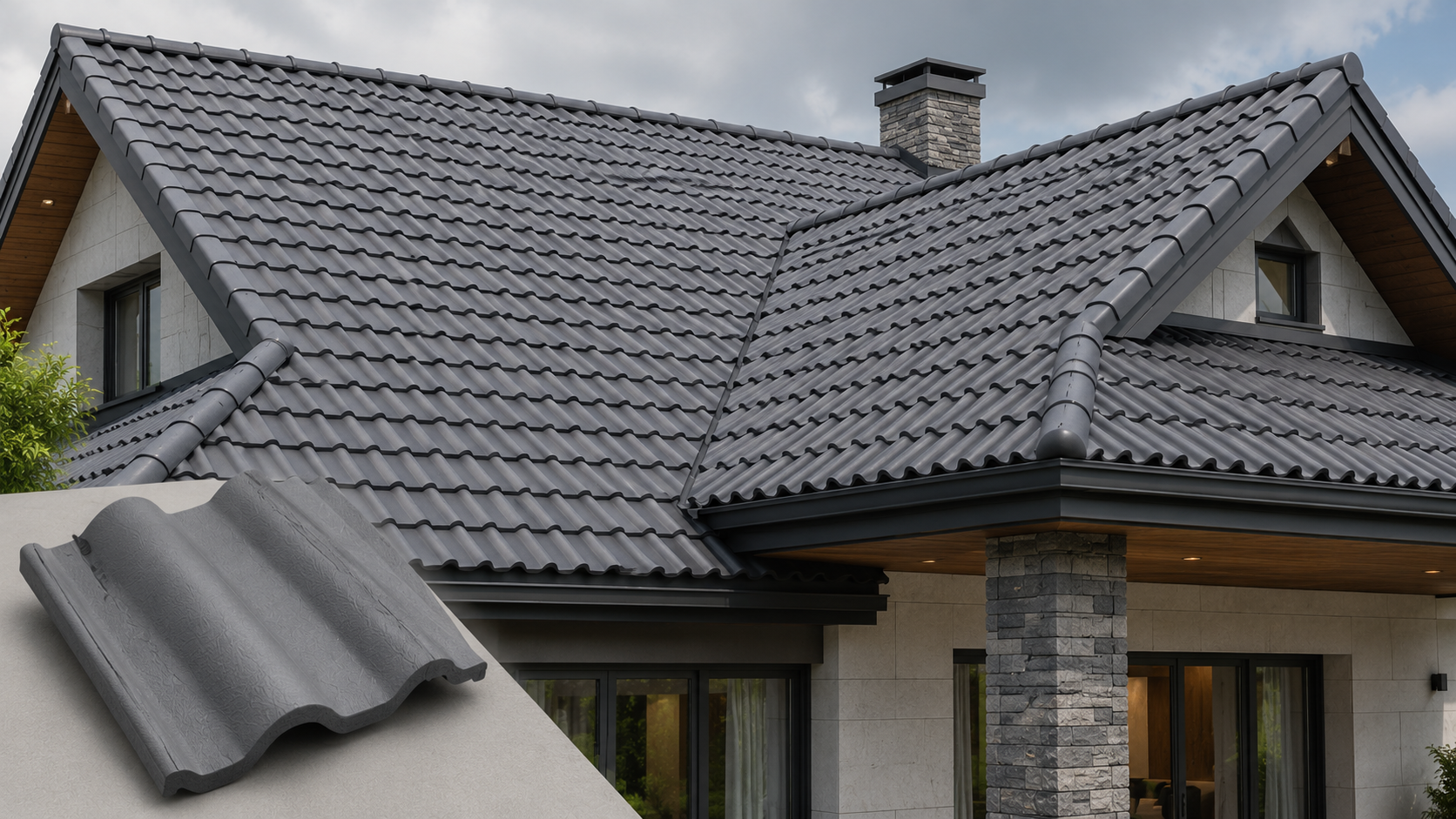


In architecture, design aesthetics often take center stage, but the importance of ventilation is frequently underestimated. Good ventilation is essential for creating healthy and comfortable spaces. It plays a critical role in maintaining good indoor air quality, which directly affects the well-being and productivity of building occupants. Ignoring ventilation in building design can lead to numerous health issues and compromise the overall quality of the indoor environment. This article explores why ventilation matters just as much as design and highlights the necessity of integrating effective ventilation strategies into architectural planning.
Importance of Ventilation in Building Design

Understanding the importance of ventilation is essential for creating healthy, comfortable, and safe indoor environments. Proper ventilation dilutes and removes indoor pollutants such as carbon dioxide, VOCs, dust, and allergens while supplying a steady flow of fresh air that prevents stale or contaminated conditions. By regulating humidity and temperature, good ventilation also minimizes mold growth, reduces airborne illnesses, and supports better respiratory health. Whether through natural or mechanical systems, effective ventilation plays a vital role in maintaining strong indoor air quality and enhancing overall occupant well-being. Prioritizing ventilation in architectural design ensures buildings that are healthier, more sustainable, and better suited to long-term comfort and performance.
Expert Connect
Build cost · Bengaluru, May 2026
Types of Ventilation Systems

Natural and mechanical ventilation are key to creating healthy, energy-efficient indoor spaces, with the right choice depending on climate, building design, and air quality needs. Natural ventilation uses wind and thermal forces to reduce energy use, while mechanical systems ensure consistent airflow and control. Many modern buildings use hybrid solutions, combining both methods along with strategies like cross and stack ventilation or energy recovery systems to improve efficiency, comfort, and indoor air quality. These approaches help regulate indoor temperatures and remove pollutants effectively. Together, they support occupant well-being while promoting sustainable and resilient building design.
Creating a Healthy Indoor Environment

Ventilation rates are critical to indoor air quality, as they control how much fresh outdoor air enters a space, usually measured in air changes per hour (ACH). Adequate ventilation helps dilute indoor pollutants, while air conditioning mainly regulates temperature and humidity by recirculating indoor air. When paired with mechanical ventilation and proper filtration, AC systems can support both comfort and healthier indoor environments. A holistic design approach that includes effective ventilation, low-VOC materials, moisture control, and natural airflow promotes long-term occupant well-being.
Expert Connect
Challenges and Solutions in Ventilation

Common ventilation issues can negatively affect indoor air quality, especially in older buildings with poor airflow or modern airtight structures lacking proper mechanical systems. Poor maintenance often worsens the problem by allowing pollutants to recirculate and reducing system efficiency. Solutions such as ERV, HRV, smart ventilation, and improved natural airflow strategies help enhance air quality while maintaining energy efficiency. Regular maintenance cleaning ducts, replacing filters, and inspecting systems is essential to ensure long-term performance and occupant well-being.
Expert Connect
Frequently asked
Conclusion
Good ventilation isn’t just about letting air in it’s about creating spaces that feel alive, fresh, and comfortable every day. No matter how beautiful a room looks, poor airflow can make it dull, unhealthy, and uncomfortable. By combining smart design with proper ventilation, you ensure that every corner of your home or workspace supports your well-being. Remember, great design doesn’t just please the eyes it lets you breathe better and live better too.
“Design That Inspires, Comfort That Lasts — AECORD’s Promise”
At AECORD, we understand that great design goes beyond aesthetics it’s about building spaces that breathe. Our experts help you plan homes and workplaces that balance beauty, comfort, and healthy living through thoughtful design and efficient ventilation solutions. Because at AECORD, we believe that design should not only inspire it should help you live better.
Frequently Asked Questions
Why is ventilation important in building design?
Proper ventilation is essential for maintaining good indoor air quality by diluting and removing pollutants like carbon dioxide, VOCs, dust, and allergens. It directly affects occupant well-being and productivity by regulating humidity and temperature, minimizing mold growth, and reducing airborne illnesses.
What are the main types of ventilation systems?
The two main types are natural ventilation, which uses wind and thermal forces to reduce energy use, and mechanical ventilation, which ensures consistent airflow and control. Many modern buildings use hybrid solutions that combine both methods along with energy recovery systems for improved efficiency and comfort.
What is the difference between ventilation and air conditioning?
Ventilation controls how much fresh outdoor air enters a space to dilute indoor pollutants, while air conditioning primarily regulates temperature and humidity by recirculating indoor air. When paired together with proper filtration, both systems support occupant comfort and healthier indoor environments.
How is ventilation effectiveness measured in buildings?
Ventilation effectiveness is typically measured in air changes per hour (ACH), which indicates how much fresh outdoor air enters a space. Adequate ventilation rates are critical for diluting indoor pollutants and maintaining optimal indoor air quality.
What creates a healthy indoor environment in architecture?
A holistic design approach that includes effective ventilation systems, low-VOC materials, moisture control, and natural airflow promotes long-term occupant well-being. Combining proper ventilation rates with mechanical systems and filtration ensures both comfort and healthier indoor spaces.