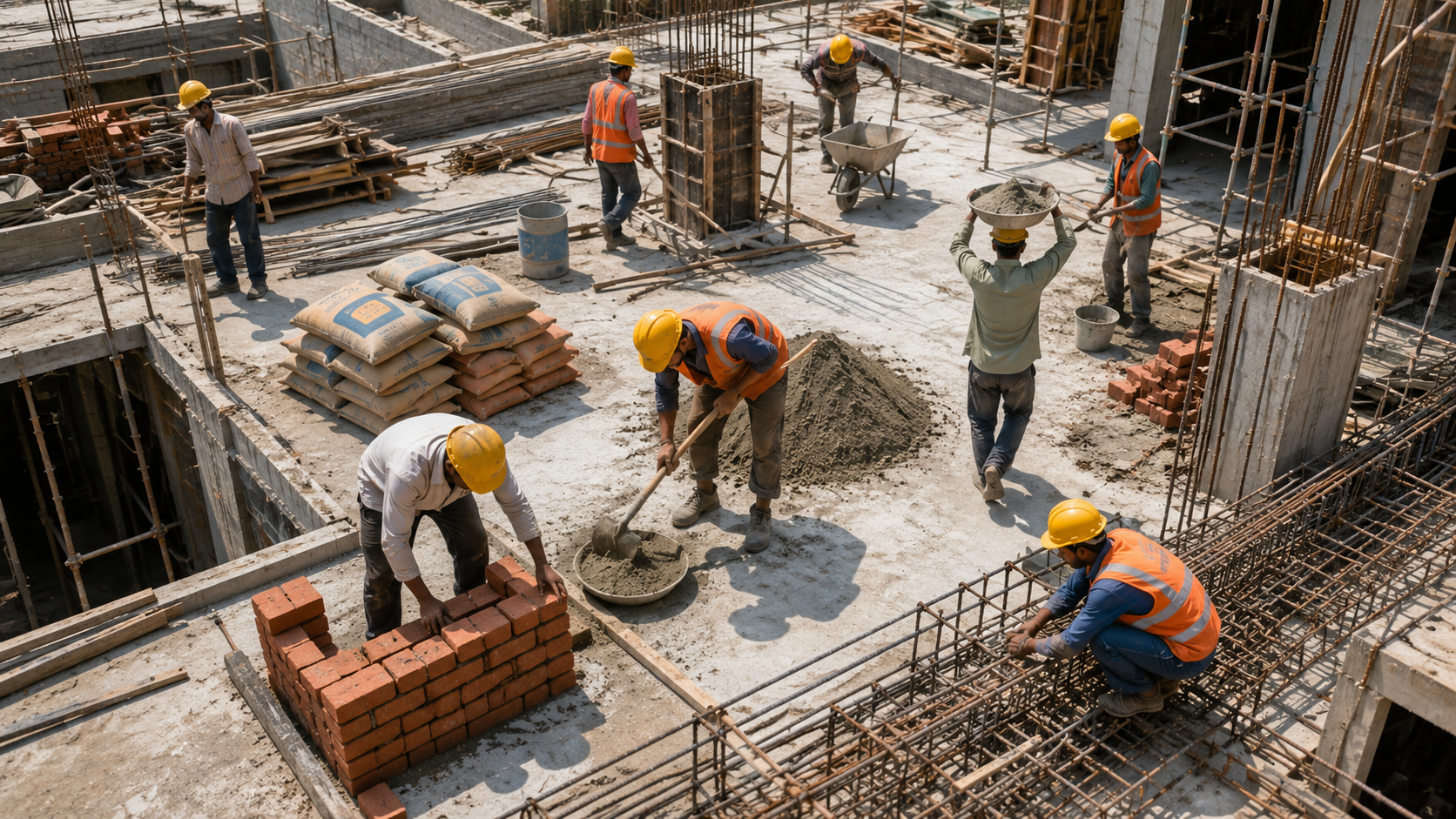
The eternal question that echoes through Indian architecture studios, construction sites, and homeowner discussions is simple yet profound: Can ancient Vastu Shastra principles harmonize with contemporary architectural design? As India's construction industry grows at an unprecedented pace, with projects ranging from residential apartments in Bangalore to commercial complexes in Mumbai, this debate has become increasingly relevant. The answer, as it turns out, is more nuanced than a simple yes or no.
Understanding Vastu Shastra: Ancient Wisdom Meets Modern Interpretation
Vastu Shastra, derived from Sanskrit words "Vastu" (dwelling) and "Shastra" (science), is an ancient Indian architectural science that dates back over 2,000 years. This traditional knowledge system prescribes specific guidelines for designing and constructing buildings to create harmony between the built environment and natural elements./blog/the-brics-climate-stress-test-indias-opportunity-to-reshape-global-climate-finan
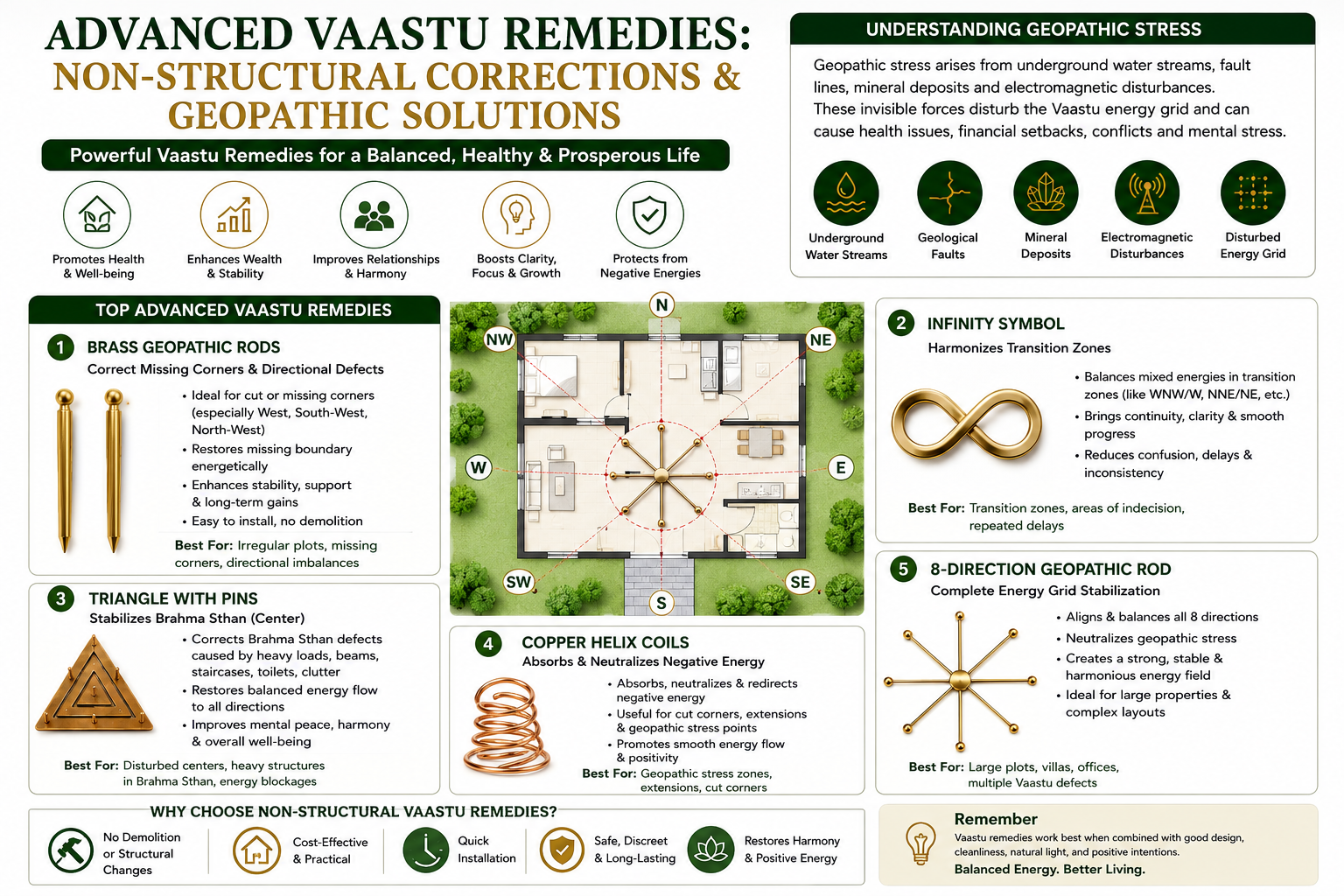
The fundamental principles of Vastu Shastra are based on five elements—earth, water, fire, air, and space—and their interaction with directions and magnetic fields. Traditional Vastu recommends specific placements for rooms, doors, and windows. For instance, the northeast direction is considered auspicious for prayer rooms and water features, while the southwest is ideal for master bedrooms and storage areas.
However, it's important to note that Vastu Shastra lacks scientific validation through modern architectural or engineering standards. No peer-reviewed research has conclusively proven that following Vastu principles directly impacts structural integrity, energy efficiency, or occupant well-being. Yet, its cultural significance in India cannot be dismissed—approximately 70% of Indian homeowners consider Vastu principles when planning their residences, according to various real estate surveys.
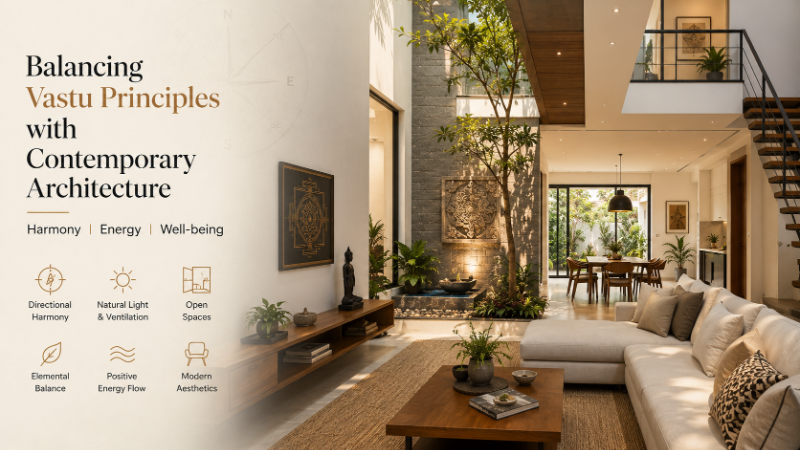
Build cost · Bengaluru, May 2026
Modern Architecture: Principles and Priorities
Contemporary architecture, by contrast, is grounded in scientific principles, building codes, and functional design. Modern architects prioritize factors such as:
Energy Efficiency: Optimal natural lighting, ventilation, and thermal comfort
Structural Safety: Adherence to Indian Standards (IS codes) and National Building Code (NBC)
Space Optimization: Maximizing usable area within budget constraints
Accessibility: Compliance with accessibility standards for persons with disabilities
Sustainability: Green building certifications like LEED, GRIHA, or Indian Green Building Council standards
Cost Efficiency: Rational use of materials and construction methodologies
In cities like Delhi, Pune, and Hyderabad, modern building regulations have become stringent, with municipal corporations requiring compliance with specific codes before granting approval. This scientific approach has resulted in safer, more durable, and environmentally responsible buildings.
The Conflict: Where Do They Clash?
The apparent contradiction between Vastu and modern architecture emerges in several practical scenarios:
Directional Constraints vs. Site Orientation
Vastu principles dictate that main entrances should ideally face north or east, and that certain rooms must be positioned in specific directions. However, modern architects often orient buildings based on solar exposure, prevailing wind patterns, and site topography. In densely populated areas like Mumbai or Bangalore, where land is premium and plots are irregular, following strict directional guidelines becomes nearly impossible. A plot in Bandra, Mumbai, might have its longest side facing west, making strict Vastu compliance impractical.
Frequently asked
Window and Door Placement
Modern architecture emphasizes balanced fenestration for natural light and ventilation, often placing windows and doors based on functional needs and aesthetic considerations. Vastu, however, may restrict certain placements, potentially compromising the building's energy efficiency and natural lighting design.
Open-Plan Layouts vs. Compartmentalized Spaces
Contemporary residential and commercial design increasingly favors open-plan layouts to create flexible, multi-functional spaces. This modern approach directly contradicts traditional Vastu, which advocates for clearly defined, separate rooms with specific purposes.
Vertical Construction and High-Rise Buildings
Vastu principles were developed for single or double-story structures. Applying these principles to modern 20, 30, or 40-story apartment complexes in Gurugram or Pune becomes conceptually challenging. How does one apply directional principles to a building with hundreds of units facing multiple directions?
Can They Coexist? Finding Middle Ground
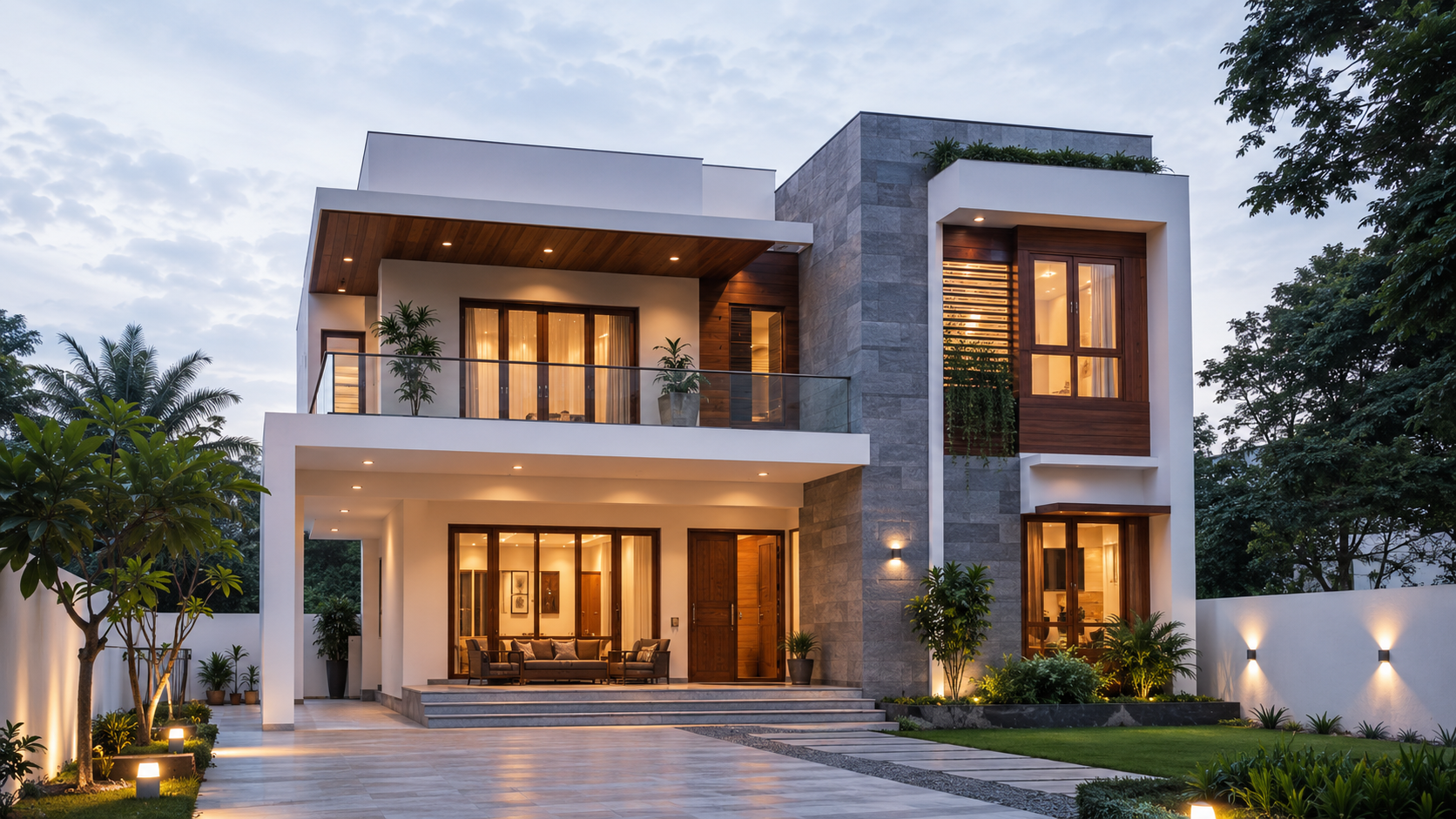
Despite these apparent contradictions, a growing number of architects and developers are finding creative ways to integrate Vastu principles with modern design. This hybrid approach is gaining traction across India's real estate market.
Flexible Interpretation of Vastu
Many contemporary architects adopt a flexible, modernized interpretation of Vastu rather than strict adherence to ancient rules. They focus on the underlying philosophy—creating spaces that feel harmonious and connected to natural elements—rather than rigid directional mandates. This approach allows for:
Positioning the main entrance in the most functional direction while incorporating Vastu-inspired design elements /blog/architect-vs-civil-engineer-difference-india
Using color psychology and material selection aligned with Vastu principles
Creating meditation or prayer spaces even within open-plan layouts
Incorporating water features and natural elements in landscape design
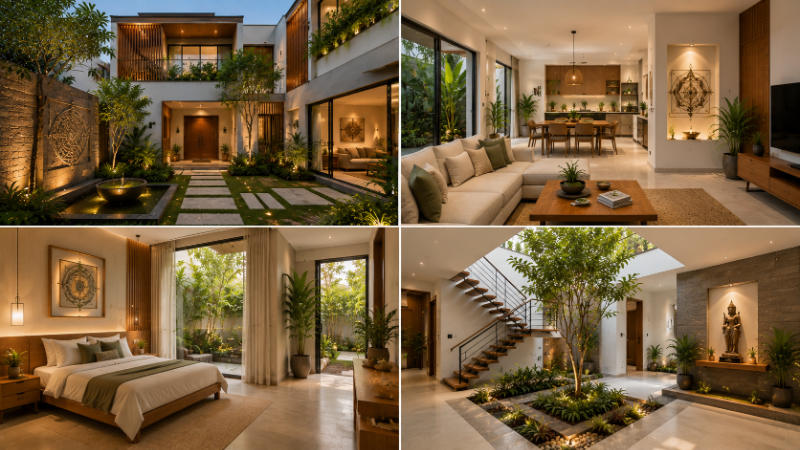
Vastu-Compliant Modern Design Elements
Several design elements can satisfy both Vastu principles and modern architectural requirements:
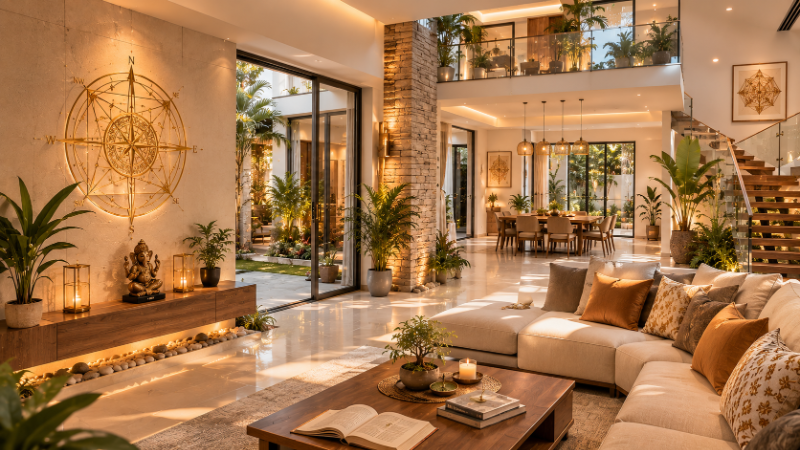
Natural Light and Ventilation: Both Vastu and modern architecture emphasize the importance of natural light and fresh air. Strategic window placement that aligns with cardinal directions can serve both purposes.
Water Features: Vastu traditionally recommends water elements in the northeast. Modern architects can incorporate this through fountains, small ponds, or water walls in landscaping, which also serve aesthetic and cooling functions.
Material Selection: Using natural, locally-sourced materials—a Vastu principle—aligns perfectly with sustainable, modern architectural practices.
Spatial Hierarchy: Vastu's concept of organizing spaces from public to private can be achieved through thoughtful zoning in modern floor plans.
Real-World Examples in India
Several high-profile projects across India have successfully integrated Vastu principles with modern design:
Residential Complexes in Bangalore: Many premium residential projects in Bangalore's IT corridor have incorporated Vastu-compliant design features—such as northeast-facing prayer rooms and southwest-positioned master bedrooms—while maintaining modern, efficient floor plans.
Commercial Spaces in Gurugram: Some office buildings in Gurugram have integrated Vastu principles in their design, including northeast water features and strategic placement of common areas, without compromising on modern office functionality and flexibility.
Wellness Resorts in Goa and Kerala: Luxury wellness resorts increasingly combine Vastu principles with contemporary architecture, creating spaces that appeal to culturally-conscious, affluent clients seeking both tradition and modernity.
The Role of Professionals and Expertise
Successfully merging Vastu and modern architecture requires collaboration between different professionals. Architects need to work alongside Vastu consultants who understand both ancient principles and contemporary constraints. This interdisciplinary approach ensures that cultural values are respected without compromising on safety, functionality, or sustainability.
When planning a construction project in Indian cities—whether in Delhi, Chennai, Kolkata, or Pune—engaging professionals who understand both systems is crucial. Platforms like AECORD connect homeowners and developers with architects and designers who have expertise in integrating traditional and modern approaches. Finding the right professional on AECORD can help bridge this knowledge gap and ensure your project respects cultural values while meeting modern standards.
Regulatory and Cost Implications
It's important to understand that Indian building codes and municipal regulations do not mandate Vastu compliance. The National Building Code of India (NBC) and state-level building regulations focus on structural safety, fire safety, accessibility, and environmental standards—not Vastu principles.
Attempting to strictly follow Vastu while also complying with modern building codes can increase project costs by 5-15%, depending on the complexity of design modifications required. In expensive markets like Mumbai or Bangalore, where land costs range from ₹5 lakh to ₹2 crore per square meter, this additional expense can be significant.
However, a balanced approach that selectively incorporates Vastu elements need not significantly increase costs. Many Vastu-aligned design features—such as optimal window placement or strategic landscaping—can be achieved within standard architectural budgets.
Cultural Significance and Market Demand
From a real estate market perspective, Vastu compliance has become a significant selling point. Developers marketing properties in India often highlight Vastu-compliant design as a premium feature. This is particularly true in markets like Delhi, Mumbai, and Bangalore, where affluent buyers are willing to pay a premium for homes that align with their cultural values.
Interestingly, this market demand has created a new niche for architects and designers who specialize in Vastu-integrated modern design. These professionals command higher fees but are increasingly in demand as more Indians seek to balance tradition with modernity.
Looking Forward: The Future of Vastu in Modern Architecture
As India's construction industry continues to evolve, the integration of Vastu principles with modern architecture is likely to become more sophisticated. Several trends are emerging:
Technology Integration: Digital tools and 3D visualization are making it easier to test Vastu compliance before construction begins
Sustainable Vastu: New interpretations of Vastu that align with sustainability goals and green building standards
Personalized Approaches: Moving away from one-size-fits-all Vastu rules toward customized solutions based on individual needs and site constraints
Academic Recognition: Increasing interest in Vastu from architectural schools and research institutions across India
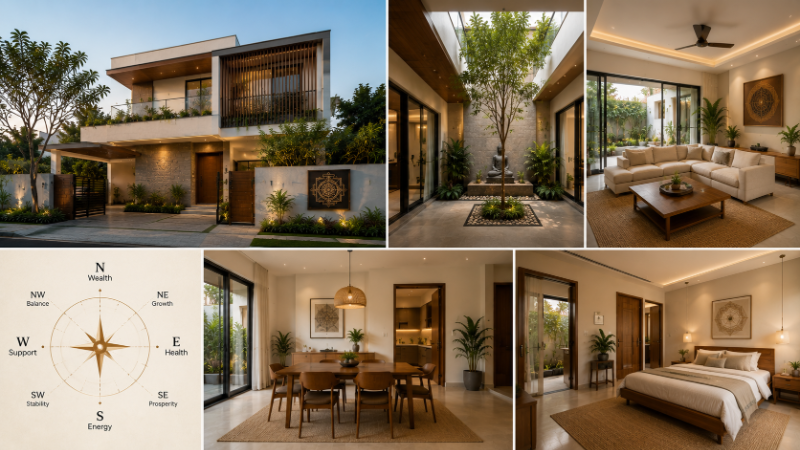
Practical Recommendations for Your Project
If you're planning a construction project in India and want to incorporate Vastu principles alongside modern design, consider these practical steps:
Define Your Priorities: Determine which Vastu principles are most important to you and which can be flexible
Assess Your Site: Analyze your plot's orientation, shape, and local regulations to understand constraints
Engage Qualified Professionals: Work with architects experienced in integrating Vastu with modern design, and consider consulting with a Vastu expert
Plan Early: Address Vastu considerations during the initial design phase, not after plans are finalized
Budget Realistically: Include potential costs for design modifications that accommodate both systems
Verify Compliance: Ensure all designs comply with local building codes and municipal regulations
Conclusion: Harmony is Possible
The answer to whether Vastu Shastra and modern architecture can coexist is a resounding yes—but with important caveats. They can coexist when approached with flexibility, understanding, and professional expertise. Rather than viewing them as opposing forces, contemporary Indian architects are increasingly treating them as complementary systems that can enhance each other.
Modern architecture provides the scientific rigor, safety standards, and functional efficiency that buildings require to serve their occupants well. Vastu Shastra, when interpreted intelligently, offers cultural continuity, aesthetic principles, and a philosophical framework that many Indians find meaningful and grounding.
The key lies in finding balance—honoring cultural traditions without compromising on safety, sustainability, or functionality. This balanced approach is becoming the hallmark of thoughtful, contemporary Indian architecture.
Whether you're planning a residential project in Pune, a commercial space in Bangalore, or a mixed-use development in Delhi, the professionals you choose will determine how successfully these two systems can work together. If you're looking for architects and designers who understand both Vastu principles and modern architectural standards, consider exploring AECORD. The platform connects you with experienced professionals across India who specialize in creating spaces that respect tradition while embracing contemporary design. Start your search on AECORD today and find the right expert to bring your vision to life.
Frequently Asked Questions
Can Vastu Shastra principles be followed in modern architecture?
Yes, Vastu Shastra and modern architecture can coexist, though it requires compromise. While Vastu lacks scientific validation through modern standards, its cultural significance means approximately 70% of Indian homeowners consider it when planning residences. Architects can integrate non-conflicting Vastu principles with contemporary design requirements.
What are the main conflicts between Vastu Shastra and modern building design?
Key conflicts include directional constraints (Vastu's specific room placements vs. modern solar orientation needs), window/door placement preferences, and space optimization requirements. In dense urban areas like Mumbai and Bangalore, irregular plots and land premium make strict Vastu compliance impractical with modern building codes.
Is Vastu Shastra scientifically proven to affect building performance?
No, Vastu Shastra lacks scientific validation through peer-reviewed research or modern architectural standards. There is no conclusive evidence that following Vastu principles directly impacts structural integrity, energy efficiency, or occupant well-being, though it remains culturally significant in India.
What does modern architecture prioritize in building design?
Modern architecture prioritizes energy efficiency, structural safety compliance with Indian Standards (IS codes) and National Building Code (NBC), space optimization, accessibility standards, sustainability certifications (LEED, GRIHA), and cost efficiency—all based on scientific principles and functional design.
How do architects balance Vastu requirements with building regulations?
Architects balance these by identifying non-conflicting Vastu principles that align with modern requirements, such as directional room placements that don't compromise solar orientation or ventilation. In constrained urban sites, they prioritize building codes and safety standards while incorporating Vastu elements where feasible without compromising structural or functional integrity.
Frequently Asked Questions
Can Vastu Shastra principles be followed in modern architecture?
Yes, Vastu Shastra and modern architecture can coexist, though it requires compromise. While Vastu lacks scientific validation through modern standards, its cultural significance means approximately 70% of Indian homeowners consider it when planning residences. Architects can integrate non-conflicting Vastu principles with contemporary design requirements.
What are the main conflicts between Vastu Shastra and modern building design?
Key conflicts include directional constraints (Vastu's specific room placements vs. modern solar orientation needs), window/door placement preferences, and space optimization requirements. In dense urban areas like Mumbai and Bangalore, irregular plots and land premium make strict Vastu compliance impractical with modern building codes.
Is Vastu Shastra scientifically proven to affect building performance?
No, Vastu Shastra lacks scientific validation through peer-reviewed research or modern architectural standards. There is no conclusive evidence that following Vastu principles directly impacts structural integrity, energy efficiency, or occupant well-being, though it remains culturally significant in India.
What does modern architecture prioritize in building design?
Modern architecture prioritizes energy efficiency, structural safety compliance with Indian Standards (IS codes) and National Building Code (NBC), space optimization, accessibility standards, sustainability certifications (LEED, GRIHA), and cost efficiency—all based on scientific principles and functional design.
How do architects balance Vastu requirements with building regulations?
Architects balance these by identifying non-conflicting Vastu principles that align with modern requirements, such as directional room placements that don't compromise solar orientation or ventilation. In constrained urban sites, they prioritize building codes and safety standards while incorporating Vastu elements where feasible without compromising structural or functional integrity.