


When Do You Need a Structural Engineer in India?
Whether you're planning to construct a new building, renovate an existing structure, or deal with structural concerns in your property, understanding when to hire a structural engineer is crucial. In India, structural engineers play a vital role in ensuring that buildings are safe, durable, and compliant with local building codes. This comprehensive guide will help you identify the situations where professional structural engineering expertise becomes essential.
Build cost · Bengaluru, May 2026
Understanding the Role of a Structural Engineer
A structural engineer is a professional who designs and analyzes building structures to ensure they can safely support loads and resist environmental forces. In India, structural engineers must be registered with the Council of Architecture (CoA) or hold relevant engineering qualifications recognized by the All India Council for Technical Education (AICTE).
Their responsibilities include:
Designing load-bearing systems for buildings
Calculating structural capacity and safety factors
Ensuring compliance with Indian Standards (IS codes)
Inspecting structures for defects and damage
Preparing structural drawings and specifications
Overseeing construction quality and safety
Legal Requirements for Structural Engineers in India
Building Regulations and Codes
India follows the National Building Code (NBC) and various Indian Standards (IS codes) for construction. The most relevant codes include:
IS 1893:2016 - Criteria for Earthquake Resistant Design of Structures
IS 875:2015 - Code of Practice for Design Loads for Buildings and Structures
IS 456:2000 - Plain and Reinforced Concrete Code of Practice
IS 800:2007 - Code of Practice for General Construction in Steel
Most municipal corporations and local authorities in India mandate structural engineer approval for building permits, especially for multi-story constructions. For instance, the Municipal Corporation of Greater Mumbai (MCGM), Bangalore Development Authority (BDA), and Delhi Development Authority (DDA) all require structural design certificates from registered professionals.
Frequently asked
Mandatory vs. Optional Requirements
While regulations vary by state and local jurisdiction, structural engineer involvement is typically mandatory for:
Buildings exceeding 15 meters in height
Multi-story residential or commercial structures
Buildings in seismic zones (especially zones III, IV, and V)
Structures with unconventional designs
Industrial facilities and factories
Specific Situations When You Need a Structural Engineer
New Construction Projects
For any new building project in India, hiring a structural engineer early in the design phase is essential. This includes:
Residential Buildings: Even 2-3 story independent houses in earthquake-prone zones require structural design approval. In metros like Bangalore, Mumbai, and Delhi, structural engineer certification is mandatory for obtaining building permits.
Commercial Projects: Office buildings, shopping malls, and retail spaces always require structural engineering expertise.
Mixed-Use Developments: Projects combining residential, commercial, and retail spaces need comprehensive structural planning.
The cost of hiring a structural engineer for new construction typically ranges from ₹50,000 to ₹5,00,000+ depending on project complexity and built-up area. For a 2,000 sq. ft. residential property, expect to budget ₹80,000 to ₹1,50,000 for structural design services.
Renovation and Modification Projects
When you plan significant changes to an existing structure, structural assessment becomes necessary:
Load-bearing Wall Removal: If you want to remove or alter walls to create open spaces, a structural engineer must design alternative support systems like beams or columns.
Additional Floors: Adding stories to an existing building requires analysis of foundation capacity and vertical load distribution.
Structural Repairs: Significant cracks, settlement issues, or water damage may indicate structural problems requiring professional assessment.
Change of Use: Converting a residential space to commercial use may involve different load requirements.
Renovation projects typically cost ₹30,000 to ₹2,00,000 for structural engineering services, depending on the scope and complexity.
Structural Damage and Defects
If you notice any of these warning signs, consult a structural engineer immediately:
Large or widening cracks in walls (more than 5mm width)
Diagonal cracks indicating shear stress
Bulging or bowing walls
Sagging floors or ceilings
Doors and windows that no longer fit properly
Settlement or subsidence issues
Water seepage affecting structural integrity
Visible corrosion of steel reinforcement
A structural audit typically costs ₹20,000 to ₹1,00,000, depending on building size and complexity. For a 2,000 sq. ft. apartment, budget around ₹30,000 to ₹50,000 for a detailed assessment.
Earthquake-Prone Areas
India is divided into seismic zones I through V, with zones IV and V being most vulnerable. If your property is in:
Zone V (High Risk): Parts of northeastern India, Himalayas, and western coastal regions. Structural engineer involvement is critical.
Zone IV (Moderate-High Risk): Parts of Gujarat, Uttarakhand, and northern regions. Professional design is essential.
Zone III (Moderate Risk): Central and southern regions. Still recommended for multi-story buildings.
Even for existing buildings in seismic zones, getting a structural audit and seismic vulnerability assessment is highly recommended. This can cost ₹40,000 to ₹2,00,000 depending on building size.
Large-Scale Renovations and Retrofitting
If you're planning major upgrades to aging buildings, structural engineers help with:
Seismic retrofitting to improve earthquake resistance
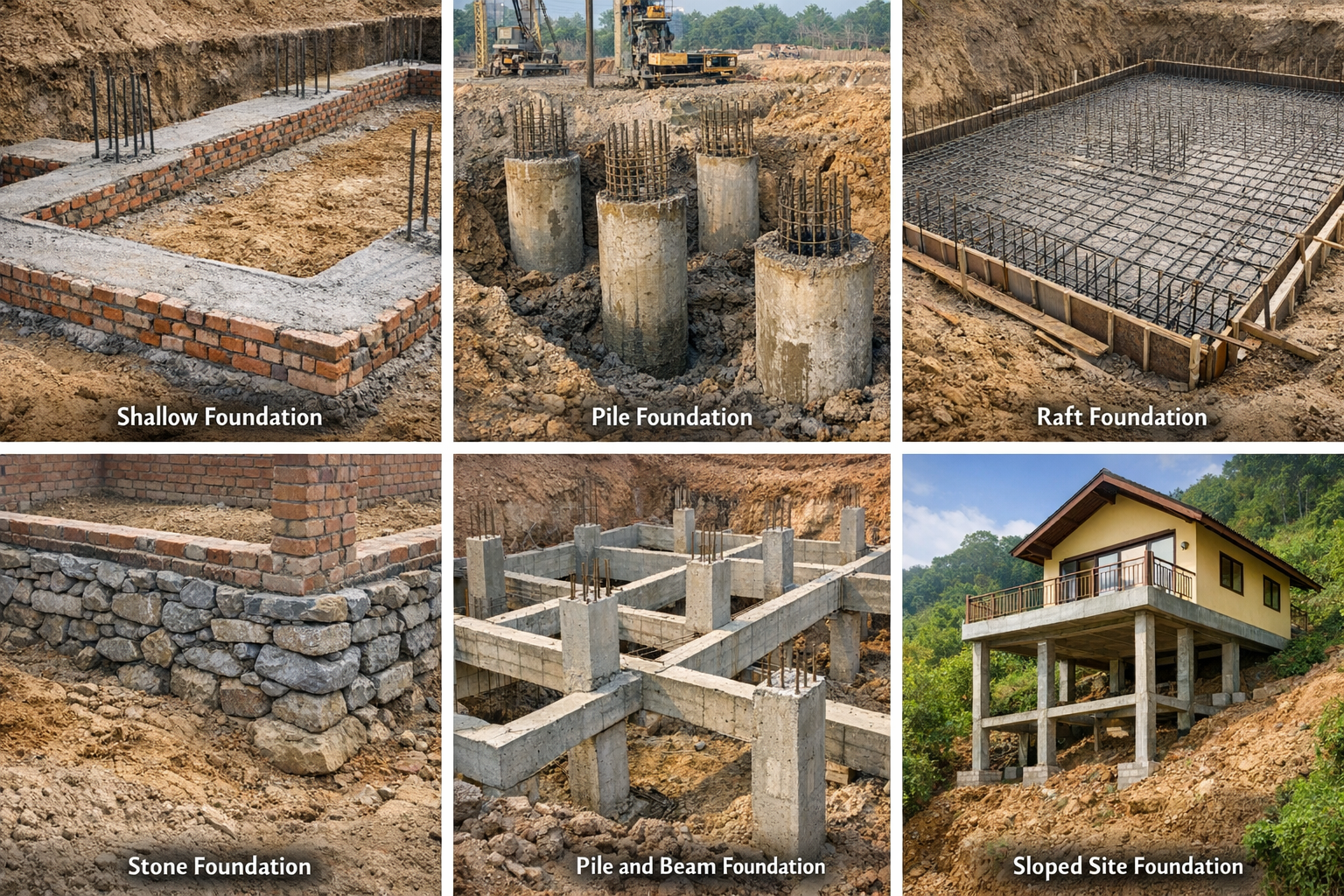
Foundation strengthening
Structural repair and rehabilitation
Load capacity upgrades
Retrofitting costs can range from ₹500 to ₹2,000 per sq. ft., with structural engineering fees typically 5-10% of total project cost.
Situations Where Structural Engineer Consultation is Highly Recommended
Purchasing Property
Before buying an older property, consider hiring a structural engineer for inspection. This is particularly important for:
Buildings older than 20-30 years
Properties showing visible structural issues
Buildings in flood-prone or high-rainfall areas
Properties with unauthorized construction or modifications
A pre-purchase structural inspection costs ₹15,000 to ₹50,000 and can save you from expensive repairs later.
Insurance and Loan Purposes
Some insurance companies and banks require structural certification for:
Home loans on older properties
Structural damage insurance claims
Commercial property financing
Unauthorized Construction Regularization
If you have unauthorized additions or modifications, a structural engineer's certificate may be needed for regularization with local authorities. This is common in Indian cities where many properties have illegal extensions.
Cost Considerations for Structural Engineering Services in India
Fee Structure
Structural engineers in India typically charge based on:
Percentage of Project Cost: Usually 1-3% for new construction
Per Square Foot: ₹5 to ₹50 per sq. ft. depending on complexity
Fixed Fee: ₹50,000 to ₹5,00,000+ for complete design and supervision
Hourly Rate: ₹1,000 to ₹5,000 per hour for consultations
Sample Cost Breakdown
Project Type | Built-up Area | Estimated Cost (INR) |
|---|---|---|
Independent House Design | 2,000 sq. ft. | ₹80,000 - ₹1,50,000 |
Apartment Building (5-10 floors) | 50,000 sq. ft. | ₹5,00,000 - ₹15,00,000 |
Commercial Building | 20,000 sq. ft. | ₹3,00,000 - ₹10,00,000 |
Structural Audit | 2,000 sq. ft. | ₹30,000 - ₹50,000 |
Load-bearing Wall Removal Design | Single Room | ₹20,000 - ₹40,000 |
Seismic Assessment | 5,000 sq. ft. | ₹50,000 - ₹1,00,000 |
Finding the Right Structural Engineer in India
Qualifications to Look For
Bachelor's degree in Civil/Structural Engineering from AICTE-approved institution
Registration with Professional Bodies (if applicable in your state)
Experience in your specific project type
Knowledge of local building codes and regulations
Familiarity with seismic design if in earthquake zones
Where to Find Structural Engineers
You can find qualified structural engineers through:
AECORD Marketplace: India's leading B2B2C AECO marketplace where you can connect with verified structural engineers, compare their expertise, and view past projects and client reviews.
Local architectural firms and construction companies
Professional networks and engineering associations
Referrals from contractors and builders
Municipal corporation approved consultant lists
When selecting through platforms like AECORD, you can review portfolios, check certifications, and read client feedback to make an informed decision.
Questions to Ask Before Hiring
How many years of experience do you have with similar projects?
Are you familiar with local building bylaws and regulations?
What is your fee structure and total project cost estimate?
Will you provide regular site supervision during construction?
What software and tools do you use for design?
Can you provide references from previous clients?
Are you available for post-construction consultations?
Timeline Expectations
The time required for structural engineering services varies:
Structural Design (New Building): 2-8 weeks depending on complexity
Structural Audit: 3-7 days for site inspection, 1-2 weeks for report
Design Modification: 1-3 weeks
Seismic Assessment: 2-4 weeks
Site Supervision: Ongoing throughout construction phase
Regulatory Compliance and Approvals
Once your structural engineer completes the design, you'll need to:
Submit structural drawings to local municipal authorities
Obtain building permission/sanction
Get structural design approved by the Chief Building Surveyor
Maintain compliance during construction
Obtain completion certificate after construction
The approval timeline in major Indian cities typically ranges from 2-8 weeks, depending on the local authority and project complexity.

Common Mistakes to Avoid
Hiring too late: Consult a structural engineer during planning, not after construction begins.
Choosing based on cost alone: The cheapest option may not provide quality design or proper site supervision.
Ignoring local regulations: Each city has different requirements; ensure your engineer knows local bylaws.
Skipping inspections: Regular site inspections prevent costly errors during construction.
Not getting written agreements: Always have a clear contract defining scope, fees, and timeline.
Neglecting seismic considerations: Even in moderate seismic zones, proper earthquake-resistant design is essential.
Conclusion
Hiring a structural engineer in India is not just a legal requirement for many projects—it's an investment in safety, durability, and compliance. Whether you're building new, renovating, or addressing structural concerns, professional expertise ensures your structure meets Indian standards and can safely serve its intended purpose for decades.
The cost of hiring a structural engineer is minimal compared to the potential expenses of structural failures, legal issues, or insurance complications. By understanding when to seek professional help and how to find the right expert, you can ensure your construction project is built on solid ground—literally and figuratively.
FAQ
Is a structural engineer mandatory for a 2-story independent house in India?
It depends on your location. In major metros like Mumbai, Bangalore, and Delhi, structural engineer certification is mandatory for building permits. However, in smaller towns, it may only be required if your area falls in seismic zones III, IV, or V. Check with your local municipal authority to confirm requirements. Even if not mandatory, it's highly recommended for safety and compliance with Indian Standards.
How much does a structural engineer cost for a residential building in India?
For a 2,000 sq. ft. independent house, expect to pay ₹80,000 to ₹1,50,000 for complete structural design and drawings. For apartment buildings, costs typically range from ₹1-3% of the total project cost. Structural audits and inspections are cheaper, usually costing ₹20,000 to ₹50,000 for residential properties. Prices vary based on location, complexity, and the engineer's experience.
What are the warning signs that I need a structural engineer's assessment?
Seek immediate structural assessment if you notice: large or widening cracks (more than 5mm), diagonal cracks, bulging walls, sagging floors, doors/windows that don't fit properly, visible settlement, water seepage affecting structure, or corrosion of steel reinforcement. These signs indicate potential structural problems that require professional evaluation.
Can I use AECORD to find a structural engineer?
Yes, AECORD is India's leading B2B2C AECO marketplace where you can find verified structural engineers. The platform allows you to compare professionals based on their experience, past projects, certifications, and client reviews. You can request quotes, view portfolios, and connect directly with engineers suited to your project requirements.
How long does structural design approval take in Indian cities?
The approval timeline varies by city and project complexity. In major metros like Mumbai and Delhi, expect 2-8 weeks for municipal approval after submitting structural drawings. This includes review by the Chief Building Surveyor and other relevant departments. Some cities may take longer, so it's best to check with your local municipal corporation for specific timelines.
```