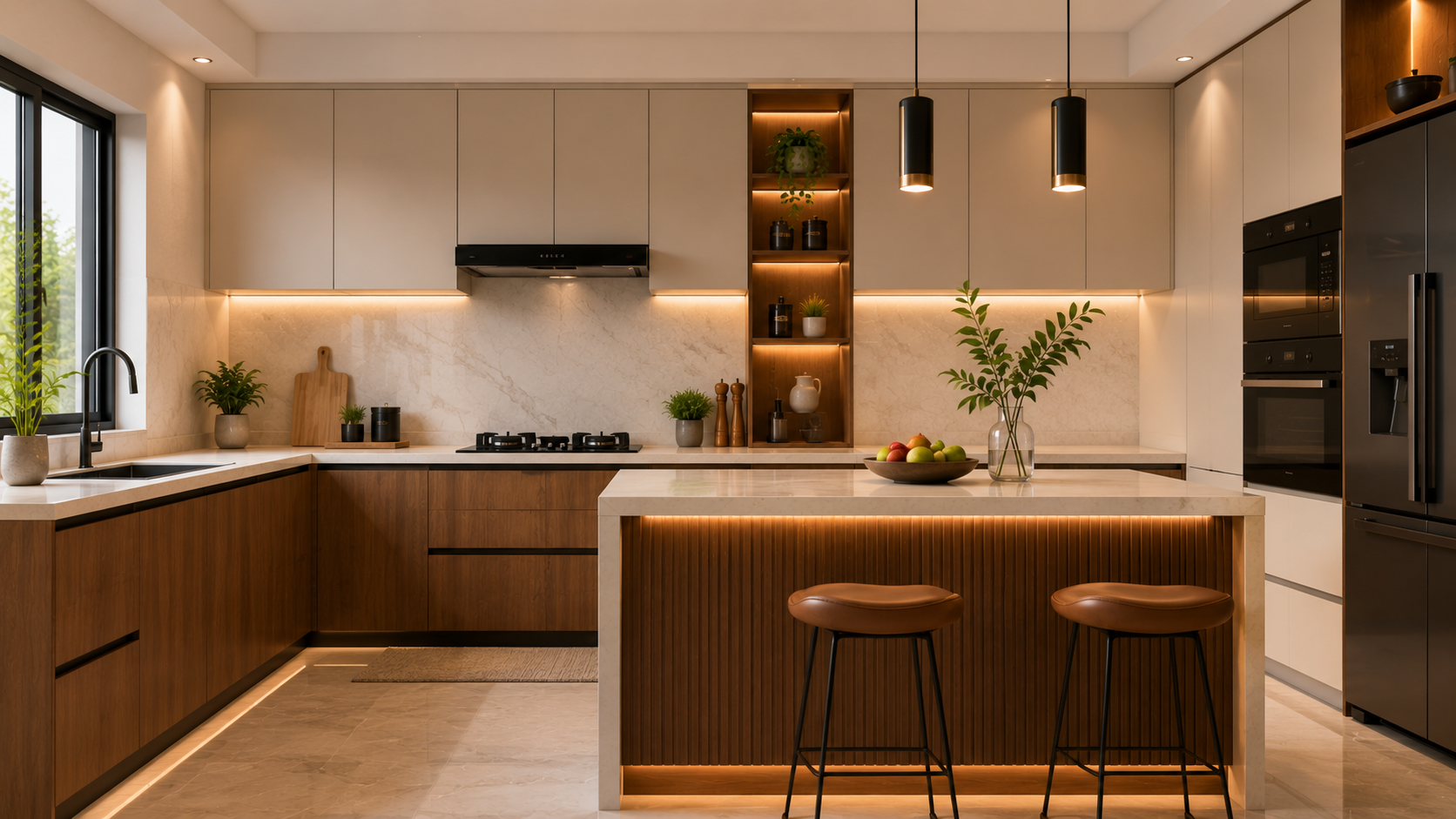


When it comes to flooring solutions for residential and commercial spaces in India, the choice between vitrified tiles and ceramic tiles is one of the most common decisions property owners and architects face. Both options have their merits, and understanding the key differences can help you make an informed decision that aligns with your project requirements, budget, and aesthetic preferences.
In this comprehensive guide, we'll explore the characteristics, advantages, disadvantages, and practical applications of both vitrified and ceramic tiles to help you determine which option is best suited for your specific needs.
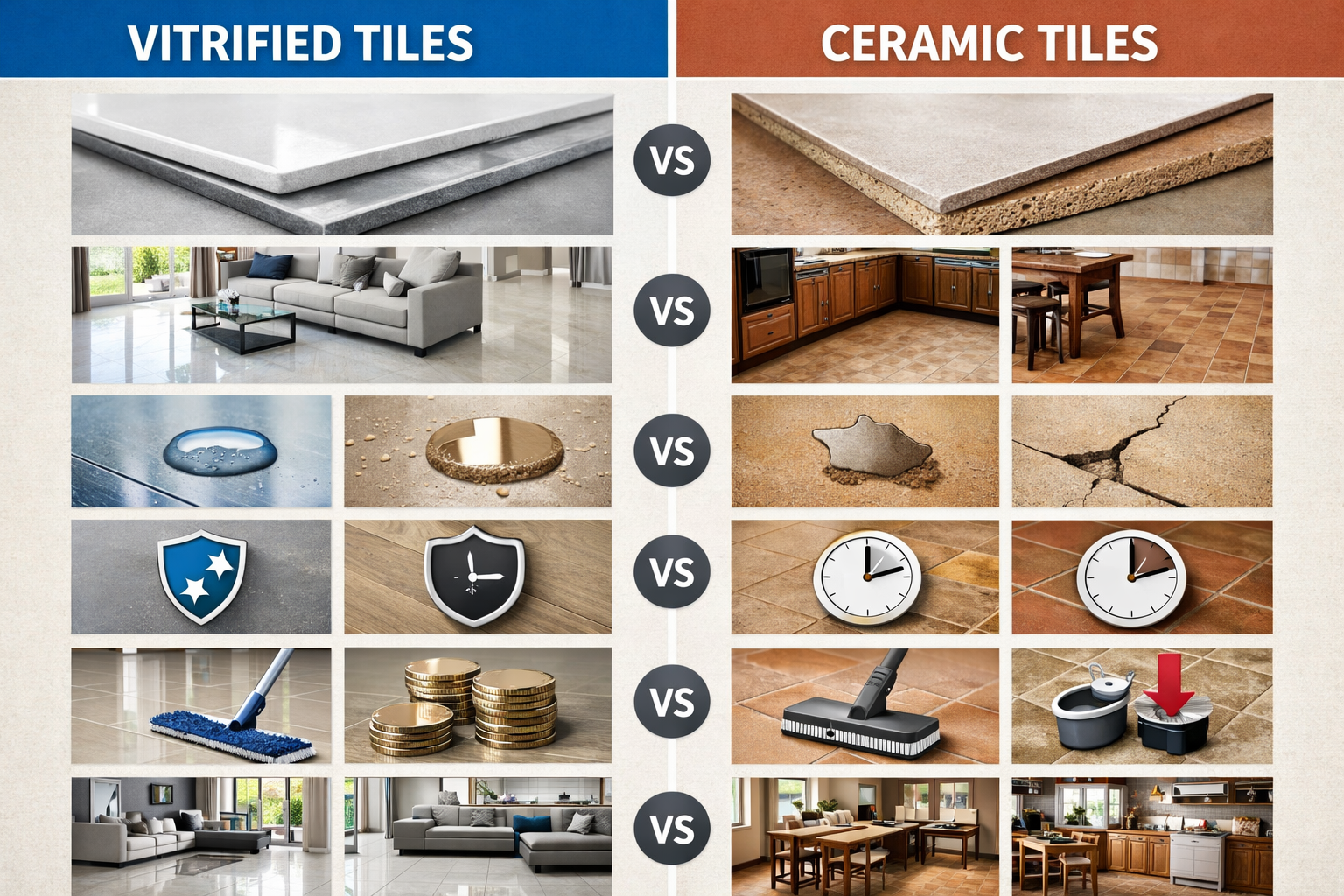
Understanding the Basics: What Are Vitrified and Ceramic Tiles?
Build cost · Bengaluru, May 2026
Ceramic Tiles: Definition and Composition
Ceramic tiles are made from natural clay that is mixed with water and other materials, shaped, and then fired in a kiln at temperatures ranging from 1,000 to 1,150 degrees Celsius. The firing process hardens the clay, creating a durable product that has been used for centuries in construction and design.
The composition of ceramic tiles typically includes clay, feldspar, and silica. These materials are carefully selected and processed to create tiles with specific properties. The porous nature of ceramic tiles means they absorb water more readily than vitrified alternatives, which is an important consideration for installation in wet areas.
Vitrified Tiles: Definition and Composition
Vitrified tiles are manufactured using a similar process to ceramic tiles but with a crucial difference: they are fired at much higher temperatures, typically between 1,200 and 1,250 degrees Celsius. This higher temperature causes the materials to vitrify, or fuse together at a molecular level, creating a non-porous, glass-like surface.
Vitrified tiles are made from a mixture of clay, feldspar, quartz, and other minerals. The vitrification process creates a denser, more durable product with significantly lower water absorption rates. This fundamental difference in manufacturing and composition leads to distinct performance characteristics that make each type suitable for different applications.
Key Differences Between Vitrified and Ceramic Tiles
Frequently asked
Water Absorption Rate
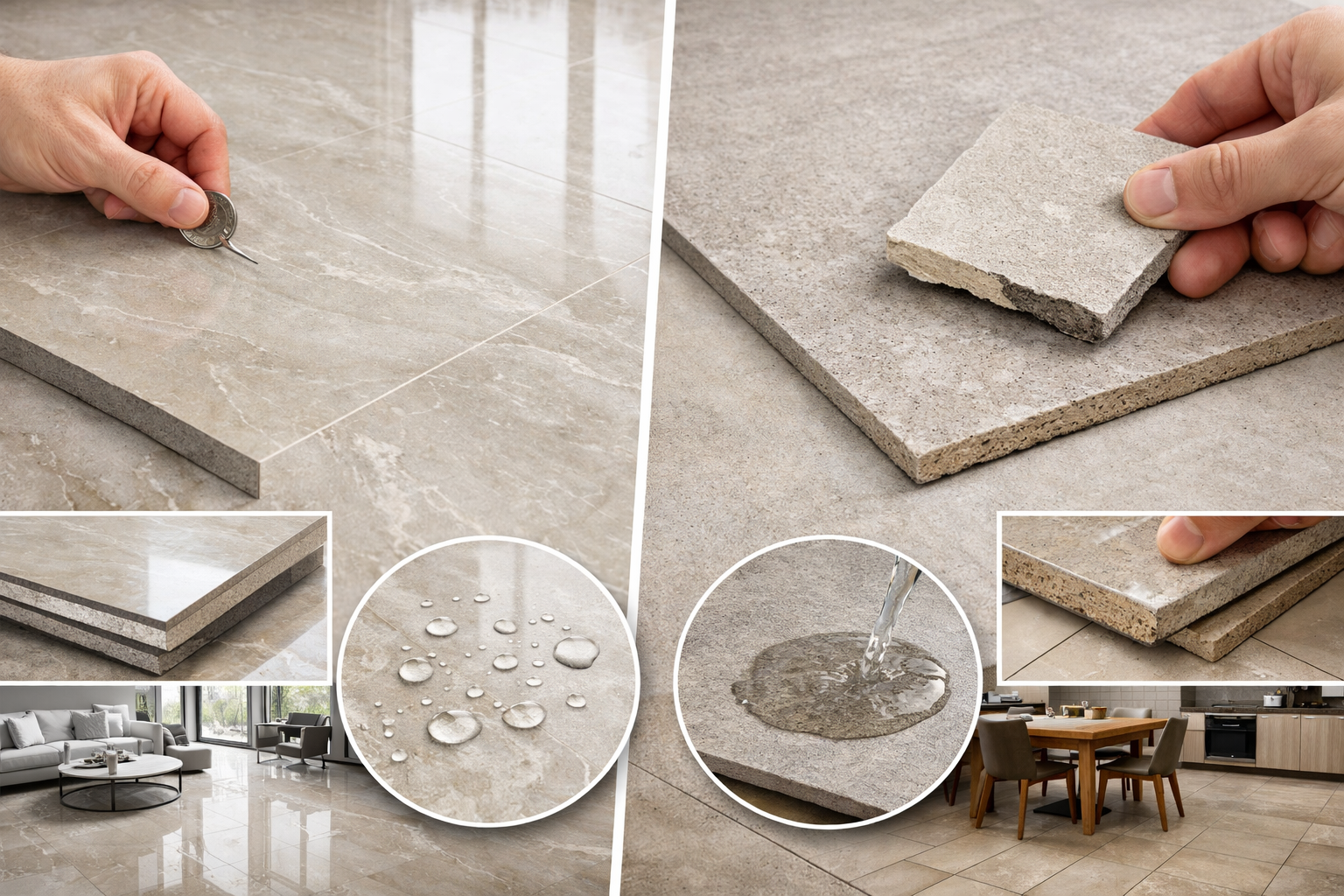
One of the most significant differences between these two tile types is their water absorption capacity. Ceramic tiles typically absorb between 5-10% of water, while vitrified tiles absorb less than 0.5% of water. This makes vitrified tiles substantially more water-resistant and suitable for areas prone to moisture.
For spaces like bathrooms, kitchens, and outdoor areas in Indian cities with high humidity levels such as Mumbai, Bangalore, and Hyderabad, vitrified tiles offer superior protection against water damage, staining, and the growth of mold and mildew.
Durability and Strength
Vitrified tiles are significantly harder and more durable than ceramic tiles due to the higher firing temperature and the resulting non-porous surface. They have a Mohs hardness rating of 7-8, compared to ceramic tiles which typically rate between 4-6. This means vitrified tiles are more resistant to scratching, chipping, and wear from foot traffic.
In high-traffic commercial spaces, shopping malls, and office buildings across Indian metros, vitrified tiles maintain their appearance and structural integrity far better than ceramic tiles over extended periods.
Stain Resistance
Because vitrified tiles are non-porous, they resist staining much more effectively than ceramic tiles. Liquids and oils sit on the surface of vitrified tiles rather than seeping into the material, making them easier to clean and maintain. Ceramic tiles, being porous, can absorb liquids and stains, requiring more frequent sealing and maintenance.
Aesthetic Options
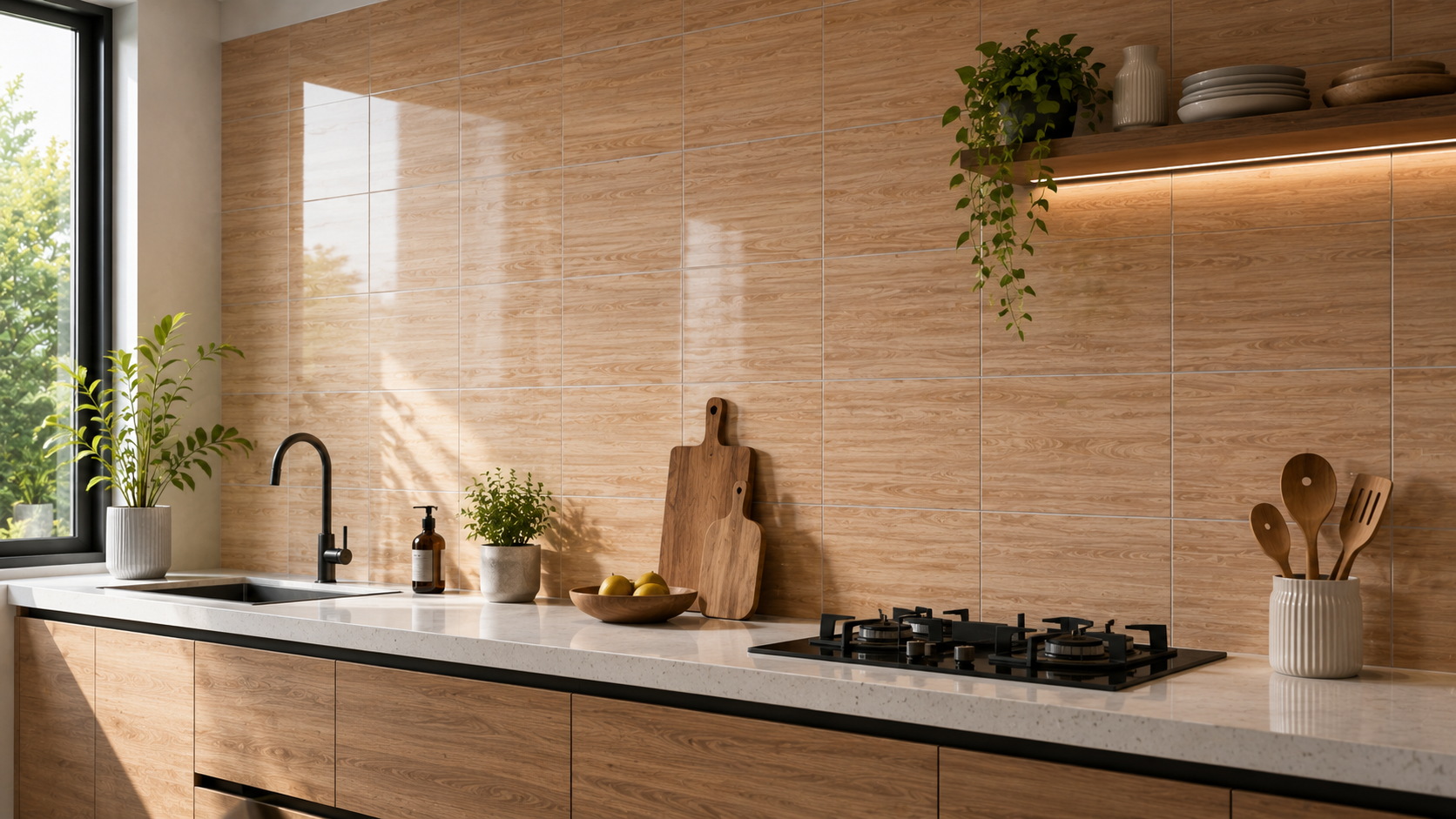
Ceramic tiles offer a wider range of design possibilities, including hand-painted designs, intricate patterns, and artistic finishes. They are often preferred for decorative applications and interior design that requires unique, customized aesthetics. However, vitrified tiles have significantly improved in design options over recent years and now offer an extensive range of colors, patterns, and finishes including wood-look, stone-look, and marble-look designs.
Cost Comparison: Vitrified vs. Ceramic Tiles in India
Initial Purchase Price
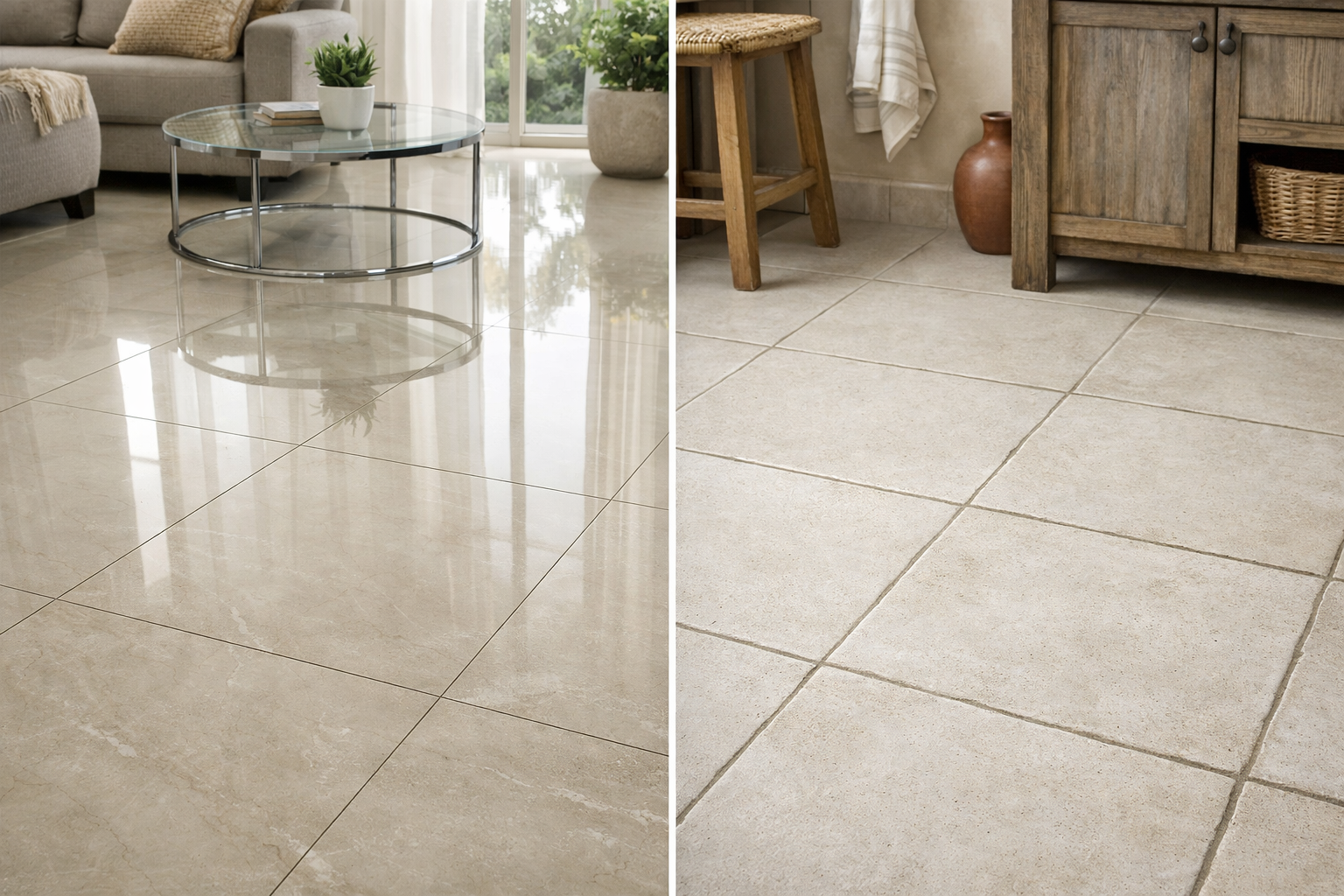
Ceramic tiles are generally more affordable than vitrified tiles. In the Indian market, ceramic tiles typically range from ₹50 to ₹200 per square foot, depending on quality, brand, and design. Vitrified tiles, on the other hand, usually cost between ₹100 to ₹400 per square foot.
For a 1,000 square foot residential space, choosing ceramic tiles might save ₹50,000 to ₹200,000 compared to vitrified tiles. However, this initial cost difference should be evaluated against long-term maintenance expenses and durability.
Installation and Maintenance Costs
While vitrified tiles have a higher upfront cost, they often prove more economical in the long run. Installation costs are similar for both types, typically ranging from ₹15 to ₹30 per square foot in major Indian cities. However, maintenance costs differ significantly.
Ceramic tiles require more frequent sealing (every 1-2 years) and more intensive cleaning to prevent staining and water damage. Vitrified tiles require minimal maintenance—typically just regular sweeping and occasional mopping with mild detergent. This difference in maintenance can result in savings of ₹5,000 to ₹15,000 annually for residential properties.
Performance Characteristics in Different Applications
Bathroom and Wet Areas
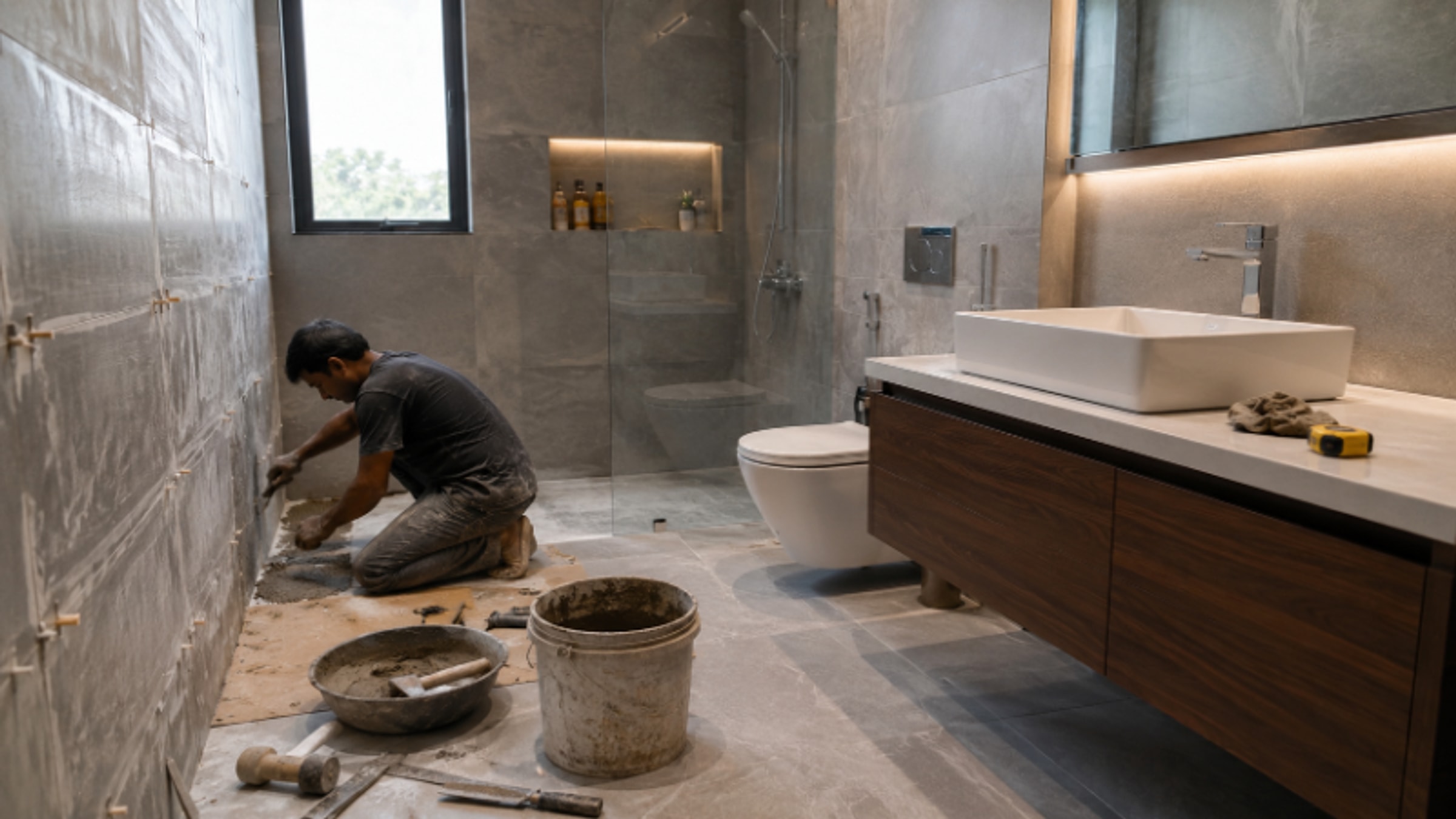
For bathrooms, where moisture exposure is constant, vitrified tiles are the superior choice. Their low water absorption rate prevents moisture from penetrating the substrate, reducing the risk of mold growth, structural damage, and tile deterioration. In humid Indian cities, this advantage is particularly valuable.
While ceramic tiles can be used in bathrooms, they require proper waterproofing membranes and more meticulous maintenance to prevent water-related issues.
Kitchen Flooring
Kitchens experience both moisture and potential staining from food, oil, and spices. Vitrified tiles are ideal for kitchen floors because they resist staining and are easy to clean. Ceramic tiles can work in kitchens but may require regular sealing to prevent permanent stains from turmeric, coffee, and cooking oils—common concerns in Indian households.
Living Areas and Bedrooms
For dry indoor spaces like living rooms and bedrooms, both tile types perform adequately. Ceramic tiles can be a cost-effective choice here since moisture exposure is minimal. However, vitrified tiles' superior durability makes them better for high-traffic areas where family members and visitors frequently walk.
Outdoor Spaces and Terraces
Outdoor applications in India face challenges from intense UV radiation, temperature fluctuations, and monsoon rains. Vitrified tiles are significantly better suited for outdoor terraces, balconies, and patios because they don't absorb water and won't degrade from weather exposure. Ceramic tiles can fade and deteriorate more quickly when exposed to prolonged outdoor conditions.
Commercial and High-Traffic Areas
In commercial settings such as retail stores, restaurants, hotels, and office buildings, vitrified tiles are the preferred choice. Their hardness and durability withstand heavy foot traffic, rolling furniture, and frequent cleaning without showing wear. For businesses in Delhi, Mumbai, Bangalore, and other major metros, vitrified tiles offer better long-term value despite higher initial costs.
Aesthetic Considerations and Design Flexibility
Design Variety
Ceramic tiles have traditionally offered more design flexibility, particularly for hand-painted and artisanal finishes. If you're looking for traditional Indian patterns, intricate tile work, or custom designs, ceramic tiles provide more options for artistic expression.
Vitrified tiles have evolved considerably and now offer extensive design choices, including realistic stone-look, wood-look, and marble-look finishes. Modern vitrified tiles can closely replicate natural materials while providing superior durability and performance.
Color Retention
Vitrified tiles maintain their color and finish better over time due to their non-porous, glass-like surface. Ceramic tiles, particularly lighter colors, can become discolored or yellowed over time, especially in kitchens and bathrooms where exposure to moisture and cleaning chemicals is frequent.
Installation Considerations
Substrate Requirements
Both tile types require proper substrate preparation, but vitrified tiles, being heavier and denser, may require slightly more robust substrate support. The substrate should be level, stable, and properly waterproofed, particularly in wet areas.
When planning a renovation or new construction project in Indian cities, it's worth consulting with experienced architects and contractors available on platforms like AECORD who understand local building codes and environmental conditions.
Grouting and Sealing
Ceramic tiles benefit from regular grout sealing to prevent water infiltration and staining. Vitrified tiles require minimal sealing due to their non-porous nature, though grout sealing is still recommended for aesthetic and maintenance reasons.
Environmental and Health Considerations
Manufacturing Impact
Both ceramic and vitrified tiles are manufactured through firing processes that consume significant energy. However, vitrified tiles, requiring higher temperatures, have a slightly larger carbon footprint during production. Some manufacturers are increasingly adopting sustainable practices and using recycled materials in tile production.
Indoor Air Quality
Both tile types are safe for indoor use and don't emit harmful volatile organic compounds (VOCs). They are suitable for households with allergies or respiratory sensitivities, as they don't harbor dust or allergens like some flooring materials.
Making Your Decision: A Practical Guide
Choose Ceramic Tiles If:
You have a limited budget and need affordable flooring solutions
You prefer artistic, hand-painted designs or traditional patterns
Your space has minimal moisture exposure
You're installing tiles in dry indoor areas like bedrooms or living rooms
You value aesthetic uniqueness and customization
Choose Vitrified Tiles If:
Your space experiences moisture exposure (bathrooms, kitchens, outdoor areas)
You need high durability for commercial or high-traffic residential spaces
You want minimal maintenance and easy cleaning
You're installing tiles in Indian cities with high humidity levels
You prefer long-term cost savings despite higher initial investment
You need stain-resistant flooring for kitchens or dining areas
Quality Standards and Certifications in India
When purchasing either ceramic or vitrified tiles in India, look for products that meet Indian Standards (IS) certifications. IS 15622:2006 covers ceramic tiles, while IS 13630:2006 covers vitrified tiles. These certifications ensure that tiles meet specific quality, durability, and safety standards.
Major tile manufacturers in India include Kajaria, Somany, Nitco, Asian Paints, and others who produce both ceramic and vitrified options meeting international quality standards.
Conclusion
The choice between vitrified and ceramic tiles depends on your specific requirements, budget, and the intended application. Ceramic tiles offer affordability and artistic flexibility, making them suitable for dry indoor spaces and decorative applications. Vitrified tiles provide superior durability, water resistance, and long-term value, making them ideal for moisture-prone areas and high-traffic commercial spaces.
For residential properties in Indian cities facing humidity and monsoon challenges, vitrified tiles typically offer better overall performance. For commercial projects requiring durability and low maintenance, vitrified tiles are the professional choice. However, ceramic tiles remain a viable option for budget-conscious projects in dry environments.
When planning your flooring project, consider consulting with experienced architects and contractors who understand the specific environmental conditions and building requirements of your location. Professionals available on AECORD can help you evaluate both options based on your project's unique needs, local climate conditions, and budget constraints. Whether you're renovating a home in Delhi, constructing a commercial space in Mumbai, or designing an office in Bangalore, the right tile choice can significantly impact your project's success and longevity.
Visit AECORD today to connect with qualified architects, contractors, and tile suppliers who can guide you through the selection and installation process, ensuring your flooring investment delivers both aesthetic appeal and long-term value.
Frequently Asked Questions
What is the main difference between vitrified tiles and ceramic tiles?
The main difference is the firing temperature and water absorption rate. Vitrified tiles are fired at 1,200-1,250°C creating a non-porous, glass-like surface that absorbs less than 0.5% water, while ceramic tiles are fired at 1,000-1,150°C and absorb 5-10% water, making them more porous.
Are vitrified tiles more durable than ceramic tiles?
Yes, vitrified tiles are significantly more durable with a Mohs hardness rating of 7-8 compared to ceramic tiles' 4-6 rating. This makes them more resistant to scratching, chipping, and wear from foot traffic, making them ideal for high-traffic commercial spaces.
Which tiles are better for bathrooms and kitchens?
Vitrified tiles are better for bathrooms and kitchens due to their superior water resistance and non-porous surface. Their low water absorption rate (less than 0.5%) provides better protection against moisture damage, mold, and mildew compared to ceramic tiles.
Do vitrified tiles stain more easily than ceramic tiles?
No, vitrified tiles resist staining much more effectively because they are non-porous. Liquids and oils sit on the surface rather than seeping in, while ceramic tiles being porous can absorb liquids and stains, requiring more frequent sealing and maintenance.
Which tile type offers more design options?
Ceramic tiles offer a wider range of design possibilities including hand-painted and decorative options, while vitrified tiles have more limited aesthetic choices but excel in functionality and durability for modern spaces.