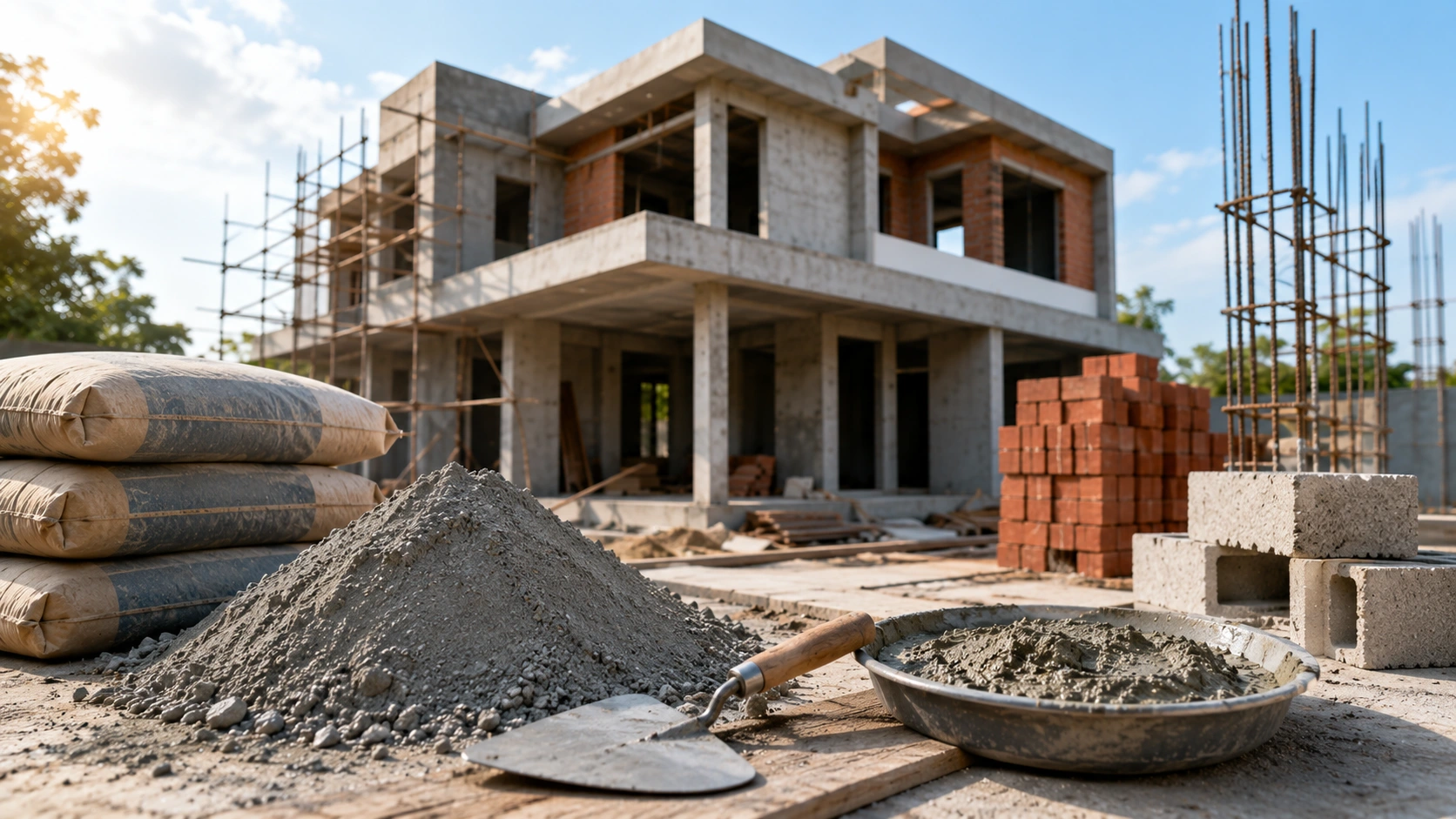




Structural engineering is a critical component of any construction project, whether residential, commercial, or industrial. In India, understanding the fees charged by structural engineers is essential for project budgeting and ensuring quality outcomes. This comprehensive guide explores the various factors that influence structural engineering fees, typical cost ranges across different project types, and how to find the right structural engineer for your needs.

Understanding Structural Engineering Fees in India
Structural engineering fees in India vary significantly based on project complexity, location, engineer experience, and scope of work. Unlike some developed countries with standardized fee structures, India's structural engineering market operates with considerable flexibility. Fees typically range from 1-3% of the total project cost for straightforward residential projects to 5-10% or more for complex commercial or industrial structures.
The structural engineer's role encompasses design, analysis, site supervision, and coordination with other professionals. Their expertise ensures that buildings meet safety standards, comply with Indian building codes, and perform optimally under various load conditions. Understanding how these fees are calculated helps project owners make informed decisions and budget appropriately.
Build cost · Bengaluru, May 2026
Factors Influencing Structural Engineering Fees
Project Complexity and Type
The complexity of your project is the primary driver of structural engineering fees. A simple G+2 residential building in Bangalore will cost significantly less than a multi-story commercial complex in Mumbai with unique architectural features. Complex projects involving special structural systems—such as high-rise buildings, long-span structures, or projects with unusual geometries—require more detailed analysis and design work, justifying higher fees.
Different project types have different fee structures:
Residential buildings: 1-2.5% of construction cost
Commercial buildings: 2-4% of construction cost
Industrial structures: 3-5% of construction cost
High-rise buildings: 4-7% of construction cost
Specialized structures (stadiums, bridges, etc.): 5-10% or more
Project Location
Geographic location significantly impacts fees. Metropolitan areas like Delhi, Mumbai, Bangalore, and Hyderabad have higher structural engineering fees compared to tier-2 and tier-3 cities. This reflects the higher cost of living, greater competition, and demand for experienced professionals in major cities. A structural engineer in Mumbai might charge 20-30% more than their counterpart in a smaller city like Indore or Nagpur.
Seismic zones also influence fees. Projects in high seismic zones (such as parts of Himachal Pradesh, Uttarakhand, and the northeastern states) require more rigorous analysis and detailed design, increasing engineering costs.
Frequently asked
Experience and Credentials of the Structural Engineer
Senior structural engineers with extensive experience, professional certifications, and a strong portfolio typically charge higher fees than junior engineers. Engineers registered with the Council of Architecture (CoA) or possessing specialized certifications command premium rates. An engineer with 15+ years of experience might charge 2-3 times more than a fresher, reflecting their expertise and reduced risk.
Scope of Services
The scope of structural engineering services can vary considerably:
Design only: Preliminary and detailed design
Design with site supervision: Regular site visits and quality control
Complete project management: Design, supervision, and coordination with other consultants
Specialized services: Seismic retrofitting, foundation analysis, structural health monitoring
Comprehensive services naturally command higher fees. A project requiring full-time site supervision will cost more than design-only services.
Typical Structural Engineering Fee Ranges in India
Residential Projects
For a typical residential building in Tier-1 cities, structural engineering fees range from ₹15,000 to ₹50,000 per 1,000 sq ft of constructed area. For a 2,000 sq ft independent house in Pune, you might expect fees between ₹30,000 to ₹1,00,000, depending on the engineer's experience and the building's complexity.
Multi-story residential complexes (10-20 stories) in cities like Delhi or Bangalore typically incur fees of ₹25,000 to ₹75,000 per 1,000 sq ft. The per-unit cost decreases as project size increases due to economies of scale.
Commercial Buildings
Commercial projects are more complex and command higher fees. For office buildings in metropolitan areas, fees typically range from ₹40,000 to ₹1,50,000 per 1,000 sq ft. A 50,000 sq ft commercial complex in Hyderabad might incur structural engineering fees of ₹20-30 lakhs.
Shopping malls, multiplexes, and entertainment complexes—with their unique requirements for open floor plans and special load conditions—can see fees reaching ₹1,00,000 to ₹2,00,000 per 1,000 sq ft.
Industrial and Infrastructure Projects
Industrial structures, warehouses, and manufacturing facilities typically cost ₹30,000 to ₹1,00,000 per 1,000 sq ft. Infrastructure projects like bridges, water treatment plants, and power facilities often involve specialized analysis, pushing fees to 5-10% of project cost or higher.
Fee Structure Models Used by Structural Engineers
Percentage of Construction Cost
This is the most common model in India. Structural engineers charge a percentage of the total estimated construction cost. For example, a ₹1 crore residential project might incur structural engineering fees of ₹1.5-2.5 lakhs (1.5-2.5% of cost). This model aligns the engineer's compensation with project scale and complexity.
Per Square Foot Charges
Some engineers charge a fixed rate per square foot of constructed area. This model provides clarity and is easier to estimate. Rates vary from ₹15 to ₹150 per sq ft depending on project type and location.
Hourly or Daily Rates
For specialized services like site supervision, structural audits, or retrofitting work, engineers often charge hourly or daily rates. Typical rates range from ₹1,000 to ₹5,000 per hour or ₹5,000 to ₹20,000 per day, depending on seniority and specialization.
Lump Sum Fees
For well-defined projects with clear scopes, engineers may quote a fixed lump sum fee. This provides budget certainty but requires detailed scope definition upfront.

Additional Costs and Hidden Charges
Beyond the primary structural engineering fees, several additional costs may apply:
Soil investigation and geotechnical report: ₹50,000 to ₹3,00,000 depending on site size and complexity
3D modeling and advanced analysis software: May add 10-15% to design fees
Structural health monitoring systems: ₹2-5 lakhs for basic systems
Specialized testing and inspections: ₹20,000 to ₹1,00,000+
Reimbursable expenses: Site visits, material testing, travel costs
Always clarify what's included in quoted fees and what constitutes additional charges.
How Structural Engineering Fees Compare Across Indian Cities
Fee variations across major Indian cities reflect local market conditions:
Mumbai and Delhi: Premium rates; expect 20-30% higher fees than national average
Bangalore, Hyderabad, Pune: Moderate-to-high rates; 10-20% above average
Kolkata, Chennai, Ahmedabad: Slightly above average; 5-10% premium
Tier-2 and Tier-3 cities: 20-40% lower than metro cities
However, choosing engineers based solely on location and cost can be risky. Quality and experience should take precedence over minimal cost savings.
Regulatory and Compliance Considerations
Structural engineers in India must comply with the National Building Code (NBC), Indian Standard codes (IS), and local municipal regulations. These compliance requirements are factored into fees. Engineers working on projects in seismic zones must incorporate additional analysis per IS 1893, which increases costs by 15-25%.
For projects in flood-prone areas, coastal regions, or areas with specific environmental regulations, additional design considerations increase engineering fees. Always ensure your chosen engineer is well-versed in applicable codes and regulations.
Tips for Budgeting Structural Engineering Costs
Get Multiple Quotes
Obtain quotes from at least 3-4 qualified structural engineers. This helps you understand the market rate and identify outliers. However, don't automatically choose the cheapest option—quality and experience matter significantly.
Define Scope Clearly
Provide detailed project information to engineers: site location, soil type, building dimensions, occupancy type, architectural plans, and any special requirements. Clear scope definition prevents scope creep and unexpected cost increases.
Ask About Experience
Inquire about the engineer's experience with similar projects. An engineer experienced in high-rise construction might not be ideal for specialized industrial projects. Request references and review past projects.
Understand Fee Components
Ask engineers to break down their fees: design, site supervision, analysis, documentation, etc. This transparency helps you understand what you're paying for and identify areas where you might adjust scope if needed.
Consider Value, Not Just Cost
A slightly higher fee for an experienced engineer often provides better value through optimized designs, reduced construction issues, and faster project completion. Poor structural design can lead to costly construction delays and rework.
Finding Qualified Structural Engineers on AECORD
Navigating the landscape of structural engineering services is simplified through dedicated platforms. AECORD is India's premier B2B2C marketplace connecting project owners with vetted structural engineering professionals. On AECORD, you can:
Browse profiles of qualified structural engineers across India
Review their experience, credentials, and past projects
Compare fee structures and service offerings
Read verified client reviews and ratings
Request quotes and connect directly with professionals
Using AECORD to find structural engineers ensures you're connecting with professionals who meet quality standards and have established track records. The platform streamlines the selection process, saving you time and reducing the risk of hiring unsuitable professionals.
Red Flags When Evaluating Structural Engineering Fees
Be cautious of:
Unusually low fees: May indicate inexperience or potential quality issues
Vague fee structures: Lack of clarity often leads to disputes
Engineers without proper credentials: Verify registration with CoA and professional bodies
No mention of site supervision: Quality control requires regular site presence
Unwillingness to provide references: Established professionals should have case studies and client testimonials
Conclusion
Structural engineering fees in India reflect the complexity, location, and scope of your project. While fees typically range from 1-10% of construction costs depending on project type, numerous factors influence the final amount. By understanding these factors, obtaining multiple quotes, and prioritizing quality over cost alone, you can make informed decisions that protect your investment.
The key is finding experienced, qualified professionals who deliver value. Whether you're planning a residential apartment in Bangalore, a commercial complex in Mumbai, or an industrial facility in Gujarat, investing in quality structural engineering is investing in your project's success and safety.
Ready to find the right structural engineer for your project? Visit AECORD today to connect with vetted professionals who understand the Indian market, comply with local regulations, and deliver excellence. Browse profiles, compare fees, and get your project moving forward with confidence.
Frequently Asked Questions
What percentage of construction cost should I budget for structural engineering fees in India?
Structural engineering fees in India typically range from 1-3% of total project cost for simple residential buildings to 5-10% or more for complex commercial or industrial structures. The exact percentage depends on project complexity, location, and the engineer's experience level.
Why do structural engineering fees vary between cities in India?
Metropolitan areas like Delhi, Mumbai, Bangalore, and Hyderabad charge 20-30% higher structural engineering fees compared to tier-2 and tier-3 cities due to higher living costs, greater competition, and demand for experienced professionals. Additionally, projects in high seismic zones require more rigorous analysis, increasing costs.
How much more do experienced structural engineers charge compared to junior engineers?
Senior structural engineers with 15+ years of experience and professional certifications typically charge 2-3 times more than junior engineers, reflecting their expertise, reduced risk, and stronger portfolio in the Indian market.
What services are included in structural engineering fees?
Structural engineering fees typically cover design and analysis, site supervision, and coordination with other professionals. However, the scope can vary from design-only services to complete project management including regular site visits and quality control.
Do different building types have different structural engineering fee rates in India?
Yes, fees vary by building type: residential buildings cost 1-2.5% of construction cost, commercial buildings 2-4%, industrial structures 3-5%, high-rise buildings 4-7%, and specialized structures like stadiums or bridges can exceed 10% of construction cost.