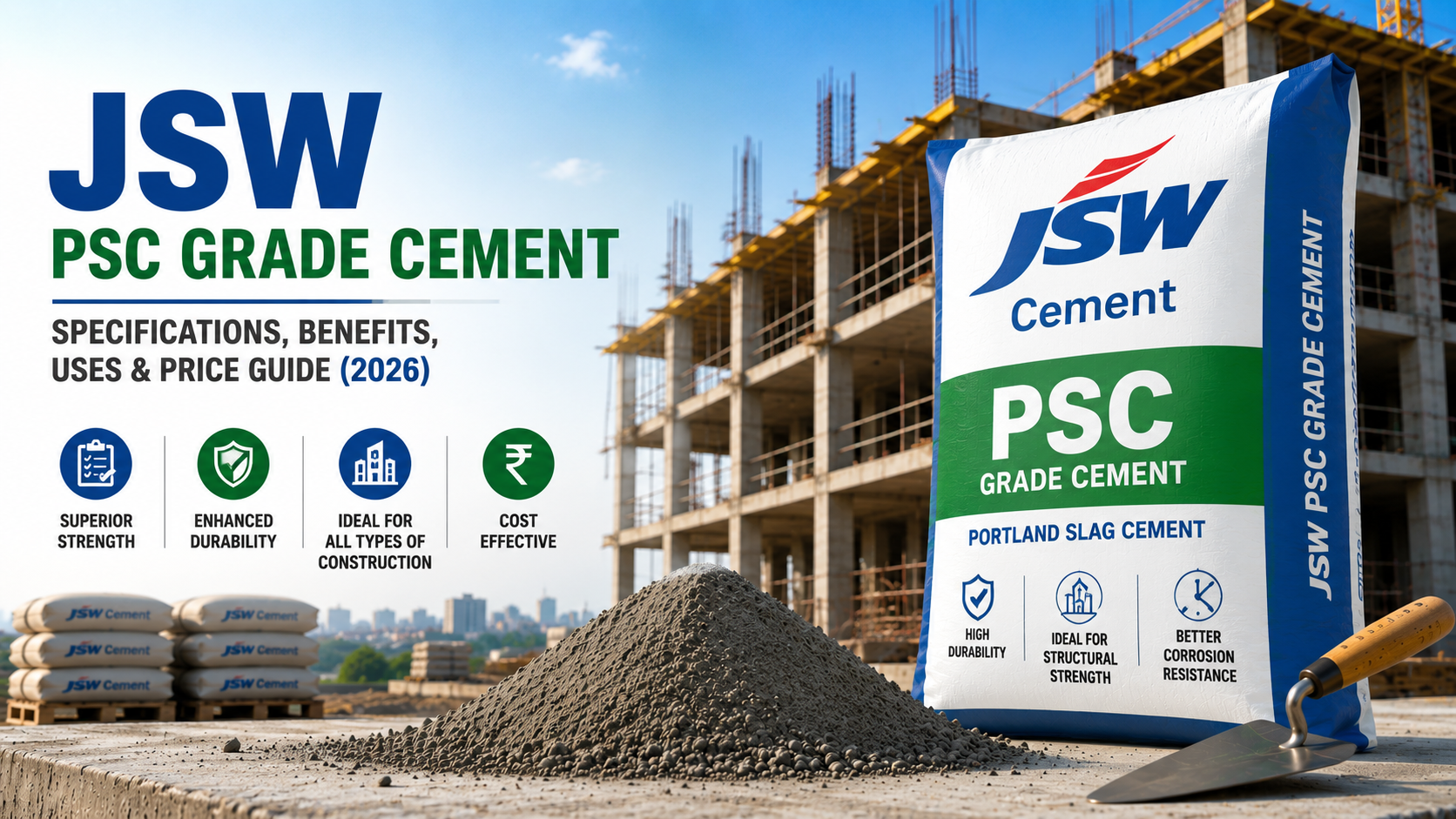


Understanding Siddhi PPC Grade Cement in Polythene Bags: A Comprehensive Guide for Indian Builders
Cement is the backbone of any construction project in India, and choosing the right type and quality is crucial for ensuring structural integrity and longevity. Among the various cement options available in the Indian market, Siddhi PPC (Portland Pozzolana Cement) Grade cement in polythene bags has emerged as a popular choice for builders, contractors, and architects. This comprehensive guide will help you understand everything you need to know about this cement variant, its specifications, advantages, and how to source it effectively.
Build cost · Bengaluru, May 2026
What is Siddhi PPC Grade Cement?
Definition and Composition
Siddhi PPC Grade cement is a Portland Pozzolana Cement that combines Portland cement clinker with pozzolanic materials like fly ash and other mineral additives. This blend creates a cement with enhanced durability properties, making it particularly suitable for construction in challenging environmental conditions common across India. /blog/ramco-supergrade-ppc-grade-cement-polythene-bag-99197
The composition of PPC cement typically includes:
Portland cement clinker (60-75%)
Fly ash or pozzolanic materials (20-35%)
Gypsum and other additives (remaining percentage)
The polythene bag packaging ensures protection from moisture and contamination during storage and transportation, which is essential in India's varied climatic conditions.
Why PPC Grade Over OPC?
While Ordinary Portland Cement (OPC) is widely used, PPC Grade cement offers several distinct advantages. The pozzolanic materials in PPC create a denser concrete matrix over time, resulting in better water resistance and reduced permeability. This makes it ideal for structures in coastal areas, industrial zones, and regions with high moisture exposure.
Frequently asked
Key Specifications and Standards
Indian Standards Compliance
Siddhi PPC Grade cement must comply with IS 1489-1:2015, the Indian Standard for Portland Pozzolana Cement. This standard specifies various requirements including:
Compressive Strength: Minimum 22.5 MPa at 28 days
Initial Setting Time: Not less than 45 minutes
Final Setting Time: Not more than 600 minutes
Soundness: Maximum expansion of 10 mm
Fineness: Specific surface area of 225-325 m²/kg
These specifications ensure that the cement performs consistently across various construction applications throughout India, from residential projects in Mumbai to infrastructure developments in Delhi, Bangalore, and Hyderabad.
Physical Properties
The polythene bag packaging (typically 50 kg bags, with some suppliers offering 25 kg variants) preserves the cement's physical properties. Key characteristics include:
Color: Light to dark grey
Bulk density: Approximately 1,440 kg/m³
Specific gravity: Around 3.14-3.15
Moisture content: Less than 3% when properly packed
Advantages of Siddhi PPC Grade Cement
Durability and Longevity
One of the primary advantages of PPC Grade cement is its superior durability. The pozzolanic reaction creates a denser concrete structure that resists:
Chloride ingress (particularly important in coastal Indian cities)
Sulfate attack (common in industrial areas)
Carbonation and corrosion of reinforcement
Alkali-aggregate reactions
For long-term construction projects in India, especially those expected to last 50+ years, PPC Grade cement offers better value despite potentially higher initial costs.
Cost-Effectiveness
While PPC Grade cement typically costs 5-10% less than OPC in the Indian market, it provides superior long-term performance. For a typical residential project in cities like Pune or Ahmedabad, using PPC can result in savings of ₹50,000 to ₹2,00,000 depending on project size, while simultaneously improving durability.
Environmental Benefits
The incorporation of fly ash and other pozzolanic materials makes PPC Grade cement more environmentally sustainable. This reduces the carbon footprint by:
Decreasing clinker production requirements
Utilizing industrial by-products
Reducing overall CO₂ emissions by approximately 20-30%
This aligns well with India's commitment to sustainable construction practices and green building initiatives.
Better Workability
PPC Grade cement offers improved workability and pumpability, making it easier for construction teams to work with. This is particularly beneficial in:
High-rise construction projects
Complex architectural designs
Ready-mix concrete applications
Locations with challenging access
Applications of Siddhi PPC Grade Cement
Residential Construction
For residential buildings in Indian cities, PPC Grade cement is ideal for:
Foundations and basement construction
Load-bearing walls
RCC columns and beams
Plastering and finishing work
Builders in metropolitan areas like Bangalore, Hyderabad, and Pune increasingly prefer PPC for residential projects due to its proven performance in varying climates.
Commercial and Industrial Projects
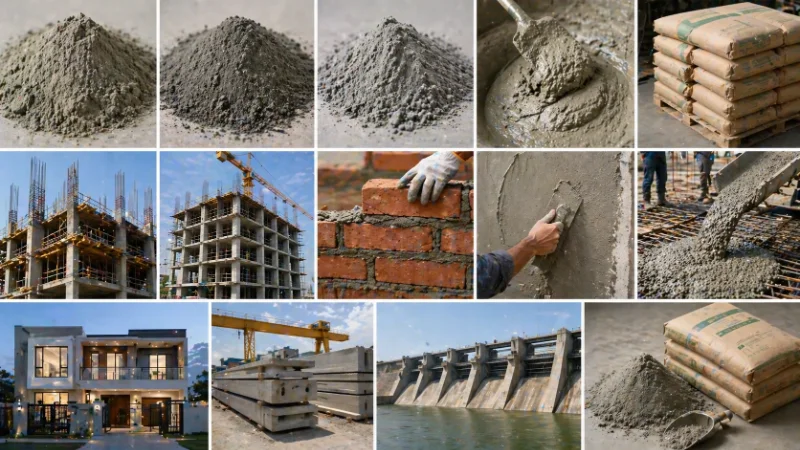
Large-scale commercial and industrial applications benefit significantly from PPC Grade cement, including:
Office buildings and commercial complexes
Industrial warehouses and manufacturing units
Parking structures and underground construction
Heavy-duty flooring systems
Infrastructure and Specialized Projects
Government and infrastructure projects often mandate PPC Grade cement for:
Highway and bridge construction
Water treatment facilities
Coastal and marine structures
Dams and irrigation projects
Sourcing Siddhi PPC Grade Cement in India
Major Manufacturers and Suppliers
Several established cement manufacturers produce Siddhi PPC Grade cement across India. When sourcing, ensure you're purchasing from:
Registered manufacturers with IS 1489-1:2015 certification
Suppliers with established distribution networks in your region
Companies with quality assurance and testing facilities /blog/ppc-vs-opc-cement-which-is-better-for-house-construction-in-india
Prices typically range from ₹380 to ₹450 per 50 kg bag depending on location, with coastal regions and major metros like Mumbai and Chennai potentially having slightly higher costs due to transportation.
Quality Verification
Before purchasing, verify:
Manufacturing Date: Cement should not be older than 3 months
Bag Integrity: Polythene bags should be undamaged and properly sealed
Markings: Clear printing of manufacturer details, grade, and IS certification
Storage Conditions: Bags should be stored in dry conditions away from moisture
Using AECORD for Professional Sourcing
For construction professionals seeking reliable suppliers of Siddhi PPC Grade cement and other construction materials, AECORD offers a comprehensive platform connecting builders, contractors, and architects with verified suppliers across India. Through AECORD, you can:
Compare prices and specifications from multiple suppliers
Access supplier ratings and reviews from verified users
Arrange bulk orders with transparent pricing
Connect with local suppliers in your city
Whether you're sourcing for a small residential project in Jaipur or a large commercial development in Bangalore, AECORD simplifies the procurement process.
Storage and Handling Best Practices
Proper Storage Conditions
The polythene bag packaging is designed to protect cement, but proper storage is essential:
Temperature: Store in cool, dry conditions (below 35°C if possible)
Humidity: Keep relative humidity below 65%
Ventilation: Ensure adequate air circulation in storage areas
Stacking: Don't stack bags higher than 10-12 bags to prevent crushing
Duration: Use cement within 3-4 months of manufacturing date
Handling and Transportation
During transportation and handling:
Protect bags from rain and direct moisture exposure
Avoid dropping or rough handling that could damage bags
Use covered vehicles for transportation
Store away from chemical fertilizers and other reactive materials
Cost Analysis and Budgeting
Price Comparison
Understanding cost variations helps in project budgeting. As of 2024, typical prices in Indian markets are:
Delhi/NCR: ₹390-420 per 50 kg bag
Mumbai/Coastal regions: ₹410-450 per 50 kg bag
Bangalore/South India: ₹380-410 per 50 kg bag
Smaller towns: ₹370-400 per 50 kg bag
Project-Level Budgeting
For a typical 1000 sq ft residential construction project requiring approximately 40-50 bags of cement, budget ₹16,000-22,500 for Siddhi PPC Grade cement. This represents a cost-effective choice compared to OPC while providing superior long-term durability.
Testing and Quality Assurance
On-Site Testing Methods
Construction professionals should implement basic quality checks:
Visual Inspection: Check for lumps, discoloration, or foreign materials
Fineness Test: Rub cement between fingers—should be smooth without gritty particles
Float Test: A pinch of cement should float initially when placed on water
Compressive Strength Test: Send samples to certified labs for 7-day and 28-day testing
Laboratory Testing
For significant projects, conduct formal testing including:
Compressive strength testing per IS 4031
Fineness determination
Setting time analysis
Soundness testing
Compliance with Indian Building Codes
Siddhi PPC Grade cement complies with major Indian building standards including:
IS 1489-1:2015: Portland Pozzolana Cement specification
IS 456:2000: Code of practice for plain and reinforced concrete
National Building Code (NBC) 2016: General building requirements
State-specific building bylaws and regulations
When working with architects and engineers on AECORD, ensure all material selections comply with these standards for your specific project type and location.
Common Misconceptions About PPC Grade Cement
Myth: PPC is Weaker Than OPC
Reality: PPC Grade cement meets the same 28-day compressive strength requirements as OPC (22.5 MPa minimum) and actually develops superior strength over longer periods due to pozzolanic reactions.
Myth: PPC Takes Longer to Set
Reality: While initial setting time may vary slightly, PPC Grade cement meets standard setting time requirements and works efficiently in modern construction practices.
Myth: PPC is Only for Large Projects
Reality: PPC Grade cement is suitable for all project sizes, from small residential constructions to large infrastructure projects.
Future Trends in Cement Selection
The Indian construction industry is increasingly moving toward sustainable materials. PPC Grade cement aligns with this trend and is expected to see continued growth in preference, particularly as:
Green building certifications become more common
Environmental regulations tighten
Long-term cost benefits become better understood
Infrastructure projects demand higher durability standards
Conclusion
Siddhi PPC Grade cement in polythene bags represents an excellent choice for construction professionals across India seeking a balance between cost-effectiveness, durability, and environmental responsibility. Whether you're constructing a residential building in Pune, a commercial complex in Hyderabad, or an industrial facility in Chennai, PPC Grade cement delivers consistent performance and long-term value.
The polythene bag packaging ensures product quality during storage and transportation, making it convenient for projects of all scales. With proper sourcing, handling, and application, this cement variant will contribute significantly to the structural integrity and longevity of your construction projects.
Find Your Cement Supplier on AECORD
Ready to source Siddhi PPC Grade cement for your next project? Visit AECORD today to connect with verified cement suppliers, ready-mix concrete providers, and construction material distributors across India. Browse supplier profiles, compare quotes, read verified reviews, and find the perfect match for your project requirements. Whether you need bulk orders for large commercial projects or smaller quantities for residential work, AECORD simplifies the procurement process and ensures you get quality materials at competitive prices. Explore AECORD now and build with confidence.
Frequently Asked Questions
What is the difference between Siddhi PPC Grade cement and OPC cement?
Siddhi PPC (Portland Pozzolana Cement) combines Portland cement clinker with pozzolanic materials like fly ash, creating a denser concrete matrix that offers better water resistance and reduced permeability compared to OPC. PPC is particularly ideal for structures in coastal areas, industrial zones, and regions with high moisture exposure.
What are the minimum compressive strength requirements for PPC Grade cement?
According to IS 1489-1:2015 Indian Standard, Siddhi PPC Grade cement must achieve a minimum compressive strength of 22.5 MPa at 28 days. The cement must also meet specific requirements for setting time, soundness, and fineness to ensure consistent performance across construction applications.
Why is polythene bag packaging important for cement storage?
Polythene bag packaging protects cement from moisture and contamination during storage and transportation, which is essential in India's varied climatic conditions. Proper packaging helps maintain the cement's physical properties and ensures moisture content remains below 3%.
Is PPC Grade cement more cost-effective than OPC cement?
Yes, Siddhi PPC Grade cement typically costs 5-10% less than OPC in the Indian market while providing superior durability and longevity. This makes it a cost-effective choice for long-term construction projects expected to last 50+ years.
What environmental conditions is PPC Grade cement suitable for?
PPC Grade cement is ideal for construction in challenging environmental conditions including coastal areas, industrial zones, and regions with high moisture exposure. Its superior resistance to chloride ingress, sulfate attack, and carbonation makes it particularly suitable for various Indian climatic conditions.