

Understanding Roofing Tiles and Shingles: A Complete Guide for Indian Builders and Homeowners
The roof is one of the most critical components of any building structure, protecting your investment from harsh weather conditions, temperature fluctuations, and environmental damage. In India, where monsoons, intense heat, and occasional earthquakes are common challenges, selecting the right roofing material is essential. Roofing tiles and shingles represent two of the most popular choices for residential and commercial properties across the country, each offering distinct advantages and considerations. /blog/roofing-tiles-and-shingles-piece
Whether you're constructing a new home in Mumbai, renovating a commercial property in Bangalore, or planning a residential project in Delhi, understanding the differences between tiles and shingles will help you make an informed decision that balances durability, aesthetics, cost-effectiveness, and maintenance requirements.
Build cost · Bengaluru, May 2026
What Are Roofing Tiles?
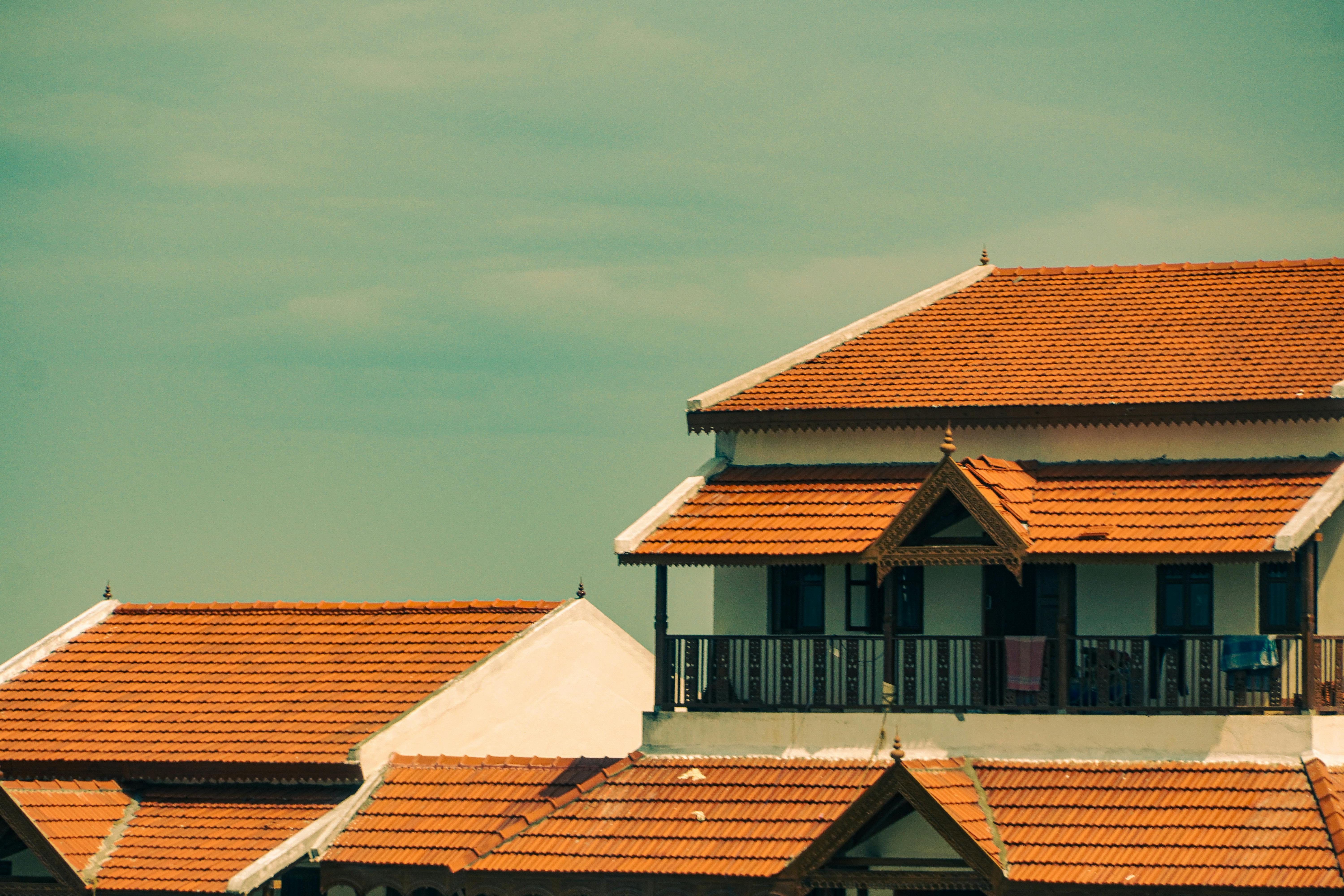
Roofing tiles are rigid, durable materials traditionally used in construction for centuries. In India, they remain one of the most preferred roofing solutions, particularly in regions with high rainfall and temperature variations. Tiles are typically manufactured from clay, concrete, or ceramic materials and come in various shapes, sizes, and styles.
Types of Roofing Tiles Available in India
Clay Tiles: These are the most traditional and aesthetically appealing option. Clay tiles are handcrafted or machine-made from natural clay and fired in kilns. They develop a natural patina over time and can last 50-100 years or more. In cities like Jaipur, Udaipur, and parts of Tamil Nadu, clay tiles are deeply rooted in architectural traditions.
Concrete Tiles: More affordable than clay tiles, concrete tiles are manufactured by pouring concrete into molds and curing them. They're available in various colors and finishes and typically cost between ₹80-150 per tile in the Indian market. Concrete tiles are increasingly popular in urban areas like Pune, Hyderabad, and Ahmedabad.
Ceramic Tiles: These premium tiles offer superior aesthetics and durability. They're glazed to resist moisture and UV rays, making them ideal for coastal regions like Kerala, Goa, and Maharashtra where salt spray and humidity are concerns.
Interlocking Tiles: These innovative tiles feature a locking mechanism that prevents water infiltration and wind uplift. They're particularly popular in areas prone to heavy monsoons and strong winds.
Advantages of Roofing Tiles
Exceptional Longevity: Quality tiles can last 50-100 years with minimal maintenance, providing excellent long-term value despite higher initial investment.
Weather Resistance: Tiles are highly resistant to India's challenging climate conditions, including heavy monsoon rains, intense heat, and occasional seismic activity.
Aesthetic Appeal: Tiles offer timeless beauty and can enhance property value. They're available in numerous colors and textures to complement any architectural style.
Fire Resistance: Both clay and concrete tiles are non-combustible, providing excellent fire protection for your property.
Low Maintenance: Once installed, tiles require minimal maintenance beyond occasional cleaning and inspection.
Energy Efficiency: Tiles help regulate temperature by reflecting heat, reducing cooling costs during hot Indian summers.
Environmental Benefits: Clay tiles are made from natural materials and are fully recyclable, making them an eco-friendly choice.
Frequently asked
Disadvantages of Roofing Tiles
Higher Initial Cost: Quality tiles can cost ₹150-400+ per tile, making the initial investment substantial for large projects.
Weight and Structural Requirements: Tiles are heavy and require robust roof structures. Existing buildings may need structural reinforcement, adding to project costs.
Installation Complexity: Professional installation is essential and can be time-consuming, increasing labor costs.
Breakage Risk: Individual tiles can crack or break due to impact, extreme weather, or structural movement, requiring replacement.
Limited Slope Requirements: Certain tile types require minimum roof slopes for proper water drainage.
Understanding Roofing Shingles
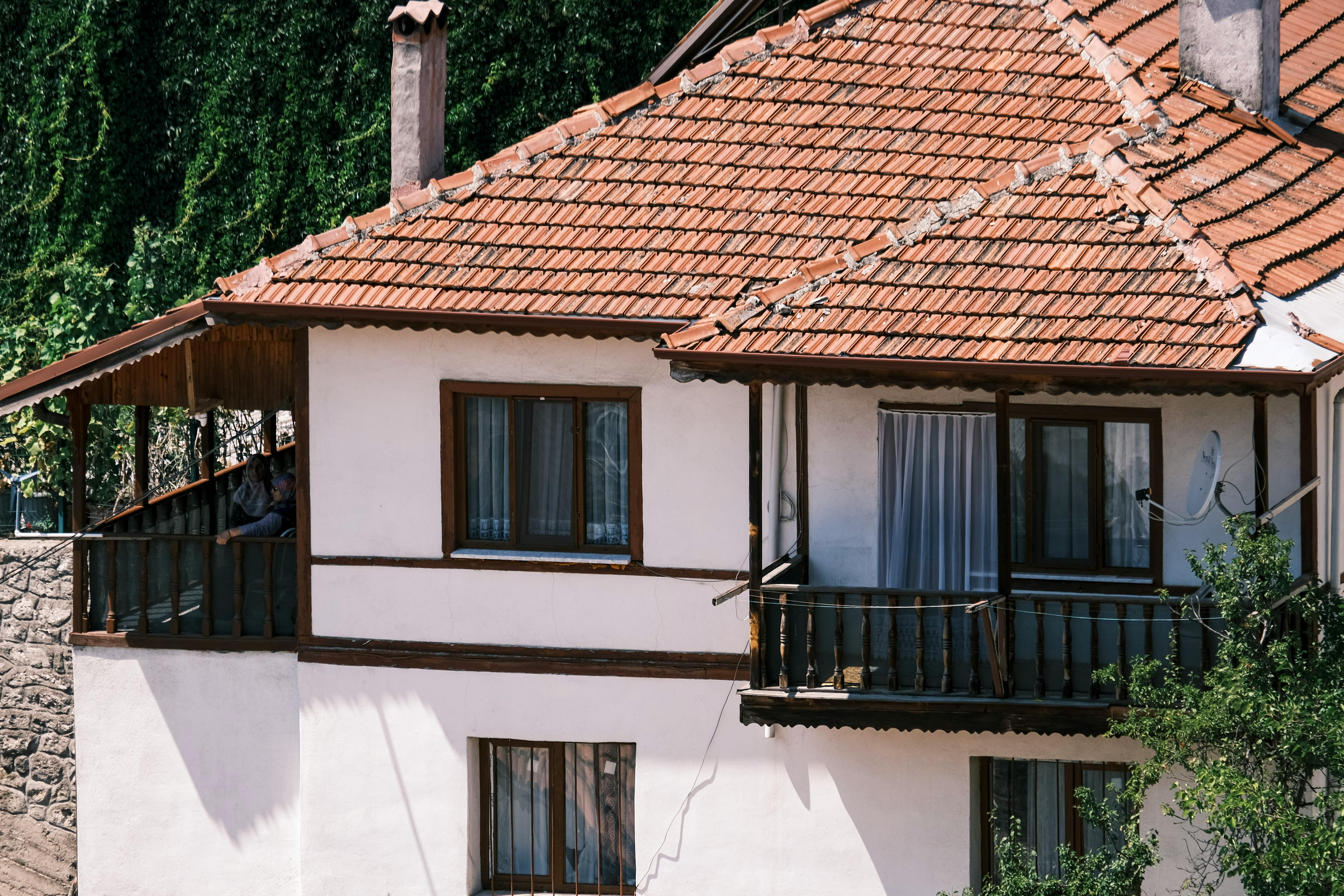
Roofing shingles are lightweight, flexible materials that overlap like fish scales to shed water. While asphalt shingles are common in Western countries, India has seen growing adoption of various shingle types in recent years, particularly in metropolitan areas where modern construction techniques are prevalent.
Types of Roofing Shingles in the Indian Market
Asphalt Shingles: These are the most economical option, consisting of a fiberglass or paper base coated with asphalt and mineral granules. They typically cost ₹40-80 per square meter and are increasingly available from Indian manufacturers and importers.
Composite Shingles: Made from a blend of materials including asphalt, fiberglass, and polymers, composite shingles offer better durability than standard asphalt shingles. They cost around ₹100-150 per square meter.
Metal Shingles: These premium shingles mimic the appearance of traditional tiles or wood shakes while offering superior durability. Metal shingles are gaining popularity in high-end residential projects in Bangalore, Delhi, and Mumbai, though they cost ₹200-350 per square meter.
Architectural Shingles: These multi-layered shingles create a three-dimensional appearance, resembling traditional tiles. They offer better wind resistance and durability than basic asphalt shingles.
Slate Shingles: Premium natural slate shingles offer unmatched beauty and durability but are expensive (₹300-600+ per square meter) and require specialized installation.
Advantages of Roofing Shingles
Affordability: Asphalt and composite shingles are significantly cheaper than tiles, making them accessible for budget-conscious projects.
Lightweight: Shingles don't require structural reinforcement, making them suitable for retrofitting existing buildings.
Easy Installation: Shingles can be installed faster than tiles, reducing labor costs and project timelines.
Variety of Styles: Modern shingles come in numerous colors and designs that mimic traditional materials like slate or wood.
Flexibility: Shingles conform to roof contours and can accommodate complex roof designs and angles.
Easy Repairs: Individual shingles can be replaced quickly without removing entire sections of roofing.
Disadvantages of Roofing Shingles
Shorter Lifespan: Most shingles last 15-25 years, significantly less than tiles, requiring earlier replacement.
Weather Vulnerability: Shingles can be damaged by high winds, heavy rain, and intense heat, which are common in India.
Maintenance Requirements: Regular inspection and maintenance are necessary to prevent leaks and extend lifespan.
Environmental Concerns: Asphalt shingles are petroleum-based and not easily recyclable, raising environmental concerns.
Granule Loss: Over time, mineral granules wash away, reducing UV protection and aesthetic appeal.
Heat Absorption: Asphalt shingles absorb heat, potentially increasing cooling costs in hot climates.
Mold and Algae Growth: In humid regions like Kerala and Goa, shingles are prone to algae and mold growth.
Comparing Tiles and Shingles: Key Factors
Cost Analysis
For a 1,000 square meter roof project in India:
Concrete Tiles: ₹80,000-150,000 (material only)
Clay Tiles: ₹150,000-250,000 (material only)
Asphalt Shingles: ₹40,000-80,000 (material only)
Metal Shingles: ₹200,000-350,000 (material only)
When calculating total project cost, include installation labor (typically 30-50% of material cost for tiles, 20-30% for shingles) and structural reinforcement if needed.
Durability and Lifespan
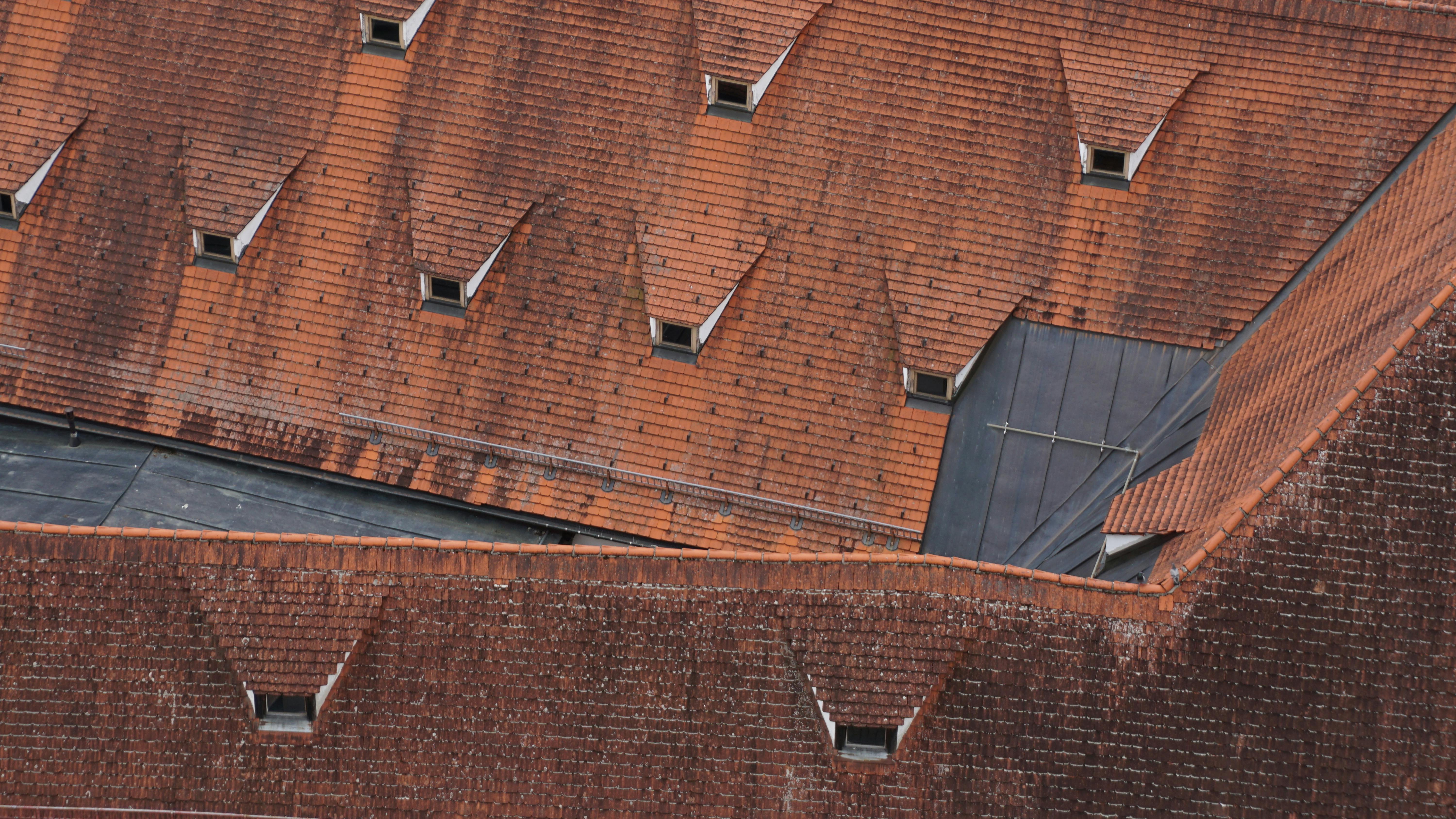
Tiles clearly outperform shingles in longevity. Quality clay or concrete tiles last 50-100 years, while most shingles require replacement every 15-25 years. In India's challenging climate, this durability advantage makes tiles a superior long-term investment despite higher initial costs.
Climate Suitability
For India's diverse climate zones:
Monsoon-Prone Regions (Kerala, Maharashtra, Goa, Karnataka): Tiles are superior due to their water-shedding capabilities and resistance to mold and algae growth.
Arid Regions (Rajasthan, Gujarat, Delhi): Both options work well, though tiles provide better heat reflection and energy efficiency.
Coastal Areas (Mumbai, Chennai, Visakhapatnam): Ceramic or glazed tiles are preferable due to salt spray resistance.
Seismic Zones (Himachal Pradesh, Uttarakhand): Lighter shingles may be safer, though modern interlocking tiles can also perform well.
Maintenance Requirements
Tiles require minimal maintenance—occasional cleaning and inspection every 5-10 years. Shingles need more frequent attention, including moss removal in humid areas, granule inspection, and potential repairs every 3-5 years.
Aesthetic Considerations
Tiles offer superior aesthetics, particularly in traditional or heritage properties. In India, tiles complement various architectural styles from colonial to contemporary. Shingles provide more design flexibility for modern homes but may not suit traditional architecture.
Making Your Decision: Tiles vs. Shingles
Choose Tiles If:
You're planning a long-term investment and want minimal replacement costs
Your property is in a high-rainfall or coastal region
You value aesthetic appeal and traditional architecture
Your roof structure can support the weight
You prefer minimal maintenance
Energy efficiency is a priority
Choose Shingles If:
Budget constraints are a primary concern
You need quick installation and want to reduce project timelines
Your building has limited structural capacity
You're retrofitting an existing structure
You prefer flexibility in design and easy repairs
You plan to sell within 15-20 years
Professional Guidance for Your Roofing Project
Selecting the right roofing material requires careful consideration of multiple factors specific to your location, budget, and building requirements. When planning your roofing project, consulting with experienced architects, engineers, and contractors is invaluable. Professionals can assess your roof structure, analyze local climate conditions, evaluate building codes and regulations, and recommend the most suitable materials for your specific situation.
If you're looking to connect with qualified roofing professionals, tile suppliers, and contractors in your area, AECORD provides a comprehensive platform connecting you with verified AECO professionals across India. Whether you need structural engineers to assess your roof capacity, architects to design your roofing system, or experienced contractors for installation, AECORD helps you find the right professionals for your project. The platform allows you to compare quotes, review portfolios, and make informed decisions based on expert recommendations.
Conclusion
Both roofing tiles and shingles have their place in India's construction landscape. Tiles offer superior durability, weather resistance, and aesthetic appeal, making them ideal for long-term investments and challenging climate conditions. Shingles provide affordability, ease of installation, and design flexibility, making them suitable for budget-conscious projects and modern constructions.
The best choice depends on your specific circumstances—location, budget, building structure, climate conditions, and long-term plans. By carefully weighing the advantages and disadvantages of each option and consulting with experienced professionals through platforms like AECORD, you can select the roofing material that provides the best value and performance for your property.
Your roof is one of your building's most important investments. Taking time to make an informed decision now will protect your property and provide peace of mind for years to come.