

Creating a serene and beautiful pooja space within your home is a wonderful way to foster spirituality and positive energy. A well-designed pooja room, or even a dedicated pooja shelf, can serve as the focal point, blending tradition with your personal style. Whether you are designing a dedicated room or incorporating a pooja unit into your living space, understanding the essentials is key to creating a harmonious and tranquil environment.
Pooja Room Essentials

Pooja room essentials create sacred spaces in Indian homes for daily rituals and meditation, with searches spiking for "pooja room Vastu" and "North-East mandir direction". A well-designed pooja room in East/North fosters positivity and tranquility per Vastu principles, avoiding bathrooms or staircases. Wall-mounted pooja units and floating pooja shelves save space in apartments while traditional wooden mandirs become stunning focal points in larger homes, blending modern and traditional pooja room designs. Popular mandir designs for home combine aesthetics with functionality choose units that match your interior while ensuring serene energy flow for spiritual practice and household harmony.
Design StyleFeaturesTraditionalIntricate carvings, dedicated drawers for storing items like incense and sacred symbols. Wooden mandirs, particularly those crafted from teak, or Marble.ModernWall-mounted units and floating shelves to maximize floor space.
Build cost · Bengaluru, May 2026
Creating a Serene Pooja Room

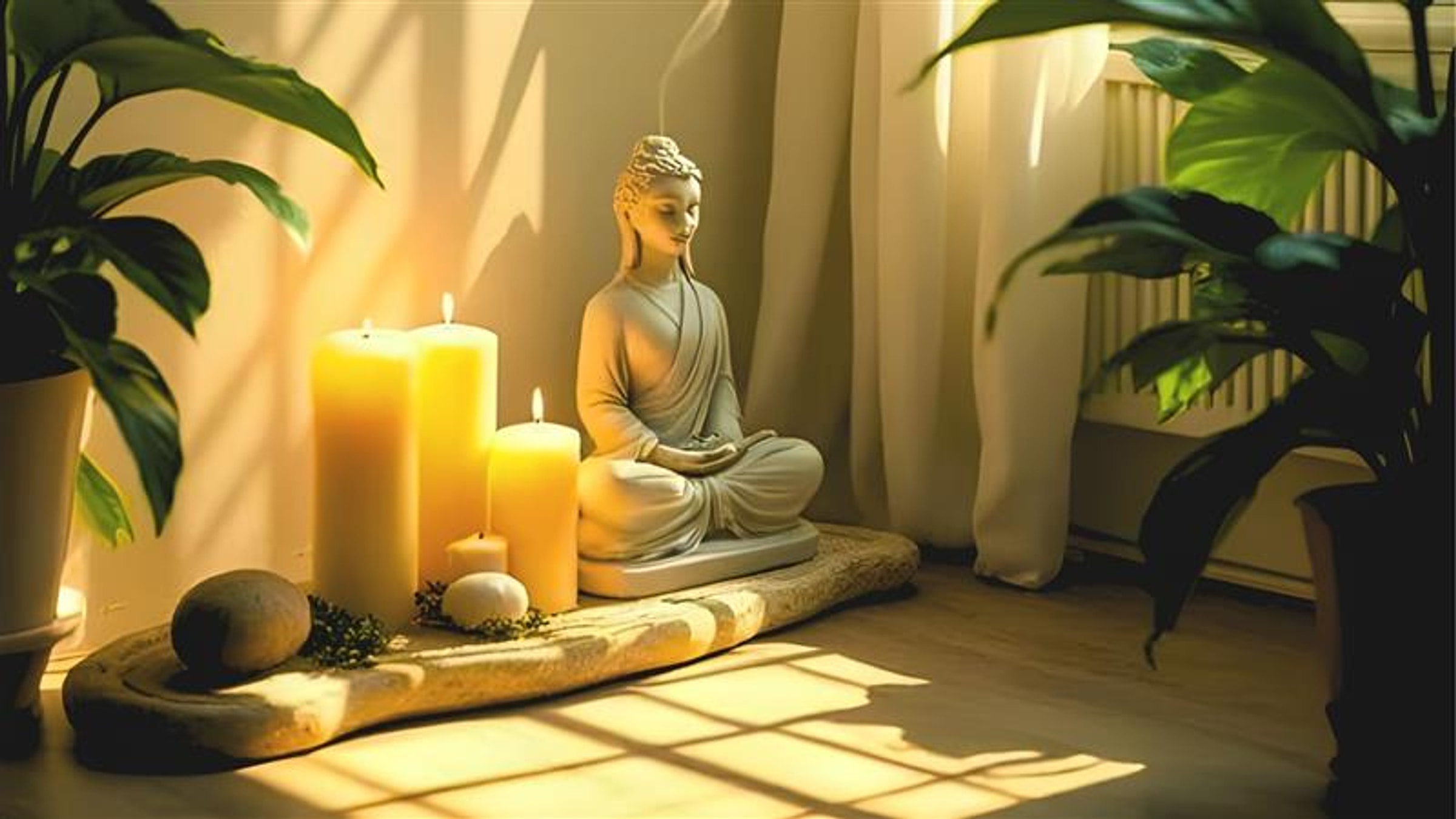
Creating a serene pooja room starts with light soothing wall colors (white, beige, pastels) and clutter-free layouts enhanced by plants and fresh flowers for tranquil sacred space design. Vastu Shastra tips place your pooja room in North-East corner with idols facing East/West, using marble or wooden mandirs avoid bathrooms, staircases or bedrooms to maintain sanctity and positive energy flow. Tranquil pooja atmosphere comes from soft diffused lighting, adjustable lamps, gentle chanting music, and incense or essential oil diffusers that elevate spiritual practice in your perfectly designed sacred sanctuary.
Designing Your Pooja Shelf

Designing your pooja shelf starts with right materials teak wooden mandirs for warmth, marble for serenity, or glass/metal accents for modern pooja room designs with built-in drawers for tidy storage. Idol placement follows Vastu rules: face idols East/West, avoid bathrooms/staircases, and arrange proportionally for balanced sacred space energy that draws spiritual focus. Modern-traditional blend uses wall-mounted pooja units, floating shelves, intricate carvings plus minimalist lines, incense and sacred symbols creating timeless mandir designs for home that fit contemporary Indian interiors perfectly.
Integrating Pooja Space in Your Home

Integrating pooja space in Indian homes creates sacred sanctuaries blending spirituality with modern living, popular searches for "pooja room in living room" and "pooja corner designs". Traditional pooja rooms feature wooden mandirs or marble accents following Vastu principles, while wall-mounted pooja units and floating shelves save space in apartments, avoiding bathrooms/staircases. Elevate your sacred space with incense, sacred symbols, soft lighting and clutter-free layouts whether modern pooja room design or traditional mandir design for home, create tranquil energy that brings peace and daily spiritual connection to every corner of your living space.
Frequently asked
Achieving the Perfect Pooja Room Design

Achieving perfect pooja room design blends aesthetics with spirituality through best practices like teak wooden mandirs or marble accents that match your home's interior while incorporating drawers for clutter-free storage solutions. Essential pooja room elements include idols facing East/West (Vastu-compliant), soft diffused lighting, soothing colors, incense and sacred symbols that amplify tranquility and positive energy flow. Final sacred space touches fresh flowers, prayer beads, personal spiritual items and ambient lighting elevate your modern pooja room design into a serene sanctuary for daily rituals and deep devotional connection.
Conclusion
Designing a pooja room is not just about choosing the right materials or layouts it’s about creating a space where you and your family can feel peaceful and connected. Whether it’s a small shelf in your living room or a dedicated room for worship, what matters most is the sense of calm and devotion it brings to your home. With thoughtful design, even a simple pooja corner can become a sacred space that nurtures positivity, harmony, and daily mindfulness.
“Bringing Your Sacred Space to Life with AECORD”
If you’re looking for ideas, inspirations, or the right professionals to bring your vision to life, platforms like AECORD make it easier to explore designs, connect with experts, and create a sacred space that reflects both tradition and modern living.
Frequently Asked Questions
What is the best direction to place a pooja room according to Vastu Shastra?
According to Vastu principles, the North-East corner is the ideal location for a pooja room, with idols facing East or West to foster positivity and spiritual energy. It's important to avoid placing pooja spaces near bathrooms, staircases, or bedrooms to maintain the sanctity of the sacred space.
What are the best materials for building a pooja mandir or shelf?
Teak wood is popular for traditional warmth and durability, while marble provides a serene aesthetic. For modern designs, wall-mounted units and floating shelves with glass or metal accents maximize space and blend contemporary style with spiritual functionality.
How can I create a serene atmosphere in my pooja room?
Use soothing wall colors like white, beige, or pastels, add soft diffused lighting with adjustable lamps, and incorporate fresh flowers and plants. Enhance the ambiance with gentle chanting music, incense, or essential oil diffusers to elevate your spiritual practice.
Can I fit a pooja space in a small apartment?
Yes, wall-mounted pooja units and floating shelves are excellent space-saving solutions for apartments that maintain traditional aesthetics while fitting modern living spaces. These designs provide functional storage for incense and sacred items without requiring dedicated room space.
What should I avoid when designing a pooja room layout?
Avoid placing pooja spaces near bathrooms, staircases, or bedrooms as these locations disrupt spiritual energy according to Vastu principles. Maintain a clutter-free layout and ensure proper idol placement facing East or West for balanced sacred space energy.