

Renovating an old house in India is both an exciting opportunity and a complex undertaking. Whether you're dealing with a decades-old colonial-era bungalow in Bangalore, a heritage property in Delhi, or a worn-out apartment in Mumbai, the renovation process requires careful planning, budget management, and the right expertise. This comprehensive guide will walk you through everything you need to know about renovating old houses in India, from assessment to completion.
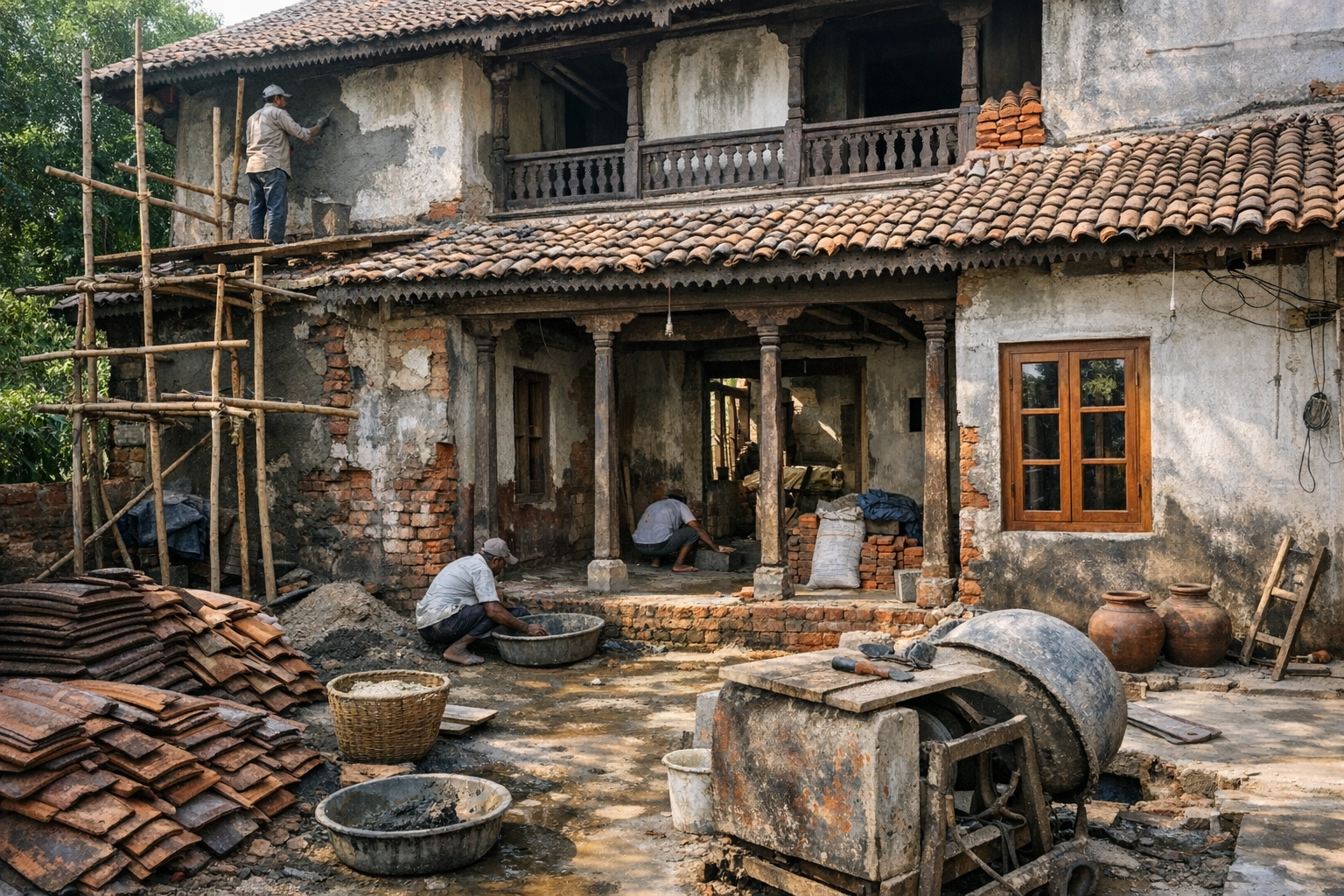
Understanding the Scope of Your Renovation
Before diving into any renovation project, you need to understand what you're working with. Old houses in India face unique challenges—from structural issues to outdated electrical systems, plumbing problems, and pest infestations. The first step is to conduct a thorough assessment of your property.
Build cost · Bengaluru, May 2026
Structural Assessment and Inspection
Start by hiring a qualified structural engineer to inspect your property. This is one of the most important investments you can make. A professional inspection will reveal:
Foundation issues: Settling, cracks, or water seepage that could compromise the entire structure
Load-bearing walls: Which walls can be removed and which must be retained
Roof condition: Whether it needs repair, reinforcement, or complete replacement
Moisture and dampness: Common in Indian climates, especially during monsoons
Termite and pest damage: Often extensive in older wooden structures
In cities like Pune, Hyderabad, and Bangalore, where older properties are common, expect structural inspection costs between ₹15,000 to ₹40,000 depending on property size and complexity. This investment typically saves you from costly surprises later.
Creating a Realistic Budget
Old house renovations in India can range from ₹500 per square foot for basic cosmetic updates to ₹3,000-5,000+ per square foot for comprehensive renovations. Your budget will depend on:
Budget Breakdown by Category
Structural repairs: 25-35% of total budget (foundation, walls, roof)
Electrical and plumbing: 20-25% (often needs complete replacement in old houses)
Flooring and walls: 15-20% (painting, tiles, plaster)
Kitchen and bathrooms: 15-20% (high-impact areas)
Finishing and miscellaneous: 10-15% (doors, windows, fixtures)
Always add a contingency buffer of 15-20% for unexpected issues—this is crucial in old house renovations where hidden problems are common. For a 1,500 sq ft property in cities like Delhi or Mumbai, expect a comprehensive renovation to cost ₹15-30 lakhs, while in tier-2 cities like Indore or Jaipur, similar work might cost ₹10-20 lakhs.
Frequently asked
Addressing Common Issues in Old Indian Homes
Dampness and Water Seepage
This is perhaps the most prevalent issue in old Indian houses, particularly in coastal cities like Chennai, Kochi, and Mumbai. The combination of heavy monsoon rains, aging construction, and poor drainage creates persistent moisture problems.
Solutions include:
Waterproofing: Apply modern waterproofing membranes to external walls, terraces, and basements (₹50-150 per sq ft)
Improving drainage: Install proper slope and drainage systems around the foundation
Repointing: Replace deteriorated mortar between bricks with modern cement-based solutions
Damp-proof course: Install a moisture barrier between the foundation and walls
Electrical System Overhaul
Old houses typically have outdated electrical systems that don't meet modern safety standards or power requirements. Complete rewiring is often necessary.
Replace old aluminum wiring with copper
Install modern circuit breakers instead of fuses
Add adequate earthing systems for safety
Increase load capacity to accommodate modern appliances and air conditioning
Install surge protectors and stabilizers (essential in Indian cities with irregular power supply)
Complete electrical rewiring costs approximately ₹100-200 per sq ft, depending on the complexity and your location.
Plumbing System Replacement
Old galvanized iron pipes corrode over time, affecting water quality and flow. Modern PVC or CPVC pipes are more durable and hygienic.
Replace all water supply pipes
Install modern drainage systems with proper slope
Add water storage and treatment systems (important in Indian cities with variable water quality)
Install modern fixtures and fittings
Consider water recycling systems for sustainability
Budget ₹80-150 per sq ft for comprehensive plumbing renovation.
Structural Repairs and Strengthening
Foundation and Wall Repairs
If your structural inspection reveals foundation issues, these must be addressed before proceeding with other renovations. Foundation repairs are specialized work requiring experienced professionals.
Common solutions include:
Underpinning: Strengthening weak foundations (₹2,000-5,000 per sq ft of affected area)
Wall stitching: Bonding cracked walls with special techniques
Grouting: Filling voids and cracks in concrete
Seismic strengthening: Particularly important in cities like Delhi, Bangalore, and Hyderabad in earthquake-prone zones
Roof Renovation
Old roofs often leak and provide poor insulation. Depending on the condition, you might need:
Roof repair: Patching and resealing (₹200-500 per sq ft)
Roof overlay: Adding a new layer over existing structure (₹400-800 per sq ft)
Complete roof replacement: Removing old structure and building new (₹800-1,500 per sq ft)
Thermal insulation: Adding insulation materials for better temperature control
Modernizing Kitchen and Bathrooms
Kitchens and bathrooms are high-impact areas that significantly improve property value and livability.
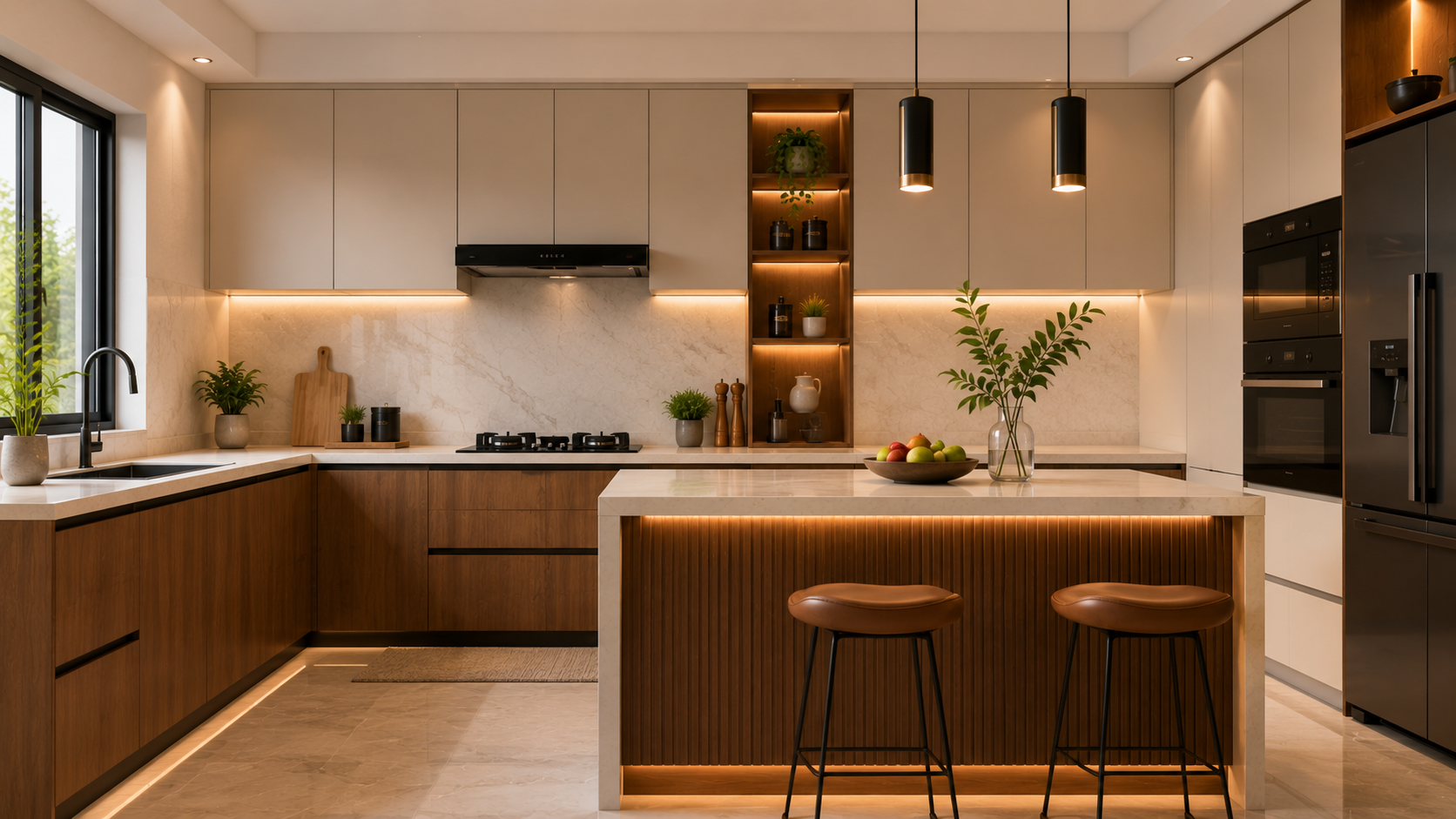
Kitchen Renovation
Modern cabinetry and storage solutions
Stainless steel or modular countertops
Adequate ventilation and lighting
Modern appliances and fixtures
Proper plumbing for water and waste management
Tile or epoxy flooring for easy maintenance
A basic kitchen renovation costs ₹3-5 lakhs, while premium kitchens can exceed ₹10 lakhs.
Bathroom Modernization
Waterproofing all surfaces
Modern sanitary ware (toilets, basins, tubs)
Proper ventilation to prevent mold and mildew
Non-slip flooring
Hot water systems (geysers or solar water heaters)
Adequate lighting and mirrors
Budget ₹2-4 lakhs for a comprehensive bathroom renovation.
Flooring and Wall Treatments
Flooring Options for Indian Homes
Ceramic or vitrified tiles: Most popular, affordable (₹80-300 per sq ft), and suitable for Indian climate
Natural stone: Marble, granite, or slate for premium look (₹200-500 per sq ft)
Wood flooring: Requires proper moisture management in humid climates
Polished concrete: Modern, industrial look (₹100-200 per sq ft)
Laminate: Budget-friendly option (₹50-150 per sq ft)
Wall Treatments
Painting: Fresh paint is transformative (₹5-15 per sq ft for quality paint and labor)
Wall tiles: For kitchens and bathrooms (₹100-300 per sq ft)
Wallpaper: For accent walls (₹30-200 per sq ft)
Textured plaster: Adds character and hides imperfections
Finding the Right Professionals
The success of your renovation largely depends on the professionals you hire. This is where platforms like AECORD become invaluable. AECORD connects you with verified architects, structural engineers, contractors, and specialized professionals across Indian cities.
Key Professionals You'll Need
Architect: For design and planning (especially for layout changes)
Structural engineer: For assessment and structural modifications
Contractor: For overall project management and execution
Electrical specialist: For rewiring and electrical work
Plumber: For plumbing system overhaul
Waterproofing specialist: For damp and moisture issues
Using AECORD, you can find professionals with verified credentials, past project portfolios, and client reviews. This significantly reduces the risk of hiring unreliable contractors.
Project Management and Timeline
Typical Renovation Timeline
A comprehensive old house renovation typically takes 4-8 months, depending on scope and complexity:
Months 1-2: Planning, design, permits, and contractor selection
Months 2-3: Structural repairs and major demolition work
Months 3-4: Electrical and plumbing installation
Months 4-6: Flooring, wall treatments, and finishing work
Months 6-8: Final touches, fixtures, and quality checks
Project Management Tips
Regular site visits: Monitor progress and catch issues early
Clear documentation: Keep all agreements, invoices, and specifications in writing
Quality checks: Inspect work at each stage before proceeding
Contingency planning: Be prepared for delays and unexpected issues
Communication: Maintain clear lines with your contractor and professionals
Legal and Regulatory Considerations
Before starting renovations, ensure compliance with local regulations:
Building permissions: Check if you need approval from municipal authorities for structural changes
Heritage property restrictions: If your property is in a heritage zone (common in cities like Delhi, Jaipur, and Pune), there may be restrictions on external modifications
Zoning laws: Understand restrictions on land use and building modifications
Safety standards: Ensure electrical and plumbing work meets Indian Standards (IS codes)
Environmental clearances: For large-scale renovations in certain areas
Sustainable and Energy-Efficient Upgrades
Modern renovations should incorporate sustainability features:
Solar panels: For hot water and electricity generation
LED lighting: Reduces electricity consumption significantly
Natural ventilation: Design windows and openings to maximize air circulation
Rainwater harvesting: Important in Indian cities facing water scarcity
Thermal insulation: Reduces cooling and heating costs
Water-efficient fixtures: Reduces water consumption
Common Mistakes to Avoid
Underestimating the budget: Always include a 15-20% contingency
Skipping structural assessment: This leads to costly problems later
Hiring unverified contractors: Always check credentials and past work
Ignoring moisture issues: These worsen over time if not addressed properly
Poor planning: Inadequate design and planning lead to costly changes mid-project
Cutting corners on quality: Cheap materials and labor often result in poor durability
Neglecting permits: Legal issues can arise if proper approvals aren't obtained
Conclusion
Renovating an old house in India is a significant investment that requires careful planning, realistic budgeting, and the right team of professionals. Whether you're dealing with dampness in Chennai, structural issues in Delhi, or outdated systems in Bangalore, the key to success is thorough assessment, proper planning, and hiring qualified professionals.
The renovation process can be complex, but with proper guidance and the right expertise, you can transform your old home into a modern, comfortable living space that adds significant value to your property. Remember that finding reliable professionals is crucial to your project's success. Platforms like AECORD make it easier to connect with verified architects, engineers, and contractors who specialize in old house renovations across India. Start your renovation journey today by exploring professional options on AECORD and taking the first step toward your dream home.
Frequently Asked Questions
How much does a structural inspection cost for an old house renovation in India?
A professional structural inspection typically costs between ₹15,000 to ₹40,000 depending on property size and complexity. This investment is crucial as it reveals foundation issues, load-bearing walls, roof condition, and pest damage, helping you avoid costly surprises during renovation.
What is the average cost per square foot for renovating an old house in India?
Old house renovations in India range from ₹500 per square foot for basic cosmetic updates to ₹3,000-5,000+ per square foot for comprehensive renovations. For a 1,500 sq ft property in major cities like Delhi or Mumbai, expect total costs of ₹15-30 lakhs.
How should I allocate my renovation budget for an old house?
Allocate your budget as follows: structural repairs (25-35%), electrical and plumbing (20-25%), flooring and walls (15-20%), kitchen and bathrooms (15-20%), and finishing (10-15%). Always add a 15-20% contingency buffer for unexpected issues common in old houses.
What is the most common problem in old Indian houses?
Dampness and water seepage are the most prevalent issues in old Indian houses, especially in coastal cities and during monsoon season. Solutions include applying waterproofing membranes (₹50-150 per sq ft), improving drainage systems, and installing damp-proof courses.
Why do old houses in India need electrical system overhaul?
Old houses typically have outdated electrical systems that don't meet modern safety standards or support current power requirements. A complete rewiring is often necessary to ensure safety, accommodate modern appliances, and meet building codes.