

Understanding Modern Facade Design: A Comprehensive Guide for Indian Architects and Designers
The facade of a building is far more than just its outer skin—it represents the first impression, the identity, and often the technological sophistication of a structure. In contemporary architecture, particularly in India's rapidly evolving construction landscape, facade design has become a critical intersection of aesthetics, functionality, and sustainability. Whether you're designing a residential project in Bangalore, a commercial complex in Mumbai, or an institutional building in Delhi, understanding modern facade principles is essential for creating spaces that resonate with both occupants and the environment.
Build cost · Bengaluru, May 2026
What is a Facade? Understanding the Basics
The term "facade" derives from the French word "façade," which literally means the front face of a building. However, in contemporary architectural practice, a facade encompasses all external surfaces of a structure—not just the front elevation. It includes walls, windows, doors, and any protective or decorative elements that form the building's envelope.
Dictionary Meaning of Facade: In architecture, a facade is the exterior face of a building, especially the principal front that looks onto a street or open space. Beyond its literal definition, the term has also come to mean a deceptive outward appearance—a metaphor that architects must consciously avoid by ensuring their design facades are structurally sound and functionally purposeful.
The facade serves multiple critical functions:
Weather protection and thermal regulation
Structural support and load distribution
Aesthetic expression and visual identity
Light and ventilation control
Acoustic insulation
Energy efficiency optimization
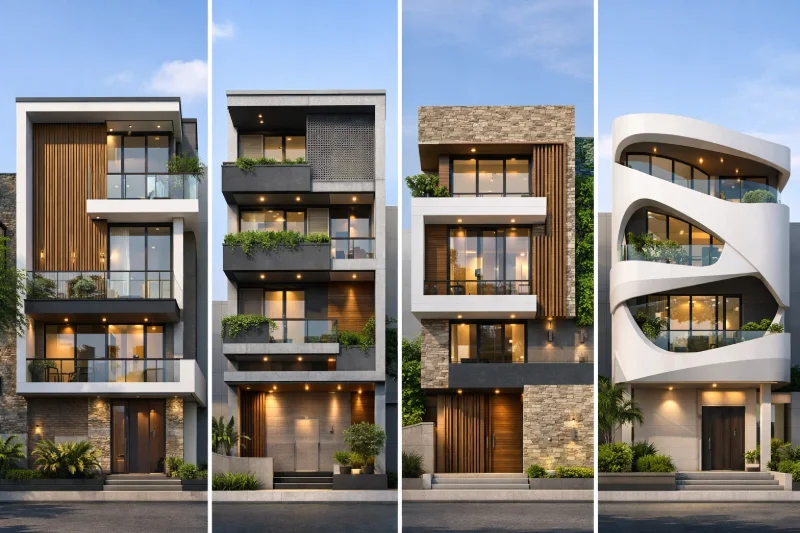
Modern Facade Design Patterns in Contemporary Architecture
Design patterns in facade architecture refer to recurring solutions to common design problems. These patterns have evolved significantly over the past two decades, driven by technological advancement, environmental consciousness, and changing aesthetic preferences. Understanding these patterns helps architects make informed decisions when designing new projects.
Contemporary Design Patterns for Facades
1. Kinetic Facades: One of the most innovative design patterns gaining traction in India is the kinetic facade. These are dynamic, responsive external surfaces that move, change, or adapt based on environmental conditions or programmatic needs. Kinetic facades can respond to solar radiation, wind patterns, temperature fluctuations, or even human interaction.
In Indian cities with extreme climatic variations—such as Delhi's scorching summers or Mumbai's monsoon seasons—kinetic facades offer practical solutions. For instance, a kinetic shading system can automatically adjust louvers to minimize heat gain during peak afternoon hours, reducing cooling loads by 20-30% and translating to significant energy savings over the building's lifecycle.
2. Parametric Facades: Driven by computational design tools, parametric facades use algorithms to generate complex geometric patterns that respond to specific performance criteria. These facades can optimize daylighting, reduce material waste, and create visually striking exteriors. Projects across Bangalore's tech corridor increasingly feature parametric design elements that reflect the city's innovation-focused identity.
3. Green Facades: Living walls and vegetated facades have become increasingly popular in Indian metropolitan areas. These systems integrate vegetation into the building envelope, providing thermal benefits, improving air quality, and enhancing aesthetic appeal. Cities like Pune and Hyderabad have seen growing adoption of green facade systems in commercial and residential projects.
4. Modular and Prefabricated Facades: With the rise of industrialized construction methods in India, modular facade systems are revolutionizing how buildings are assembled. These prefabricated units can be manufactured off-site with precise quality control, then installed on-site, reducing construction time and costs—a significant advantage in expensive real estate markets like Mumbai and Gurgaon.
Frequently asked
House Styles and Residential Facade Design
Residential architecture in India encompasses diverse styles, from traditional vernacular designs to contemporary minimalist approaches. Each style demands different facade treatment strategies.
Traditional Indian House Styles
Traditional Indian residential architecture—whether Rajasthani havelis, South Indian villas, or Bengali colonial homes—emphasizes deep overhangs, carved elements, and climate-responsive design. Modern reinterpretations of these styles maintain cultural authenticity while incorporating contemporary materials and performance standards. A residence in Jaipur might feature traditional jali screens (perforated stone or wooden panels) combined with modern glazing systems to achieve both aesthetic continuity and thermal efficiency.
Contemporary Residential Facades
Modern house styles in India increasingly favor clean lines, minimal ornamentation, and honest material expression. Concrete, glass, and steel dominate contemporary residential facades in cities like Bangalore and Pune. However, successful modern residential design also considers local context—using locally-sourced materials, respecting neighborhood character, and creating facades that age gracefully in India's diverse climatic zones.
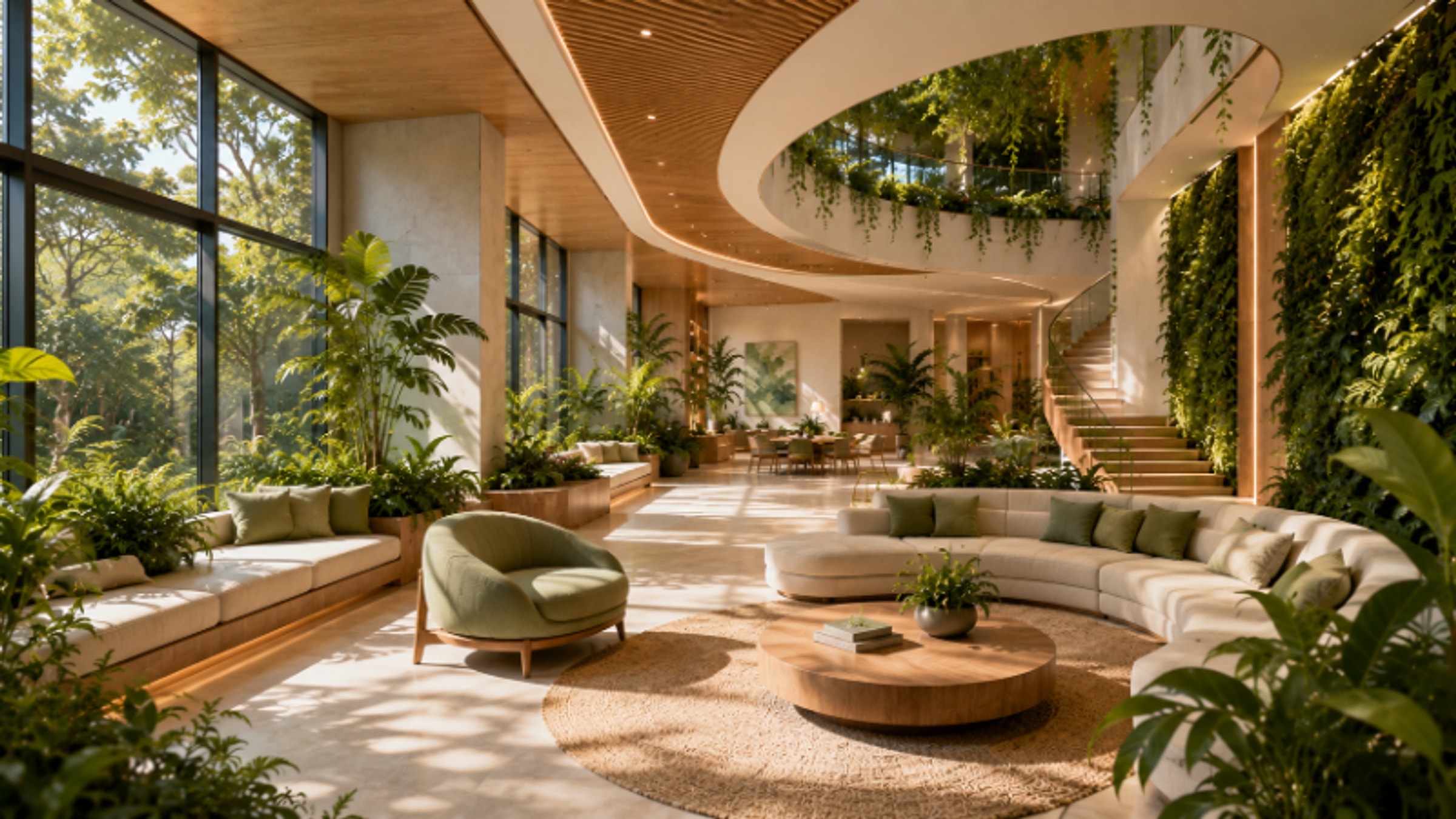
When designing modern interiors, the facade design must create a coherent visual narrative. Large glass expanses might be paired with internal shading systems, while solid concrete walls can feature integrated planters or water features that blur the boundary between interior and exterior spaces.
Design Projects: From Concept to Execution
Every successful design project begins with understanding the specific context, constraints, and opportunities. The facade design process typically involves several critical phases:
Project Analysis and Site Assessment
Before sketching any facade, architects must analyze:
Climate and weather patterns: Understanding local rainfall, wind speeds, temperature ranges, and humidity levels is crucial. A building in Mumbai faces different facade challenges than one in Jaisalmer.
Solar orientation: The building's position relative to the sun determines shading requirements. A south-facing facade in Delhi receives significantly more solar radiation than a north-facing one.
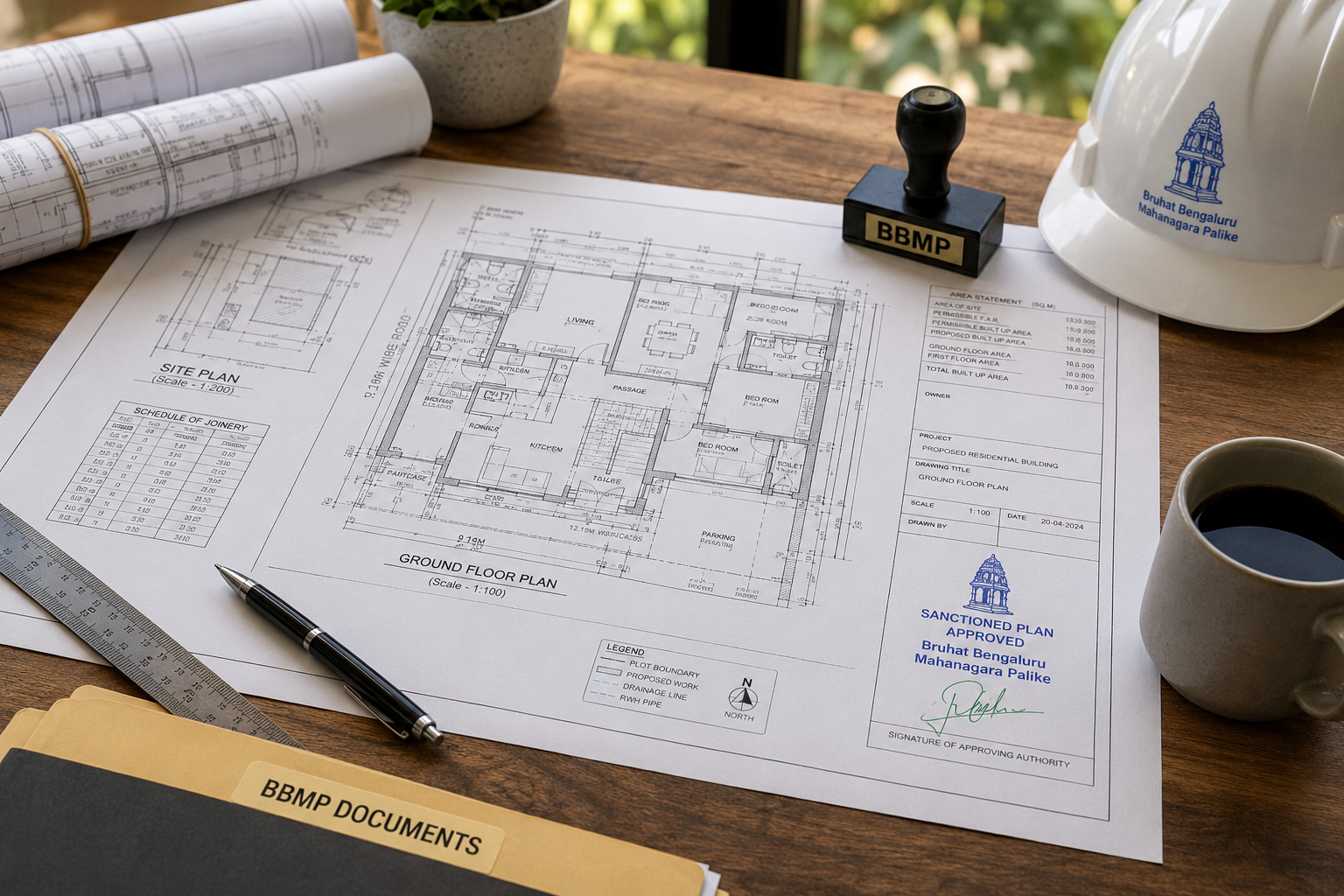
Regulatory requirements: Indian building codes, fire safety regulations, and local municipal bylaws impose specific requirements on facade design. Compliance with National Building Code (NBC) is mandatory.
Budget constraints: Facade costs typically represent 15-25% of total construction costs in India. Premium materials like high-performance glazing or kinetic systems require careful budget allocation.
Design Development and Material Selection
During design development, architects specify facade materials that balance performance, aesthetics, durability, and cost. Common facade materials in Indian projects include:
Aluminum composite panels (ACP): Affordable and versatile, widely used in commercial facades across Indian cities. Costs range from ₹300-800 per square meter depending on quality.
Natural stone: Premium option providing durability and aesthetic richness. Granite and limestone facades are popular in institutional buildings. Costs: ₹1,500-3,500 per square meter.
High-performance glazing: Double or triple-glazed units with low-emissivity coatings reduce heat transfer. Essential for energy-efficient buildings in climates like Delhi and Mumbai. Costs: ₹1,200-2,500 per square meter.
Terracotta and brick: Traditional materials experiencing a revival in contemporary design. Offer excellent thermal mass and cultural resonance. Costs: ₹400-1,200 per square meter.
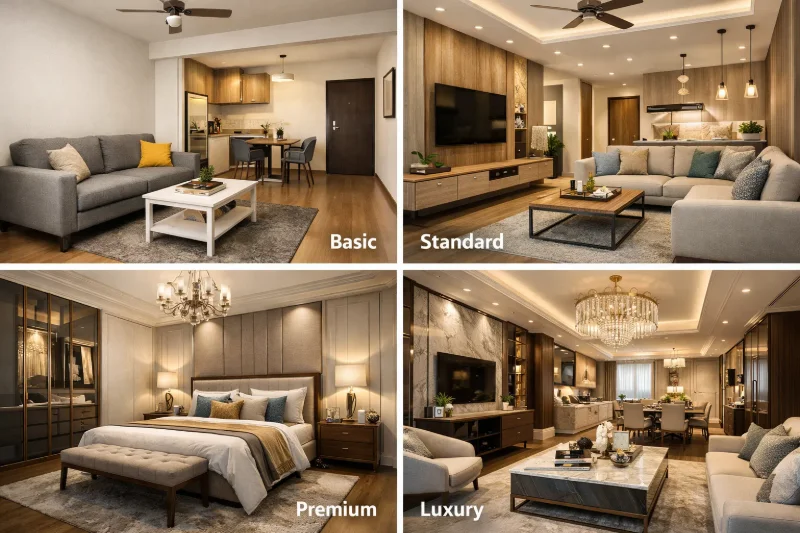
Interiors Modern: The Facade-Interior Connection
Modern interior design cannot be separated from facade design. The facade establishes the relationship between interior spaces and the external environment. Large windows create visual connections but require careful solar control. Deep overhangs provide shade but may reduce daylight penetration. Successful modern interiors acknowledge these facade-driven constraints and transform them into design opportunities.
For instance, a residence in Bangalore designed with a kinetic facade system creates interior spaces where light quality changes throughout the day. Rather than fighting this variability, interior designers can specify flexible lighting systems and material finishes that respond positively to changing daylight conditions.
Meaning of Facade in Contemporary Practice
In today's architectural discourse, the meaning of facade has expanded significantly. It's no longer simply the decorative outer layer but rather an integrated system that addresses multiple performance criteria simultaneously:
Environmental performance: The facade is the primary interface for energy exchange between interior and exterior environments.
User experience: Through views, daylight, and thermal comfort, the facade directly impacts occupant well-being and productivity.
Sustainability: Facade design choices influence embodied carbon, operational energy consumption, and lifecycle environmental impact.
Urban context: The facade contributes to streetscape character and neighborhood identity.
Technological integration: Modern facades increasingly incorporate smart systems for dynamic shading, ventilation, or energy generation.
New Project Approach: Best Practices for Facade Design in India
When initiating a new project, architects should follow a structured approach to facade design:
1. Establish Clear Performance Objectives
Define what the facade must achieve: thermal performance targets (U-values in W/m²K), daylighting requirements (illuminance levels in lux), noise reduction specifications (in decibels), and fire safety ratings. These objectives should be quantifiable and aligned with project goals.
2. Conduct Facade Strategy Workshops
Engage stakeholders—architects, engineers, contractors, and clients—in collaborative workshops to explore facade options. This interdisciplinary approach prevents costly redesigns later in the project.
3. Prototype and Test
For significant projects, consider developing full-scale facade prototypes. Testing kinetic systems, evaluating material durability in local climate conditions, or assessing acoustic performance can validate design decisions before full-scale implementation.
4. Plan for Maintenance and Longevity
Specify facade systems that are maintainable within Indian market conditions. Consider local contractor expertise, availability of replacement components, and long-term durability. A sophisticated kinetic facade is only valuable if local teams can maintain it effectively.
The Role of Technology in Modern Facade Design
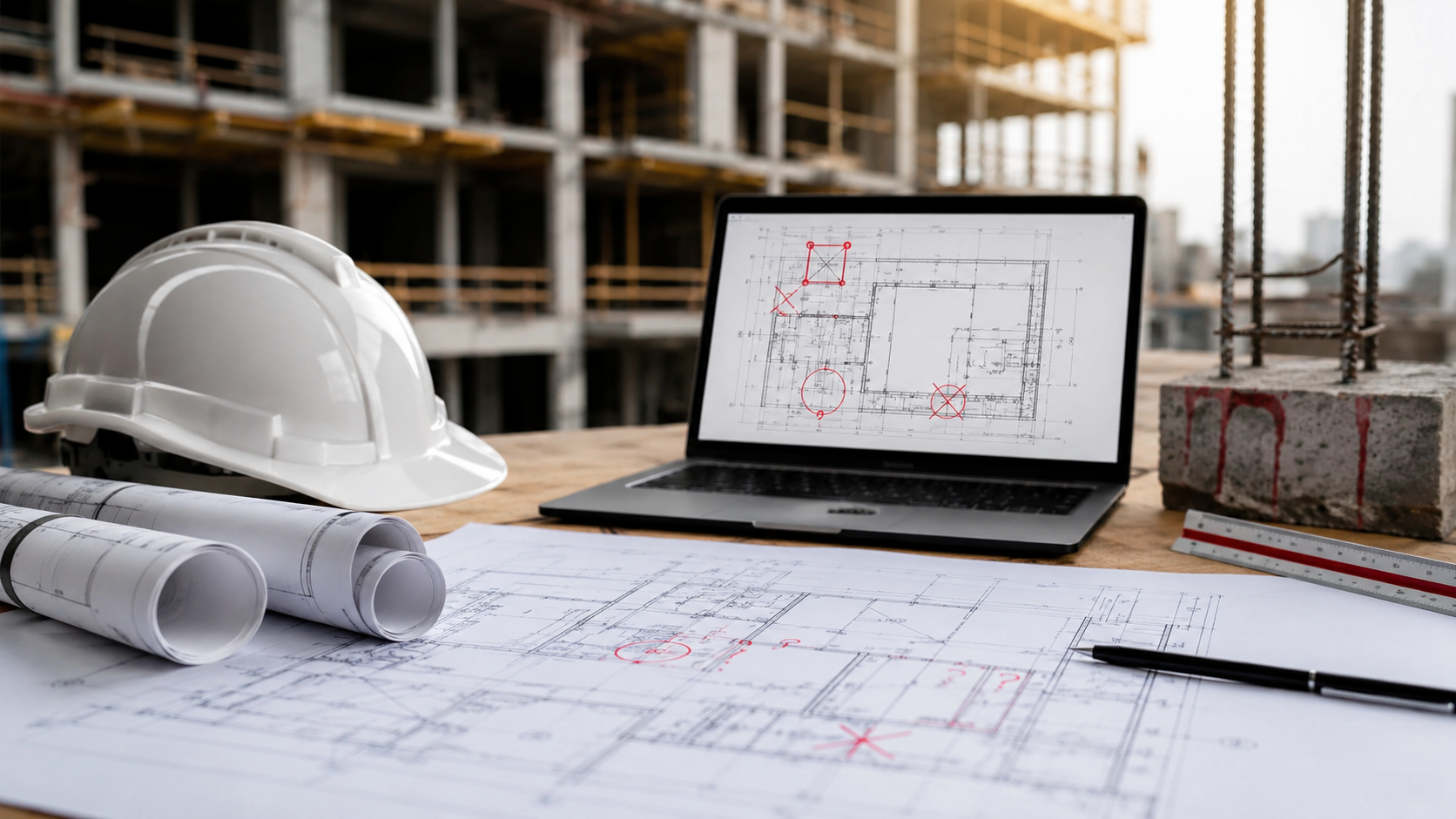
Digital tools have revolutionized how architects approach facade design. Building Information Modeling (BIM), computational design software, and environmental simulation tools enable precise performance prediction before construction begins. Architects can now model how a proposed facade will perform thermally, acoustically, and visually across different seasons and times of day.
For professionals seeking to collaborate on facade design projects, platforms like AECORD connect architects, engineers, and specialized facade consultants. Whether you're designing a residential project in Chennai or a commercial complex in Hyderabad, AECORD provides access to vetted professionals with expertise in modern facade systems.
Case Study: Facade Design in Indian Context
Consider a mixed-use development in Gurgaon: a 15-story building combining retail, offices, and residences. The facade design strategy addresses multiple challenges:
The retail base requires transparent facades for visual permeability and product display, achieved through floor-to-ceiling glazing.
Office floors need solar control to reduce cooling loads in Delhi's extreme summers, solved through kinetic louver systems that adjust based on sun position.
Residential floors prioritize privacy and thermal comfort, using a combination of opaque panels and strategic window placement.
The overall facade creates visual interest through material variation—glass, aluminum, and terracotta elements work together—while maintaining coherent design language.
This integrated approach demonstrates how contemporary facade design balances functional requirements with aesthetic aspirations, creating buildings that perform well and look distinctive within the Indian urban landscape.
Conclusion: Elevating Facade Design Practice in India
Modern facade design represents a convergence of art, science, and pragmatism. Whether you're designing a kinetic facade for a commercial tower, specifying materials for a residential project, or developing interiors that respond to facade-driven conditions, understanding these principles is essential for creating successful buildings in India's dynamic construction market.
The facade is your building's primary tool for environmental response, occupant experience, and visual communication. By approaching facade design with the rigor of performance engineering and the creativity of artistic expression, architects can create buildings that are simultaneously beautiful, functional, and sustainable.
If you're working on a new project that requires specialized facade expertise, AECORD connects you with experienced architects, facade consultants, and engineering professionals across India. Whether your project is in Bangalore, Mumbai, Delhi, or any other Indian city, you'll find qualified professionals ready to elevate your facade design. Explore AECORD's network of specialists today and discover how collaborative design can transform your architectural vision into reality.