Choosing the right paint or surface finish is one of the most critical decisions in interior design and home improvement. While homeowners and designers often spend weeks agonizing over the exact color shade, the sheen or finish is what truly dictates how that color behaves under different lighting conditions, how it withstands daily wear and tear, and how easy it is to maintain.
Whether you are revamping your kitchen cabinetry, updating living room walls, or choosing hardware fixtures, understanding the nuances of matte, glossy, and satin finishes ensures your space is both stunning and functional. This comprehensive guide breaks down the characteristics, pros, cons, and ideal applications for each finish type.
Understanding Paint and Surface Finishes
Before diving into specific sheens, it helps to understand what a "finish" actually is. A finish refers to the amount of light reflected by a dried paint film or coated surface.
The scale generally ranges from completely non-reflective (matte/flat) to highly reflective (gloss/high-gloss), with various levels of sheen falling in between. The more light a finish reflects, the more durable and washable it tends to be, but the more it will also highlight surface imperfections.
Build cost · Bengaluru, May 2026
1. Matte Finish (Flat)
A matte or flat finish has zero to very low reflectivity. Because it absorbs light rather than reflecting it, it creates a smooth, velvety appearance that diffuses light evenly across a room.
Pros of Matte Finishes:
Hides Imperfections: Excellent at masking minor dents, bumps, patch jobs, and wall texturing flaws.
Sophisticated Aesthetic: Provides a modern, high-end, contemporary look with rich, deep color saturation.
No Glare: Completely eliminates harsh light reflections, making rooms feel softer and more intimate.
Cons of Matte Finishes:
Lower Durability: Harder to clean and prone to burnishing (shining up) if scrubbed aggressively.
Stain Absorption: Absorbs oils and liquids easily, making it susceptible to permanent staining if not wiped down quickly.
Frequently asked
Best Applications:
Low-traffic living rooms and adult bedrooms.
Ceilings (where light reflection is undesirable and repairs are common).
Low-touch decorative accent walls.
2. Satin Finish
Satin is the ultimate "goldilocks" finish—sitting right in the middle of the sheen spectrum. It offers a soft, pearl-like luster that provides a subtle glow without being overwhelmingly shiny.
Pros of Satin Finishes:
Balanced Versatility: Combines enough sheen to be easily cleaned with enough matte quality to look soft and elegant.
Good Durability: Stands up well to moderate cleaning, moisture, and everyday wear and tear.
Lighting Adaptability: Performs exceptionally well in both natural daylight and warm evening indoor lighting.
Cons of Satin Finishes:
Reveals Brush Strokes: Can show application imperfections (like lap marks or brush strokes) if not applied by a skilled painter or with proper techniques.
Moderate Touch-Up Challenges: Touching up a small spot on a satin wall can sometimes leave a visible sheen mismatch compared to the surrounding aged paint.
Best Applications:
Hallways, corridors, and high-traffic family rooms.
Children's bedrooms and playrooms.
Interior doors, baseboards, and window trim.
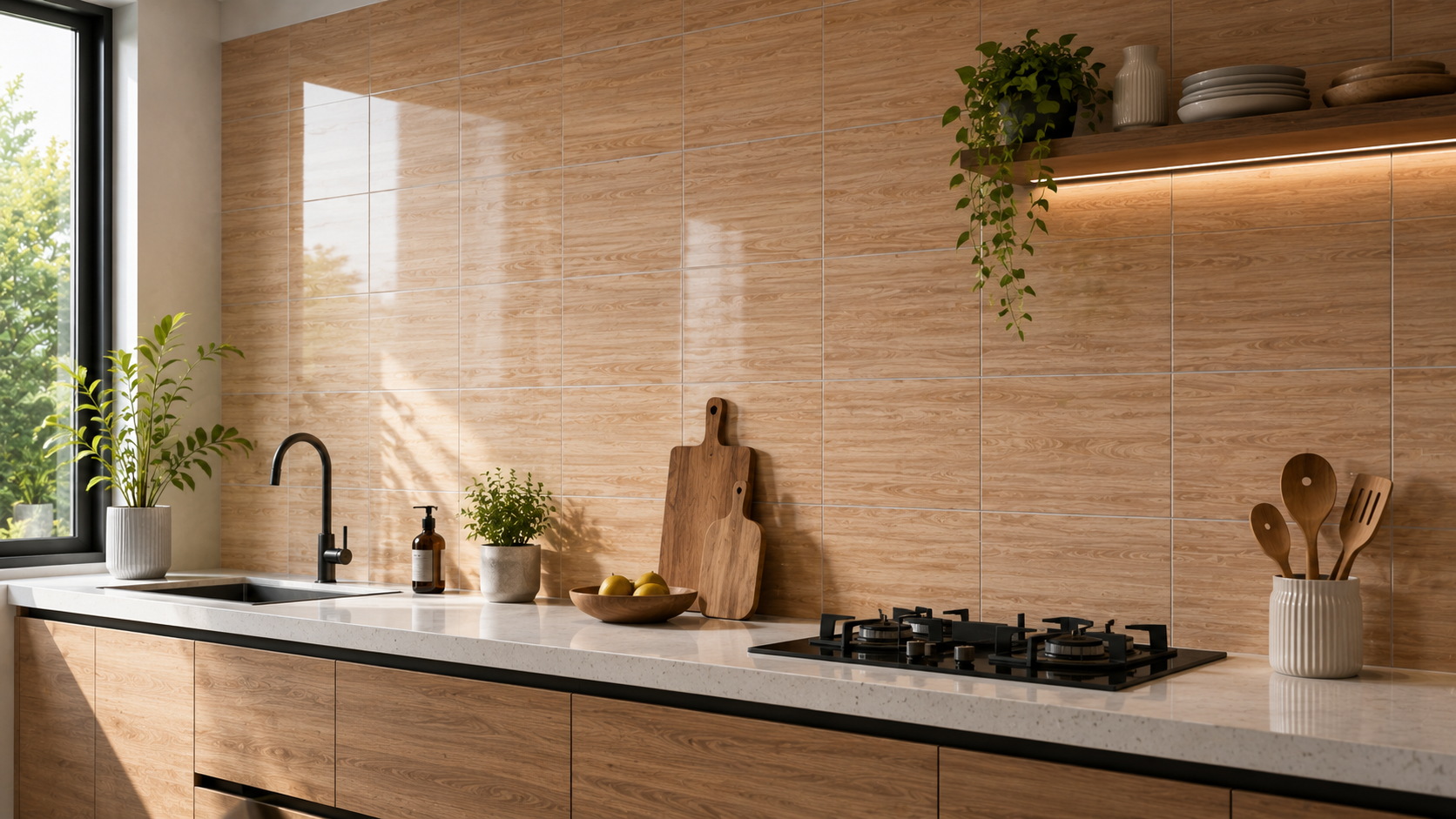
. They produce a brilliant, mirror-like shine that catches light dramatically and makes colors pop with intense vibrancy.
Pros of Glossy Finishes:
Maximum Durability: Incredibly tough, hardwearing, and highly resistant to moisture, humidity, grease, and frequent washing.
Stain Resistance: Liquids and oils sit on the surface rather than penetrating, making cleanup effortless.
Luxurious Impact: Adds drama, depth, and a high-end designer polish to architectural details.
Cons of Glossy Finishes:
Highlights Every Flaw: Acts like a magnifying glass for surface imperfections, dents, dust, and poor prep work.
Overwhelming on Large Areas: Using high-gloss paint on large walls can create uncomfortable glare and visual fatigue.
Best Applications:
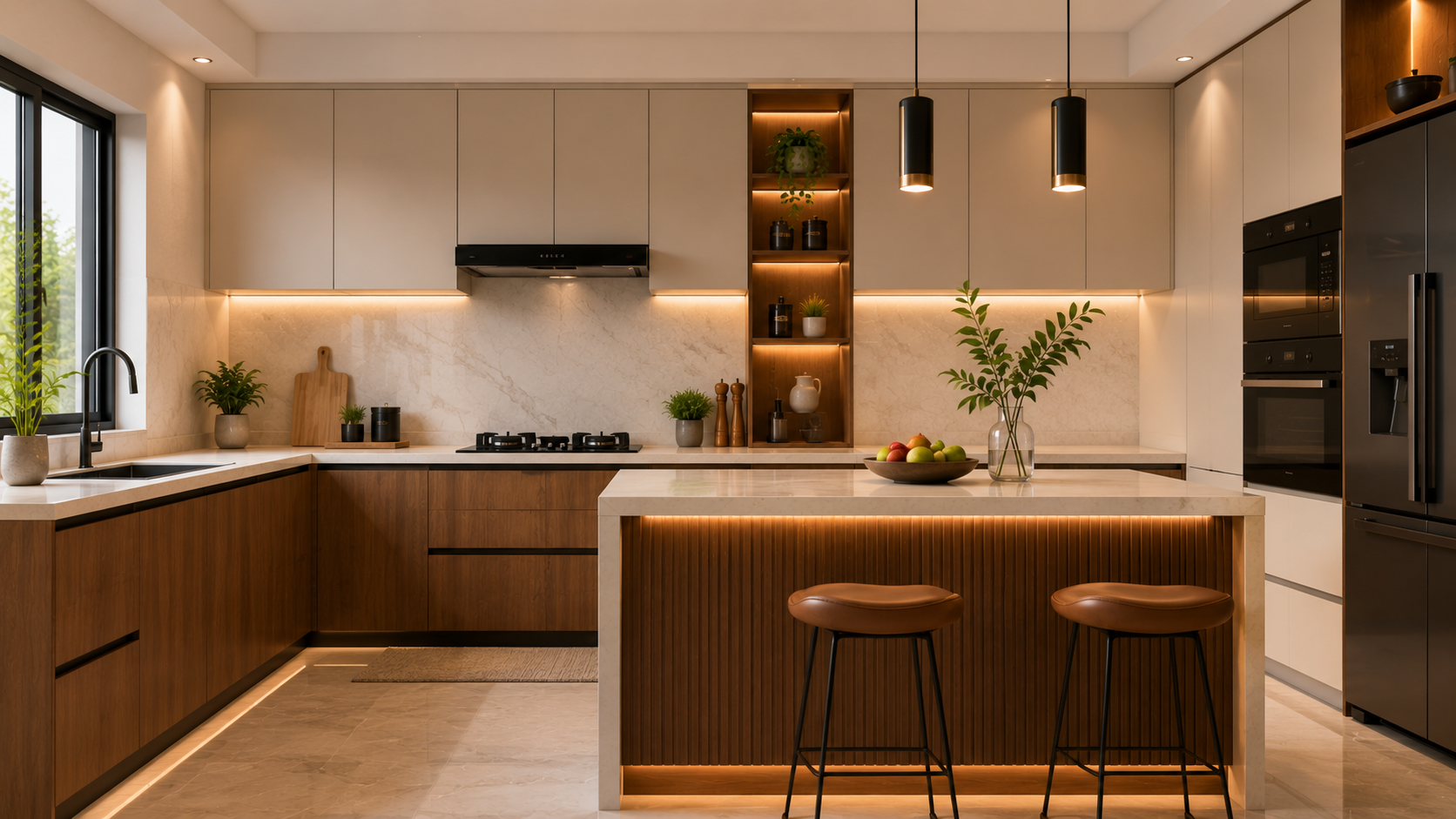
Kitchen cabinets and kitchen islands.
Bathroom vanities and moisture-prone trim.
Front doors, exterior shutters, and statement furniture pieces.
Feature | Matte (Flat) | Satin | Glossy |
Light Reflectivity | None / Very Low | Medium (Soft Glow) | High (Mirror-Like) |
Durability | Low | High | Maximum |
Cleanability | Difficult | Easy | Effortless |
Hides Flaws? | Excellent | Moderate | Poor (Highlights Flaws) |
Best Used For | Ceilings & Low-Traffic Walls | Hallways, Bedrooms, Trim | Cabinets, Doors, Furniture |
Factors to Consider When Choosing
Selecting the perfect paint finish involves considering several factors to ensure your chosen finish looks great and performs well in your space. Consider the amount of natural light in the room; glossy finish might enhance brightness but could also create glare, while matte finish might absorb too much light in a darker room. Assess the level of traffic and usage; high-traffic areas benefit from the durability and easy-to-clean nature of glossy or satin finishes. Understanding these factors helps you choose the right paint that aligns with the room's function and aesthetic goals. Consider whether you need matte paint, gloss paint or satin paint for the area to get the finish you need.
Common Mistakes to Avoid
Avoiding common mistakes when selecting paint finishes can save you time and money while ensuring a satisfying result. One frequent error is choosing a finish based solely on appearance without considering its durability and suitability for the space. For instance, using matte finish in a bathroom can lead to moisture damage, while glossy finish in a bedroom might create unwanted glare. Another mistake is neglecting surface preparation; even the best finish will look flawed if applied to an uneven or dirty surface. Taking the time to properly prepare the walls ensures that the chosen paint looks its best and lasts longer. Consider the type of finish you need to ensure the perfect finish.
How to Test Paint Finishes
Testing paint finishes before committing to a full application is a crucial step in ensuring satisfaction with your final result. Paint a small, inconspicuous area or use a sample board to observe how the finish looks under different lighting conditions. This allows you to assess the sheen level and how well the finish conceals imperfections. Additionally, test the finish's durability and cleanability by applying a small stain and attempting to wipe it off. Testing various types of paint finishes ensures you choose the right paint for the home. Finding the perfect finish can save you time and money in the long run. Selecting the perfect paint is crucial for a successful project.
Conclusion
Choosing the right finish is all about matching your personal style with the way you use your space. Matte finishes bring a soft, modern look that hides imperfections and creates a calm atmosphere. Glossy finishes add shine, reflect light beautifully, and can make a room feel more open and luxurious. Satin sits in between offering a smooth, slightly reflective surface that works well in almost any setting. There’s no single “best” choice; it depends on your home’s lighting, color palette, and how much care and cleaning you’re comfortable with. Take the time to think about the mood you want to create and how the finish will hold up over time. With the right choice, your finish will not only enhance your interiors but also make your space feel truly yours.
"Find Your Perfect Finish with AECORD"
If you’re unsure where to start, AECORD can make the process smoother and far less overwhelming. Choosing between matte, glossy, or satin isn’t just about looks it’s about finding a finish that complements your style, works well with your space, and stands the test of time. AECORD connects you with experienced interior designers and trusted suppliers who understand your needs, your budget, and your vision. You can explore curated ideas, compare material samples, and get expert advice on what works best for your lighting, color scheme, and day-to-day lifestyle. Whether you’re refreshing one room or redesigning your entire home, AECORD helps you make confident choices at every step. With the right guidance, your chosen finish won’t just look beautiful it will add comfort, character, and lasting value to your space for years to come.
Frequently Asked Questions
What is the difference between matte and glossy paint finishes?
Matte finishes have a non-reflective surface that absorbs light and hides wall imperfections, while glossy finishes are highly reflective and durable but highlight imperfections. Matte offers a soft, elegant look ideal for bedrooms, whereas glossy is better for high-moisture areas like kitchens and bathrooms.
Which paint finish is best for bathrooms and kitchens?
Glossy finishes are ideal for bathrooms and kitchens because they're highly durable, moisture-resistant, and easy to clean. Satin finishes are also a good option for these areas, offering better durability than matte while providing a less reflective appearance than full gloss.
Is satin paint finish better than matte?
Satin finishes offer a good compromise between matte and glossy—they're more durable and easier to clean than matte while appearing softer than gloss. Satin is versatile for multiple rooms including bedrooms, living rooms, and kitchens, making it a practical choice for most spaces.
Why does glossy paint show imperfections on walls?
Glossy finishes reflect light, which makes any wall imperfections, bumps, or uneven textures highly visible. This is why proper surface preparation is crucial before applying glossy paint, and why matte finishes are preferred when walls have minor flaws.
What are the disadvantages of matte paint finish?
Matte paint is generally less durable and harder to clean than satin or glossy finishes, making it unsuitable for high-traffic areas. It's best reserved for low-traffic spaces like bedrooms and living rooms where durability and easy cleaning are less critical.