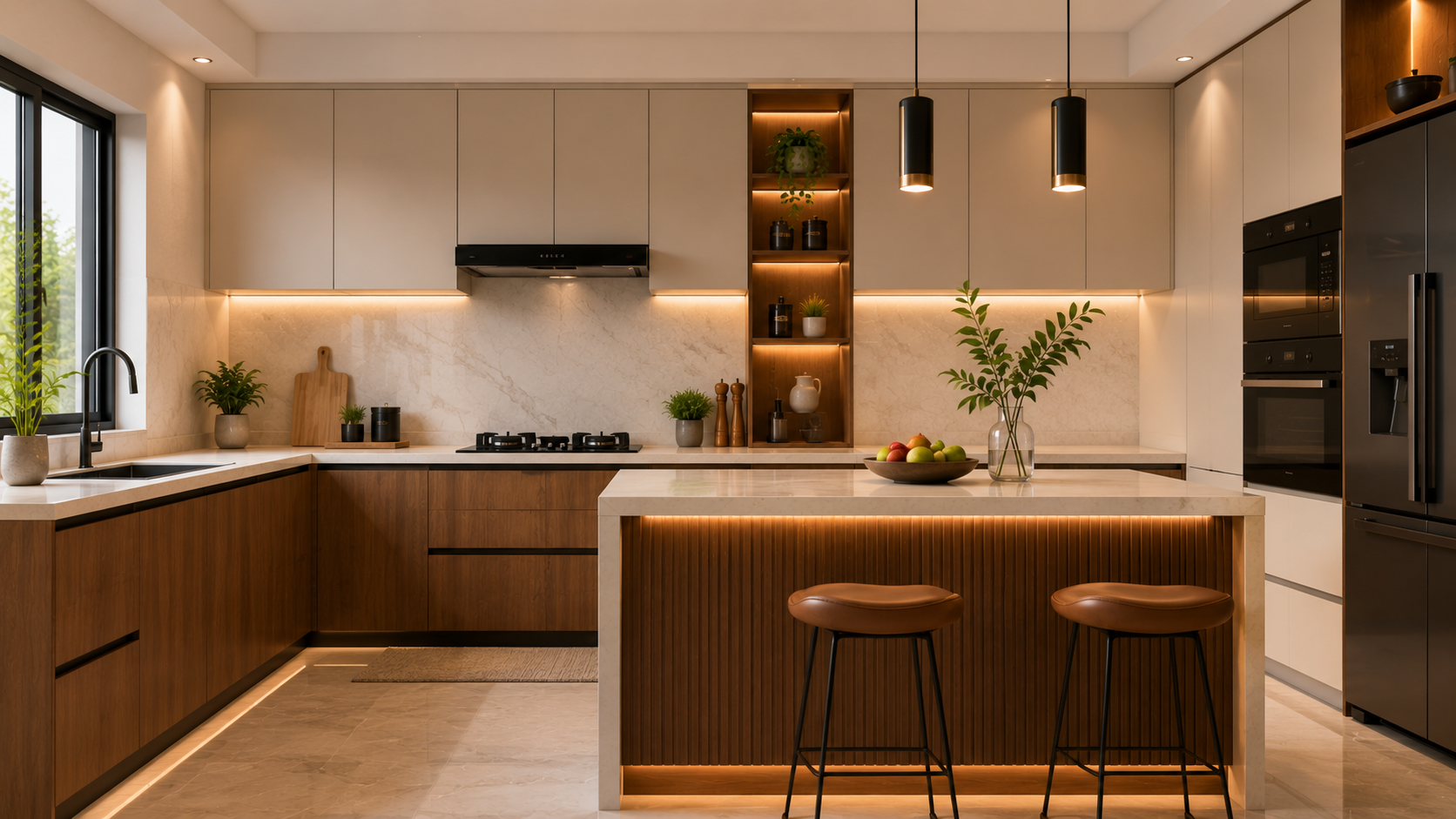
Understanding Ceramic Floor Tiles: A Comprehensive Guide for Indian Homeowners and Builders
Ceramic floor tiles have become one of the most popular flooring solutions across India, offering an excellent combination of durability, aesthetics, and affordability. Whether you're renovating your home in Mumbai, constructing a commercial space in Bangalore, or planning a residential project in Delhi, understanding ceramic tiles is essential for making informed decisions. This comprehensive guide will help you navigate the world of ceramic flooring and find the right solutions for your project.
Build cost · Bengaluru, May 2026
What Are Ceramic Floor Tiles?
Ceramic floor tiles are manufactured from clay, minerals, and other natural materials that are mixed, shaped, and fired in kilns at extremely high temperatures. This process creates a hard, non-porous surface that is resistant to water, stains, and wear. Unlike natural stone tiles, ceramic tiles are engineered products that offer consistent quality, uniform sizing, and predictable performance.
The basic composition of ceramic tiles includes:
Clay: Forms the primary structural component
Silica: Adds strength and durability
Feldspar: Reduces the melting point and improves bonding
Pigments and glazes: Provide color, pattern, and protective coating
In India, ceramic tiles are manufactured across multiple regions including Tamil Nadu, Rajasthan, Gujarat, and Andhra Pradesh, with major production centers in cities like Morbi and Visakhapatnam. The Indian ceramic tile industry produces over 300 million square meters annually, making it one of the world's largest producers./blog/carpet-flooring-rugs-guide-for-indian-spaces
Types of Ceramic Floor Tiles
Glazed Ceramic Tiles
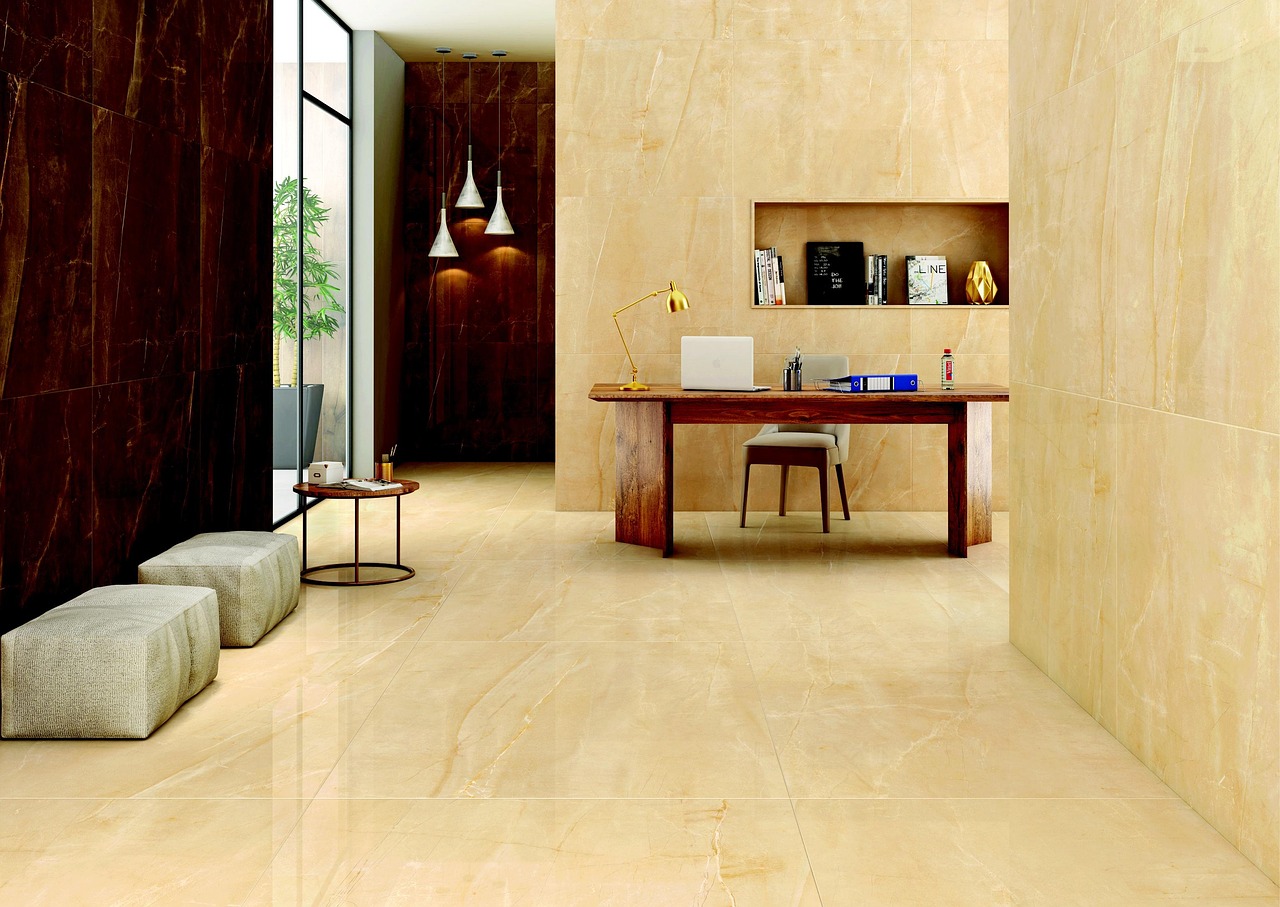
Glazed ceramic tiles feature a protective glass-like coating applied before firing. This glaze provides a finished appearance, enhances water resistance, and makes cleaning easier. Glazed tiles are available in various finishes:
Glossy finish: Highly reflective and elegant but can be slippery
Matte finish: Non-reflective with better slip resistance, ideal for kitchens and bathrooms
Satin finish: Offers a balance between gloss and matte with moderate slip resistance
Glazed tiles typically cost between ₹150 to ₹500 per square foot in the Indian market, depending on quality and design complexity.
Frequently asked
Unglazed Ceramic Tiles
Unglazed tiles retain the natural color and texture of the clay body without any protective coating. They offer:
Excellent slip resistance, making them ideal for outdoor areas and high-traffic zones
A more natural, earthy appearance
Better durability in heavy-use environments
Lower cost compared to glazed alternatives
These tiles are commonly used in commercial spaces, industrial areas, and outdoor patios across Indian cities like Pune, Hyderabad, and Chennai.
Porcelain Tiles
While technically a subset of ceramic tiles, porcelain tiles are made from refined clay fired at higher temperatures, resulting in a denser, more durable product. They offer superior water absorption rates (less than 0.5%) and are suitable for both indoor and outdoor applications. Porcelain tiles range from ₹300 to ₹1,500 per square foot depending on finish and design.
Key Advantages of Ceramic Floor Tiles
Durability and Longevity
Ceramic tiles can last 20-30 years or more with proper installation and maintenance. They resist scratches, dents, and general wear, making them an excellent long-term investment for residential and commercial properties across India.
Water and Stain Resistance
The glazed surface of ceramic tiles creates a non-porous barrier that prevents water absorption and staining. This characteristic makes them perfect for kitchens, bathrooms, and areas prone to moisture—particularly important in India's humid coastal cities like Mumbai, Goa, and Kochi.
Easy Maintenance
Ceramic tiles require minimal maintenance. Regular sweeping and occasional mopping with mild detergent keep them looking new. Unlike natural stone, they don't require sealing or special treatments, saving both time and money over their lifetime.
Cost-Effectiveness
Compared to natural stone, wood, or premium flooring materials, ceramic tiles offer exceptional value. Initial installation costs are reasonable, and long-term maintenance expenses are minimal. This affordability makes ceramic tiles accessible to homeowners across all budget ranges in India.
Design Versatility
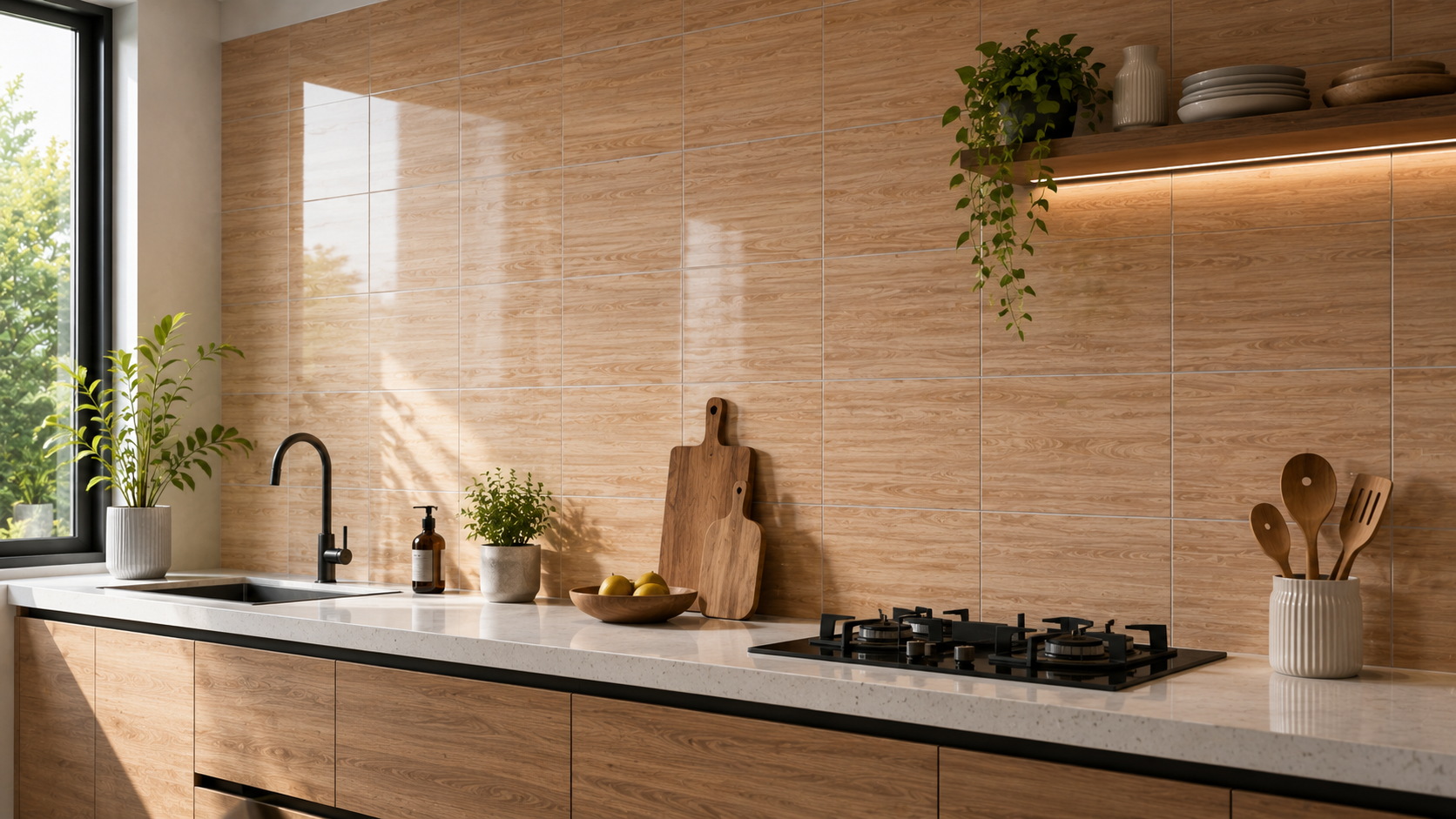
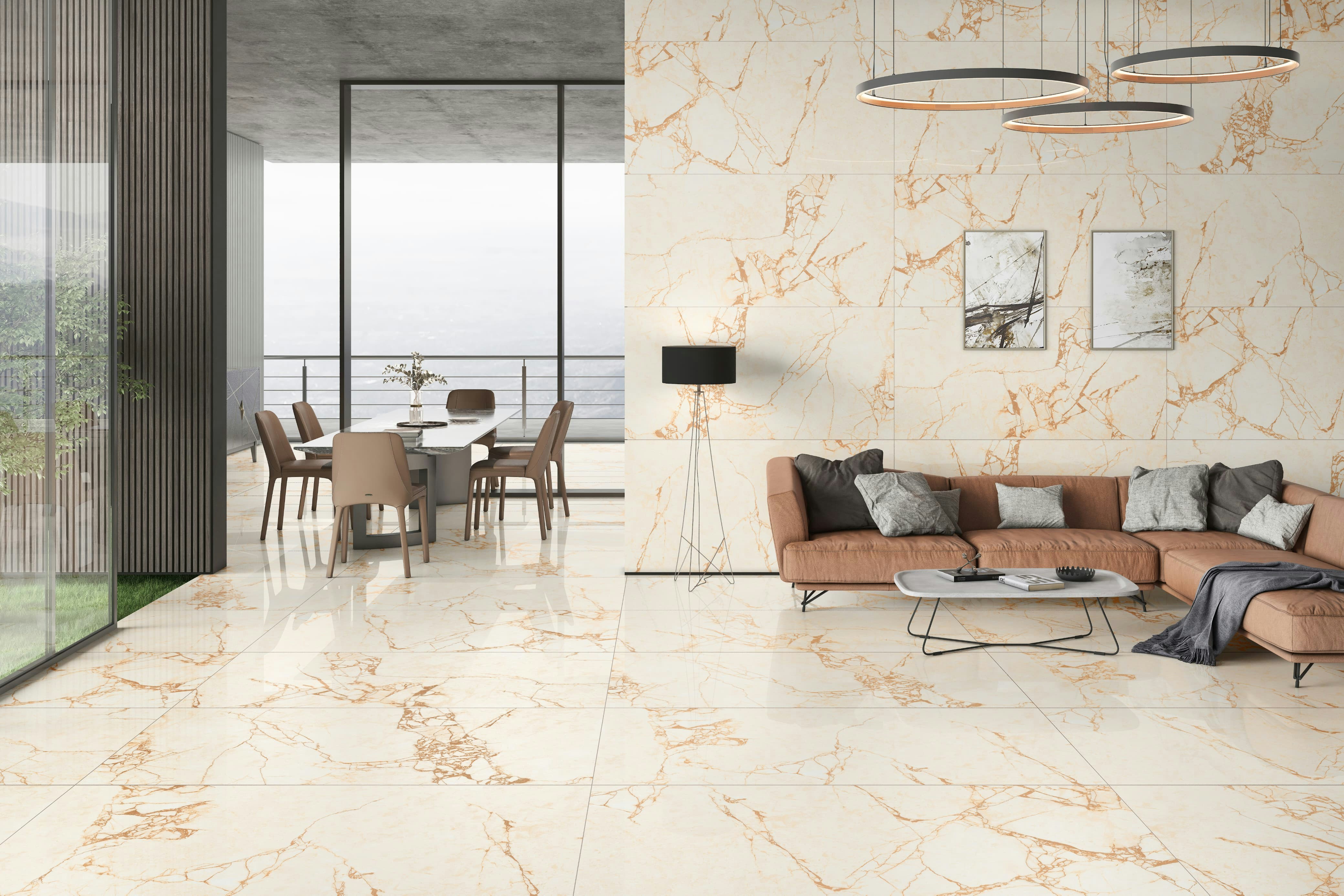
Modern manufacturing allows ceramic tiles to mimic natural stone, wood, and various textures. Whether you prefer the look of Italian marble in your Bangalore apartment or rustic stone in your Jaipur villa, ceramic tiles can replicate these aesthetics at a fraction of the cost.
Environmental Considerations
Ceramic tiles are made from natural, recyclable materials and have a lower environmental impact compared to many synthetic flooring options. Many Indian manufacturers are adopting sustainable production practices.
Ceramic Tile Sizes and Specifications
Understanding tile sizes helps in planning your flooring project effectively:
Small tiles (150mm × 150mm to 200mm × 200mm): Traditional size, popular for detailed patterns and smaller spaces
Medium tiles (300mm × 300mm to 400mm × 400mm): Versatile, suitable for most residential applications
Large tiles (600mm × 600mm to 800mm × 800mm): Modern aesthetic, fewer grout lines, easier to clean
Extra-large tiles (1000mm × 1000mm and above): Contemporary look, requires professional installation
The Porcelain Enamel Association (PEA) and Indian Standards Institution (ISI) provide guidelines for tile quality. Look for tiles certified to IS 13630 for glazed ceramic tiles or IS 13629 for unglazed varieties.
Choosing the Right Ceramic Tiles for Your Project
Consider Your Space
Different areas of your home or building require different tile characteristics:
Living areas and bedrooms: Choose aesthetically pleasing tiles with moderate slip resistance
Kitchens: Opt for matte-finish tiles with excellent slip resistance and easy-to-clean surfaces
Bathrooms: Select highly water-resistant tiles with good grip, especially for wet areas
Outdoor spaces: Use unglazed or textured tiles that provide traction and withstand weather variations
Evaluate Slip Resistance
The coefficient of friction (COF) rating indicates slip resistance. For safety:
Dry areas: COF 0.4-0.5 is acceptable
Wet areas: COF 0.6 or higher is recommended
Commercial kitchens and bathrooms: COF 0.75 or higher is essential
Budget Planning
When budgeting for ceramic tile flooring in India, consider:
Material cost: ₹150-₹1,500 per square foot depending on quality and design
Installation labor: ₹100-₹300 per square foot in major cities
Additional materials: Adhesive, grout, sealants (₹50-₹150 per square foot)
Waste factor: Add 10-15% to your total quantity for cuts and breakage
For a 1,000 square foot apartment in Delhi or Mumbai, expect total flooring costs between ₹3 to ₹8 lakhs depending on tile quality and complexity of installation.
Color and Design Selection
Ceramic tiles come in countless colors and patterns. Consider:
Neutral tones: Beige, gray, and white tiles are timeless and work with various interior styles
Bold colors: Vibrant tiles can create statement spaces but may require more careful coordination
Patterns: Geometric designs, wood-look tiles, and stone textures are currently trending across Indian homes
Lighting: Test tiles in your actual space's lighting conditions before finalizing
Installation Considerations for Ceramic Tiles
Substrate Preparation
Proper substrate preparation is crucial for successful tile installation. The base should be:
Structurally sound and stable
Clean and free from dust, grease, and loose materials
Properly sloped for areas where water drainage is necessary
Reinforced in wet areas with waterproofing membranes
Professional Installation
While ceramic tiles can be DIY-friendly for small projects, professional installation ensures:
Proper alignment and consistent grout lines
Correct adhesive application and curing time
Appropriate waterproofing in wet areas
Warranty coverage for workmanship
On AECORD, you can find experienced tile contractors and installation professionals across Indian cities who can ensure quality workmanship and proper execution of your tiling project.
Grout Selection
The grout you choose affects both aesthetics and durability:
Cement-based grout: Economical, available in various colors, requires sealing in wet areas
Epoxy grout: More expensive but highly water-resistant and stain-proof, ideal for kitchens and bathrooms
Urethane grout: Flexible and water-resistant, suitable for areas prone to movement
Maintenance and Care of Ceramic Floor Tiles
Daily Cleaning
Maintain your ceramic tiles with simple routine care:
Sweep or vacuum regularly to remove dirt and debris
Wipe spills immediately to prevent staining
Use a damp mop with mild detergent for regular cleaning
Avoid excessive water that can seep into grout lines
Deep Cleaning
Periodically deep clean your tiles:
Use a mixture of water and white vinegar for natural cleaning
Apply commercial tile cleaners according to manufacturer instructions
Scrub grout lines with a soft brush to prevent mold and mildew growth
Rinse thoroughly with clean water
Grout Maintenance
Grout requires special attention, especially in wet areas:
Seal grout lines 2-3 weeks after installation
Reapply sealant every 1-2 years depending on usage
Replace damaged grout sections promptly to prevent water infiltration
Use mold-resistant grout in bathrooms and kitchens
Common Mistakes to Avoid
When installing ceramic tiles, avoid these common pitfalls:
Inadequate substrate preparation: Leads to cracking and uneven surfaces
Using wrong adhesive: Different tiles and substrates require specific adhesives
Insufficient waterproofing: Critical in bathrooms and kitchens to prevent water damage
Poor grout application: Incomplete grout coverage can compromise tile durability
Ignoring slip resistance: Can create safety hazards in wet areas
Skipping expansion joints: Necessary to accommodate natural tile and substrate movement
Ceramic Tiles in Modern Indian Architecture
Contemporary Indian architecture increasingly incorporates ceramic tiles in innovative ways:
Large-format tiles: Creating seamless, modern aesthetics in luxury apartments across Bangalore, Mumbai, and Pune
Wood-look ceramics: Combining the warmth of wood with the practicality of tiles in residential projects
Textured finishes: Adding visual interest and improved slip resistance in commercial spaces
Geometric patterns: Reflecting contemporary design trends in upscale homes and boutique hotels
Finding Quality Ceramic Tiles and Professional Installation
When sourcing materials and services for your ceramic tile project, AECORD provides access to verified suppliers, manufacturers, and installation professionals across India. You can browse through different tile options, compare prices, and connect with experienced contractors who understand local building codes and climate considerations specific to your region.
Whether you're in Hyderabad, Chennai, Kolkata, or smaller cities, AECORD helps you find reliable professionals who can guide you through tile selection, installation, and maintenance.
Conclusion
Ceramic floor tiles remain an excellent choice for Indian homeowners and builders seeking a balance of aesthetics, durability, and affordability. With proper selection, installation, and maintenance, ceramic tiles can serve your spaces beautifully for decades. By understanding the different types available, considering your specific needs, and working with qualified professionals, you can create stunning flooring that enhances your property's value and functionality.
Ready to start your ceramic tile flooring project? Explore AECORD's marketplace to connect with trusted tile suppliers, contractors, and design professionals in your area. Get expert recommendations, compare options, and bring your flooring vision to life with confidence.