The architecture industry is undergoing a remarkable transformation, and artificial intelligence is at the forefront of this revolution. As we move into 2026, AI tools have become indispensable for architects across India, from Delhi to Bangalore, Mumbai to Pune. These tools are streamlining design processes, improving client presentations, and significantly reducing project timelines. Whether you're working on residential complexes in Hyderabad or commercial spaces in Gurugram, the right AI tools can dramatically enhance your productivity and creative output.
The Current State of AI in Architecture
The adoption of AI tools in architecture has accelerated dramatically over the past two years. According to industry reports, over 60% of architecture firms in India are now experimenting with or actively using AI-powered solutions. These tools range from generative design platforms to AI-assisted rendering engines, each serving specific needs within the design and planning workflow.
The Indian architecture market, valued at over ₹50,000 crores, is increasingly recognizing that AI isn't a threat to traditional design expertise—it's an amplifier of it. Architects who leverage these tools effectively can handle more projects, deliver faster iterations, and provide clients with more innovative solutions. This is particularly valuable in India's booming construction sector, where timelines are often compressed and client expectations are rising.
Build cost · Bengaluru, May 2026
Top AI Tools for Architectural Design in 2026
1. Generative Design Platforms
Autodesk Fusion 360 with Generative Design remains one of the most powerful tools for architects looking to explore multiple design variations. This platform allows you to input design constraints, materials, and performance goals, and the AI generates hundreds of optimized design alternatives in minutes.
For Indian architects, this is particularly useful when working on sustainable building designs. You can input local climate data for cities like Chennai, Bangalore, or Jaipur, and the tool will generate designs optimized for those specific conditions. The cost ranges from ₹30,000 to ₹60,000 annually, depending on your subscription tier.
Spacemaker by Sidewalk Infrastructure Partners is another excellent option for site planning and urban design. It uses AI to analyze urban sites and generate multiple design options based on regulatory constraints, views, sunlight, and other parameters specific to Indian cities. This tool is invaluable for architects working on projects in densely populated urban areas like Mumbai or Delhi.
2. AI-Powered Rendering and Visualization Tools
Client presentations have been revolutionized by AI rendering tools. Lumion with AI features now includes AI-assisted material generation and lighting optimization. What previously took hours can now be accomplished in minutes, allowing architects to present multiple design variations to clients quickly.
Chaos V-Ray with AI Denoiser uses machine learning to produce cleaner, faster renders. This is particularly valuable for architects in India who need to manage project costs efficiently. The tool reduces rendering time by up to 70%, which translates to significant savings on computational resources and labor costs.
Midjourney and DALL-E 3 have become popular for quick conceptual visualization. While these general-purpose AI image generators aren't architecture-specific, many architects use them for initial concept exploration and client communication. A single image can be generated in seconds, making them useful for brainstorming sessions.
Frequently asked
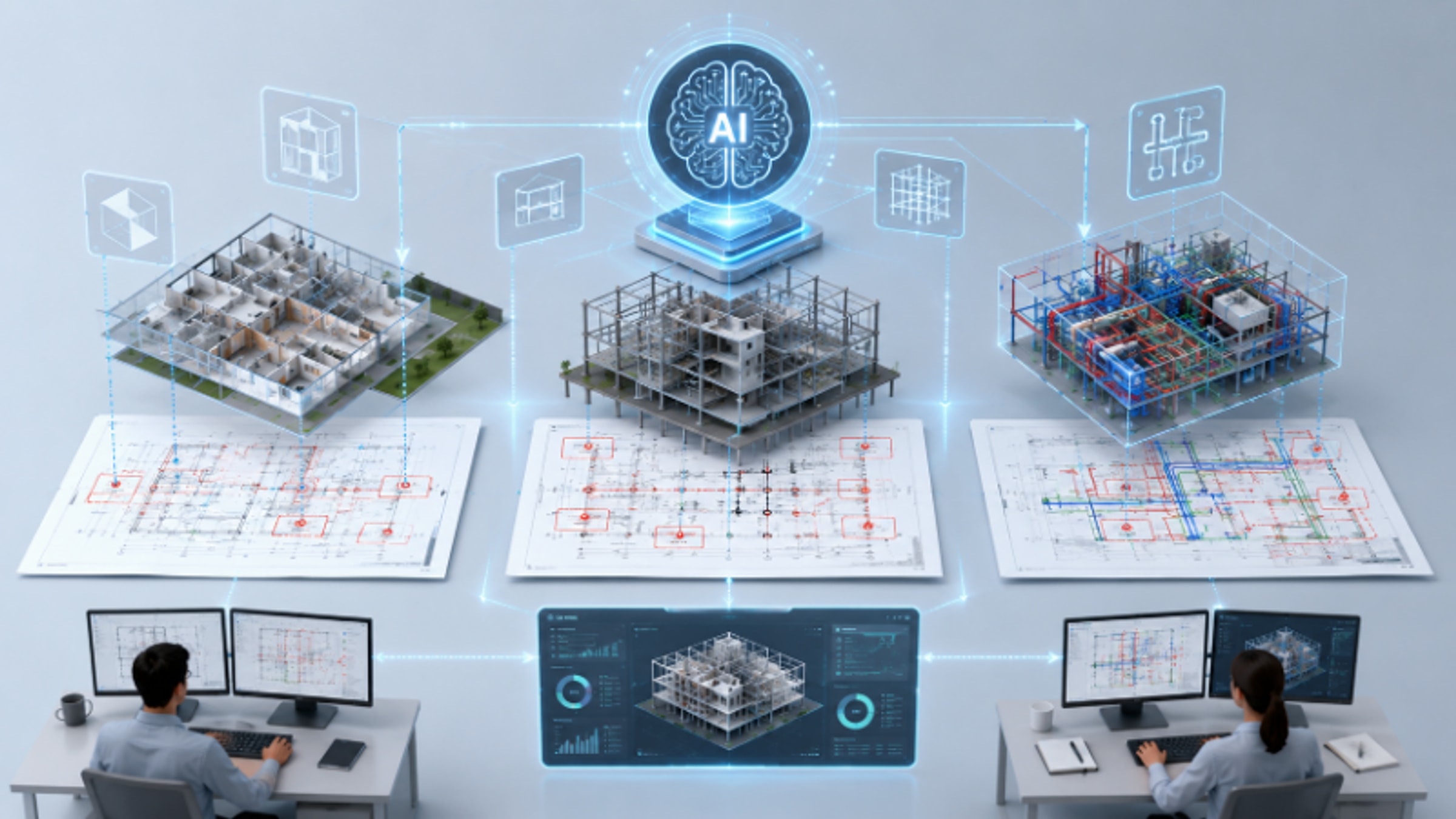
3. AI-Assisted Building Information Modeling (BIM)
Revit with AI plugins has introduced machine learning capabilities for automating repetitive modeling tasks. Tools like Revizto and BIM 360 now include AI features for clash detection, schedule optimization, and project coordination—critical for large-scale projects across Indian cities.
Digital Twins and AI-powered BIM platforms allow architects to create intelligent 3D models that learn from project data. This is particularly valuable for facilities management in India's growing smart building sector. Firms like those based in Bangalore and Pune are already using these tools to manage complex commercial and residential projects.
4. AI for Sustainable and Energy-Efficient Design
Insight by Ladybug Tools integrates AI with environmental analysis. It can analyze solar exposure, wind patterns, and thermal performance specific to Indian climate zones. This is essential for architects designing buildings that comply with India's Energy Conservation Building Code (ECBC).
Ecotect Analysis alternative platforms with AI help optimize building performance before construction begins. Given India's diverse climate zones—from the coastal humidity of Kochi to the dry heat of Rajasthan—these tools are invaluable for creating contextually appropriate designs.
The cost savings are substantial. Using AI-powered energy analysis can reduce operational costs by 20-30%, which is a significant selling point for commercial clients in metros like Bangalore and Hyderabad.
AI Tools for Project Management and Collaboration
Intelligent Project Coordination
Touchplan with AI features uses machine learning to optimize project schedules and resource allocation. For architecture firms managing multiple projects across different Indian cities, this tool can automatically identify bottlenecks and suggest optimizations.
Bridgit Bench uses AI to match team members to projects based on skills and availability. This is particularly useful for larger firms with distributed teams across cities like Delhi, Mumbai, Pune, and Bangalore.
AI-Powered Communication Tools
Microsoft Copilot for Microsoft Teams and similar AI assistants can transcribe meetings, generate action items, and even draft project documentation. For architects juggling client calls, team meetings, and documentation, these tools save significant time—potentially 5-10 hours per week per team member.
Emerging AI Tools to Watch in 2026
Generative AI for Code Compliance
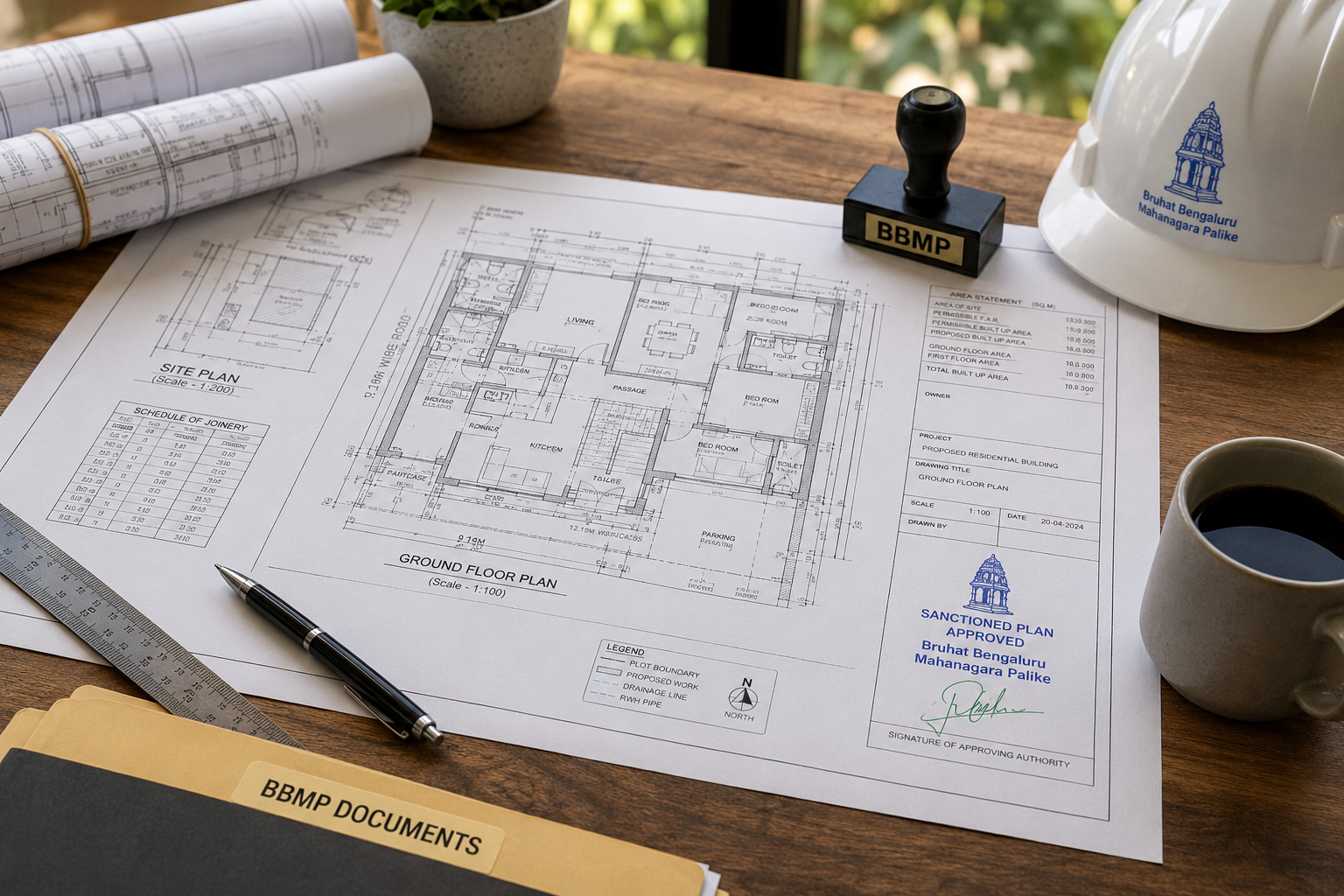
One of the most exciting developments is AI tools that check building designs against local codes and regulations. While not yet widely available in India, several startups are developing tools that can automatically verify compliance with Indian building codes, National Building Code (NBC) requirements, and local municipal regulations across different states.
Imagine submitting your design to an AI system that instantly identifies code violations for a project in Bangalore, Mumbai, or any other Indian city. This could reduce approval timelines from months to weeks.
AI for Cost Estimation
Emerging tools are using machine learning on historical project data to provide accurate cost estimates. For Indian architects, this is crucial—accurate budgeting in INR is essential for project viability. Tools that can analyze material costs, labor rates, and regional variations across India's diverse market are becoming increasingly valuable.
AI-Generated Specifications
AI is beginning to generate detailed technical specifications based on design parameters. This automation could save architects dozens of hours on documentation for each project.
Practical Tips for Implementing AI Tools in Your Practice
Start Small and Strategic
Don't try to implement every AI tool at once. Identify your biggest pain point—whether it's rendering time, project coordination, or design exploration—and choose a tool that addresses that specific need. Many architects find that starting with a rendering tool or generative design platform provides immediate, visible benefits.
Invest in Training
AI tools are only as effective as the people using them. Budget for training—whether through online courses, vendor-provided training, or hiring specialists. In India's competitive architecture market, firms that master these tools will have a significant advantage.
Maintain Your Unique Design Voice
AI is a tool for enhancement, not replacement. The best outcomes come when architects use AI to handle routine tasks while focusing their creativity on unique design challenges. Your design expertise and understanding of local context—whether it's the architectural heritage of Jaipur or the modern aesthetic of Gurgaon—remains irreplaceable.
Consider Data Privacy and Security
When using cloud-based AI tools, ensure your firm's data is protected. Choose tools with strong security measures and clear data policies, especially important when handling sensitive client information and proprietary designs.
ROI and Cost-Benefit Analysis
Implementing AI tools requires investment, but the returns can be substantial. Here's what many Indian architecture firms are experiencing:
Time Savings: 20-40% reduction in design iteration time
Rendering Efficiency: 50-70% faster visualization and presentation
Client Satisfaction: More design options and faster revisions improve client experience
Project Capacity: Same team can handle 30-50% more projects
Error Reduction: AI-powered checking catches mistakes before they become expensive problems
For a mid-sized architecture firm in India with 15-20 architects, implementing a comprehensive AI toolkit (costing ₹2,00,000 to ₹5,00,000 annually) could generate returns of ₹15,00,000 to ₹30,00,000 through increased capacity and efficiency within the first year.
The Future of AI in Indian Architecture
Looking ahead to 2026 and beyond, several trends are emerging:
Localization: More AI tools will be developed specifically for Indian building codes, climate zones, and construction practices
Integration: Seamless integration between different AI tools and traditional CAD/BIM software
Affordability: As competition increases, costs will decrease, making advanced AI tools accessible to smaller firms
Specialization: AI tools will become more specialized for different building types and project phases
Regulation: India will likely develop guidelines for AI use in architecture and construction, similar to regulations emerging globally
Challenges and Considerations
While AI tools offer tremendous benefits, architects should be aware of challenges:
Learning Curve: New tools require time and effort to master
Initial Investment: Subscription costs and training expenses add up
Quality Control: AI-generated outputs require human review and refinement
Creativity Concerns: Over-reliance on AI can lead to homogenized designs
Job Market Impact: While AI augments rather than replaces architects, the profession will evolve
Building Your AI-Enhanced Practice
The architecture firms that will thrive in 2026 are those that strategically integrate AI tools into their workflows while maintaining the human creativity and contextual understanding that defines great architecture. Whether you're designing sustainable residential complexes in Pune, commercial towers in Mumbai, or heritage-sensitive projects in Delhi, AI tools can enhance your capabilities.
The key is choosing tools that align with your practice's specific needs and project types. Consider your project scale, client expectations, and team expertise when evaluating options. Many successful Indian architecture firms are now using a combination of tools—generative design for conceptual phases, advanced rendering for presentations, and AI-powered coordination for project management.
If you're looking to expand your team with AI specialists or need to connect with professionals who have expertise in these emerging tools, AECORD is India's premier B2B2C marketplace for AECO professionals. You can find specialists in AI-enhanced architecture, BIM coordination, and digital design across India's major cities. AECORD makes it easy to find vetted professionals who can help you implement these technologies effectively.
Conclusion
AI tools in 2026 represent a maturation of technology that's now practical and accessible for architecture firms of all sizes across India. From generative design platforms that explore thousands of possibilities to AI-powered rendering that accelerates client presentations, these tools are fundamentally changing how architects work.
The question isn't whether to adopt AI tools—it's which ones to adopt and how to integrate them into your practice. Start by identifying your highest-impact pain point, choose a tool that addresses it, invest in training, and measure your results. As you gain experience and confidence, you can expand your AI toolkit.
The architects who embrace these tools thoughtfully, while maintaining their design integrity and understanding of local context, will be the ones leading the profession forward. Whether you're in Bangalore, Mumbai, Delhi, or any other Indian city, the future of architecture is augmented by AI—and that future is now.
Ready to take your architecture practice to the next level? Explore AECORD's network of AI-savvy architects and digital specialists who can help you implement these tools effectively and maximize your competitive advantage in India's dynamic construction market.