

Understanding Textile Laminates: A Comprehensive Guide for Indian AECO Professionals
Textile laminates have become an increasingly popular material choice in the architecture, engineering, construction, and operations (AECO) sector across India. These versatile composite materials combine the durability of laminates with the aesthetic appeal and functionality of textiles, making them ideal for a wide range of interior and exterior applications. Whether you're working on commercial spaces in Bangalore, residential projects in Mumbai, or institutional buildings in Delhi, understanding textile laminates can significantly enhance your design options and project outcomes. /blog/ppc-vs-opc-cement-which-is-better-for-house-construction-in-india
Build cost · Bengaluru, May 2026
What Are Textile Laminates?
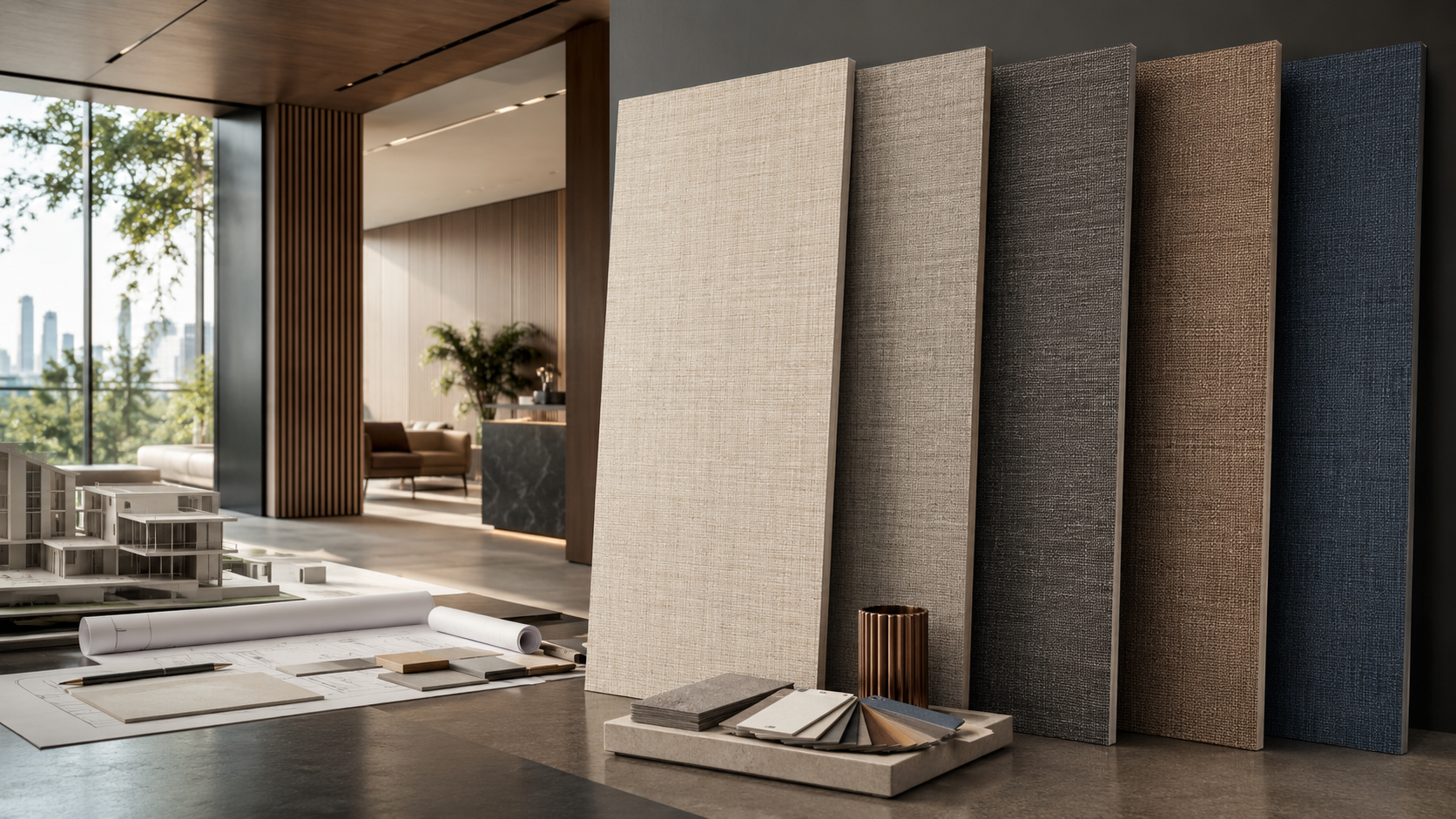
Textile laminates are engineered composite materials created by bonding textile fabrics to a substrate using adhesives and heat. The process results in a durable, rigid material that maintains the visual and tactile qualities of the original textile while gaining enhanced strength and stability. These laminates are manufactured to strict specifications, with dimensions like 8 ft x 4 ft (2440 mm x 1220 mm) being standard in the Indian market, making them convenient for various applications without excessive cutting or waste.
The "twist textile finish" designation refers to a specific weaving pattern where the fibers are twisted together, creating a textured surface that adds depth and visual interest. This particular finish is prized for its ability to hide fingerprints and dust while maintaining an elegant appearance—a crucial consideration for high-traffic commercial spaces in cities like Bangalore, Hyderabad, and Pune.
Specifications and Technical Details
Understanding the Dimensions and Thickness
The specification "1.0 mm" refers to the thickness of the textile laminate. This measurement is critical for several reasons. A 1.0 mm thickness provides an optimal balance between flexibility during installation and rigidity during use. It's thick enough to resist denting and damage from normal wear and tear, yet thin enough to be easily transported and installed without requiring specialized equipment.
The 8 ft x 4 ft (2440 mm x 1220 mm) sheet size is the international standard that has been widely adopted in India. This size offers several practical advantages for construction professionals:
Minimal waste during cutting and installation
Easy handling by standard two-person teams
Compatibility with most wall frames and structural systems
Cost-effectiveness in terms of material usage
Reduced installation time on job sites
Frequently asked
The Twist Textile Finish Explained
The twist textile finish is a weaving technique where individual fibers are twisted around each other at regular intervals. This creates a distinctive pattern that serves both aesthetic and functional purposes. Visually, it provides a sophisticated, modern appearance that works well in contemporary office spaces, retail environments, and upscale residential projects across Indian metropolitan areas./blog/gfrc-panels
Functionally, the textured surface of twist-finished laminates offers several advantages. The irregular surface pattern helps to diffuse light, reducing glare and creating a more comfortable visual environment. It also makes the material less prone to showing dust, fingerprints, and minor scratches—a significant advantage in India's urban environments where air quality and dust accumulation can be concerns.
Applications in Indian Construction and Design
Commercial Spaces
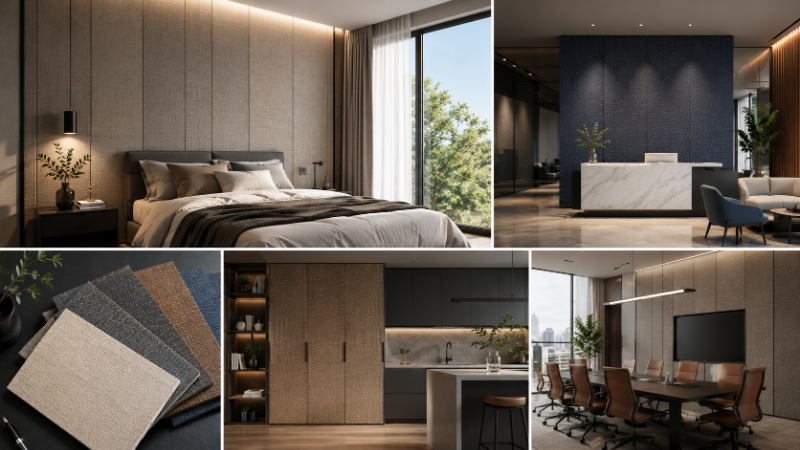
Textile laminates are increasingly used in commercial applications across Indian cities. In office buildings in Mumbai's financial district or Bangalore's IT corridor, these materials are popular for:
Interior wall cladding: Creating feature walls in reception areas and conference rooms
Partition systems: Dividing open-plan offices while maintaining aesthetic appeal
Furniture facing: Cabinet doors, desk fronts, and storage solutions
Acoustic applications: Improving sound absorption in collaborative work spaces
The cost-effectiveness of textile laminates makes them particularly attractive for commercial projects. When sourced through platforms like AECORD, these materials can be obtained at competitive rates, helping project managers maintain budgets while delivering high-quality finishes.
Residential Applications
In residential projects across Indian metros, textile laminates serve multiple purposes:
Bedroom wall panels: Creating sophisticated, textured accent walls
Kitchen and bathroom finishes: Providing durable, moisture-resistant surfaces
Wardrobe interiors: Offering an elegant finish for custom furniture
Living area features: Adding visual interest to modern interior designs
Homeowners and interior designers in cities like Delhi, Bangalore, and Hyderabad appreciate textile laminates for their ability to create premium finishes without the premium price tag of solid wood or natural stone.
Hospitality and Retail Sectors
Hotels, restaurants, and retail establishments in major Indian cities increasingly specify textile laminates for their interior finishes. The durability of these materials makes them ideal for high-traffic environments, while their aesthetic appeal enhances the customer experience. The twist finish, in particular, is favored in luxury hospitality settings for its sophisticated appearance.
Installation and Practical Considerations
Surface Preparation
Successful installation of textile laminates begins with proper surface preparation. The substrate surface must be:
Clean and free of dust, dirt, and debris
Dry, with moisture content below 12%
Smooth, with no protruding nails or fasteners
Properly primed if it's a porous surface
Structurally sound and able to support the laminate weight
In India's tropical and subtropical climate zones, moisture management is particularly important. High humidity levels in coastal cities like Mumbai and Chennai can affect adhesive performance, so it's crucial to allow adequate drying time between surface preparation and laminate application.
Adhesive Selection and Application
The choice of adhesive is critical for long-term performance. Contact adhesives, polyurethane-based adhesives, and hot-melt adhesives are all suitable for textile laminates, depending on the specific application and substrate. The adhesive should be applied evenly across the entire surface to prevent air pockets and ensure maximum bond strength.
When working with AECORD-sourced materials, it's advisable to consult the supplier's technical documentation for specific adhesive recommendations. Different textile laminates may have varying adhesive requirements, and using the wrong adhesive can compromise the material's performance and longevity.
Cutting and Fitting
While the 8 ft x 4 ft sheet size minimizes cutting requirements, some trimming is often necessary. Textile laminates can be cut using:
Circular saws with fine-toothed blades
Jigsaw machines for curved cuts
Table saws for straight edges
Hand tools for minor adjustments
Always cut from the back side of the laminate to prevent surface damage. Wear appropriate safety equipment, including dust masks and eye protection, as textile particles can be irritating.
Maintenance and Durability
Cleaning and Care
One of the significant advantages of textile laminates is their ease of maintenance. Regular cleaning involves:
Dusting with a soft, dry cloth
Wiping with a damp cloth for more thorough cleaning
Using mild soap and water for stubborn stains
Avoiding harsh chemicals that may damage the textile finish
Preventing prolonged exposure to moisture
The twist textile finish is particularly forgiving in terms of maintenance, as the textured surface helps mask minor dust and fingerprints that might be more visible on smoother finishes.
Longevity and Performance
When properly installed and maintained, textile laminates can last 10-15 years or more. The 1.0 mm thickness provides adequate protection against normal wear and tear, though heavy impact or abrasion can cause damage. In commercial settings with high foot traffic, such as shopping malls in Delhi or office buildings in Mumbai, textile laminates typically perform well when installed in appropriate locations.
Factors affecting longevity include:
Quality of the initial installation
Environmental conditions (humidity, temperature fluctuations)
Level of use and traffic
Maintenance practices
Protection from direct sunlight and UV exposure
Cost Considerations and Value Proposition
Pricing in the Indian Market
Textile laminates are a cost-effective alternative to premium finishes. In the Indian market, a sheet of 8 ft x 4 ft textile laminate typically costs between ₹1,500 to ₹4,500, depending on the specific finish, quality, and supplier. This represents excellent value compared to natural stone, solid wood, or premium paint finishes that might cost significantly more.
When calculating project budgets, remember to factor in adhesives, edge banding materials, and labor costs. Professional installation ensures optimal results and longevity, making it a worthwhile investment.
Finding Quality Suppliers
The quality of textile laminates can vary significantly between suppliers. When sourcing materials for your projects, consider using AECORD, India's leading B2B2C marketplace for AECO professionals. AECORD connects you with verified suppliers who offer quality-assured textile laminates at competitive prices. This approach reduces procurement time and ensures you're working with reliable vendors who understand the specific requirements of Indian construction projects.
Environmental and Sustainability Considerations
Modern textile laminates are increasingly manufactured with sustainability in mind. Many producers now offer eco-friendly options that use recycled fibers and low-VOC (volatile organic compound) adhesives. When specifying materials for projects in environmentally conscious Indian cities like Bangalore and Pune, consider requesting laminates with environmental certifications.
The durability of textile laminates also contributes to their environmental credentials. By lasting 10-15 years with minimal maintenance, these materials reduce the need for frequent replacement and associated waste generation.
Troubleshooting Common Issues
Adhesive Failure
If textile laminates begin to peel or bubble after installation, it's usually due to inadequate adhesive application or poor surface preparation. This is why working with experienced installers is crucial. If you're sourcing professionals through AECORD, you'll have access to vetted installers with proven track records.
Texture Damage
While the twist textile finish is relatively durable, it can be damaged by sharp impacts or abrasion. In high-traffic areas, consider protective edge banding or trim to minimize damage risk.
Moisture-Related Problems
In India's humid climate, moisture can be a concern. Ensure proper ventilation and avoid direct water exposure. In wet areas like bathrooms, consider using additional protective coatings or selecting alternative materials.
Conclusion and Next Steps
Textile laminates, particularly those with twist finishes in 1.0 mm thickness and 8 ft x 4 ft dimensions, offer Indian AECO professionals an excellent balance of aesthetics, durability, and cost-effectiveness. Whether you're designing commercial spaces in Bangalore, residential projects in Mumbai, or hospitality venues in Delhi, these materials deserve consideration in your material specifications.
To source quality textile laminates and find experienced installers for your next project, visit AECORD, India's comprehensive marketplace for AECO professionals. AECORD connects you with verified suppliers, manufacturers, and skilled installers who understand the unique requirements of Indian construction projects. Browse our extensive network of vendors, compare options, and find the perfect materials and professionals for your specific needs.
Start your project journey today on AECORD and experience the convenience of sourcing high-quality materials and expert services in one trusted platform.
Frequently Asked Questions
What are textile laminates and how are they made?
Textile laminates are engineered composite materials created by bonding textile fabrics to a substrate using adhesives and heat. This process combines the durability of laminates with the aesthetic appeal of textiles, resulting in a rigid material that maintains the visual and tactile qualities of the original fabric while gaining enhanced strength and stability.
What does 8ft x 4ft dimension mean for textile laminates in construction?
The 8 ft x 4 ft (2440 mm x 1220 mm) sheet size is the international standard widely adopted in India for textile laminates. This size offers practical advantages including minimal waste during installation, easy handling by standard teams, compatibility with most wall frames, and reduced installation time on job sites.
What is a twist textile finish and why is it used?
A twist textile finish is a weaving pattern where fibers are twisted together at regular intervals, creating a textured surface. This finish provides both aesthetic appeal for modern spaces and functional benefits, including reduced glare, better light diffusion, and resistance to showing dust and fingerprints—making it ideal for high-traffic commercial spaces.
What does 1.0 mm thickness mean for textile laminates?
The 1.0 mm thickness provides an optimal balance between flexibility during installation and rigidity during use. It's thick enough to resist denting and damage from normal wear and tear, yet thin enough to be easily transported and installed without requiring specialized equipment.
Where are textile laminates commonly used in Indian buildings?
Textile laminates are widely used in Indian commercial spaces including office buildings, retail environments, and upscale residential projects. Common applications include interior wall cladding for feature walls in reception areas and conference rooms, particularly in metropolitan areas like Mumbai, Bangalore, and Delhi.