

All articles

Real Estate

5 articles

Trending:
Sustainability as a Selling Point in Construction & Real Estate
Green Building & SustainabilitySustainabilityReal EstateProjects

Sustainability as a Selling Point in Construction & Real Estate

Sustainability in India's real estate market has shifted from a niche concern to a competitive necessity, with 60% of metropolitan homebuyers now factoring environmental and operational efficiency into their purchasing decisions. While sustainable construction requires 5-10% higher upfront investment, projects typically achieve full payback within 3-5 years through reduced energy and water costs, plus command 10-15% premium pricing in major metros. By reframing sustainability as a value-generating investment rather than an added expense, developers can unlock both market differentiation and long-term profitability while meeting increasingly stringent regulatory requirements.

AECORD Editorial Team12 min read

Property Tax Calculation India 2026: Complete Guide
Real EstateEventsIndustry Trends & NewsIndustry Updates

Property Tax Calculation India 2026: Complete Guide

Property tax in India is a crucial recurring obligation for property owners that varies based on factors like property value, location, usage type, and municipal regulations, with commercial and industrial properties typically facing higher tax rates than residential ones. As municipal structures continue to evolve in 2026, understanding how your local municipal corporation calculates and assesses property taxes is essential for accurate budgeting and ensuring compliance with local regulations. This guide breaks down the key components affecting property tax calculation, from property classification and location-based ward systems to the latest amendments that may impact your tax obligations.

AECORD Editorial Team11 min read
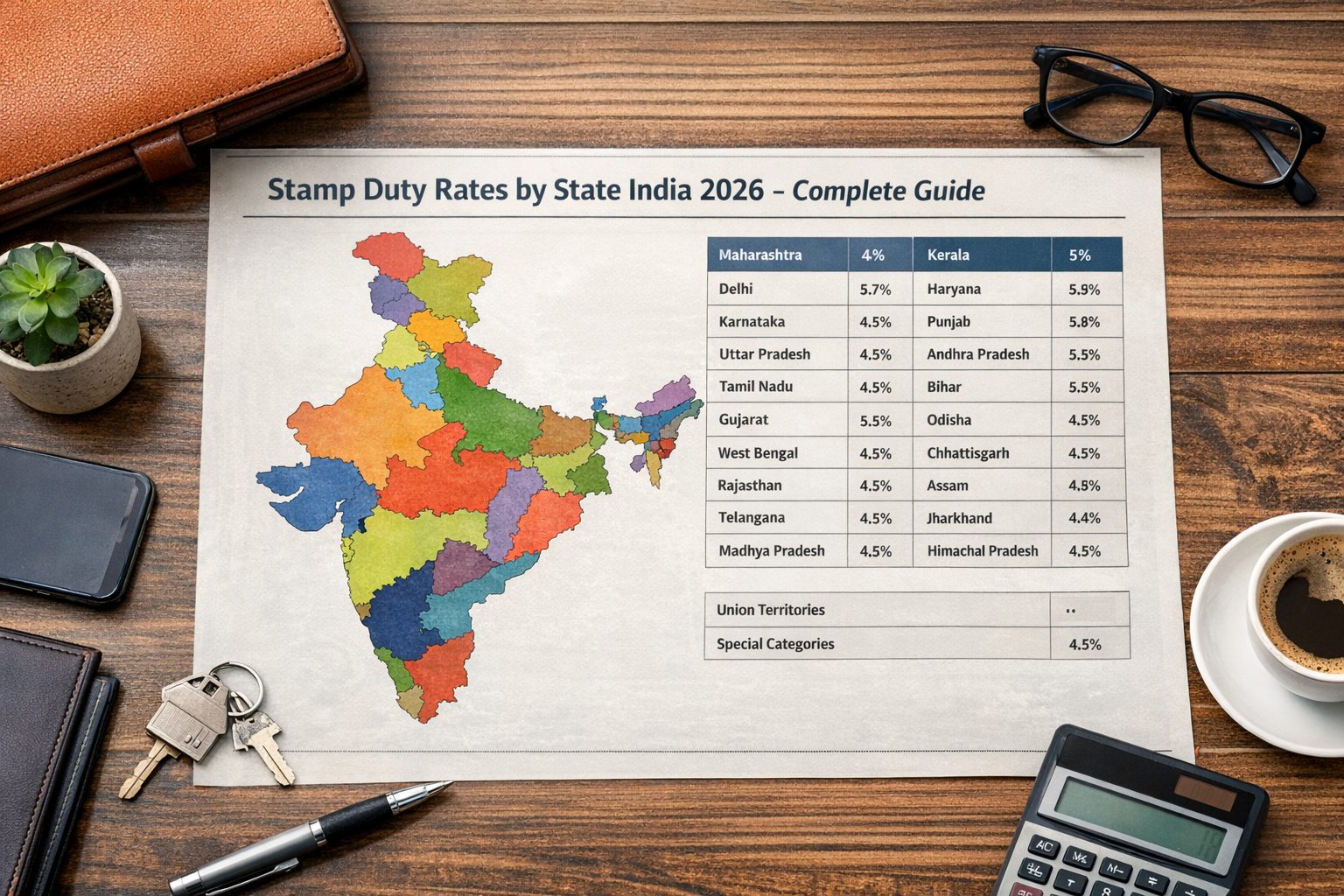
Stamp Duty Rates by State India 2026 - Complete Guide
Real EstateProjects

Stamp Duty Rates by State India 2026 - Complete Guide

Stamp duty rates across Indian states vary significantly in 2026, ranging from as low as 4% to over 10% of property value, making it crucial for buyers and investors to understand their state-specific obligations for accurate financial planning. This state-levied tax directly impacts the total cost of property acquisition, investment returns, and can result in legal penalties if underpaid, while also influencing broader market dynamics and relocation decisions. Northern states like Delhi, Punjab, Haryana, and Himachal Pradesh offer varying rates with some providing incentives for specific buyer categories, highlighting the importance of staying informed about regional differences.

AECORD Editorial Team10 min read
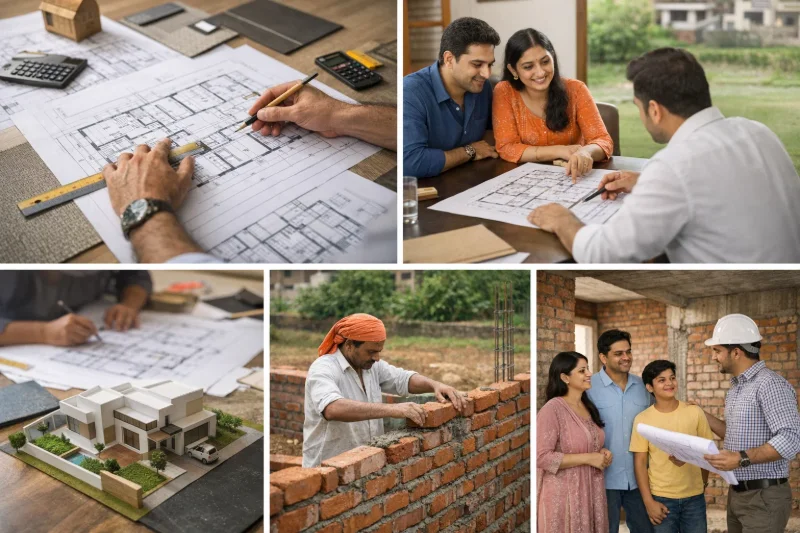
How to Plan House Layout in India: Complete Guide
ArchitectureArchitecture & DesignInterior DesignProjectsReal EstateIndustry Updates

How to Plan House Layout in India: Complete Guide

A well-planned house layout is the foundation of a comfortable and valuable home, requiring careful consideration of your plot's size, orientation, and your family's specific needs. In India, factors like north-facing plots for optimal natural light, multi-generational living spaces, and climate-appropriate room positioning are essential for creating functional homes that align with local living standards. Understanding local building bylaws, Floor Area Ratio regulations, and setback requirements is equally critical to ensure your layout complies with municipal codes and maximizes your property's potential.

AECORD Editorial Team13 min read
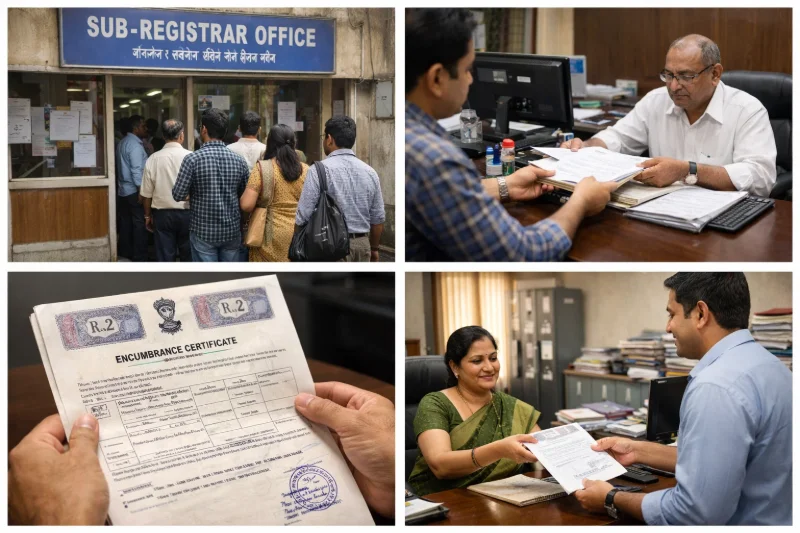
Encumbrance Certificate India: How to Get & Complete Guide
ProductsProjectsReal Estate

Encumbrance Certificate India: How to Get & Complete Guide

An encumbrance certificate is an official document issued by India's sub-registrar's office that confirms whether a property is free from legal liabilities, mortgages, or financial obligations, serving as essential proof of clear ownership. This certificate is critical for property buyers, lenders, construction professionals, and government bodies as it verifies that no hidden liabilities exist and the property can serve as unencumbered collateral for loans or development projects. Understanding how to obtain this document is vital for anyone involved in Indian real estate transactions, construction planning, or property due diligence.

AECORD Editorial9 min read