

Understanding Sustainable Building Materials in the Indian Context
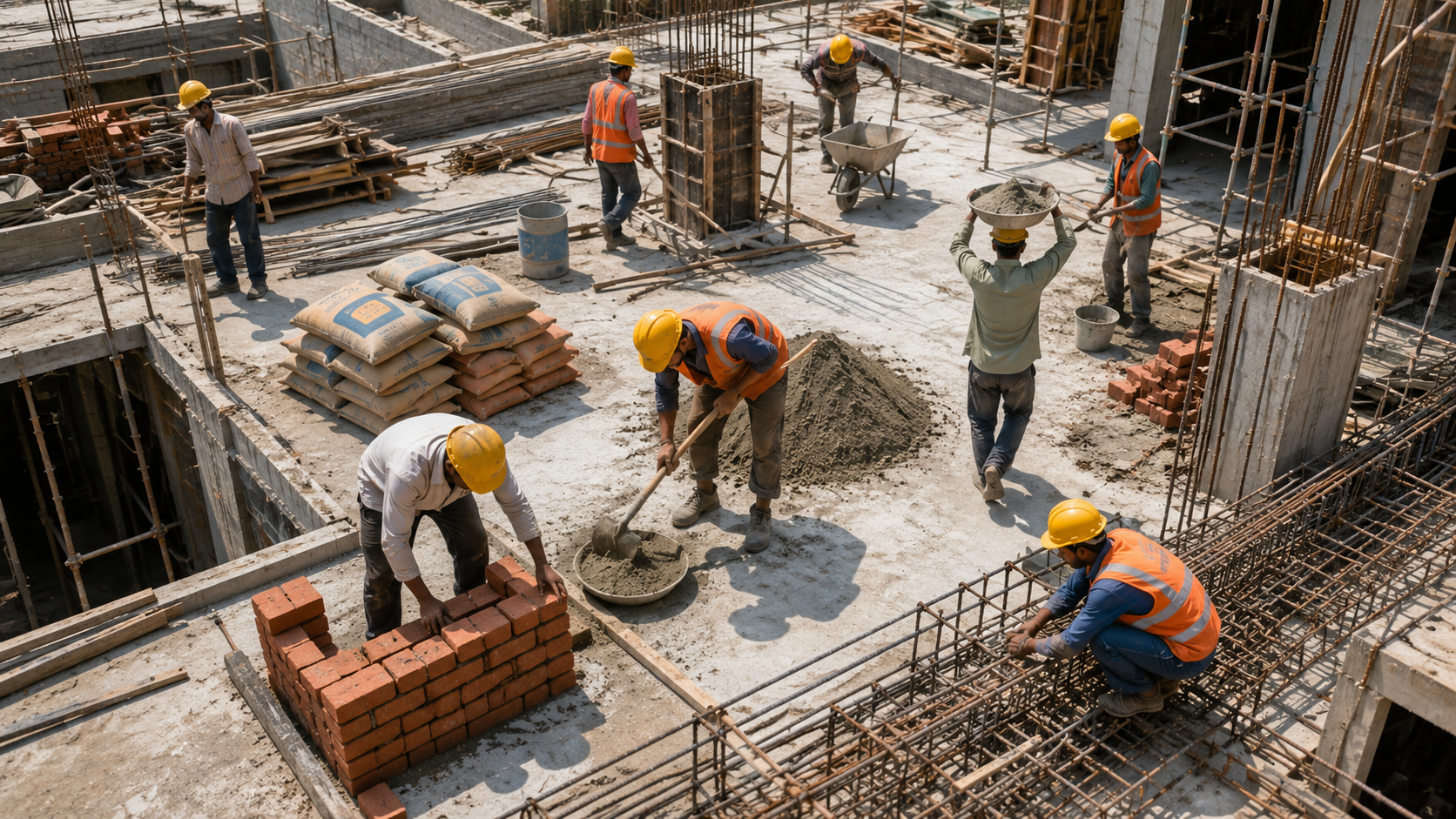
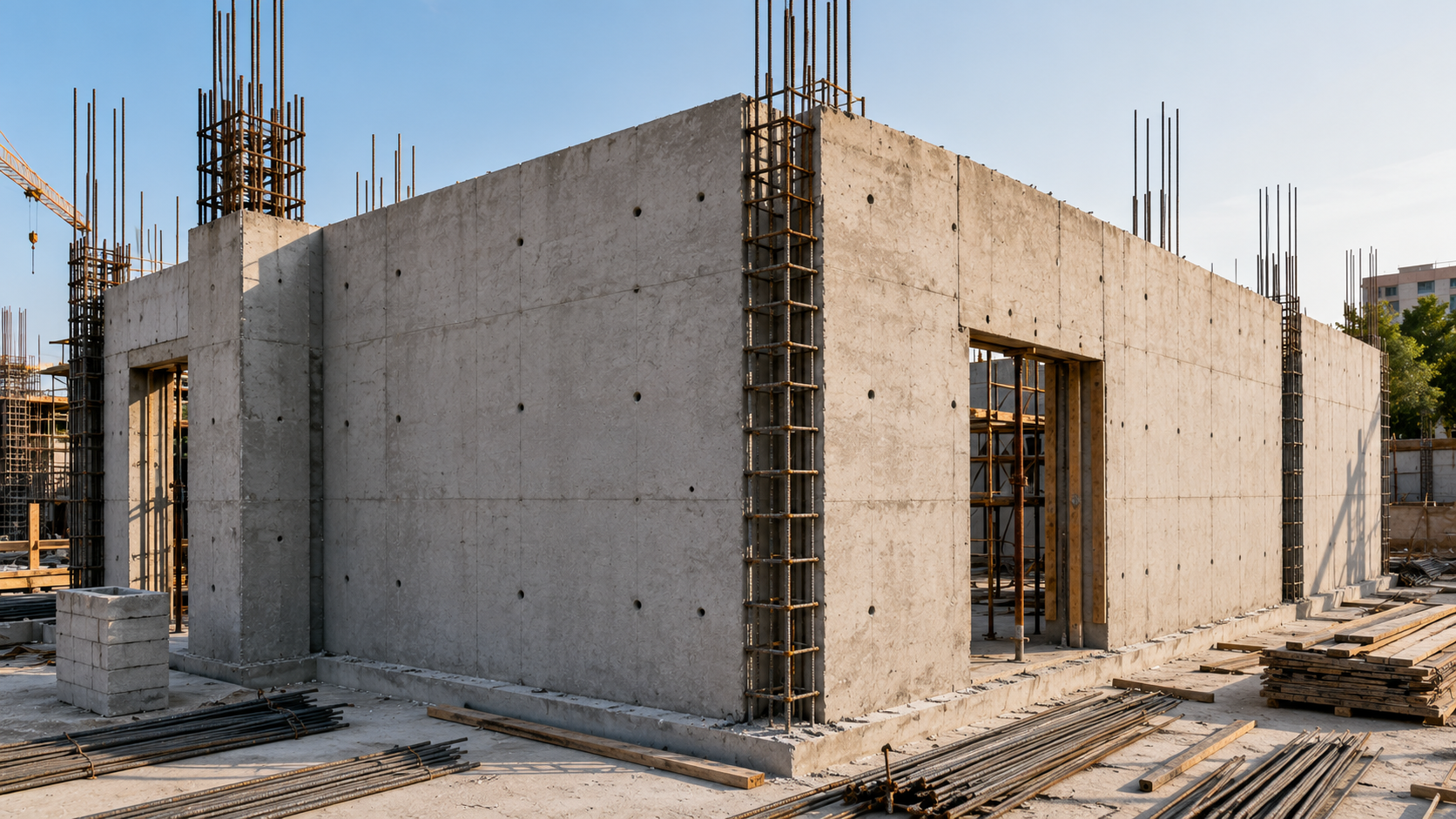
The Indian construction industry is at a pivotal moment. With rapid urbanization, rising environmental concerns, and stricter building codes, architects and engineers are increasingly turning to sustainable building materials. These materials not only reduce environmental impact but also offer long-term cost savings, improved energy efficiency, and better occupant health. India's diverse climate zones—from the humid tropics of Kerala to the arid deserts of Rajasthan—require materials that are locally sourced, culturally appropriate, and environmentally responsible.
The shift toward sustainability is no longer optional; it's becoming essential for modern construction projects across Indian cities like Bangalore, Mumbai, Delhi, and Pune. Whether you're designing residential complexes, commercial spaces, or industrial facilities, understanding sustainable materials is crucial for creating buildings that are both economically viable and environmentally conscious.
Build cost · Bengaluru, May 2026
1. Bamboo: The Fastest-Growing Sustainable Material
Bamboo has emerged as one of India's most promising sustainable building materials. Unlike timber, bamboo matures in 3-5 years, making it infinitely renewable. It's stronger than many hardwoods, with a tensile strength comparable to steel.
Applications: Structural beams, flooring, scaffolding, and interior partitions. In Northeast India, particularly in Assam and Manipur, bamboo is being used for entire structural frameworks.
Cost: Approximately ₹80-150 per linear foot, making it significantly cheaper than treated timber while offering superior sustainability credentials.
Advantages: Rapid renewability, high strength-to-weight ratio, carbon sequestration, and cultural relevance in many Indian regions.
2. Rammed Earth: Ancient Wisdom Meets Modern Architecture
Rammed earth construction uses subsoil compacted into formwork to create solid walls. This technique has been used in India for centuries and is experiencing a revival among contemporary architects.
Benefits: Excellent thermal mass, natural humidity regulation, zero embodied energy in processing, and stunning aesthetic appeal. Buildings constructed with rammed earth in Rajasthan have demonstrated superior thermal performance in extreme heat conditions.
Cost: ₹400-600 per square foot, depending on site conditions and labor availability.
Considerations: Requires careful site selection, proper foundation detailing to prevent moisture ingress, and skilled labor. The material works exceptionally well in low-rainfall regions.
3. Recycled Steel: Closing the Loop
India's steel recycling industry is growing rapidly. Recycled steel maintains the same structural properties as virgin steel but with significantly lower environmental impact—up to 75% less energy consumption and 50% fewer emissions.
Applications: Structural frames, reinforcement bars, and decking systems in commercial and residential projects.
Sourcing: Major cities like Mumbai, Bangalore, and Kolkata have established recycling facilities. AECORD connects architects with certified suppliers of recycled steel materials.
Cost: Competitive with virgin steel, often ₹50,000-60,000 per ton, depending on market conditions.
Frequently asked
4. Recycled Plastic Lumber: Transforming Waste into Infrastructure
Recycled plastic lumber, made from post-consumer plastic waste, offers a durable alternative for non-structural applications. India generates approximately 5.6 million tons of plastic waste annually, making this material particularly relevant.
Applications: Decking, outdoor furniture, landscape edging, and interior cladding.
Advantages: Doesn't rot, requires no chemical treatment, maintenance-free, and diverts plastic from landfills.
Limitations: Lower structural capacity, thermal expansion issues in high-temperature climates, and higher initial cost than conventional lumber.
5. Fly Ash Bricks: Converting Industrial Byproducts
Fly ash, a byproduct of thermal power plants, is being utilized to manufacture bricks across India. This addresses both waste management and housing material shortages simultaneously.
Performance: Fly ash bricks are lighter, stronger, and more durable than conventional clay bricks. They offer better water resistance and uniform quality.
Cost: ₹3-5 per brick, comparable to or slightly cheaper than clay bricks.
Availability: Widely available in industrial regions near power plants in states like Odisha, Chhattisgarh, and Jharkhand.
6. Adobe Blocks: Traditional Material for Modern Buildings
Adobe, sun-dried mud blocks, have been used in Indian construction for millennia. Modern adobe blocks are stabilized with cement to improve durability while maintaining sustainability benefits.
Benefits: Excellent thermal and acoustic insulation, breathable walls that regulate humidity naturally, and minimal processing energy.
Regional Suitability: Particularly effective in arid and semi-arid regions like Gujarat, Rajasthan, and parts of Maharashtra.
Cost: ₹2-4 per block, making it one of the most economical options.
7. Cork: Natural Insulation and Flooring
Cork, harvested from cork oak bark without harming the tree, is increasingly available in India through specialized suppliers. It's naturally fire-resistant and provides excellent acoustic properties.
Applications: Thermal insulation, acoustic panels, and decorative flooring.
Cost: ₹150-300 per square foot for flooring, higher than conventional options but justified by durability and sustainability.
Advantages: Renewable, biodegradable, naturally antimicrobial, and comfortable underfoot.
8. Recycled Aggregate: Sustainable Concrete Solutions
Recycled aggregate from demolished buildings replaces virgin stone and sand in concrete production. This reduces quarrying pressure and construction waste in Indian cities.
Performance: Concrete with 50% recycled aggregate shows comparable strength to conventional concrete while reducing embodied carbon by 20-30%.
Sourcing: Construction and demolition waste recycling centers in major metros like Bangalore, Delhi, and Mumbai now process significant volumes.
Cost: Similar to virgin aggregate, sometimes even cheaper due to reduced transportation distances.
9. Hempcrete: Innovative Bio-Composite Material
Hempcrete, a mixture of hemp fibers and lime binder, is emerging in Indian construction. Though still relatively new to the market, it offers exceptional thermal and acoustic properties.
Characteristics: Lightweight, breathable, carbon-negative (hemp sequesters more carbon than is released in production), and non-toxic.
Challenges: Limited local availability, requiring import from Europe or specialized domestic producers. Higher cost at ₹800-1200 per cubic meter.
Best Applications: Interior partitions, thermal insulation layers, and acoustic treatments in high-end residential and commercial projects.
10. Lime Mortar and Plaster: Breathable Finishes
Traditional lime-based finishes are regaining popularity as architects recognize their superior performance in India's humid climates. Unlike cement-based alternatives, lime allows walls to breathe, preventing moisture entrapment.
Benefits: Regulates interior humidity, accommodates minor structural movement, self-healing properties, and beautiful natural finish.
Cost: ₹15-25 per square foot, competitive with cement plaster.
Regional Significance: Particularly valued in heritage conservation projects and traditional architecture across India.
11. Recycled Rubber: Innovative Flooring and Shock Absorption
Recycled rubber from discarded tires addresses both waste management and functional building needs. India generates over 100 million waste tires annually, making this material increasingly relevant.
Applications: Gym flooring, playground surfaces, acoustic dampening, and shock-absorbing underlayment.
Advantages: Durability, slip resistance, thermal insulation properties, and waste diversion benefits.
Cost: ₹200-400 per square foot depending on thickness and application.
12. Sunhemp Fiber Boards: Agricultural Waste Utilization
Sunhemp, an agricultural crop grown across India, produces fibers that can be processed into insulation boards and acoustic panels. This creates value from agricultural waste while supporting rural economies.
Performance: Good thermal and acoustic insulation, fire-resistant, and biodegradable at end-of-life.
Applications: Interior wall insulation, false ceilings, and acoustic treatments.
Cost: ₹100-150 per square foot, competitive with conventional insulation materials.
13. Recycled Glass Aggregate: Aesthetic and Sustainable Concrete
Crushed recycled glass can replace a portion of aggregate in concrete, creating decorative finishes while diverting waste. Indian cities generate significant post-consumer glass waste suitable for this application.
Visual Appeal: Creates attractive sparkle in concrete surfaces, popular for feature walls and artistic applications.
Performance: Maintains concrete strength while improving aesthetic value and reducing environmental impact.
Cost: ₹50-100 per square foot additional cost over conventional concrete, justified by aesthetic and sustainability benefits.
14. Mycelium Composite: Emerging Bio-Material
Mycelium, the root structure of mushrooms, can be grown into composite materials for insulation and acoustic applications. Though still in early adoption phases in India, startups are beginning to produce these materials locally.
Characteristics: Fully biodegradable, fire-resistant, lightweight, and carbon-negative production process.
Current Limitations: Limited availability, higher cost, and need for specialized handling and installation.
Future Potential: As production scales up, this material could revolutionize sustainable building practices in India.
15. Recycled Metal Roofing: Durability Meets Sustainability
Recycled metal roofing materials, particularly aluminum and steel, offer exceptional durability (50+ year lifespan) while maintaining recyclability at end-of-life. This creates a truly circular material cycle.
Benefits: Lightweight, fire-resistant, excellent for water harvesting systems, and reflective properties reduce heat gain.
Cost: ₹80-150 per square foot, higher initial investment but justified by longevity and minimal maintenance.
Regional Suitability: Excellent for monsoon-prone regions like Maharashtra, Kerala, and coastal areas where durability is critical.
Implementing Sustainable Materials: Practical Considerations for Architects
Climate Adaptation
India's diverse climate zones require material selection tailored to local conditions. High-thermal-mass materials like rammed earth suit hot-dry climates, while breathable materials like lime and cork work better in humid regions. Always consider local climate data when specifying materials.
Cost-Benefit Analysis
While some sustainable materials have higher upfront costs, calculating life-cycle costs—including maintenance, replacement, and energy savings—often reveals long-term economic advantages. A building with superior insulation might cost 5-10% more initially but save 30-40% on operational energy over 20 years.
Local Sourcing and Supply Chain
Prioritize locally-sourced materials to reduce transportation emissions and support regional economies. This also ensures better availability and often lower costs. AECORD's platform helps architects connect with local material suppliers and manufacturers across India.
Regulatory Compliance
Ensure all materials comply with Indian Standards (IS codes) and local building regulations. The Energy Conservation Building Code (ECBC) increasingly mandates sustainability considerations. Verify certifications and performance data before specification.
Skilled Labor Requirements
Some sustainable materials require specialized installation expertise. Budget for training or sourcing experienced craftspeople. Traditional materials like rammed earth and lime mortar particularly benefit from skilled application.
The Role of Technology in Sustainable Material Selection
Digital tools are revolutionizing how architects select and specify materials. Building Information Modeling (BIM) allows visualization of material performance, while Life Cycle Assessment (LCA) tools quantify environmental impact. Platforms like AECORD provide access to comprehensive material databases, supplier networks, and peer recommendations from Indian architects and engineers who have successfully implemented sustainable solutions.
Future Trends in Indian Sustainable Building Materials
The Indian construction industry is rapidly evolving. Expect increasing availability of locally-produced bio-composites, scaling of recycled material processing infrastructure, and regulatory incentives for sustainable material adoption. Government initiatives like the National Green Building Council's LEED certification and IGBC standards are driving market transformation.
Conclusion: Building India's Sustainable Future
The 15 materials discussed represent the forefront of sustainable construction in India. From traditional materials like rammed earth and lime mortar to innovative options like mycelium composites and recycled plastic lumber, architects have unprecedented opportunities to reduce environmental impact while creating superior buildings.
The key to successful implementation lies in understanding local context, conducting thorough cost-benefit analysis, and selecting materials appropriate for climate, function, and cultural significance. As India's construction industry continues to grow, the adoption of sustainable materials will be essential for creating resilient, healthy, and environmentally responsible built environments.
Ready to find sustainable material suppliers, experienced contractors, and fellow architects committed to green building practices? Explore AECORD's comprehensive network of AECO professionals who specialize in sustainable construction solutions across India. Whether you're sourcing bamboo in Northeast India, recycled steel in Mumbai, or fly ash bricks in Odisha, AECORD connects you with verified suppliers and experienced professionals who understand India's unique building context.
Connect with sustainable building material experts on AECORD today and transform your next project into a model of environmental responsibility.