

Understanding India's Fire Safety Regulatory Framework
Fire safety is a critical aspect of building design and operations in India, yet many building owners and managers remain unclear about the specific requirements they must comply with. As we move into 2026, updated regulations and stricter enforcement make it essential to understand the comprehensive fire safety landscape. Whether you're constructing a new building in Mumbai, Bangalore, or Delhi, or managing an existing structure, fire safety compliance is non-negotiable.
The regulatory framework for fire safety in India is multi-layered, involving national codes, state-specific rules, and local municipal bylaws. The primary governing document is the National Building Code of India (NBC) 2016, which provides comprehensive guidelines for fire safety design and implementation. Additionally, the Fire Safety Act and various state-specific fire safety rules create a complex but essential framework that all building professionals must navigate.
Build cost · Bengaluru, May 2026
Key Fire Safety Regulations and Approvals Required
National Building Code (NBC) 2016 Compliance
The NBC 2016 is the foundation of fire safety requirements across India. This code mandates specific fire safety measures based on building classification, height, occupancy type, and use. Buildings are classified into different groups and types, with each category having distinct fire safety requirements. For instance, a residential building in Pune has different requirements compared to a commercial complex in Bangalore.
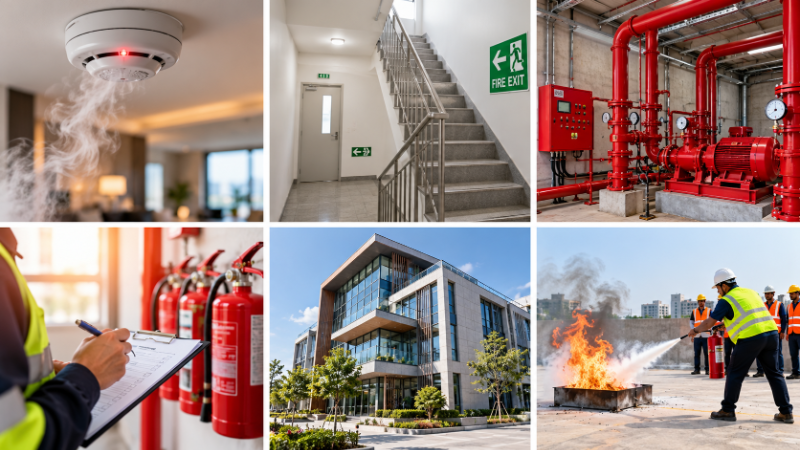
The NBC 2016 specifies requirements for:
Fire resistance ratings for structural elements (typically 1-4 hours depending on building height and type)
Compartmentation to prevent fire spread
Means of escape including staircases, corridors, and exit routes
Fire detection and alarm systems
Fire suppression systems like sprinklers
Lighting and signage for emergency situations
Fire Department Approval Process
Before construction begins, you must obtain fire safety clearance from the local fire department. This process typically involves:
Submitting detailed architectural and structural plans to the fire department
Including fire safety system designs (water supply, sprinklers, detection systems)
Demonstrating compliance with NBC 2016 and local fire safety rules
Obtaining a No Objection Certificate (NOC) from the fire department
The timeline for fire department approval varies by city. In metropolitan areas like Mumbai and Delhi, expect 4-8 weeks for approval, while smaller cities may process applications faster. The cost for fire safety clearance typically ranges from ₹5,000 to ₹25,000 depending on building size and complexity.
Frequently asked
Municipal Corporation Approval
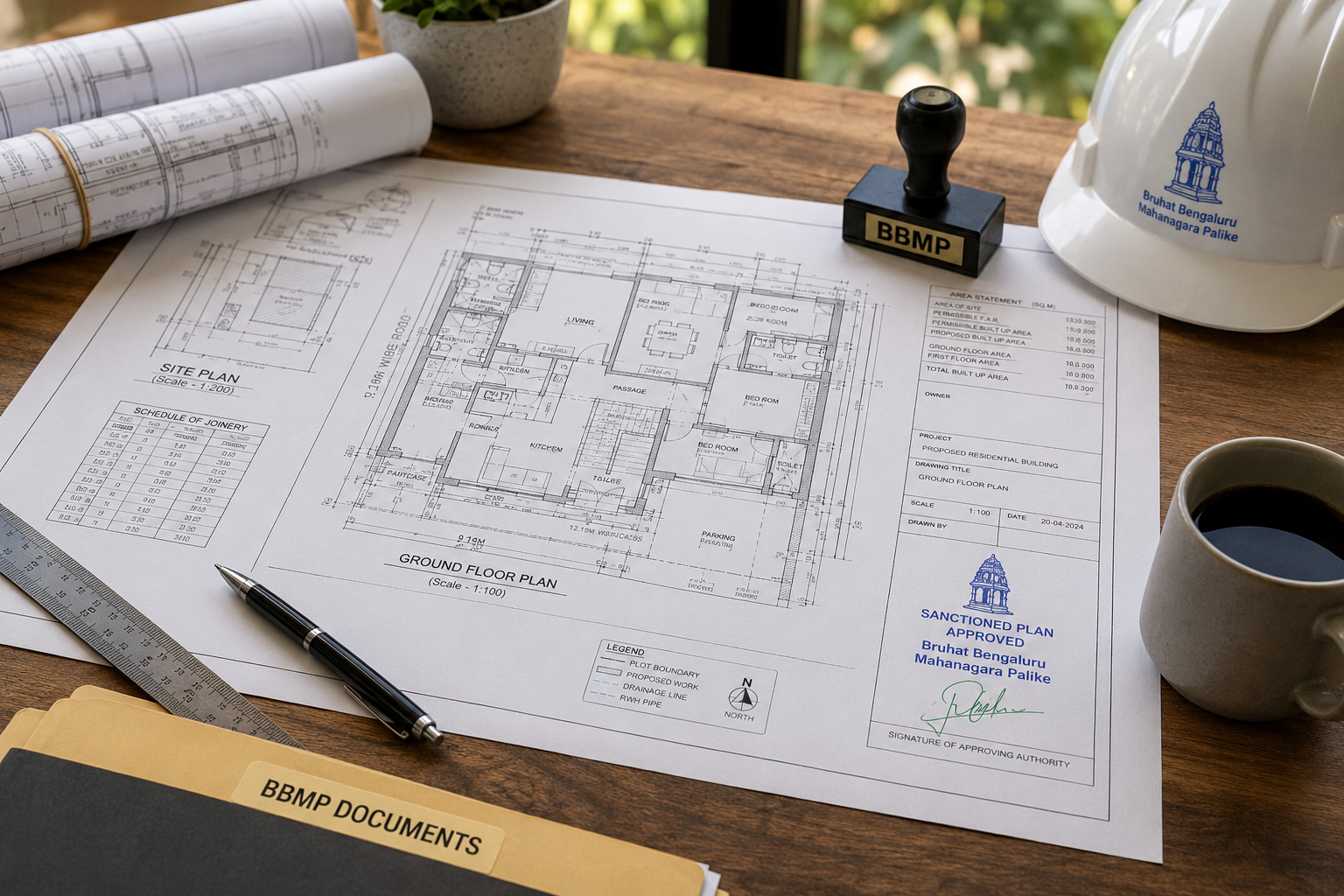
Your local municipal corporation (BMC in Mumbai, BBMP in Bangalore, MCD in Delhi) will review fire safety provisions as part of the building plan approval process. This includes verification of:
Width and design of escape routes
Number and placement of exits
Fire-resistant construction materials
Compliance with setback and height regulations that impact fire safety
Essential Fire Safety Systems and Infrastructure
Water Supply and Firefighting Systems
Adequate water supply is fundamental to fire safety. The NBC requires buildings to maintain dedicated water storage for firefighting purposes. The requirements vary:
Residential buildings up to 15m height: Minimum 9,000 liters water storage
Residential buildings 15-30m height: Minimum 18,000 liters water storage
Commercial buildings: Requirements increase based on occupancy and height
In cities like Chennai and Bangalore facing water scarcity, this requirement can be challenging. Many building professionals are now integrating rainwater harvesting systems to supplement dedicated fire safety water storage. The cost for installing adequate water storage tanks ranges from ₹50,000 to ₹3,00,000 depending on building size.
Sprinkler Systems
Automatic sprinkler systems are mandatory for:
Buildings exceeding 15m height (approximately 4-5 stories)
Basements with area exceeding 100 sq.m
Certain high-hazard occupancies like hospitals, hotels, and commercial complexes
Buildings with large open floor areas (more than 2,000 sq.m)
Installing a sprinkler system costs approximately ₹150-400 per square meter of built-up area. While this represents a significant investment, it substantially reduces fire risk and often results in lower insurance premiums. When sourcing sprinkler system providers and fire safety consultants, platforms like AECORD can help you find qualified professionals who understand local regulations across different Indian cities.
Fire Detection and Alarm Systems
Buildings must install fire detection systems including:
Smoke detectors in all areas including common corridors, staircases, and parking spaces
Heat detectors in kitchens and areas where smoke detectors may trigger false alarms
Manual call points at easily accessible locations
Audible and visual alarms to alert occupants
The cost for a basic fire detection and alarm system ranges from ₹2,00,000 to ₹10,00,000 depending on building size and complexity. Regular maintenance and testing are mandatory—typically quarterly inspections are required.
Fire Safety Design Requirements for Different Building Types
Residential Buildings
For residential complexes in Indian cities, fire safety requirements include:
Minimum staircase width: 1.2m for residential buildings
Maximum travel distance to exit: 30m in single-staircase buildings, 60m in buildings with multiple stairs
Corridor width: Minimum 1.2m
Fire-resistant materials for structural elements and common areas
Emergency lighting with battery backup in all escape routes
Many residential projects in Hyderabad, Pune, and Kolkata now incorporate additional safety features like:
Separate evacuation stairs for different wings
Refuge areas on each floor
Intercom systems connected to security
Video surveillance in common areas
Commercial and Office Buildings
Commercial buildings have more stringent requirements due to higher occupancy densities:
Wider escape routes: 1.5-2.0m depending on occupancy
Multiple independent stairs for buildings above 15m
Comprehensive fire suppression systems including sprinklers
Fire-rated compartments to contain fire spread
Advanced smoke management systems in large floor plates
Office buildings in Gurgaon, Mumbai's Bandra Kurla Complex, and Bangalore's IT corridors typically invest ₹50-150 lakhs in fire safety infrastructure for mid-sized buildings.
Healthcare Facilities and Hospitals
Hospitals and clinics require specialized fire safety measures:
Automatic sprinkler systems throughout the facility
Fire-rated compartmentation between different departments
Dedicated evacuation procedures for immobile patients
Emergency power backup for fire safety systems
Oxygen and flammable gas storage compliance
Healthcare facilities must also conduct regular fire safety drills and maintain detailed evacuation plans. Many hospitals now use AECORD to connect with specialized fire safety consultants who understand healthcare-specific requirements.
Fire Safety Compliance for Existing Buildings
Audit and Assessment
Building owners of existing structures must conduct periodic fire safety audits. This involves:
Comprehensive assessment of current fire safety systems
Identification of gaps in compliance with current NBC standards
Documentation of all fire safety equipment and maintenance records
Testing of emergency systems including alarms and backup power
A professional fire safety audit for a 5-story commercial building costs approximately ₹50,000-150,000. Many municipalities now require annual fire safety audits, particularly for buildings over 15m height or with high occupancy.
Retrofitting and Upgrades
If your existing building doesn't meet current fire safety standards, retrofitting is necessary. Common upgrades include:
Installing or upgrading sprinkler systems (₹150-400 per sq.m)
Adding fire detection and alarm systems (₹2-10 lakhs)
Improving escape routes and exit signage (₹1-5 lakhs)
Upgrading fire-resistant materials in critical areas (₹5-50 lakhs)
Installing emergency lighting and backup power systems (₹2-8 lakhs)
While retrofitting requires investment, many building owners find that improved fire safety also increases property value and attracts tenants or buyers who prioritize safety.
Fire Safety Documentation and Maintenance
Essential Documentation
Building owners must maintain comprehensive fire safety documentation including:
Fire safety clearance certificate from the fire department
Building plan approval with fire safety provisions
As-built fire safety plans showing actual installations
Maintenance records for all fire safety systems
Testing certificates from authorized agencies
Evacuation procedures and emergency contact lists
Regular Maintenance and Testing
Fire safety systems require consistent maintenance:
Quarterly testing of fire detection and alarm systems
Annual inspection and certification of sprinkler systems
Monthly testing of emergency lighting and backup power systems
Semi-annual testing of fire extinguishers
Annual fire safety drills with all occupants
Annual maintenance costs for fire safety systems typically range from ₹20,000 to ₹2,00,000 depending on building size and system complexity.
Recent Updates and 2026 Considerations
Stricter Enforcement Trends
Indian fire departments have significantly increased enforcement of fire safety regulations. Recent incidents have prompted stricter inspections and penalties for non-compliance. Building owners can face:
Fines ranging from ₹5,000 to ₹50,000 for violations
Closure orders for serious non-compliance
Criminal prosecution in cases of gross negligence
Technology Integration
Modern fire safety increasingly incorporates technology:
IoT-enabled monitoring systems that provide real-time alerts
Mobile apps for emergency notifications
Smart building systems that integrate fire safety with building management
Artificial intelligence for predictive maintenance of safety systems
Sustainability and Fire Safety
As green building practices become mainstream, fire safety must be integrated with sustainable design. This includes using fire-resistant materials that are also environmentally friendly and designing buildings that balance natural ventilation with fire containment.
Common Fire Safety Mistakes to Avoid
Building professionals and owners frequently make these fire safety errors:
Blocking emergency exits with storage or furniture
Inadequate signage for emergency routes
Poor maintenance of fire safety systems
Lack of staff training on fire safety procedures
Ignoring minor violations that accumulate into serious risks
Using non-certified contractors for fire safety installations
To avoid these mistakes, engage qualified fire safety consultants early in the design process and maintain rigorous compliance throughout the building's lifecycle.
Getting Expert Help for Fire Safety Compliance
Navigating India's complex fire safety requirements requires expertise and local knowledge. Fire safety consultants can help with:
Interpreting NBC 2016 requirements for your specific building type
Preparing fire safety plans for regulatory approval
Selecting and installing appropriate fire safety systems
Conducting compliance audits and identifying gaps
Managing retrofitting projects for existing buildings
Training staff on fire safety procedures
When looking for qualified professionals, platforms like AECORD connect you with experienced fire safety consultants, structural engineers, and contractors who understand regional variations in fire safety requirements across Indian cities. Whether you're in Chennai, Ahmedabad, or Jaipur, you can find professionals familiar with local fire department procedures and municipal requirements.
Conclusion
Fire safety compliance in India is a comprehensive undertaking that requires attention to national codes, state regulations, and local requirements. As we move into 2026, enforcement is becoming stricter and technology more sophisticated. Building owners and professionals who prioritize fire safety not only protect lives and property but also enhance the value and marketability of their buildings.
Start by assessing your building's current fire safety status, engage qualified professionals to identify compliance gaps, and develop a systematic plan for implementation and maintenance. Remember that fire safety is not a one-time project but an ongoing commitment that requires regular updates and vigilance.
Ready to ensure your building meets all fire safety requirements? Connect with experienced fire safety consultants, structural engineers, and contractors on AECORD. Our platform makes it easy to find and vet qualified professionals in your city who understand India's evolving fire safety landscape. Post your project requirements today and receive proposals from verified experts who can guide you through compliance and implementation.
Frequently Asked Questions
What is the National Building Code (NBC) 2016 and why is it important for fire safety in India?
The NBC 2016 is the primary governing document for fire safety requirements across India, providing comprehensive guidelines for fire safety design based on building classification, height, occupancy type, and use. It mandates specific measures including fire resistance ratings, compartmentation, means of escape, detection systems, and suppression systems that all building professionals must comply with.
What approvals do I need from the fire department before construction?
You must obtain a No Objection Certificate (NOC) from your local fire department by submitting detailed architectural and structural plans, fire safety system designs, and demonstrating NBC 2016 compliance. The approval process typically takes 4-8 weeks in metropolitan areas and costs between ₹5,000 to ₹25,000 depending on building size and complexity.
How much water storage is required for fire safety in residential buildings?
The NBC requires dedicated water storage for firefighting purposes based on building height: residential buildings up to 15m height need minimum 9,000 liters, while buildings 15-30m height require minimum 18,000 liters of water storage.
What are the main components of fire safety compliance in India?
Fire safety compliance involves multiple layers including National Building Code (NBC) 2016 guidelines, Fire Safety Act requirements, state-specific fire safety rules, and local municipal bylaws. Key components include fire resistance ratings, compartmentation, emergency exits, fire detection and alarm systems, sprinkler systems, and emergency lighting and signage.
Do fire safety requirements differ between residential and commercial buildings in India?
Yes, fire safety requirements vary based on building classification, height, occupancy type, and use. For example, a residential building in Pune has different requirements compared to a commercial complex in Bangalore, with each category having distinct fire safety measures mandated by the NBC 2016.