

Understanding BPAs and BBMP: Essential Guide for Construction Professionals in Bangalore
If you're working in the construction and real estate sector in Bangalore, you've likely encountered the terms BPA and BBMP. These acronyms represent critical components of the building approval and municipal governance system in India's IT capital. Understanding how they work together is essential for anyone involved in architecture, engineering, or construction projects in the city. This comprehensive guide will help you navigate the complexities of Bangalore's building approval process and municipal regulations.
Build cost · Bengaluru, May 2026
What is BBMP and Its Role in Construction?
Understanding the Bruhat Bengaluru Mahanagara Palike
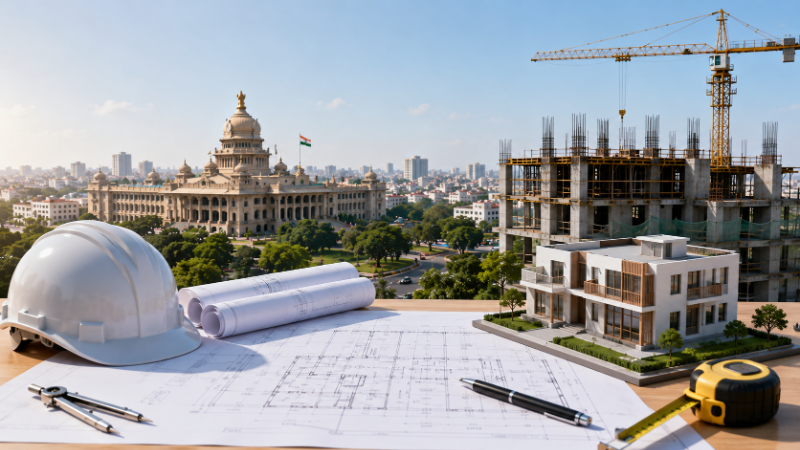
The Bruhat Bengaluru Mahanagara Palike (BBMP) is the civic body responsible for the administration and governance of Bangalore city. Established in 2007 through the merger of the Bangalore City Corporation and several other municipal bodies, the BBMP serves a population of over 10 million people across an area of approximately 1,360 square kilometers.
For construction professionals, the BBMP is the primary authority that issues building permits, approves architectural plans, conducts inspections, and ensures compliance with building codes and regulations. The organization is divided into multiple zones and wards, each with dedicated administrative offices that handle permit applications and inspections.
BBMP's Key Responsibilities in Construction
The BBMP's role extends far beyond simply issuing permits. The organization is responsible for:
Plan Approval: Reviewing and approving architectural and structural plans before construction begins
Building Permits: Issuing building permits (also called occupancy certificates or OCs) that authorize construction
Compliance Verification: Ensuring projects comply with the Karnataka Building Code, Bangalore Building Bye-laws, and other regulations
Site Inspections: Conducting inspections at various construction stages
Occupancy Certification: Issuing final occupancy certificates upon project completion
Infrastructure Development: Planning and maintaining roads, water supply, and sewerage systems in the city
Understanding these responsibilities helps construction professionals anticipate requirements and prepare documentation accordingly.
Frequently asked
What is a BPA and How Does It Work?
Defining Building Permission/Approval (BPA)
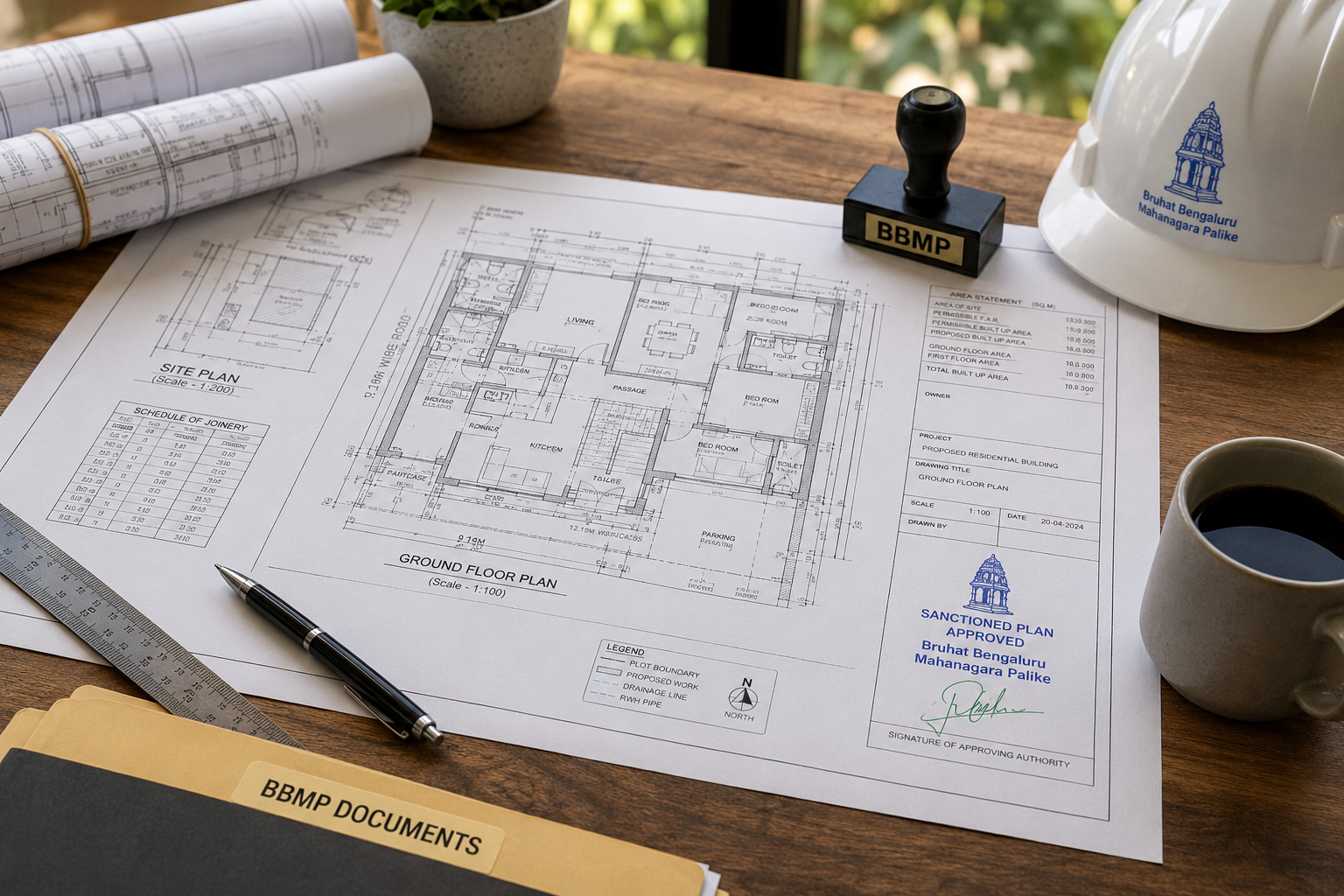
BPA stands for Building Permission or Building Plan Approval, which is the formal authorization granted by the BBMP to construct a building according to approved plans. This is distinct from just having approved plans—the BPA is the actual permission document that allows construction to commence.
In Bangalore, obtaining a BPA involves submitting detailed architectural and structural plans to the BBMP, which then reviews them against the applicable building codes and bye-laws. Once approved, the BBMP issues the BPA, which serves as the legal authorization to begin construction activities.
The BPA Application Process in Bangalore
The process of obtaining a BPA in Bangalore typically follows these steps:
Property Documentation: Gather all necessary property documents including title deeds, property tax receipts, and encumbrance certificates
Design Preparation: Hire qualified architects and structural engineers to prepare detailed plans and specifications
Plan Submission: Submit plans to the appropriate BBMP zone office along with the BPA application form
Initial Review: The BBMP conducts an initial review to check for completeness and basic compliance
Detailed Scrutiny: Technical teams review plans against building codes and regulations
Approval or Rejection: The BBMP either approves the plans or requests modifications
BPA Issuance: Upon approval, the BBMP issues the Building Permission document
The timeline for obtaining a BPA in Bangalore typically ranges from 30 to 90 days, depending on the project complexity and completeness of submitted documentation.
Key Documents Required for BPA Submission
Essential Documentation Checklist
To successfully apply for a BPA in Bangalore, you'll need to prepare and submit several critical documents. Having these ready before approaching the BBMP can significantly accelerate the approval process:
Property Title Documents: Original or certified copies of property deeds and ownership proofs
Property Tax Receipts: Current property tax payment receipts from the BBMP
Encumbrance Certificate: Obtained from the sub-registrar's office confirming no legal claims on the property
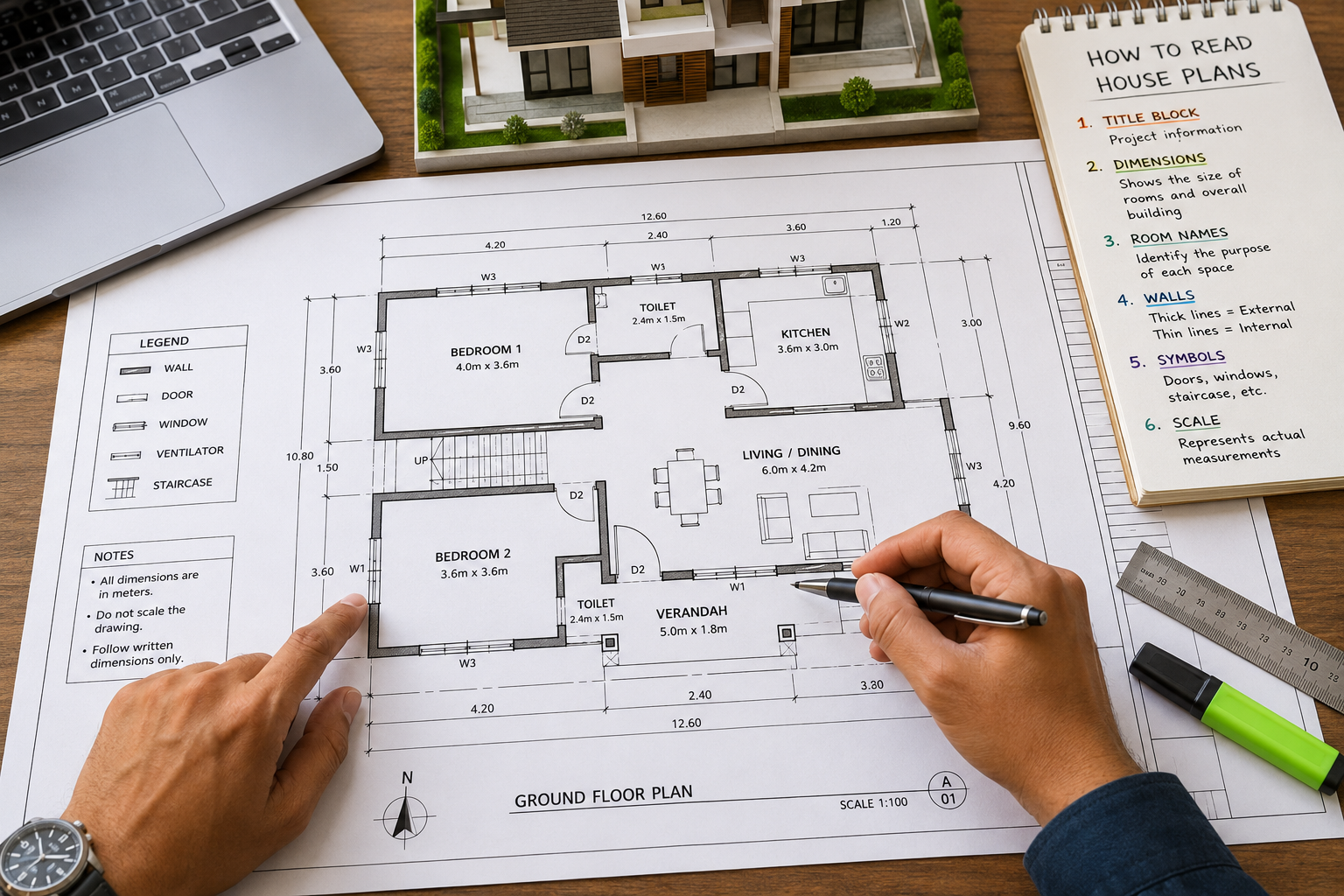
Architectural Plans: Detailed floor plans, elevations, and sections prepared by licensed architects
Structural Design: Complete structural design and calculations by qualified structural engineers
Site Plan: Detailed site plan showing property boundaries, existing structures, and proposed building layout
Environmental Clearance: Where applicable, environmental impact assessment and clearance certificates
Parking Plan: Detailed parking layout meeting BBMP's parking requirements (typically 1 space per 100 sqm for commercial, 1 per 2-3 units for residential)
Fire Safety Plan: Fire safety design and emergency exit plans
Drainage Plan: Stormwater drainage and sewerage connection plans
BBMP Building Bye-laws and Regulations
Understanding Bangalore's Building Code Requirements
The BBMP operates under the Bangalore Building Bye-laws, which are comprehensive regulations governing all construction activities within the city. These bye-laws are based on the National Building Code of India but include specific provisions for Bangalore's unique urban context.
Key aspects of the Bangalore Building Bye-laws include:
Floor Space Index (FSI): The ratio of total built-up area to plot area, which varies by zone and land use. Residential areas typically allow FSI of 2.0 to 3.0, while commercial areas may permit higher FSI values
Building Height: Maximum building heights are regulated based on road width and zone classification
Setbacks: Mandatory distances from property boundaries (front, rear, and side setbacks) that vary by zone
Open Space: Requirements for open space, courtyards, and recreational areas within the plot
Parking Requirements: Mandatory parking provisions based on building type and size
Green Building Norms: Increasingly stringent requirements for energy efficiency and sustainable construction
Zone-Specific Regulations
Bangalore is divided into different zones with varying regulations. The city has residential zones, commercial zones, mixed-use zones, and industrial zones, each with specific building requirements. Before planning a construction project, it's crucial to verify your property's zone classification and understand the applicable regulations.
For example, properties in the central business district have different FSI and height limitations compared to peripheral residential areas. Similarly, properties near airport approach zones have specific height restrictions for aviation safety.
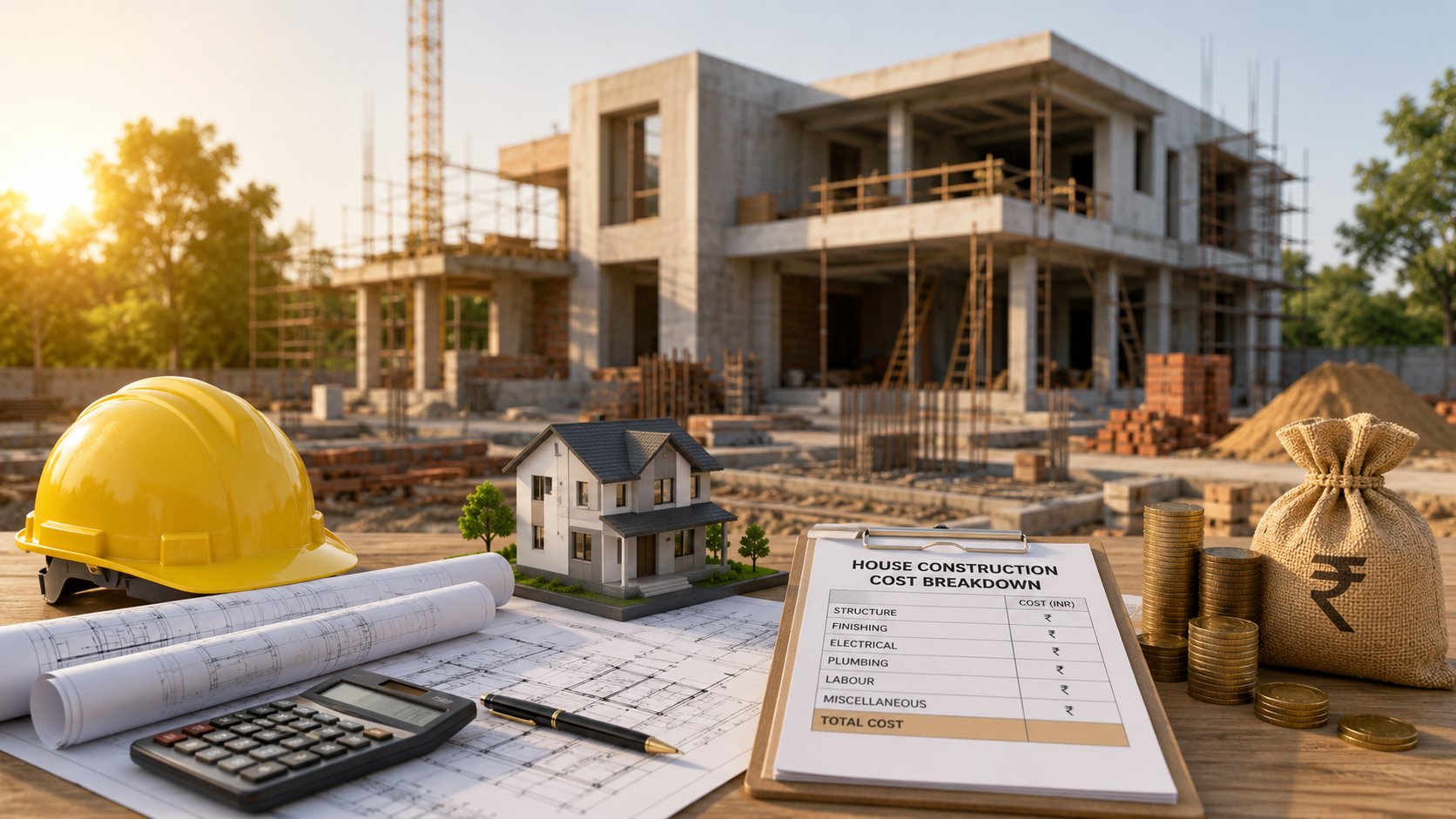
Cost Implications and Timelines
BPA Fees and Processing Costs
The cost of obtaining a BPA in Bangalore includes several components:
Plan Scrutiny Fee: Charged by BBMP based on the built-up area, typically ranging from ₹5,000 to ₹50,000 depending on project size
Professional Fees: Architect and structural engineer fees, which typically range from 1-3% of total project cost
Documentation and Processing: Costs for obtaining certificates, copies, and administrative processing (₹2,000 to ₹10,000)
Consultant Fees: If hiring a BPA consultant to manage the application (₹10,000 to ₹50,000)
For a typical residential project of 5,000 sqm in Bangalore, total costs for obtaining BPA typically range from ₹100,000 to ₹300,000, depending on project complexity.
Timeline Expectations
The timeline for BPA approval depends on several factors:
Simple Residential Projects: 30-45 days
Complex Residential or Mixed-Use Projects: 60-90 days
Commercial or Large-Scale Projects: 90-180 days
Projects Requiring Environmental Clearance: 180+ days
Delays can occur due to incomplete documentation, non-compliance with regulations, or additional scrutiny requirements. Engaging experienced professionals early in the process can help avoid these delays.
Common Challenges and How to Overcome Them
Frequent BPA Application Issues
Construction professionals in Bangalore frequently encounter several challenges during the BPA approval process:
Plan Deficiencies: Incomplete or inaccurate plans are the most common reason for rejection. Ensure all plans are detailed, to-scale, and prepared by qualified professionals
Non-Compliance with Bye-laws: Projects that violate setback requirements, FSI limits, or parking norms face rejection. Verify compliance early in the design phase
Title Issues: Unclear property ownership or legal disputes can delay approval. Obtain a clear encumbrance certificate before applying
Environmental Concerns: Projects in sensitive areas may require additional environmental clearances, extending the timeline
Infrastructure Capacity: The BBMP may reject projects if local infrastructure cannot support them
Best Practices for Smooth Approval
To ensure smooth BPA approval:
Engage qualified architects and engineers experienced with BBMP regulations from the project's inception
Conduct a pre-application consultation with the BBMP to clarify specific requirements
Ensure all documentation is complete, accurate, and properly organized before submission
Verify property details and title clarity before beginning the BPA process
Consider hiring a BPA consultant familiar with current BBMP procedures and staff
Maintain regular communication with the BBMP and promptly address any queries or modification requests.
Recent Changes and Updates in BBMP Regulations
Digital Transformation Initiatives
The BBMP has been progressively digitizing its processes to streamline BPA approvals. The online portal allows applicants to submit plans digitally, track application status, and receive approvals electronically. This digital shift has reduced processing times and improved transparency.
Sustainability and Green Building Requirements
Recent amendments to Bangalore's building bye-laws increasingly emphasize sustainable construction. New requirements include:
Mandatory rainwater harvesting systems
Waste management plans
Energy-efficient building design
Green spaces and landscaping requirements
EV charging infrastructure in parking areas
These requirements add to project complexity but align with India's broader sustainability goals and can result in long-term operational cost savings.
Finding Expert Help for Your BPA Process
When to Engage Professionals
Navigating the BPA and BBMP approval process requires expertise in building regulations, architectural design, and municipal procedures. Whether you're a property developer, architect, or construction professional, having the right team is crucial for project success.
Platforms like AECORD connect you with vetted architects, structural engineers, and BPA consultants in Bangalore who understand the intricacies of BBMP regulations. These professionals can help you prepare compliant designs, manage the approval process, and avoid costly delays.
The AECORD marketplace makes it easy to find and compare professionals based on their experience with BBMP approvals, project portfolio, and client reviews. Whether you need a full-service design team or specialized BPA consultants, you can find qualified professionals on AECORD who have successfully navigated Bangalore's building approval system.
Conclusion
Understanding the relationship between BPA and BBMP is essential for successful construction projects in Bangalore. The BPA is your authorization to build, while the BBMP is the authority that grants this permission based on compliance with building regulations. By understanding the requirements, preparing comprehensive documentation, and engaging experienced professionals, you can streamline the approval process and keep your project on schedule.
The investment in getting the BPA process right from the beginning pays dividends throughout the project lifecycle. Don't underestimate the importance of this foundational step—it determines whether your project can proceed smoothly or face costly delays and modifications.
Ready to start your BPA application or need expert guidance? Explore AECORD to connect with experienced architects, engineers, and BPA consultants in Bangalore who can guide you through every step of the process and ensure your project meets all BBMP requirements.
Frequently Asked Questions
What is the difference between BPA and BBMP in Bangalore construction?
BBMP (Bruhat Bengaluru Mahanagara Palike) is the civic authority responsible for administering Bangalore city and issuing building approvals, while BPA (Building Permission/Approval) is the formal authorization document issued by BBMP that legally permits construction to commence on an approved project.
How long does it take to get a BPA in Bangalore?
The BPA approval timeline in Bangalore varies depending on project complexity and documentation completeness, but typically ranges from 30-90 days after initial submission to the BBMP zone office, though this can extend if revisions or additional documentation are required.
What documents are required for BPA application in Bangalore?
Essential documents for BPA application include property title deeds, property tax receipts, encumbrance certificates, detailed architectural and structural plans prepared by qualified professionals, and the completed BPA application form submitted to your respective BBMP zone office.
What are BBMP's main responsibilities in construction projects?
BBMP's key responsibilities include reviewing and approving architectural plans, issuing building permits, verifying compliance with Karnataka Building Code and Bangalore Building Bye-laws, conducting site inspections at various construction stages, and issuing final occupancy certificates upon project completion.
Is BPA the same as an occupancy certificate in Bangalore?
No, BPA (Building Permission/Approval) is the initial authorization to begin construction, while an occupancy certificate is the final document issued by BBMP after project completion confirming the building meets all regulatory requirements and is ready for occupation.