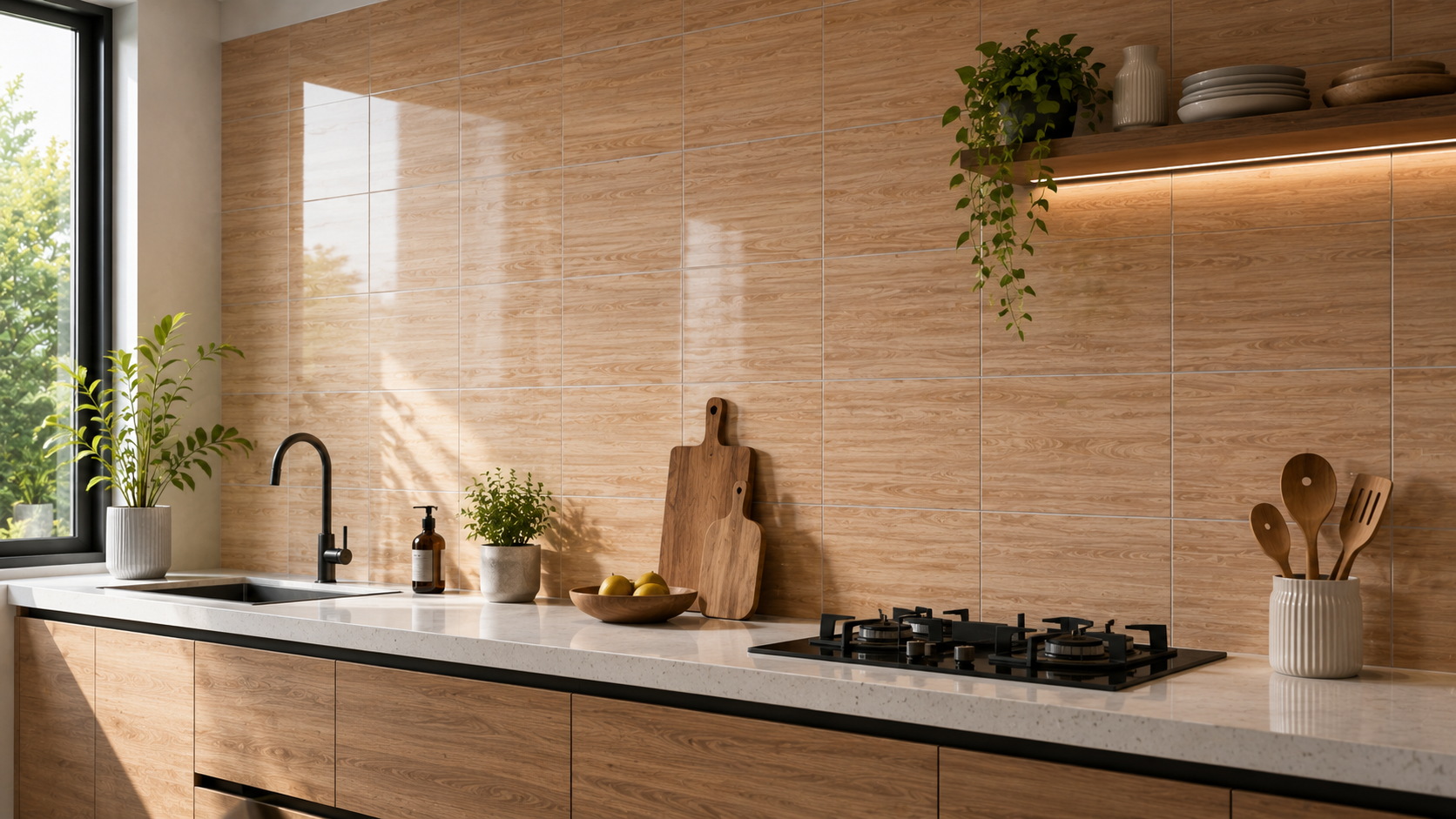
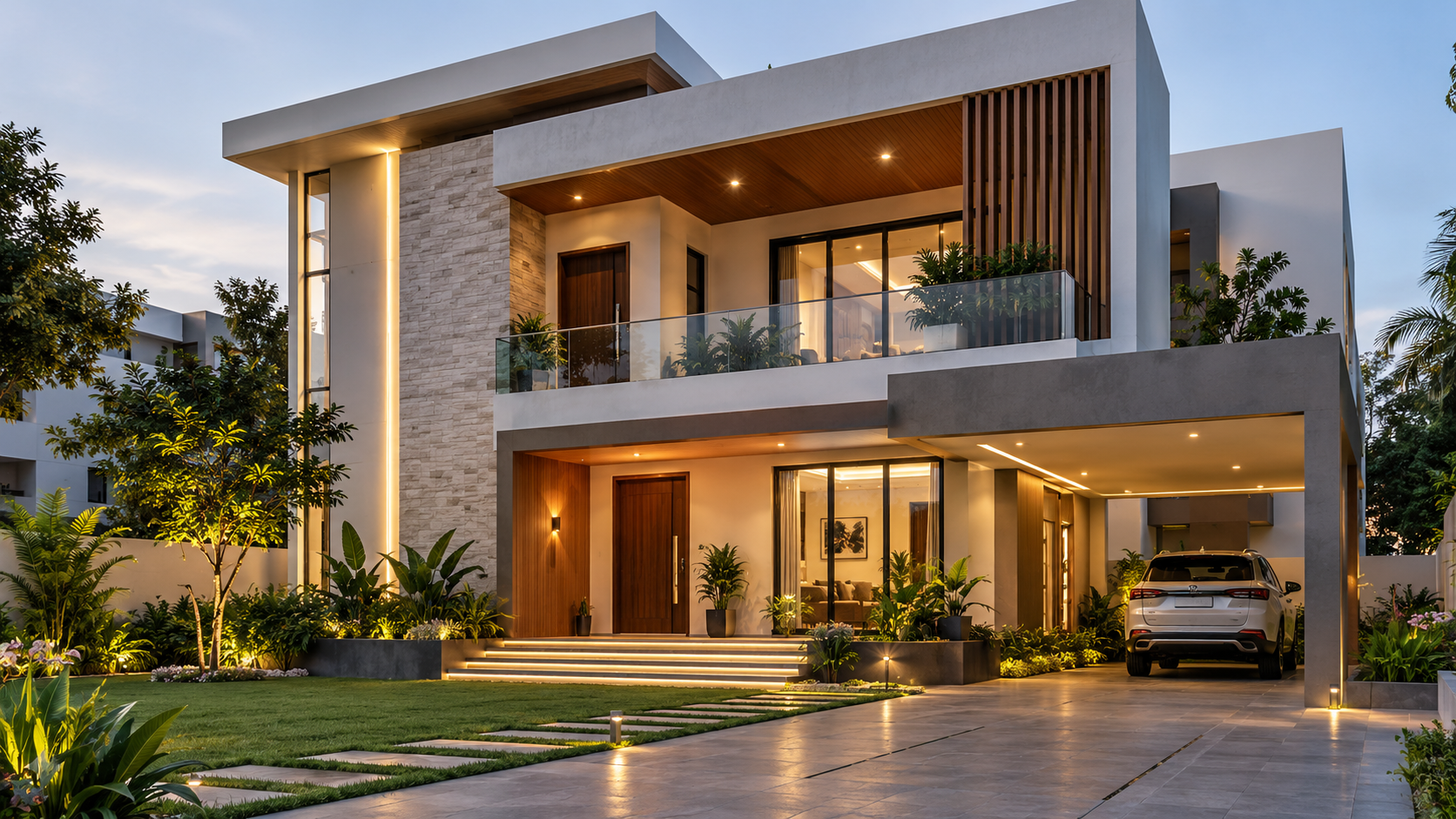
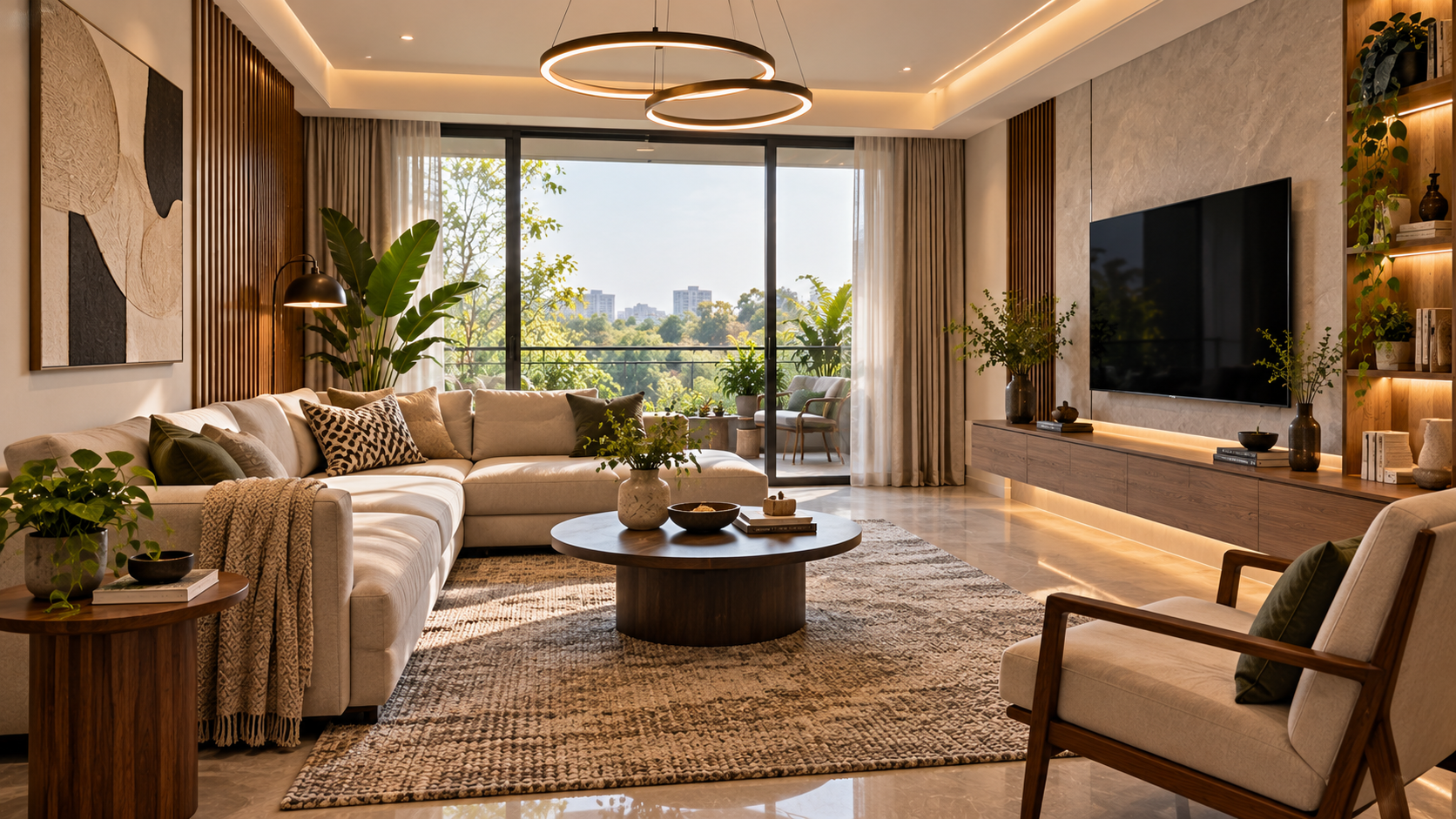
The resurgence of natural materials in contemporary architecture represents a fundamental shift in how designers and builders approach construction. After decades of prioritising industrial materials and synthetic solutions, the architecture and construction industry is experiencing a renewed appreciation for materials like wood, stone, clay, and earth. This movement is particularly pronounced in India, where traditional building practices are being reimagined through a modern lens to create sustainable, aesthetically compelling, and culturally resonant structures./blog/the-10-sustainable-materials-reshaping-commercial-architecture-right-now
Understanding the Natural Materials Movement
The reintegration of natural materials in modern architecture is not merely a nostalgic return to the past. Rather, it represents a sophisticated synthesis of traditional wisdom and contemporary design principles. Natural materials such as timber, stone, bamboo, and rammed earth are being employed in innovative ways that address modern challenges including energy efficiency, environmental sustainability, and occupant well-being.
In India, this movement gains particular significance given the country's rich heritage of vernacular architecture. Cities like Jaipur, Udaipur, and Varanasi showcase centuries-old examples of natural material utilization that remain structurally sound and thermally efficient. Contemporary architects are studying these precedents to develop solutions that honor tradition while meeting 21st-century building codes and performance standards.
Build cost · Bengaluru, May 2026
Why Natural Materials Matter Today
The shift toward natural materials addresses several critical contemporary concerns. First, environmental impact: the production of synthetic and industrial materials generates substantial carbon emissions. Conversely, natural materials—particularly those sourced locally—have significantly lower embodied carbon. A timber-framed structure built with wood from Indian forests carries far less environmental burden than its steel-and-concrete equivalent.
Second, occupant health and comfort: research increasingly demonstrates that spaces constructed with natural materials contribute to improved air quality, better humidity regulation, and reduced volatile organic compound (VOC) exposure. This is particularly important in urban centers like Bangalore, Mumbai, and Delhi, where air quality concerns are paramount.
Third, thermal and acoustic performance: natural materials possess inherent properties that regulate temperature and sound. Exposed stone walls in Jaipur's heritage buildings maintain comfortable internal temperatures without mechanical intervention, while timber ceilings naturally absorb and diffuse sound.
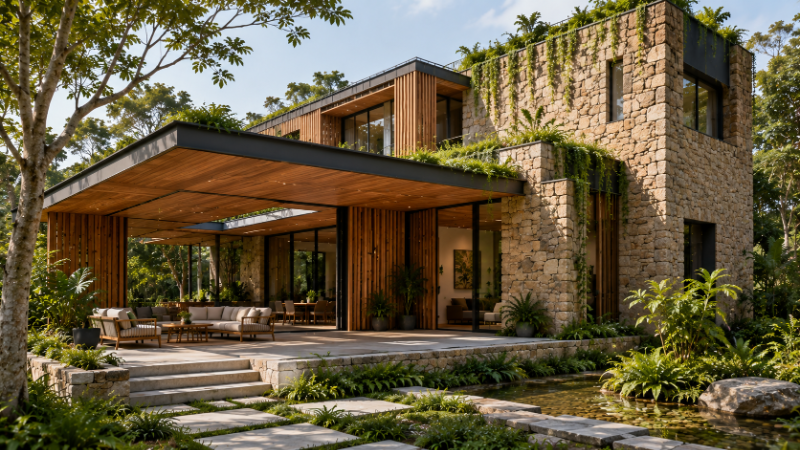
Key Natural Materials in Contemporary Indian Architecture
Timber and Wood
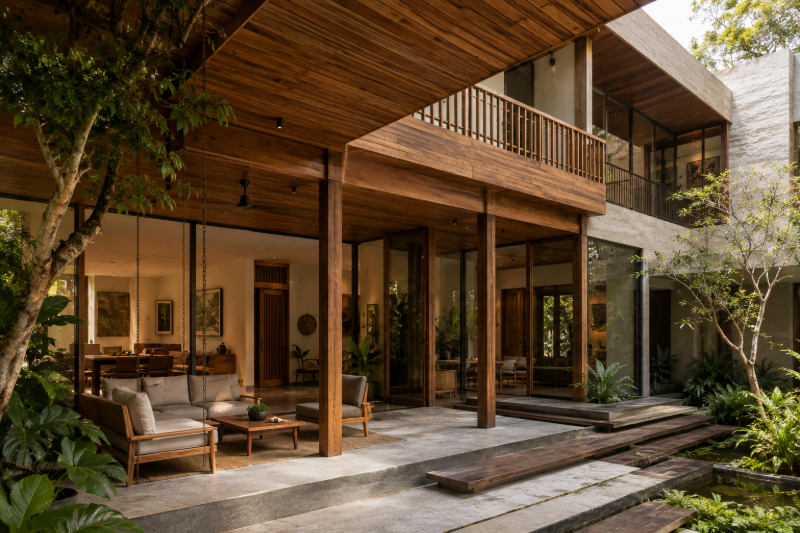
Wood remains one of the most versatile natural materials in modern architecture. In India, architects are increasingly specifying sustainably harvested timber for structural frames, cladding, and interior finishes. The cost of timber in India ranges from ₹15,000 to ₹50,000 per cubic meter depending on species and quality, making it competitive with steel in many applications.
Modern timber construction techniques—including cross-laminated timber (CLT), glued laminated timber (Glulam), and engineered lumber—enable architects to design tall buildings with wood. These methods address historical concerns about timber's fire resistance and durability. The Bangalore-based architectural firm Khosla & Associates has pioneered several timber-centric projects that demonstrate wood's contemporary relevance in India's urban context.
Bamboo, technically a grass rather than timber, deserves special mention. As a rapidly renewable resource abundant throughout India, bamboo offers remarkable structural properties. Its tensile strength rivals steel, yet it's significantly lighter and more affordable. Bamboo-based construction costs approximately ₹8,000 to ₹15,000 per cubic meter, making it an economically attractive option for residential and commercial projects across Indian cities.
Frequently asked
Stone and Masonry
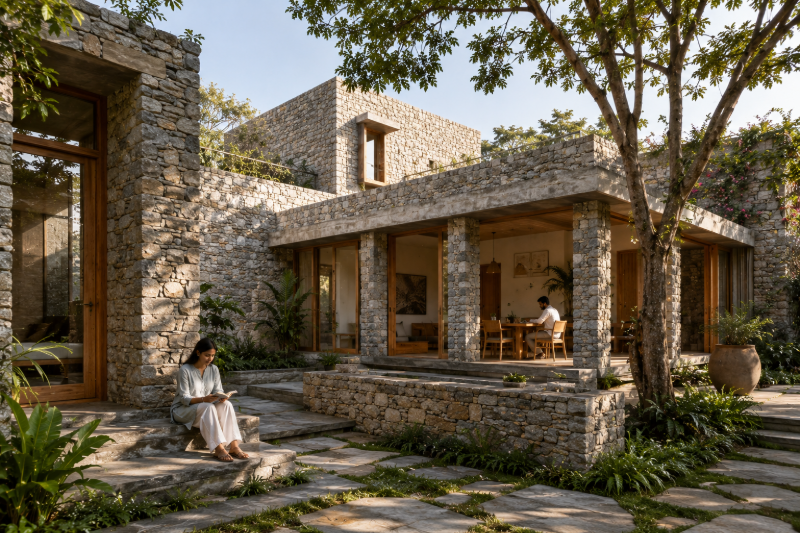
Stone has experienced a renaissance in Indian architecture, moving beyond its traditional role as a decorative or load-bearing element. Contemporary architects employ stone in innovative ways—as thermal mass in passive cooling systems, as textural cladding that responds to light and weather, and as a primary structural material in hybrid systems.
India's abundance of stone varieties—granite from Karnataka, sandstone from Rajasthan, limestone from Madhya Pradesh—provides architects with diverse aesthetic and performance options. Stone cladding costs range from ₹300 to ₹2,000 per square meter depending on finish and origin. When sourced locally, stone minimizes transportation costs and supports regional economies.
The Aga Khan Award-winning Narmada Riverside Pavilion in Gujarat exemplifies contemporary stone masonry, employing local materials in ways that create distinctive thermal and visual qualities while celebrating regional craftsmanship.
Earth-Based Materials
Rammed earth, adobe, and clay brick represent some of the oldest building materials, yet they're experiencing renewed interest among contemporary architects. These materials offer exceptional thermal mass, natural humidity regulation, and minimal environmental impact. Earth-based construction costs approximately ₹400 to ₹1,200 per square meter, making them economically compelling for various project types.
In Rajasthan and Gujarat, architects are reviving traditional earth construction techniques using modern engineering principles. These buildings maintain cooler interiors without air conditioning—a significant advantage in India's hot climate regions. The thermal lag effect of thick earth walls means that heat absorbed during the day is released slowly at night, creating naturally comfortable living conditions.
However, earth-based materials require proper detailing to manage moisture, particularly in regions with high rainfall. Adequate overhangs, raised plinths, and appropriate waterproofing are essential for durability and longevity.
Design Principles for Natural Materials in Modern Architecture
Honest Expression of Material
Contemporary architecture emphasizes the honest expression of materials rather than disguising them. This principle means allowing wood grain to remain visible, permitting stone to weather naturally, and celebrating the textural qualities of earth. This approach requires confidence in material selection and careful detailing to ensure long-term performance.
Designing with natural materials demands understanding their limitations and potentials. A timber structure might be left exposed to celebrate its warmth and visual appeal, but it must be properly protected from moisture and UV exposure. Stone facades might develop patina over time, adding character rather than detracting from appearance.
Integration with Modern Systems
Natural materials must work seamlessly with contemporary building systems—mechanical, electrical, plumbing, and fire safety infrastructure. This integration requires thoughtful design that doesn't compromise either the material or the systems. For instance, timber structures can accommodate modern MEP systems through careful coordination, using soffits and chases that don't compromise structural integrity or aesthetic qualities.
In India's context, integrating natural materials with modern requirements—including earthquake resistance in seismic zones, monsoon resilience in coastal areas, and compliance with National Building Code standards—presents both challenges and opportunities. Architects working on AECORD's platform frequently collaborate with engineers and specialists to solve these integration challenges.
Layering and Composition
Sophisticated natural material architecture typically involves layering—combining multiple materials to optimize performance and aesthetics. A wall might feature exposed stone on the exterior for thermal mass and durability, timber framing for structural support and warmth, and earth plaster on the interior for hygroscopic benefits and visual softness.
This approach requires detailed specifications and coordination among trades. Clear documentation of material interfaces, moisture management strategies, and performance expectations is essential. Professionals on AECORD can help specify and coordinate these complex material assemblies.
Performance Considerations and Technical Requirements
Thermal Performance
Natural materials offer distinctive thermal characteristics. Stone and earth possess high thermal mass, absorbing heat during the day and releasing it at night. Timber provides moderate insulation values—approximately R-1.25 per inch (R-0.22 per centimeter)—making it suitable for climates where some insulation is beneficial. Bamboo offers similar performance to timber.
In India's varied climate zones—from the hot-dry regions of Rajasthan to the humid tropics of Kerala—architects must select materials and thicknesses appropriate to local conditions. A stone wall in Delhi might be 450mm thick for thermal mass, while a timber frame in Bangalore might incorporate additional insulation layers.
Moisture Management
All natural materials are hygroscopic, meaning they absorb and release moisture in response to ambient humidity. This characteristic provides benefits—natural humidity regulation—but requires careful management to prevent problems like rot, mold, or structural damage.
Proper detailing is essential: adequate ventilation behind cladding, appropriate flashing and overhangs, raised plinths to prevent ground moisture contact, and breathable finishes that allow vapor transmission. In monsoon-prone regions like Mumbai and Goa, these details are critical for material longevity.
Structural Performance and Fire Safety
Modern building codes require that all materials, including natural ones, meet structural and fire safety standards. Timber must be properly graded and, in many applications, treated for fire resistance. Earth-based materials require engineering analysis to demonstrate adequate strength. Stone masonry must be designed according to code provisions for unreinforced or reinforced masonry.
India's National Building Code provides guidelines for these materials, though many architects and engineers find that consulting specialists—available through professional networks like AECORD—ensures optimal design that meets code requirements while achieving design intent.
Economic Considerations and Cost Analysis
A common misconception is that natural materials are inherently more expensive than industrial alternatives. In reality, costs vary significantly based on material type, sourcing, and regional availability.
Locally sourced materials typically offer cost advantages. In Jaipur, sandstone costs less than imported materials while supporting local quarries and craftspeople. Similarly, timber from Indian forests costs substantially less than imported hardwoods. Bamboo, abundantly available across India, represents one of the most economically competitive options.
However, labor costs for natural material installation may be higher, particularly for specialized techniques like stone masonry or timber joinery that require skilled craftspeople. These costs must be balanced against potential long-term savings from reduced maintenance and improved energy efficiency.
A lifecycle cost analysis often favors natural materials. A stone facade may require less maintenance than painted concrete; a timber structure may offer better insulation than steel; earth walls may reduce HVAC requirements compared to conventional construction.
Regional Applications Across India
North India
In Delhi, Jaipur, and Chandigarh, architects are employing stone and timber in response to temperature extremes. Thick stone walls provide thermal mass for temperature moderation, while timber ceilings and screens provide visual warmth and acoustic benefits. The dry climate allows for exposed earth finishes in interior spaces.
South India
In Bangalore, Chennai, and Hyderabad, the emphasis shifts toward materials that manage humidity and rainfall. Timber cladding with adequate ventilation, stone with proper drainage, and earth plaster with breathable finishes become critical. Bamboo is increasingly popular given its rapid renewability and local availability.
Coastal Regions
In Mumbai, Goa, and Kochi, salt spray and high humidity demand durable materials and meticulous detailing. Naturally decay-resistant timber species, properly finished stone, and protected earth materials are employed with careful attention to ventilation and drainage.
Challenges and Solutions
Availability and Supply Chain
Sourcing consistent quality natural materials can be challenging, particularly for large projects. Establishing relationships with reliable suppliers and building material specifications that allow for natural variation are essential strategies.
Skilled Labor
Traditional crafts—stone masonry, timber joinery, earth construction—require specialized skills that are becoming less common. Supporting craftspeople through education and fair compensation helps preserve these traditions while ensuring quality execution.
Code Compliance
Building codes developed around industrial materials sometimes create barriers for natural material applications. Architects often must provide additional engineering analysis or testing to demonstrate compliance. Professional networks and specialists can facilitate this process.
The Future of Natural Materials in Indian Architecture
The trajectory is clear: natural materials will play an increasingly important role in India's architectural future. Growing environmental consciousness, improved understanding of material performance, and renewed appreciation for craftsmanship are driving this shift.
Emerging technologies—including digital design tools that optimize material usage, prefabrication techniques that improve quality and efficiency, and advanced testing methods that verify performance—are making natural material construction more feasible and cost-effective.
India's construction industry, currently experiencing rapid growth, has an opportunity to integrate natural materials thoughtfully rather than defaulting to conventional approaches. This requires collaboration among architects, engineers, builders, and material suppliers—exactly the kind of professional ecosystem that AECORD facilitates.
Getting Started with Natural Materials
For architects and builders considering natural materials in their projects, several steps are advisable:
Study precedents: examine successful projects in similar climates and contexts
Engage specialists early: involve material experts and engineers in design development
Develop detailed specifications: clearly communicate material properties, performance requirements, and installation methods
Plan for testing and verification: include provisions for material testing and quality assurance
Budget adequately: account for specialized labor and potential material variation
Establish maintenance protocols: natural materials often benefit from regular care and attention
Conclusion
The reintegration of natural materials in modern architecture represents a sophisticated response to contemporary challenges—environmental sustainability, occupant health, and cultural identity. In India, this movement honors the country's rich architectural heritage while embracing contemporary design principles and building science.
Natural materials—timber, stone, bamboo, earth—offer distinctive aesthetic, thermal, and environmental qualities that synthetic alternatives cannot replicate. When employed thoughtfully, with attention to regional climate, code requirements, and performance specifications, these materials create buildings that are beautiful, durable, and responsive to their contexts.
Whether you're an architect exploring natural material applications, a builder seeking to source appropriate materials, or a property owner interested in sustainable construction, AECORD connects you with the professionals and specialists who can guide these decisions. Browse our network of architects, engineers, material suppliers, and craftspeople who specialize in natural material construction. Together, we can build India's architectural future—one that honors tradition while embracing innovation.
Ready to explore natural materials for your next project? Find experienced architects, engineers, and material specialists on AECORD today. Connect with professionals who understand how to integrate traditional materials with contemporary design and building science.
Frequently Asked Questions
Why are natural materials becoming popular in modern architecture?
Natural materials are gaining popularity due to their lower embodied carbon compared to industrial materials, improved occupant health through better air quality and humidity regulation, and inherent thermal and acoustic performance properties. They also honor cultural heritage while meeting contemporary building codes and sustainability standards.
What are the main natural materials used in contemporary architecture?
Key natural materials include timber, stone, bamboo, clay, and rammed earth. Timber costs ₹15,000-₹50,000 per cubic meter in India, while bamboo offers superior structural properties at ₹8,000-₹15,000 per cubic meter, making both competitive alternatives to steel and concrete.
How do natural materials improve building performance?
Natural materials regulate temperature and humidity naturally, improve indoor air quality by reducing VOC exposure, and provide excellent acoustic properties. Stone and timber in traditional Indian architecture demonstrate how these materials maintain comfortable internal temperatures without mechanical systems.
Is timber safe for modern construction with fire and durability concerns?
Modern timber construction techniques like cross-laminated timber (CLT) and glued laminated timber (Glulam) address historical concerns about fire resistance and durability, enabling architects to design tall buildings safely with wood while maintaining contemporary performance standards.
Why is bamboo considered a sustainable building material?
Bamboo is a rapidly renewable grass abundant throughout India with tensile strength rivaling steel, yet it's lighter and more affordable. Its sustainability, combined with exceptional structural properties, makes it an excellent eco-friendly alternative to traditional timber and steel in construction.