Building Information Modelling (BIM) has revolutionized the Architecture, Engineering, and Construction (AEC) industry. Its evolution reflects a continuous quest for smarter, faster, and more connected approaches to building design and construction. From its rudimentary beginnings to the sophisticated, cloud-based BIM platforms of today, the journey of BIM is a testament to the power of innovation in transforming how we conceive, construct, and manage buildings.
The History of BIM
Early Developments in Building Information Modelling
The history of BIM can be traced back to the late 20th century when computer-aided design (CAD) began to gain traction. However, early CAD systems primarily focused on 2D drafting, lacking the intelligence and data integration capabilities of modern BIM. The concept of parametric modelling, which allows for the creation of 3D models with embedded information, started to emerge as a potential solution. Early pioneers envisioned a digital model that could hold comprehensive project information, going beyond simple geometric representation. This marked the initial steps toward what we now know as Building Information Modelling.
Key Milestones in BIM Technology Evolution
Several key milestones mark the evolution of BIM technology. The development of object-oriented CAD systems was crucial, enabling the creation of intelligent building elements. The introduction of specialized BIM software further accelerated BIM adoption, offering features like clash detection and cost estimation. The rise of cloud-based BIM platforms facilitated real-time collaboration among stakeholders, regardless of location. These advancements significantly improved efficiency in the design and construction process, showcasing the immense benefits of BIM implementation. The ability to share and access BIM data seamlessly has been a game-changer for the AEC industry.
Transition from CAD to BIM in AEC
The transition from CAD to BIM in the AEC industry represents a fundamental shift in workflow and project delivery. While CAD focused on creating drawings, BIM enables the creation of a digital model containing all relevant project information. This digital model facilitates better communication, reduces errors, and enhances decision-making throughout the building lifecycle. Using BIM allows architects, contractors, and other stakeholders to optimize the design and construction process. The transition involves not only adopting new BIM tools and BIM software but also embracing new BIM workflows and BIM execution strategies to fully leverage its capabilities.
Build cost · Bengaluru, May 2026
BIM Technology and Software
Overview of Leading BIM Software Solutions
The BIM technology landscape is populated by various BIM software solutions, each offering unique capabilities to enhance BIM workflows and BIM processes within the AEC industry. These BIM tools cater to different needs, from architectural design to structural engineering and construction management. Popular options often feature advanced 3D model creation tools, parametric modelling, and real-time collaboration features. Choosing the right BIM software is crucial for any AEC project to optimize BIM implementation and BIM adoption, leading to improved efficiency and better project outcomes. The leading BIM software continually evolves, incorporating new features to support the future of BIM.
Integrating Digital Twin Technology with BIM
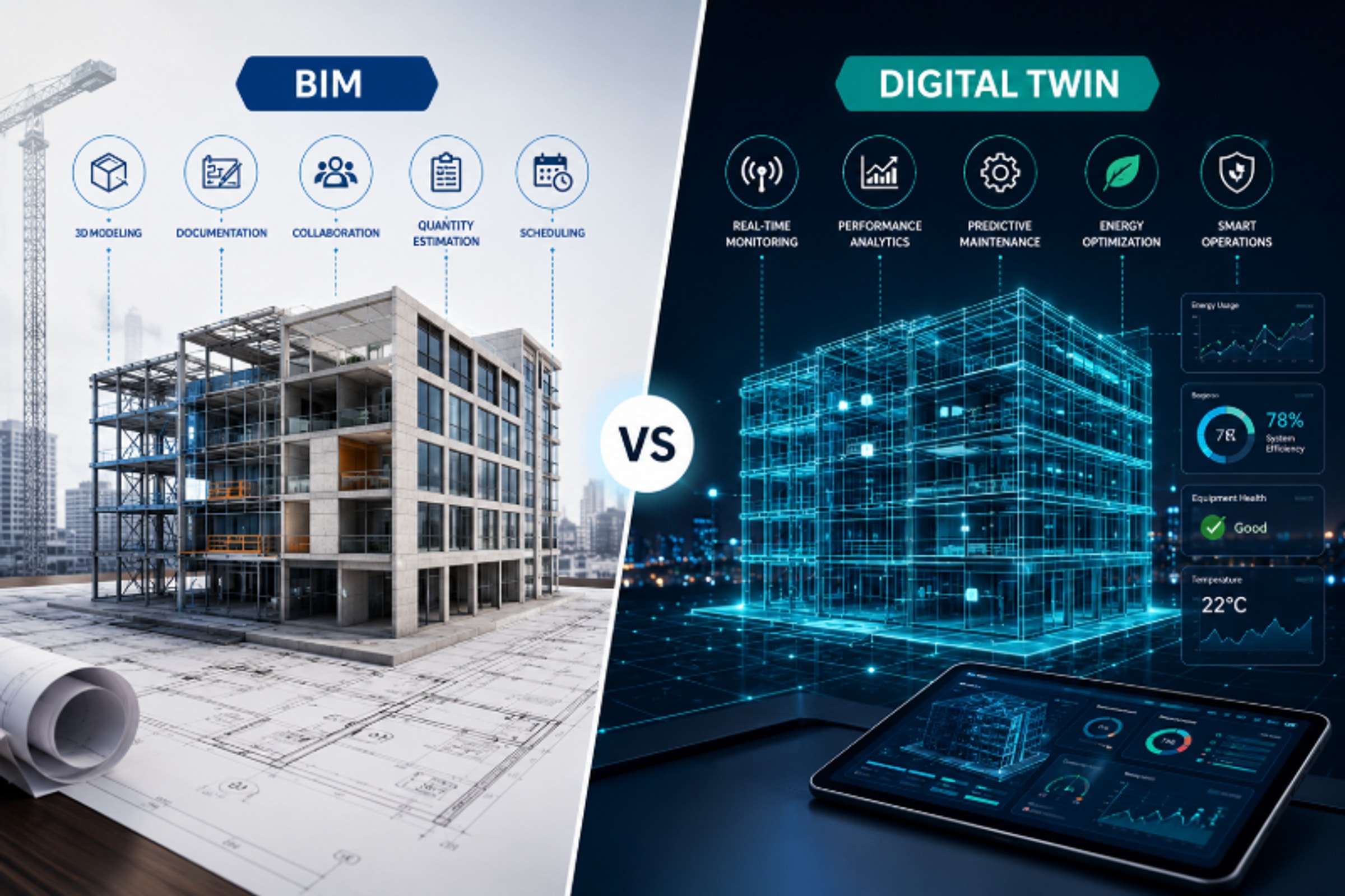
Integrating digital twin technology with BIM marks a significant step forward in construction project management and facility management. A digital twin is a virtual replica of a physical asset, continuously updated with real-time data from sensors and other sources. When combined with a BIM model, the digital twin enables stakeholders to monitor the performance of building systems, predict maintenance needs, and optimize operational efficiency throughout the building lifecycle. This integration provides a holistic view of the asset, bridging the gap between the design phase and the operational phase, thus maximizing the benefits of BIM and sustainability within the construction site.
Enhancements in BIM Systems for Construction Projects
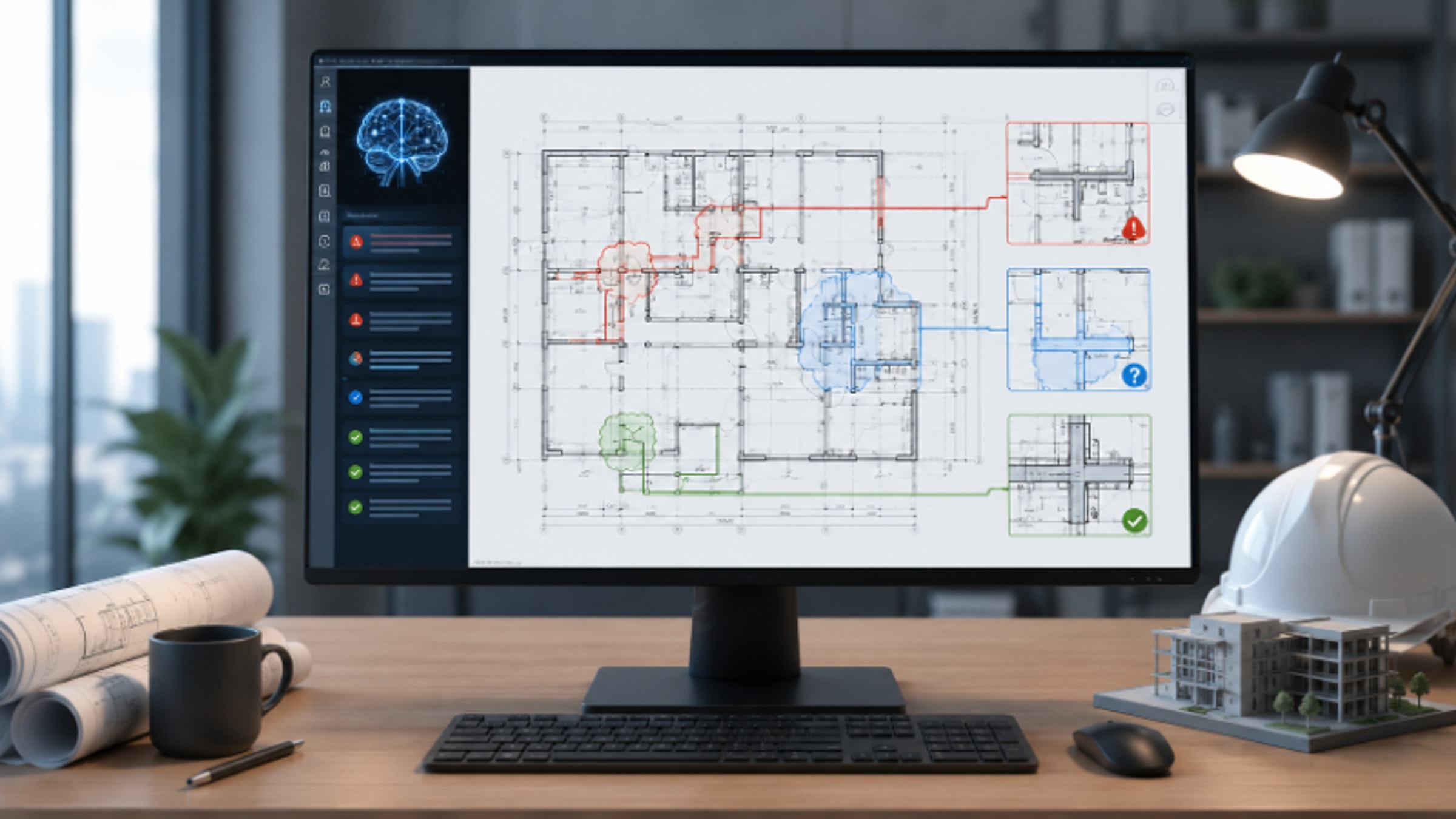
BIM systems are constantly being enhanced to address the evolving needs of architecture and construction. Recent advancements include improved clash detection capabilities, making it easier to identify and resolve potential conflicts early in the design and construction process. The evolution of BIM also sees integration with other technologies, such as augmented reality and virtual reality, to provide immersive experiences for stakeholders. Furthermore, advancements in cloud-based BIM platforms facilitate real-time collaboration and data sharing among geographically dispersed teams, enhancing and streamlining the construction process across AEC projects. BIM adoption is also facilitated through simpler BIM execution and BIM workflows.
Benefits of BIM in the Construction Industry
Optimizing Workflow through Smarter Design
One of the primary benefits of BIM in the construction industry is optimizing workflows through smarter building design. Building Information Modelling enables architects and engineers to create detailed 3D models that accurately represent the physical and functional characteristics of a building. By using BIM tools, stakeholders can identify potential design flaws early in the design process, reducing the risk of costly changes during construction. The evolution of BIM has made parametric modelling accessible, and using BIM promotes more efficient and sustainable building design. BIM implementation ensures a smoother design and construction process.
Enhancing Collaboration in AEC Projects
Enhanced collaboration is another significant advantage of using BIM in AEC projects. Cloud-based BIM platforms facilitate real-time collaboration among architects, engineers, contractors, and other stakeholders, regardless of their location. BIM software provides a central repository for project information, allowing team members to access the latest BIM data, share updates, and resolve issues in real-time. This improves communication, reduces errors, and enhances decision-making throughout the building lifecycle. BIM enables better coordination and minimizes delays, which contributes to the successful completion of construction projects within budget and on schedule in the AEC industry.
Cost and Time Efficiency in Construction Projects
BIM in construction offers substantial cost and time efficiencies. BIM's clash detection capabilities allow stakeholders to identify and resolve conflicts before construction begins, reducing the need for rework and change orders. BIM enables accurate cost estimation and quantity take off, helping project managers control budgets more effectively. By optimizing workflows, streamlining the construction process, and improving communication, BIM implementation can significantly reduce project costs and shorten project timelines. The benefits of BIM adoption translate to greater profitability and faster project delivery for the AEC industry. Stakeholders can improve efficiency by using its processes.
BIM Adoption and Implementation
Challenges in BIM Adoption within the Industry
Despite the numerous benefits of BIM, the AEC industry faces several challenges in BIM adoption. One significant hurdle is the initial investment required for BIM software, hardware, and training. Many smaller firms find it difficult to justify these upfront costs, hindering widespread BIM implementation. Resistance to change and a lack of understanding of BIM workflows can also impede adoption. Ensuring interoperability between different BIM systems and addressing data security concerns are further challenges that need to be overcome for broader BIM implementation.
Strategies for Effective BIM Implementation
Effective BIM implementation requires a well-defined strategy tailored to the specific needs of a construction project and organization. This involves establishing clear BIM execution plans, defining BIM standards, and providing comprehensive training to all stakeholders. Using BIM is crucial for success. Fostering a collaborative culture that encourages knowledge sharing and open communication is essential. Furthermore, organizations should prioritize BIM data management and establish robust security protocols to protect sensitive project information. A phased approach to BIM adoption, starting with pilot projects, can help organizations gradually integrate BIM into their workflows.
Future Trends and the Future of BIM in Construction
The future of BIM in construction is poised for significant advancements, driven by technological innovation and evolving industry needs. Future trends include increased integration with other technologies such as digital twin technology, artificial intelligence, and the Internet of Things. The evolution of BIM will see a greater emphasis on cloud-based collaboration, enabling real-time access to project information from anywhere in the world. Furthermore, BIM will play a crucial role in promoting sustainability and reducing the environmental impact of construction projects. The AEC industry can also expect enhanced tools, software and systems.
Frequently asked
The Future of BIM
Predictions for BIM Technology Advancements
Predictions for BIM technology advancements suggest a move towards more automated and intelligent systems. We can anticipate enhanced software and tools that leverage artificial intelligence and machine learning to automate repetitive tasks, optimize designs, and predict potential issues. The evolution of BIM will see greater integration with reality capture technologies, such as laser scanning and photogrammetry, to create accurate as-built BIM models. The use of virtual and augmented reality will further enhance collaboration and communication among stakeholders. BIM in construction will become more seamless and intuitive, making it easier for all AEC professionals to use.
Impact of AI and Machine Learning on BIM
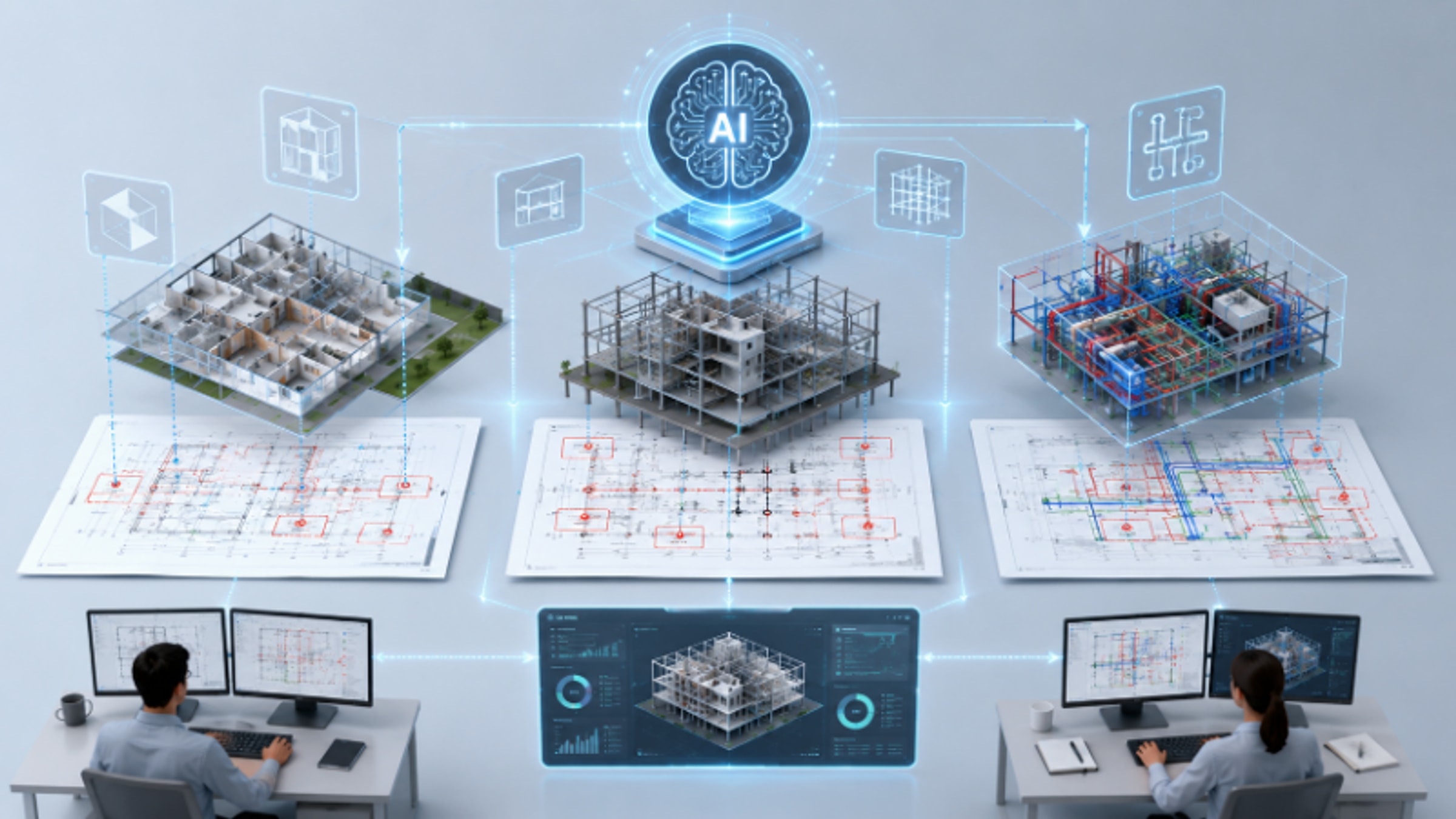
The integration of AI and machine learning into BIM is set to revolutionize the design and construction process. AI algorithms can analyse vast amounts of project information to identify design patterns, optimize building performance, and predict maintenance needs. Machine learning can automate tasks such as clash detection, code compliance checking, and cost estimation, freeing up human resources for more strategic activities. The future of BIM will see AI-powered BIM platforms that can learn from past projects, continuously improve their performance, and provide valuable insights to stakeholders. This also impacts cost estimation and its processes.
Exploring the Lifecycle of BIM in Construction
Exploring the lifecycle of BIM in construction reveals its potential to transform the entire building process, from initial design to facility management. BIM enables architects and engineers to create detailed 3D models that accurately represent the physical and functional characteristics of a building. During construction, BIM facilitates better coordination and communication among contractors and subcontractors, reducing errors and delays. After construction, BIM models can be used for facility management, providing valuable information for maintenance, repairs, and renovations throughout the building's lifespan. The evolution of BIM enables stakeholders to optimize building performance, reduce operating costs, and extend the building's useful life. The future of BIM is focused on sustainability and efficiency.
Conclusion
BIM has come a long way from static 3D models. Today, it’s smarter, faster, and more connected than ever driven by real-time data, cloud collaboration, and intelligent systems. But while the technology has evolved, the industry’s mindset often hasn’t. Many projects still suffer from delays, miscommunication, and inefficiencies not because of lack of tools, but lack of adoption.
The truth is: we no longer have the excuse of outdated processes. Smarter BIM is here, and it’s not a luxury it’s a necessity. The firms and professionals who fail to embrace it risk falling behind in a rapidly advancing industry. BIM’s evolution offers the chance to build better, faster, and with fewer mistakes but only if we’re willing to evolve with it.
Frequently Asked Questions
What is the difference between CAD and BIM?
CAD focuses on creating 2D drawings, while BIM creates a comprehensive digital model containing all relevant project information including geometry, materials, costs, and schedules. BIM enables better communication, reduces errors, and enhances decision-making throughout the entire building lifecycle.
How has BIM technology evolved over time?
BIM evolved from early 2D CAD systems in the late 20th century to object-oriented CAD systems with intelligent building elements, then to specialized BIM software with clash detection and cost estimation, and finally to cloud-based platforms enabling real-time collaboration. These advancements have significantly improved efficiency in design and construction processes.
What are the key features of modern BIM software?
Modern BIM software includes advanced 3D model creation tools, parametric modelling capabilities, clash detection, cost estimation, and real-time collaboration features. These tools cater to different AEC disciplines from architectural design to structural engineering and construction management.
What is a digital twin in BIM?
A digital twin is a virtual replica of a physical asset that is continuously updated with real-time data. Integrating digital twin technology with BIM marks a significant advancement in construction project management and facility management.
Why is cloud-based BIM important for the AEC industry?
Cloud-based BIM platforms facilitate real-time collaboration among stakeholders regardless of location and enable seamless sharing and access to BIM data. This has been a game-changer for the AEC industry, improving efficiency and communication across all project phases.