

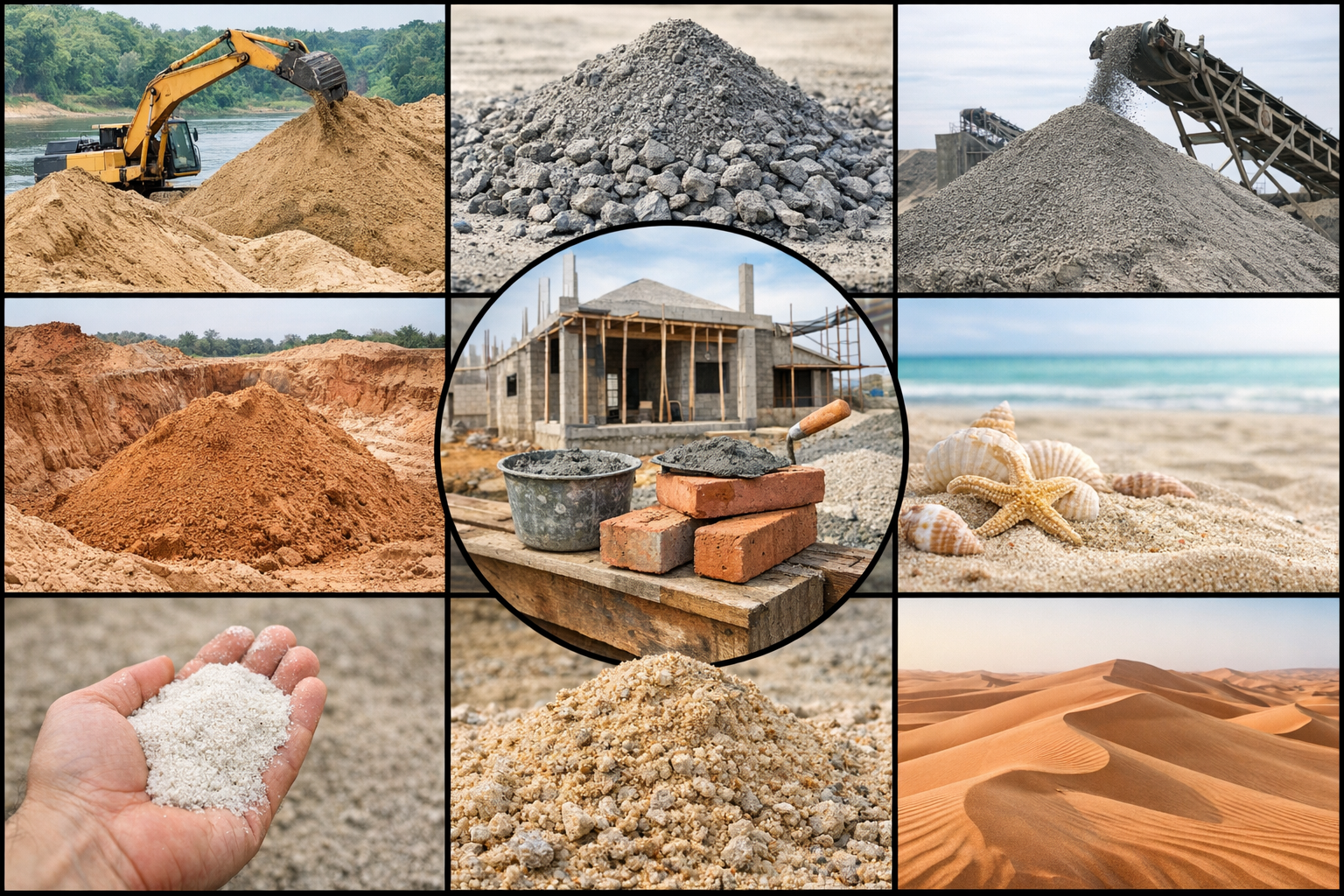
Sand is one of the most fundamental materials in construction, yet many builders and contractors in India don't fully understand the different types available and their specific applications. The quality and type of sand you choose can significantly impact the strength, durability, and cost-effectiveness of your construction project. Whether you're working on residential buildings, commercial structures, or infrastructure projects, selecting the right sand is crucial for achieving the desired results.
In India's construction industry, the availability and quality of sand vary considerably across regions. From the coastal areas of Kerala to the deserts of Rajasthan, each region offers different sand types with distinct characteristics. This comprehensive guide will help you understand the various sand types used in Indian construction, their properties, applications, and how to select the most suitable option for your specific project needs.
Understanding Sand in Construction
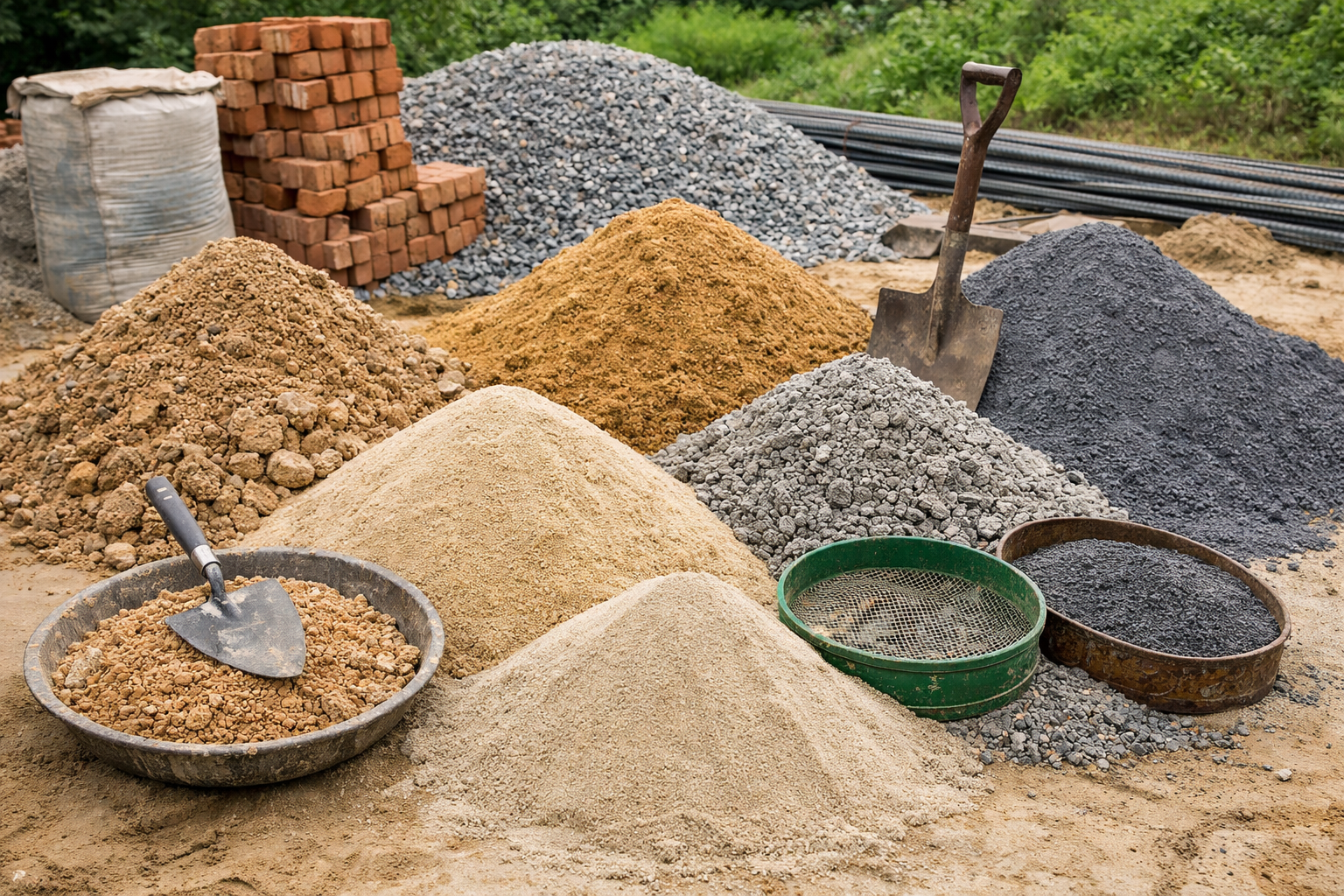
Sand, classified as a fine aggregate in construction terminology, plays a vital role in concrete and mortar production. It fills the voids between coarser materials and provides workability to the mix. The fineness modulus, particle size distribution, and mineral composition of sand directly affect the quality of concrete and mortar.
In India, sand is primarily sourced from three main sources: river beds, sea shores, and manufactured facilities. Each source produces sand with different characteristics, affecting its suitability for various construction applications. Understanding these differences is essential for contractors, engineers, and builders who want to ensure their projects meet quality standards and regulatory requirements.
Build cost · Bengaluru, May 2026
Major Types of Sand Used in Indian Construction
River Sand
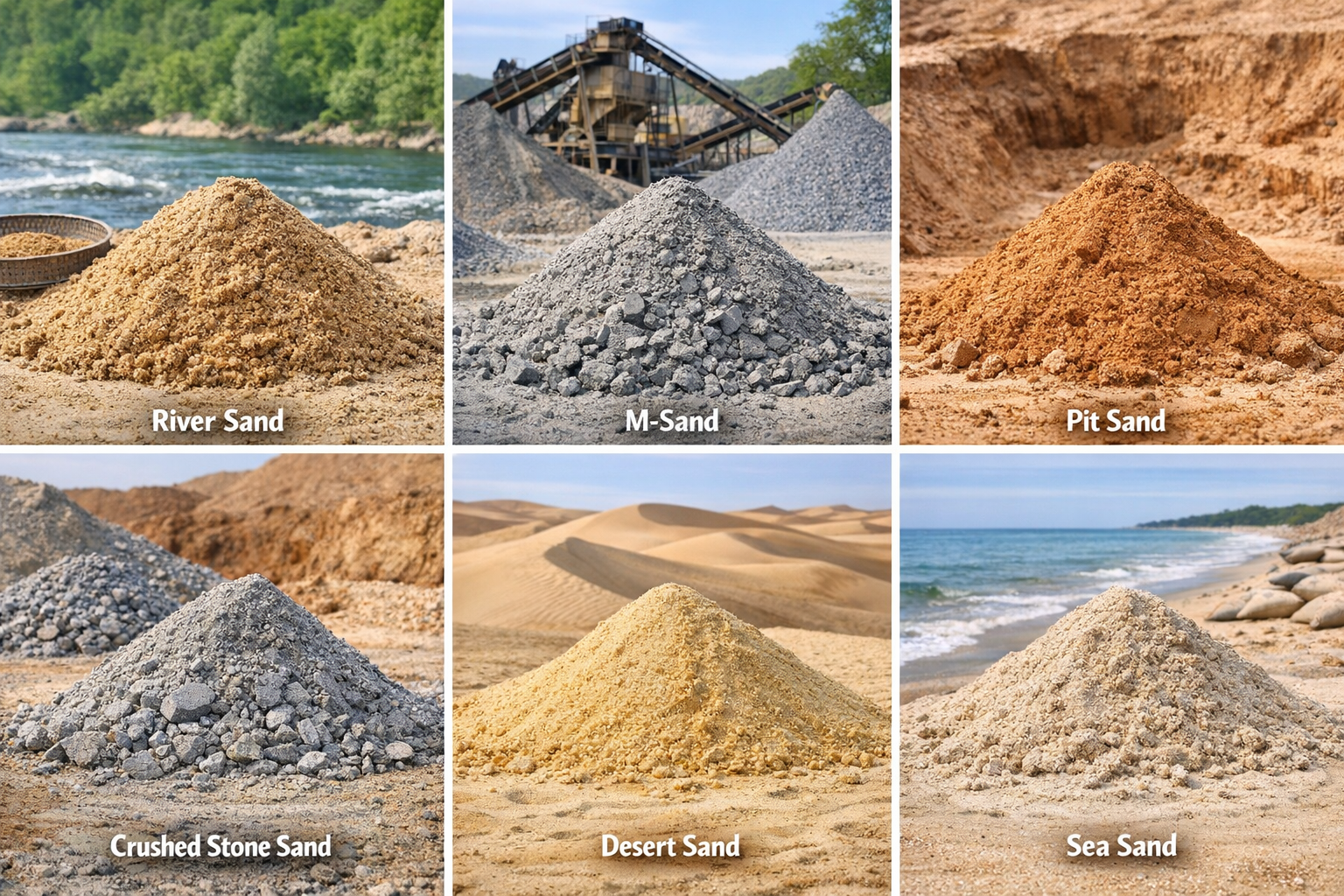
River sand, also known as natural sand or coarse sand, is one of the most commonly used types in Indian construction. It is extracted from river beds and has been naturally weathered over time, resulting in well-rounded particles with excellent binding properties.
Characteristics of River Sand:
Angular to sub-rounded particles
Good workability in concrete and mortar
Lower water absorption compared to other types
Excellent compressive strength when used in concrete
Fineness modulus typically ranges from 2.8 to 3.0
River sand is particularly popular in major construction hubs across India, including Delhi, Mumbai, Bangalore, and Hyderabad. The cost of river sand in India typically ranges from ₹20 to ₹60 per cubic meter, depending on the location and transportation distance. However, availability has become increasingly constrained due to environmental regulations and river mining restrictions implemented by various state governments.
The quality of river sand can vary significantly based on the specific river and the depth from which it's extracted. Sand from deeper layers tends to be cleaner and free from silt, making it more suitable for high-strength concrete applications.
Sea Sand (Marine Sand)
Sea sand is extracted from coastal areas and beaches. While it's abundant in coastal regions like Kerala, Goa, Tamil Nadu, and Maharashtra, its use in construction is limited due to its salt content.
Key characteristics:
Contains salt and shells, which can affect concrete durability
Higher water absorption rates
Can cause efflorescence and corrosion of reinforcement
Generally not recommended for reinforced concrete structures
More affordable than river sand in coastal areas (₹15-₹40 per cubic meter)
Although sea sand is cheaper, most Indian building codes, including the Indian Standard Code (IS 383), recommend against its use in reinforced concrete without proper washing and treatment. If used, it must be thoroughly washed to remove salt content, which increases the overall cost and effort.
Frequently asked
Manufactured Sand (M-Sand)
Manufactured sand, also called crushed sand or artificial sand, is produced by crushing granite, limestone, or other rock materials in quarries. This type has gained significant popularity in India over the past decade as a sustainable alternative to natural sand.
Advantages of Manufactured Sand:
Consistent quality and particle size distribution
Angular particles that provide better interlocking in concrete
Lower water absorption
Better compressive strength in concrete mixes
Environmentally sustainable option
Reduced dependency on river mining
Available in controlled fineness modulus (typically 2.8-3.2)
The cost of manufactured sand in India ranges from ₹40 to ₹80 per cubic meter, varying by region and source. While slightly more expensive than river sand, its consistency and performance benefits often justify the cost difference. Major cities like Bangalore, Pune, and Chennai have seen widespread adoption of M-sand due to river sand scarcity.
Manufactured sand performs exceptionally well in high-strength concrete applications and is increasingly being specified by engineers and architects for premium construction projects. When sourcing manufactured sand, ensure it comes from reputable suppliers who maintain strict quality control standards.
Desert Sand
Desert sand is found in arid regions, particularly in Rajasthan and parts of Gujarat. While abundant, it has limited applications in construction due to its specific characteristics.
Limitations of Desert Sand:
Very fine particles with fineness modulus below 2.0
Poor workability in concrete
Requires additional water in mixes
Lower compressive strength compared to river or manufactured sand
Excessive fines content (dust particles)
Desert sand is generally not suitable for structural concrete without significant modification. However, it can be used in limited applications such as brick manufacturing or as a filler material when blended with other sand types. The cost is typically the lowest among all sand types (₹10-₹30 per cubic meter) due to its abundance, but the quality limitations make it less economical for most construction purposes.
Pit Sand
Pit sand is extracted from inland pit mines and is composed of weathered rock particles. It's commonly available in various parts of India and has moderate construction applications.
Characteristics of Pit Sand:
Angular particles with good binding properties
Higher silt content than river sand
Moderate workability
Suitable for non-structural applications
Cost-effective option (₹25-₹50 per cubic meter)
Pit sand is commonly used in plastering, brickwork, and other non-structural applications. For structural concrete, it should be washed to reduce silt content before use. The availability of pit sand is generally good across inland regions of India, making it a practical choice for local construction projects.
Quality Standards and Testing
The Indian Standard Code IS 383:2016 specifies the requirements for coarse and fine aggregates from natural sources for concrete. When selecting sand for your project, ensure it meets these standards through proper testing.
Key Quality Parameters to Check:
Fineness Modulus: Should be between 2.4 and 3.25 for fine aggregates
Silt Content: Should not exceed 3% for concrete applications
Organic Content: Must be minimal to avoid affecting concrete strength
Chloride Content: Critical for reinforced concrete; should not exceed specified limits
Water Absorption: Lower values indicate better quality
Particle Shape: Angular particles provide better interlocking
Before purchasing sand in bulk, always request quality certificates and conduct basic tests. Simple field tests include the silt content test (washing sand in water), visual inspection for organic matter, and checking for salt content in marine sand.
Choosing the Right Sand for Your Project
For Structural Concrete
For reinforced concrete structures, load-bearing walls, and foundations, river sand or high-quality manufactured sand are the best choices. These provide excellent compressive strength and durability. Ensure the sand has low silt content and meets IS 383 specifications. The cost investment in quality sand here translates to better structural performance and longevity.
For Plastering and Brickwork
For plastering, mortar, and brickwork applications, pit sand or washed river sand work well. These applications are less demanding than structural concrete, allowing for slightly lower-grade sand. This is where you can often achieve cost savings without compromising quality.
For High-Strength Concrete
When designing high-strength concrete for special structures, manufactured sand is often the preferred choice. Its consistent quality, angular particles, and controlled fineness modulus make it ideal for achieving the required compressive strengths and durability.
Regional Considerations
In coastal regions like Kerala and Goa, where river sand availability is limited, manufactured sand or properly washed sea sand can be viable options. In desert regions like Rajasthan, blending pit sand or manufactured sand with limited river sand can provide better results than using desert sand alone. In central India, pit sand and manufactured sand are commonly available and cost-effective options.
Environmental and Regulatory Aspects
India's construction industry faces significant challenges regarding sand availability due to environmental concerns and mining regulations. Many states have imposed restrictions on river sand mining to protect ecosystems and prevent riverbank erosion. This has led to increased adoption of manufactured sand and stricter regulations on sand sourcing.
As a responsible builder or contractor, ensure your sand is sourced legally and sustainably. Verify that suppliers have proper mining licenses and environmental clearances. Using manufactured sand or sand from approved quarries supports sustainable construction practices and helps you comply with local regulations.
Some state governments, including those in Tamil Nadu and Karnataka, have actively promoted manufactured sand adoption through policy incentives. This trend is likely to continue, making manufactured sand an increasingly important material in Indian construction.
Cost Considerations and Market Trends
Sand prices in India have shown significant volatility over the past few years due to supply constraints and increased demand. In 2023-2024, prices have generally increased across most regions. River sand, being scarce in many areas, commands premium prices, while manufactured sand offers more stable pricing.
When budgeting for your project, account for potential price fluctuations and transportation costs, which can significantly impact the final sand cost. In remote areas, transportation can add 30-50% to the base sand price. Consider sourcing from local suppliers where possible to minimize transportation costs.
Bulk purchasing often provides better rates, but ensure proper storage to prevent contamination and moisture absorption. For large projects, negotiating directly with suppliers or quarries can yield better pricing than purchasing from intermediate dealers.
Working with Professional Suppliers
Finding reliable sand suppliers is crucial for project success. When sourcing sand for your construction project, look for suppliers who:
Provide quality certificates and test reports
Offer consistent particle size and quality
Have transparent pricing and delivery terms
Maintain proper storage facilities to prevent contamination
Provide technical support and guidance on sand selection
AECORD, India's leading B2B2C marketplace for AECO professionals, connects you with verified suppliers and contractors who specialize in material sourcing and quality assurance. Through AECORD's platform, you can easily compare suppliers, review credentials, and find the most suitable sand suppliers for your specific project requirements.
Best Practices for Sand Handling and Storage
Once you've selected and purchased quality sand, proper handling and storage are essential to maintain its quality:
Store sand on clean, elevated surfaces to prevent contamination and water pooling
Keep different sand types separated to avoid mixing and quality degradation
Cover stockpiles during monsoon season to prevent excessive moisture absorption
Remove any organic matter or debris before use
Use clean equipment for handling and transportation
Conduct periodic quality checks during the construction phase
Proper storage practices prevent additional costs from sand deterioration and ensure consistent quality throughout your construction project.
Conclusion
Selecting the right sand type is a critical decision that impacts your construction project's quality, cost, and timeline. Whether you choose river sand, manufactured sand, or other variants depends on your specific application, budget, and local availability. Understanding the characteristics, advantages, and limitations of each sand type empowers you to make informed decisions.
As environmental concerns and regulatory restrictions continue to shape India's construction landscape, manufactured sand is becoming an increasingly important material. However, traditional sand types remain relevant for specific applications. The key is matching the sand type to your project's requirements while ensuring compliance with Indian Standards and local regulations.
For your next construction project, take time to evaluate your sand requirements thoroughly. Consider consulting with experienced engineers and contractors who understand regional variations and quality standards. If you're looking for reliable suppliers and expert guidance on material selection, AECORD provides a comprehensive platform to connect with verified AECO professionals across India who can help you source quality sand and other construction materials. Visit AECORD today to find the right suppliers and professionals for your construction needs.
```
Frequently Asked Questions
What are the main types of sand used in construction in India?
The three main types of sand used in Indian construction are river sand (extracted from river beds), sea sand (from coastal areas), and manufactured sand (from facilities). Each type has different characteristics affecting its suitability for various construction applications, with river sand being the most commonly used due to its excellent binding properties and durability.
Why is river sand preferred over sea sand in Indian construction?
River sand is preferred because it has lower water absorption, excellent compressive strength, and well-rounded particles with good workability. Sea sand, while cheaper, contains salt and shells that can cause efflorescence, corrosion of reinforcement, and reduced concrete durability, making it unsuitable for reinforced concrete structures per Indian Standard Code (IS 383).
What is the cost of sand for construction in India?
River sand typically costs ₹20 to ₹60 per cubic meter depending on location and transportation distance, while sea sand is more affordable at ₹15-₹40 per cubic meter in coastal areas. Prices vary significantly across regions due to availability and environmental regulations affecting sand mining.
How does sand quality affect concrete strength and durability?
Sand quality directly impacts concrete through its fineness modulus, particle size distribution, and mineral composition. The type of sand used affects workability, water absorption, and compressive strength of the concrete, making proper sand selection crucial for meeting quality standards and ensuring project durability.
What is fineness modulus and why does it matter for construction sand?
Fineness modulus measures the particle size distribution of sand and directly affects concrete quality and workability. River sand typically has a fineness modulus of 2.8 to 3.0, which indicates well-graded particles that provide optimal concrete performance for construction applications.