

Modern House Designs in India 2026: Trends, Styles, and Practical Implementation
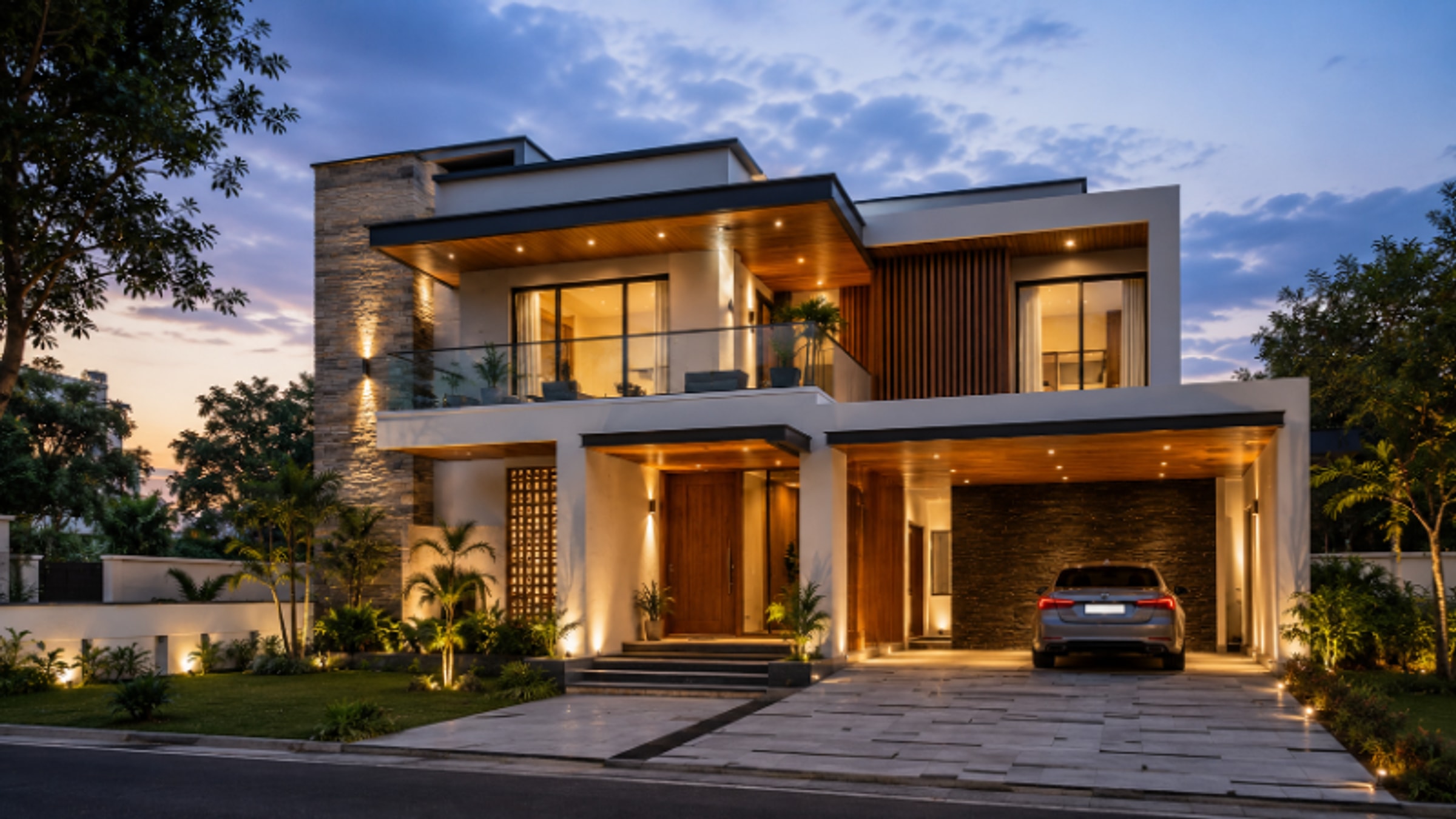
The Indian residential architecture landscape is undergoing a significant transformation in 2026. As urbanization accelerates, sustainability becomes paramount, and technology integrates seamlessly into our homes, modern house designs are evolving to meet contemporary needs while respecting cultural sensibilities. Whether you're planning to build in Bangalore, Mumbai, Delhi, or any tier-2 city, understanding these design trends is essential for creating a home that's both functional and future-ready.
Build cost · Bengaluru, May 2026
Understanding Modern Architecture in the Indian Context
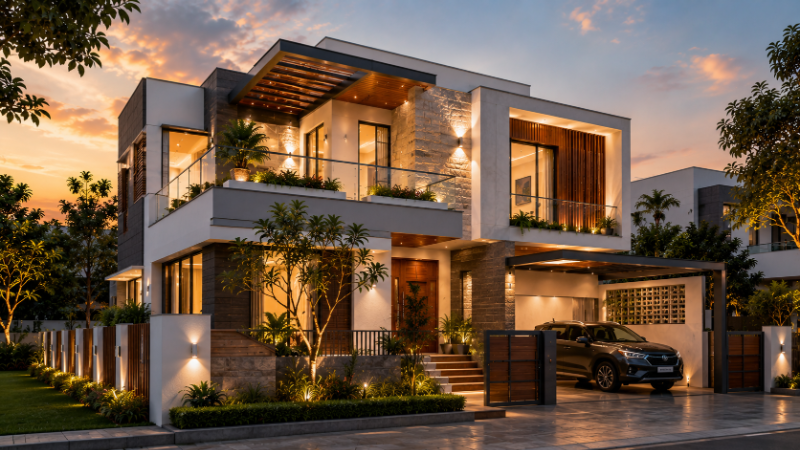
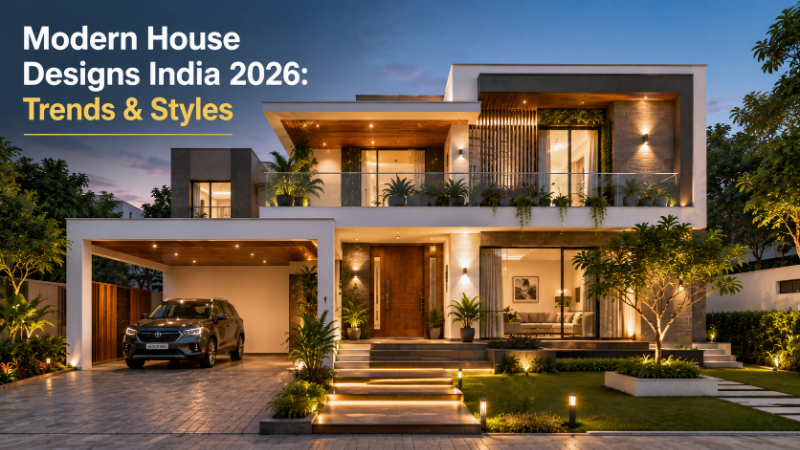
Modern house designs in India aren't simply replicas of Western architecture. Instead, they represent a thoughtful blend of minimalist principles, sustainable practices, and Indian lifestyle requirements. In 2026, the definition of "modern" extends beyond aesthetics to encompass energy efficiency, space optimization, and integration with India's diverse climate zones./blog/modern-house-designs-india-2026-mp6tde2g
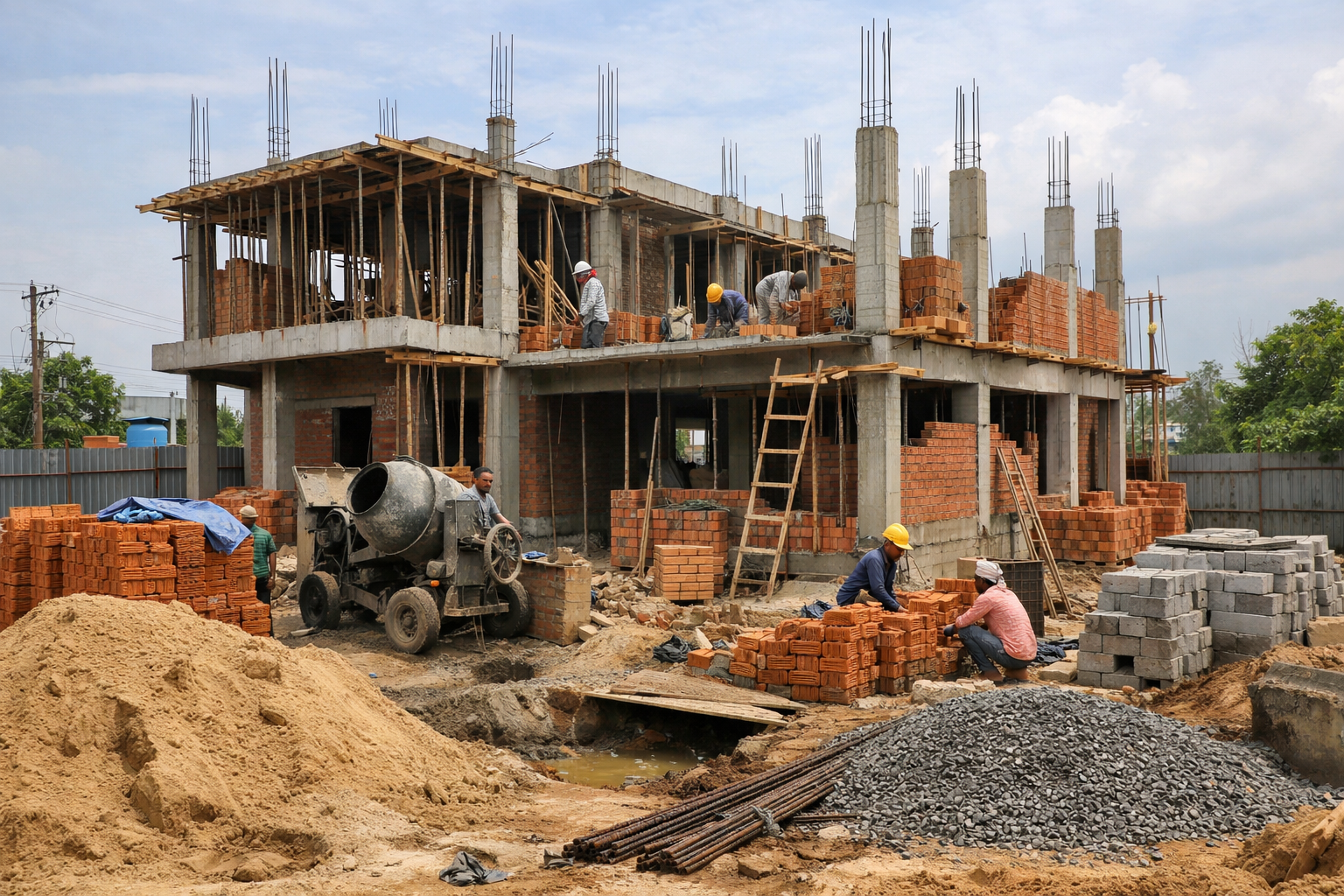
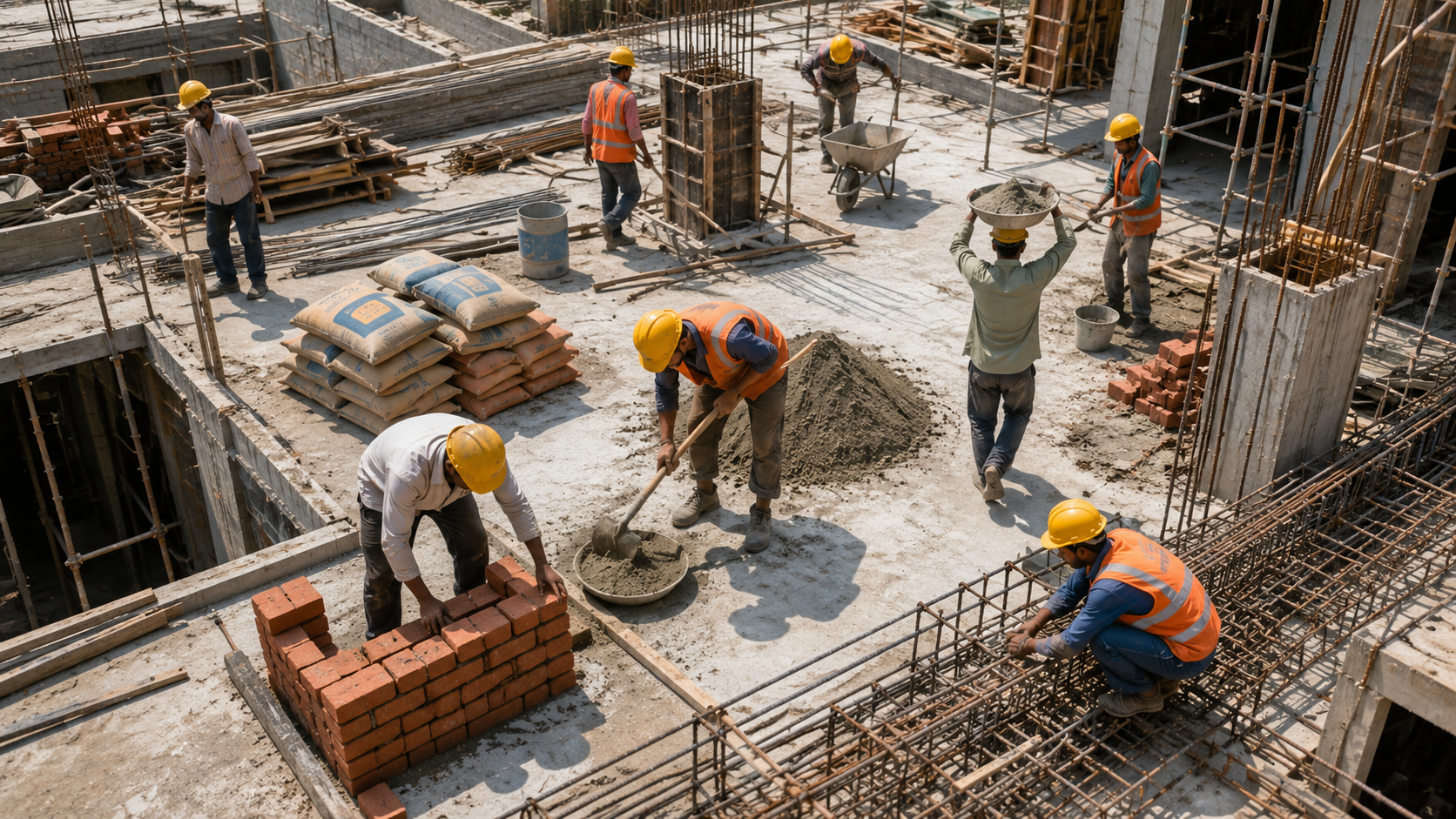
The evolution of modern design in India reflects changing demographics. Younger homeowners prefer open-plan living spaces, while multigenerational homes require flexible layouts. The average cost of modern house construction in India ranges from ₹1,500 to ₹3,500 per square foot, depending on location, materials, and finishes. Cities like Bangalore and Pune command premium prices, while emerging cities offer better value.
Key Design Trends for 2026
1. Sustainable and Eco-Friendly Design
Sustainability has moved from a niche consideration to a mainstream requirement. Modern houses in 2026 increasingly incorporate:
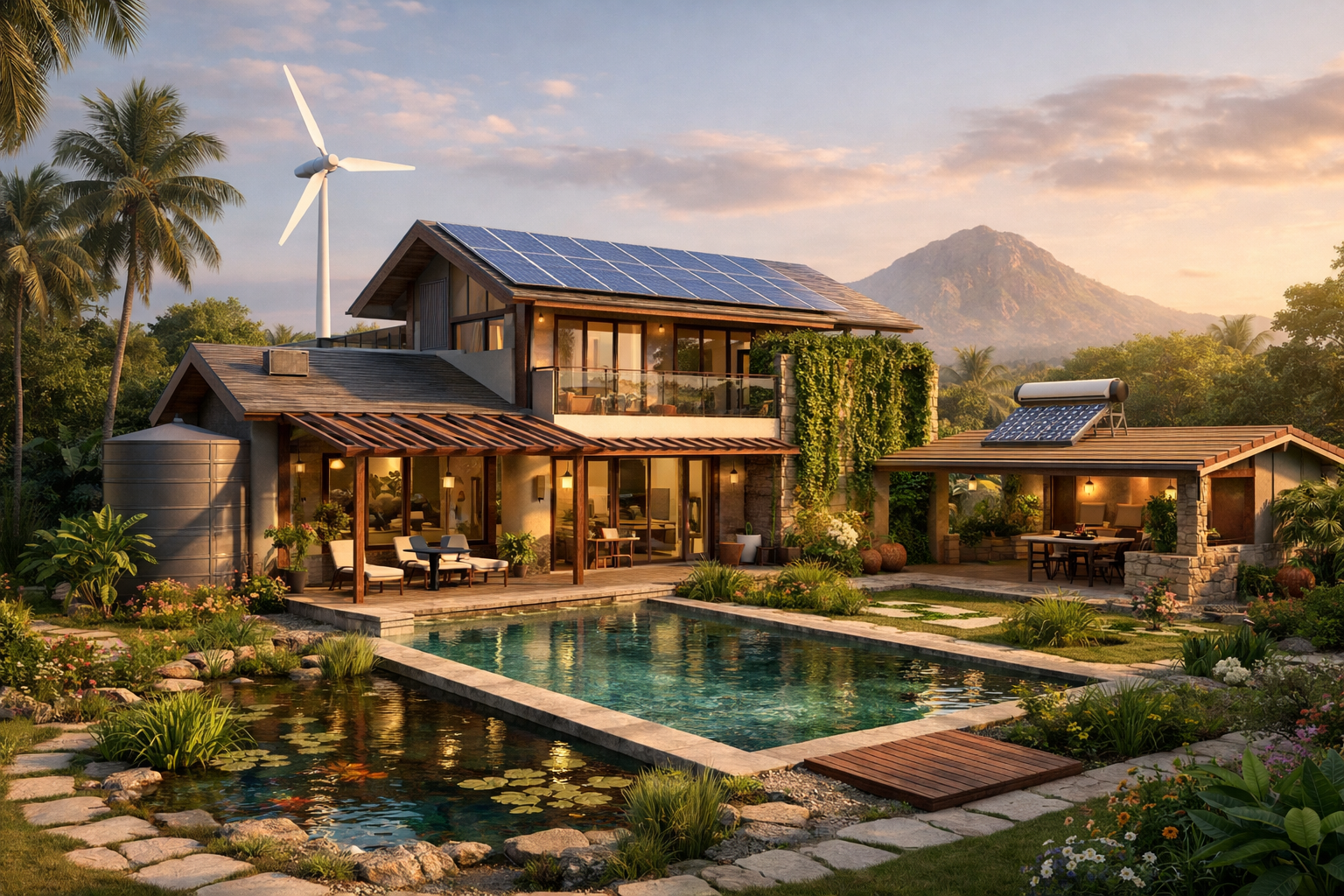
Solar integration: Rooftop solar panels are now standard, with costs dropping to ₹80,000-₹1,50,000 for residential systems
Water harvesting systems: Essential in water-scarce regions like Rajasthan and parts of Maharashtra
Green roofs and living walls: Popular in metropolitan areas for insulation and aesthetic appeal
Recycled and locally-sourced materials: Reducing carbon footprint while supporting local economies
Natural ventilation design: Reducing dependence on air conditioning, particularly crucial in hot climates
The Government of India's Green Building Council encourages sustainable practices through LEED and GRIHA certifications. Many developers now incorporate these standards as baseline requirements rather than premium add-ons.
Frequently asked
2. Minimalist Aesthetics with Functional Maximization
Clean lines, uncluttered spaces, and purposeful design define modern minimalism in 2026. This trend addresses the Indian preference for spaciousness while maintaining practical functionality. Key elements include:
Open-plan living areas that merge kitchen, dining, and lounge spaces
Multi-functional furniture and built-in storage solutions
Neutral color palettes (whites, grays, earth tones) with accent colors
Large windows and glass elements for natural light and ventilation
Floating staircases and minimalist railings
This approach is particularly effective in Indian cities where space is premium. A 2,000 sq ft apartment in Mumbai can feel significantly larger with minimalist design principles applied thoughtfully.
3. Smart Home Integration
Technology integration has become standard in modern house designs. In 2026, smart homes aren't luxury—they're practical investments. Common features include:
Automated lighting systems: Motion sensors and circadian rhythm lighting
Smart climate control: IoT-enabled thermostats that learn preferences
Security systems: Integrated cameras, smart locks, and alarm systems
Energy monitoring: Real-time tracking of consumption and optimization suggestions
Voice-controlled systems: Integration with Alexa, Google Home, and other platforms
The cost of basic smart home setup ranges from ₹1,00,000 to ₹5,00,000, depending on the extent of automation. When integrated during construction rather than retrofitted, costs reduce by 20-30%.
4. Biophilic Design Elements
The integration of nature into living spaces has gained tremendous momentum. This trend recognizes that humans thrive when connected to natural elements. Modern houses in 2026 feature:
Indoor plants and vertical gardens
Natural materials like wood, stone, and clay
Water features and indoor fountains
Large windows with views of outdoor spaces
Natural light optimization through strategic window placement
Biophilic design is particularly important in dense urban areas like Delhi and Bangalore, where residents have limited access to nature. A well-designed indoor garden can increase property value by 5-10%.
5. Flexible and Adaptive Spaces
Post-pandemic work culture has transformed how we design homes. Modern houses now include:
Dedicated home office spaces with proper ergonomics
Multi-purpose rooms that transform for different functions
Flexible partitions and modular furniture
Separate zones for work, relaxation, and recreation
Improved acoustic insulation for focus areas
These adaptive spaces are essential for Indian households where multiple family members may work or study from home simultaneously.
Climate-Specific Modern Design Approaches
Hot and Humid Climates (Coastal Cities)
For cities like Mumbai, Chennai, and Kolkata, modern design must address heat and humidity:
Thermal mass materials that absorb and release heat gradually
Deep overhangs and external shading devices
Cross-ventilation through strategic window placement
Moisture-resistant materials and proper waterproofing
Light-colored exterior finishes to reflect heat
Hot and Dry Climates (Desert Regions)
Rajasthan, Gujarat, and parts of Uttar Pradesh require different strategies:
Thick walls for insulation
Underground spaces for natural cooling
Courtyards for ventilation and light
Minimal external windows on sun-facing sides
Water conservation features as priority
Temperate Climates (Hill Stations and Plateaus)
Cities like Bangalore, Pune, and Shimla benefit from moderate designs:
Large windows to maximize natural light
Balconies and terraces for outdoor living
Moderate insulation requirements
Integration with surrounding landscape
Space Planning and Layout Trends
The Open-Plan Revolution
Open-plan living has become the default in modern Indian homes, though with cultural considerations. Rather than completely eliminating walls, contemporary designs use:
Kitchen islands that define spaces without closing them off
Half-height partitions for subtle separation
Sliding doors that can close when needed
Level changes and ceiling variations to delineate zones
This approach respects the Indian preference for family togetherness while maintaining flexibility.
Master Suite Prominence
Modern Indian homes increasingly prioritize the master bedroom as a personal sanctuary, featuring:
Attached bathrooms with spa-like features
Walk-in closets and dressing areas
Private balconies or terraces
Separate lounge or sitting areas
Sound insulation for privacy
Kitchen Evolution
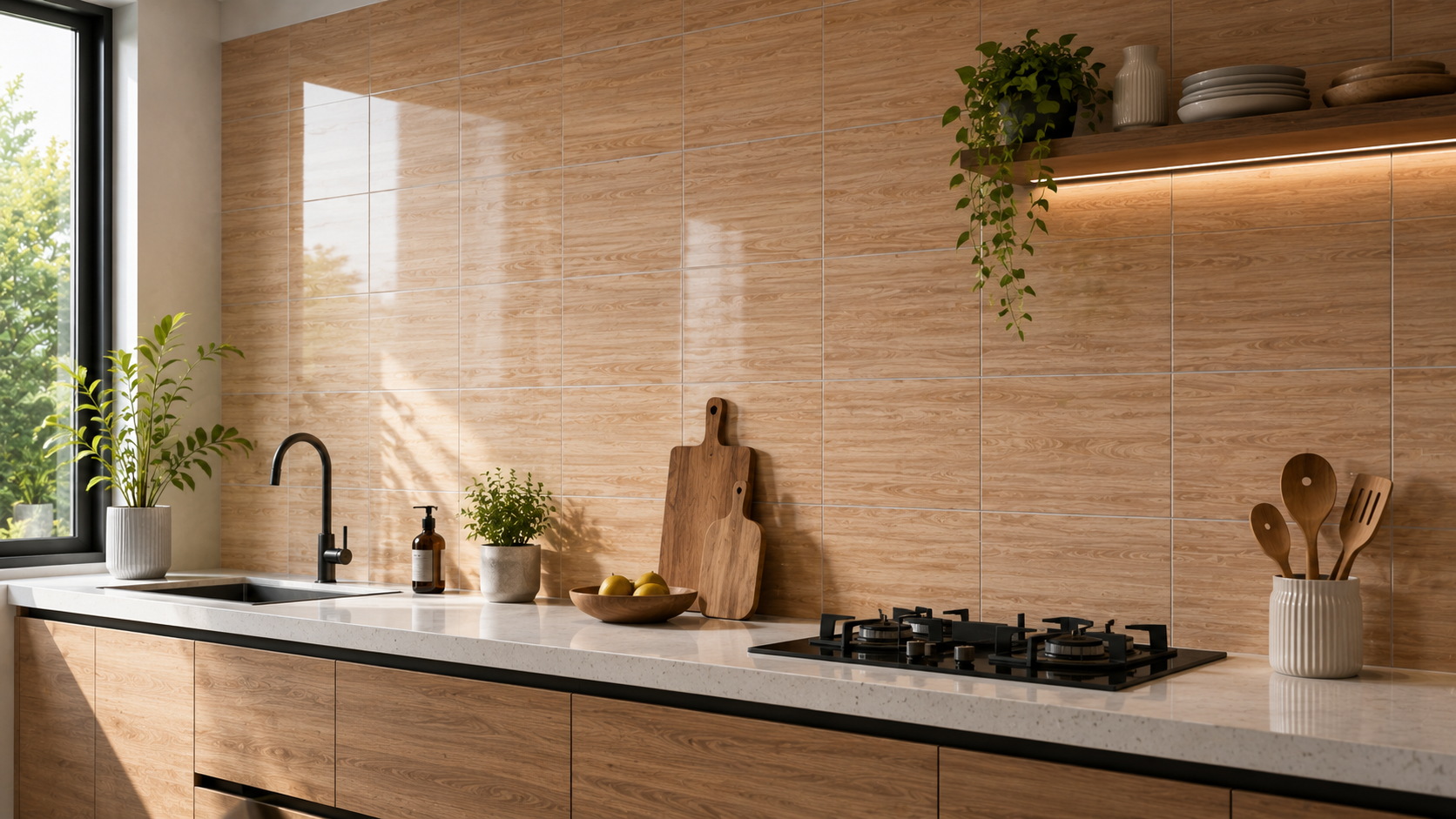
The modern kitchen has transformed from a utilitarian space to the heart of the home. 2026 designs include:
Large kitchen islands with seating
Open shelving for display and accessibility
Integration of dining and cooking spaces
High-end appliances with smart connectivity
Adequate storage with innovative solutions
Kitchen costs in India range from ₹3,00,000 to ₹15,00,000, depending on materials and appliances.
Material Choices and Finishes
Modern design in 2026 emphasizes authentic, durable materials that age gracefully:
Flooring
Polished concrete: Industrial aesthetic, easy maintenance, ₹150-300 per sq ft
Natural stone: Timeless elegance, ₹200-500 per sq ft
Large format tiles: Seamless appearance, practical for Indian climate, ₹150-400 per sq ft
Engineered wood: Warmth and sophistication, ₹300-600 per sq ft
Wall Finishes
Exposed brick for industrial charm
Textured plasters and lime-based finishes
Feature walls with wallpaper or paint
Natural stone cladding for accent areas
Ceiling Treatments
Exposed structural elements (beams, columns)
Coffered ceilings for visual interest
Acoustic panels for sound management
Integrated lighting solutions
Regulatory Compliance and Building Standards
Modern house designs must comply with Indian building codes and local regulations. Key considerations include:
National Building Code (NBC): Fire safety, structural integrity, and accessibility standards
Local municipal bylaws: Floor Area Ratio (FAR), setbacks, and height restrictions vary by city
Environmental clearances: Required for larger projects, especially in ecologically sensitive areas
Water and sewage management: Mandatory rainwater harvesting and waste management systems
Energy conservation: Building Energy Conservation Code (BECC) compliance
Working with experienced architects and engineers who understand these requirements is crucial. AECORD connects you with qualified professionals in your area who specialize in modern design and regulatory compliance.
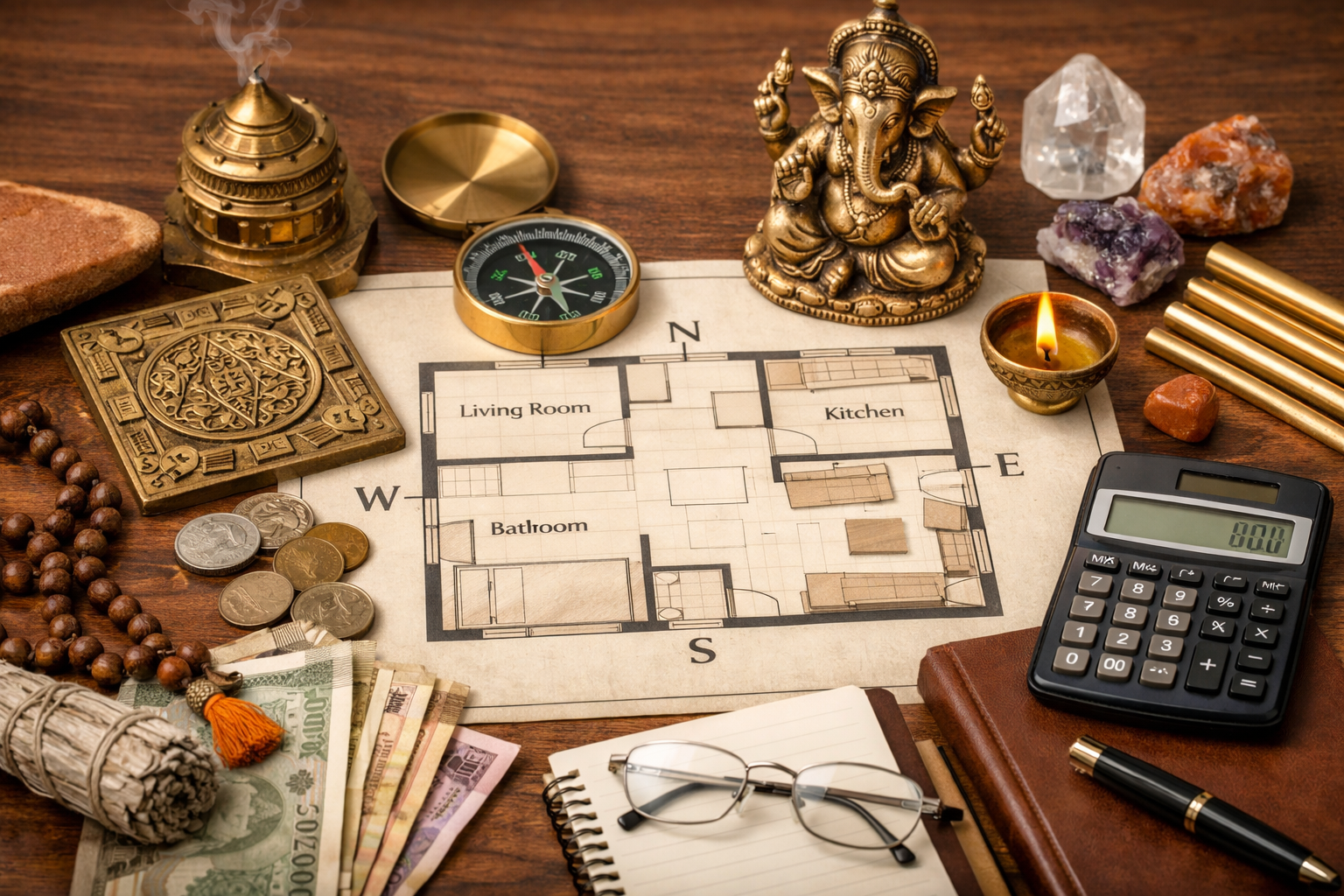
Cost Considerations and Budget Planning
Understanding the financial aspects of modern house design is essential for realistic planning:
Construction Costs by City (2026 estimates)
Tier-1 cities (Mumbai, Delhi, Bangalore): ₹2,500-3,500 per sq ft
Tier-2 cities (Pune, Hyderabad, Chennai): ₹1,800-2,500 per sq ft
Emerging cities: ₹1,200-1,800 per sq ft
Budget Allocation
Structure and finishes: 60-65%
MEP (Mechanical, Electrical, Plumbing): 15-20%
Landscaping and external works: 5-8%
Contingency: 10-15%
Smart choices in material selection and design can significantly impact overall costs without compromising aesthetics or functionality.
Finding the Right Professionals
Designing and building a modern house requires collaboration between multiple specialists—architects, structural engineers, interior designers, and contractors. Each brings crucial expertise to realize your vision while ensuring quality and compliance.
AECORD makes this process seamless by connecting you with verified professionals in the AECO industry. Whether you need an architect experienced in modern design, an engineer familiar with sustainable building practices, or a contractor with a proven track record in your city, AECORD's platform helps you find the right expertise. Browse portfolios, compare qualifications, and connect with professionals who understand modern design principles and your specific requirements.
Future-Proofing Your Modern Home
Designing for 2026 and beyond means considering potential future needs:
Wiring infrastructure for future smart home expansions
Structural provisions for additional solar panels or water systems
Flexible spaces that can adapt to changing family needs
Quality construction that minimizes maintenance
Energy-efficient systems that reduce operational costs
Conclusion
Modern house designs in India 2026 represent a sophisticated evolution of architecture that honors cultural values while embracing contemporary needs. From sustainable materials and smart technology to climate-responsive design and flexible spaces, these homes are built for the way we actually live today.
The key to successful modern design lies in balancing aesthetics with functionality, sustainability with affordability, and individual preferences with practical constraints. Whether you're building in a bustling metropolis or a quieter city, the principles remain consistent: thoughtful space planning, quality materials, regulatory compliance, and professional expertise.
Ready to turn your modern home vision into reality? Explore AECORD to discover architects, engineers, and builders specializing in contemporary residential design. Connect with professionals who understand modern trends, local regulations, and your specific vision. Your dream modern home is just a few clicks away on AECORD.
Frequently Asked Questions
What is the average cost of modern house construction in India in 2026?
The average cost of modern house construction in India ranges from ₹1,500 to ₹3,500 per square foot, depending on location, materials, and finishes. Premium cities like Bangalore and Pune command higher prices, while emerging cities offer better value for modern construction.
What are the main sustainable design features in modern Indian homes?
Modern Indian homes increasingly incorporate solar panels (₹80,000-₹1,50,000), water harvesting systems, green roofs, recycled materials, and natural ventilation design. These features reduce carbon footprint and energy costs while meeting LEED and GRIHA certification standards.
How does minimalist design benefit modern houses in India?
Minimalist design with clean lines and uncluttered spaces makes Indian homes feel larger while maximizing functionality through multi-functional furniture and built-in storage. This approach is particularly effective in premium urban spaces where square footage is expensive.
What smart home features are standard in modern Indian house designs?
Smart home integration now includes automated lighting systems, IoT-enabled climate control, integrated security systems with cameras and smart locks, and energy monitoring devices. These technologies have become practical investments rather than luxury add-ons in 2026.
How is modern architecture in India different from Western design?
Modern Indian architecture blends minimalist principles with sustainable practices and Indian lifestyle requirements, respecting cultural sensibilities and adapting to diverse climate zones. It prioritizes space optimization for multigenerational living and flexible layouts suited to Indian demographics.